Explore films connected to The Devil's Double through identity under coercion, power and impunity, survival in a violent regime. Choose the qualities you want to carry into your next watch.
What should feel similar?
Find your next favourite
9 films · Closest overall matches
Hide films you’ve seen or don’t want. Saved on this device.
No matches for this combination yet.
Try another option or reset your choices to see more films.
Based on recorded story, mood and style. Your preferences can change the order.
War and civilian life
What changes The Devil's Double: episodic escalation, high-tension encounters and sustained threat. Dheepan: measured and character-led.
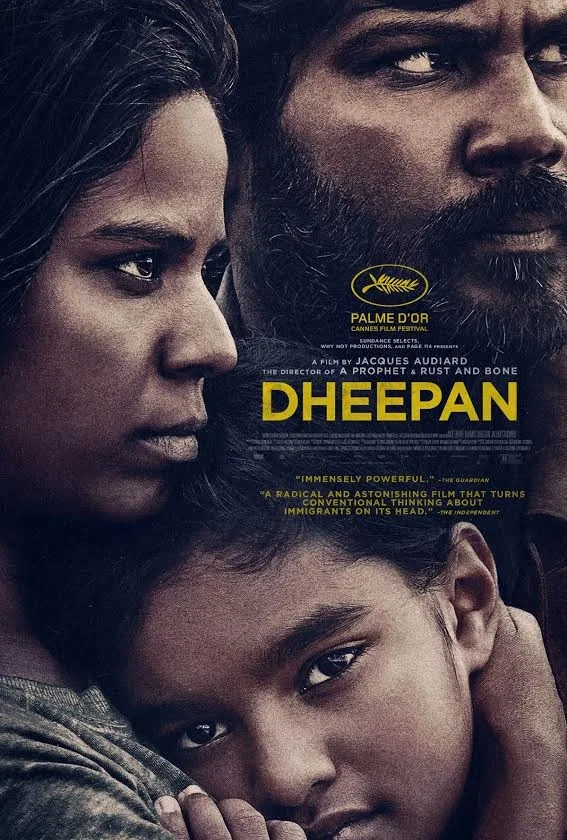
Former Tamil Tiger fighter Dheepan, a woman named Yalini, and a young girl pose as a family to seek asylum in France. Their new life begins in a housing estate where Dheepan works as a caretaker and Yalini struggles to find safety and purpose, while the family-like bond between them remains uncertain. Jacques Audiard's drama follows displacement as a daily negotiation of identity, belonging, and protection, with violence from the past intruding into the present.
Based on recorded story, mood and style. Your preferences can change the order.
War and civilian life
What changes The Devil's Double: episodic escalation, high-tension encounters and sustained threat. Sardar Udham: present-day pursuit alternates with earlier memories, travel and surveillance build patient tension and massacre sequence reframes the final act.
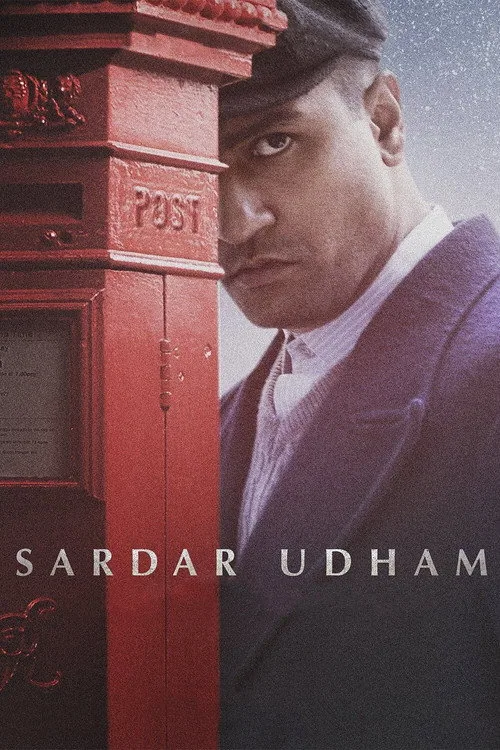
Udham Singh, a revolutionary who survived the 1919 Jallianwala Bagh massacre, travels from colonial India to London under aliases while pursuing former Punjab governor Michael O'Dwyer. The film moves between Udham's preparations in 1940 and earlier experiences of imprisonment, organizing, and political struggle. Its long, non-linear account links a planned assassination to the violence that shaped his resolve, while showing the years of surveillance and displacement required to reach his target.
Based on recorded story, mood and style. Your preferences can change the order.
Memory and identity
What changes The Devil's Double: episodic escalation, high-tension encounters and sustained threat. The Insult: dialogue-driven, escalating and alternating courtroom and personal scenes.
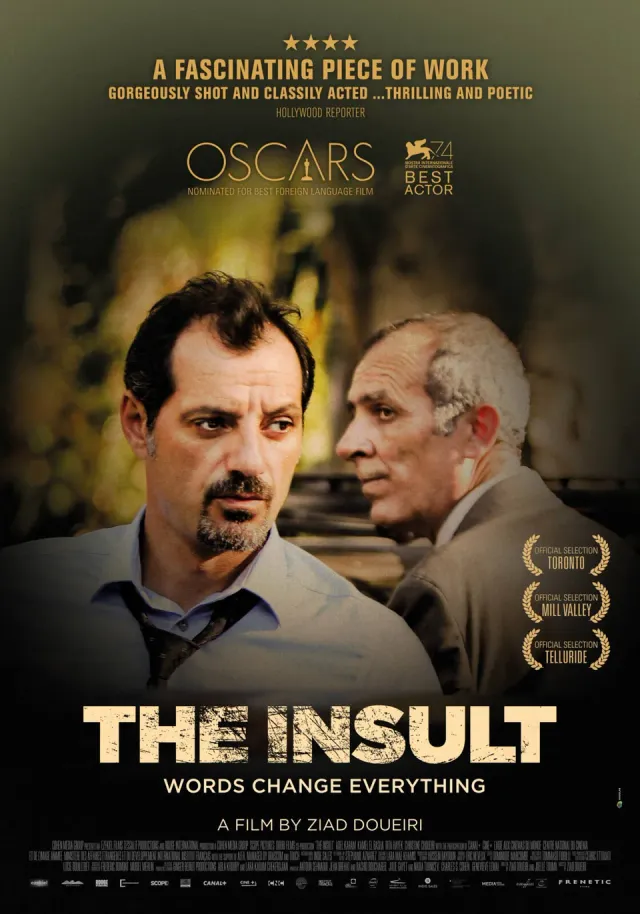
In present-day Beirut, Lebanese Christian mechanic Tony Hanna and Palestinian foreman Yasser Salameh clash after an argument over a damaged drainpipe escalates into an insult. Tony demands an apology; Yasser refuses, and a later confrontation brings their private dispute into court. As lawyers and media turn the case into a public event, the men’s histories and Lebanon’s political divisions shape how each side understands the conflict.
Based on recorded story, mood and style. Your preferences can change the order.
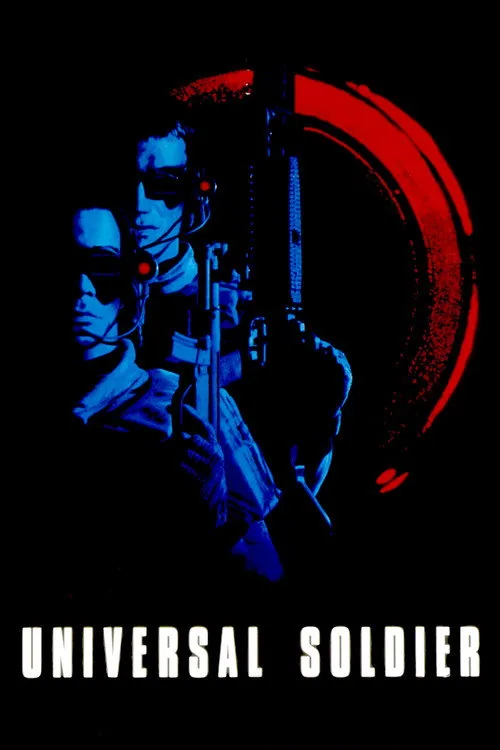
What changes The Devil's Double: episodic escalation, high-tension encounters and sustained threat. Universal Soldier: a reanimated soldier escapes a covert program after suppressed memories begin to return..
During the Vietnam War, soldiers Luc Deveraux and Andrew Scott kill each other after Scott becomes violently unstable. Their bodies are secretly recovered and decades later reanimated as part of a government program that turns dead soldiers into enhanced, obedient operatives. When battlefield memories return, Deveraux rebels and escapes with journalist Veronica Roberts, while Scott pursues them and relives the violence of Vietnam. Roland Emmerich’s science-fiction action film combines a chase story with questions about memory, military control, and the human cost of turning people into weapons.
Based on recorded story, mood and style. Your preferences can change the order.
War and civilian life
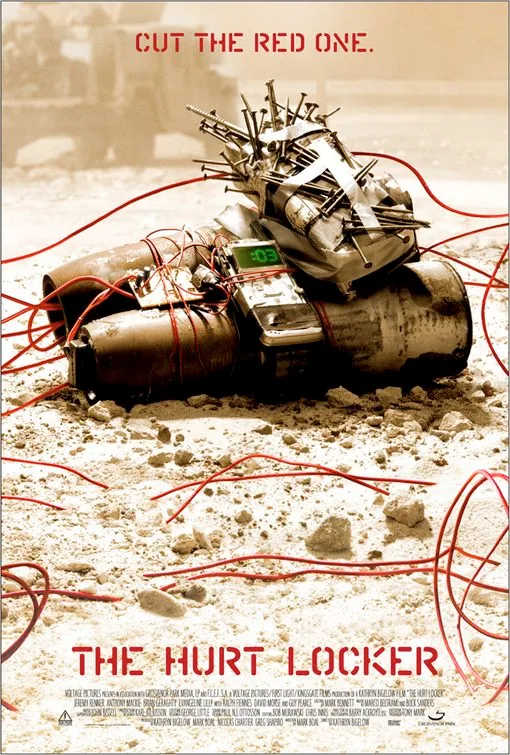
What changes The Devil's Double: episodic escalation, high-tension encounters and sustained threat. The Hurt Locker: intense.
A bomb-disposal team in Iraq receives a new leader whose technical ability comes with an appetite for risk that unsettles the men protecting him. Successive calls turn ordinary streets, vehicles and civilian encounters into uncertain threats, while each operation exposes a different limit in the team's trust. As their rotation nears its end, survival appears less difficult to imagine than a shared understanding of what returning to ordinary life would mean.
Based on recorded story, mood and style. Your preferences can change the order.
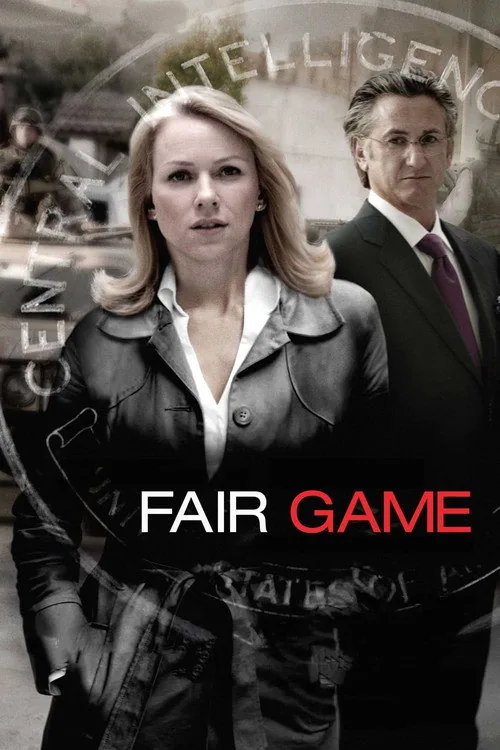
What changes The Devil's Double: episodic escalation, high-tension encounters and sustained threat. Fair Game: covert work and diplomatic inquiry, public dispute escalates and personal and political fallout.
CIA officer Valerie Plame is sent to assess claims that Iraq sought uranium in Niger, while her diplomat husband Joseph Wilson finds the intelligence unconvincing. After the 2003 invasion, Wilson publicly challenges the administration's justification, and Plame's covert identity is exposed in the press. The couple's private life becomes a political target as Plame loses her work and Wilson's interviews fuel public attacks. The drama follows a marriage and a national controversy through the consequences of speaking against official claims.
Based on recorded story, mood and style. Your preferences can change the order.
Memory and identity
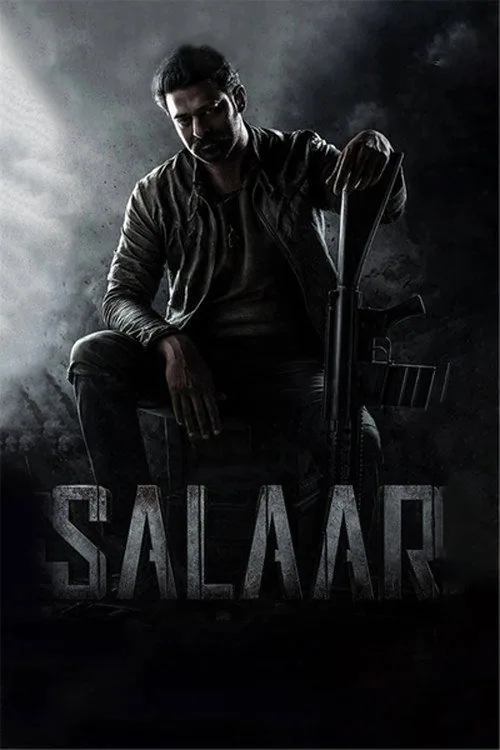
What changes The Devil's Double: episodic escalation, high-tension encounters and sustained threat. Salaar: world-building setup, long dramatic pauses and large action escalations.
Deva lives quietly with his mother until a dangerous encounter draws him back toward Khansaar, a violent city-state ruled by powerful factions. His childhood friend Varadha asks him to return and help secure a contested succession, reviving a bond shaped by loyalty and an old act of protection. Prashanth Neel’s Telugu action film builds an elaborate political world around their friendship, tribal rivalries, and looming conflict. It is the first installment of a planned two-part story.
Based on recorded story, mood and style. Your preferences can change the order.
War and civilian life
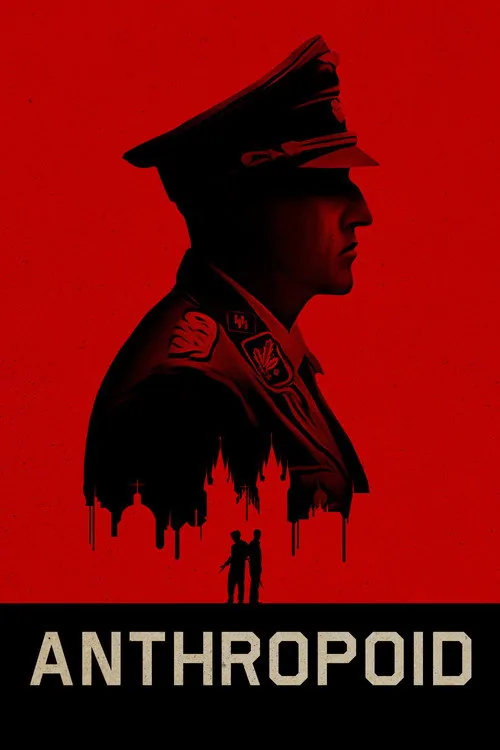
What changes The Devil's Double: episodic escalation, high-tension encounters and sustained threat. Anthropoid: careful operational planning, tense attack sequence and prolonged siege aftermath.
In 1941, Czechoslovak soldiers Jozef Gabčík and Jan Kubiš parachute into occupied Bohemia to join the resistance and prepare the assassination of Nazi official Reinhard Heydrich. They find shelter and support among civilians in Prague, but carrying out the mission could bring brutal retaliation against the people protecting them. Sean Ellis's war drama follows the operatives through planning, uncertainty, and the aftermath of the attack, focusing on the human cost of resistance under occupation.
Based on recorded story, mood and style. Your preferences can change the order.
War and civilian life
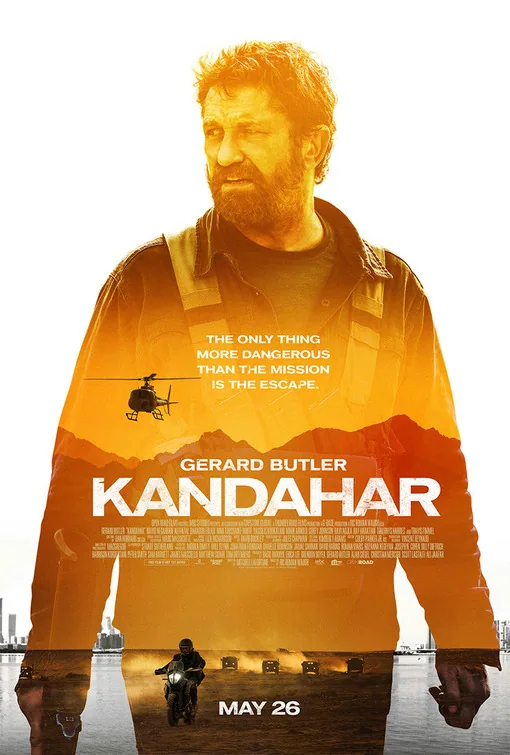
What changes The Devil's Double: episodic escalation, high-tension encounters and sustained threat. Kandahar: mission-driven, fast, pursuit-based and action-heavy.
CIA undercover operative Tom Harris completes a covert mission at an Iranian nuclear facility, but a journalist’s revelations expose his identity and make him a target. Stranded in Afghanistan, he must travel toward an extraction point with interpreter Mohammad “Mo” Doud, crossing territory contested by armed groups and intelligence services. Ric Roman Waugh’s action thriller frames the escape as a test of professional trust, political consequence and the bond between the two men.
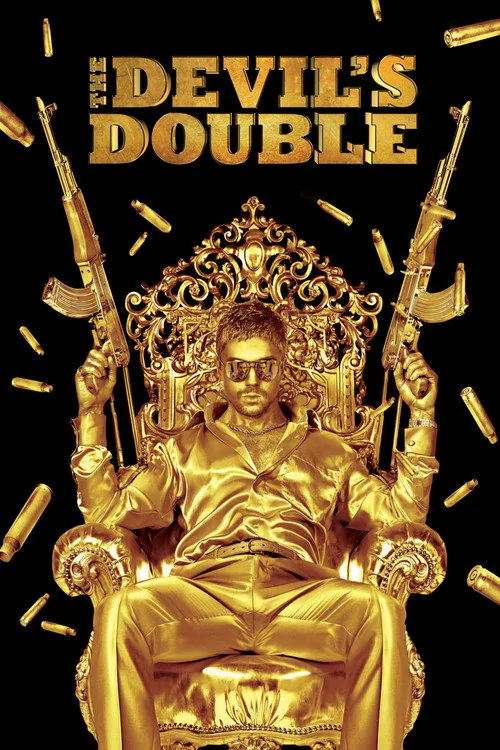
In 1987 Iraq, soldier Latif Yahia is forced to become the body double of Uday Hussein, Saddam Hussein's volatile son. Surgery and rehearsals make him resemble Uday, but the role also exposes him to a life of lavish excess, political violence, and constant danger. Latif attempts to preserve his own identity and protect his family while moving through the circles of power he was ordered to impersonate. Based on Yahia's account, the thriller uses doubling to examine coercion, survival, and the instability of a public persona under dictatorship.
What drives the story
Latif's enforced resemblance to Uday places him inside escalating dangers where every performance risks losing his own identity.
The people at its centre
The captive double must anticipate Uday's volatility while keeping his family safe and distinguishing his values from the persona imposed on him.
What it feels like
A harsh political thriller builds pressure from lavish settings, abrupt brutality, and the protagonist's constant need to perform.
Worth knowing
Its doubling is a specific survival predicament within Saddam-era Iraq, not a light mistaken-identity comedy or conventional spy fantasy.
identity under coercionpower and impunitysurvival in a violent regime