Explore films connected to The Eagle through Honor and reputation, Loyalty across power differences, Cultural conflict. Choose the qualities you want to carry into your next watch.
What should feel similar?
Find your next favourite
9 films · Closest overall matches
Hide films you’ve seen or don’t want. Saved on this device.
No matches for this combination yet.
Try another option or reset your choices to see more films.
Based on recorded story, mood and style. Your preferences can change the order.
Survival · Political resistance
What changes The Eagle: expedition structure, travel and pursuit and action climax. Centurion: a military retreat becomes a sustained pursuit across the highlands.
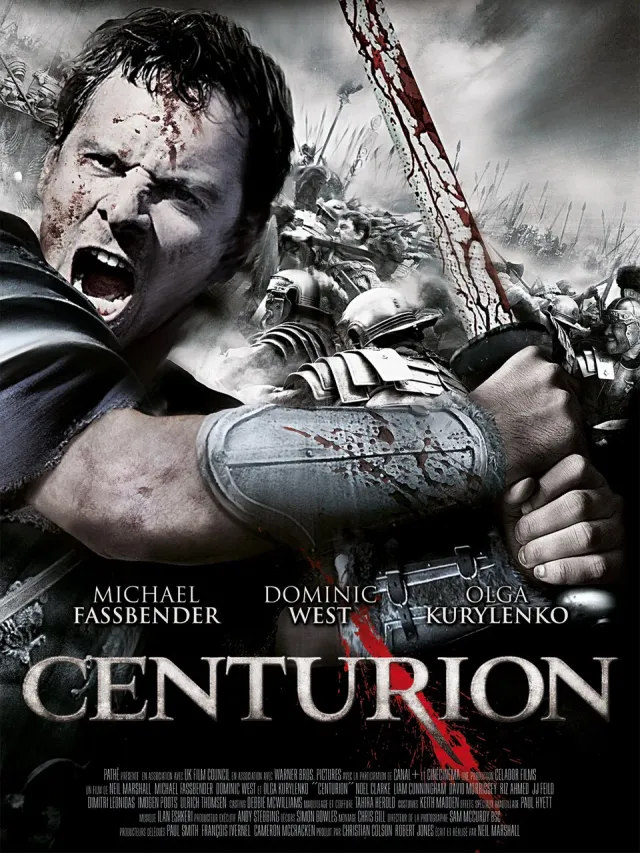
A Roman patrol in northern Britain is destroyed by Pict forces, leaving a small group of survivors to flee across hostile terrain. Quintus Dias and the remaining soldiers try to reach safety while pursued by the Pict warrior Etain. The historical action film focuses on attrition, captivity, and loyalty, treating empire not as an assured victory but as a vulnerable military presence in unfamiliar country.
Based on recorded story, mood and style. Your preferences can change the order.
Political resistance
What changes The Eagle: expedition structure, travel and pursuit and action climax. Gladiator: epic and intense.
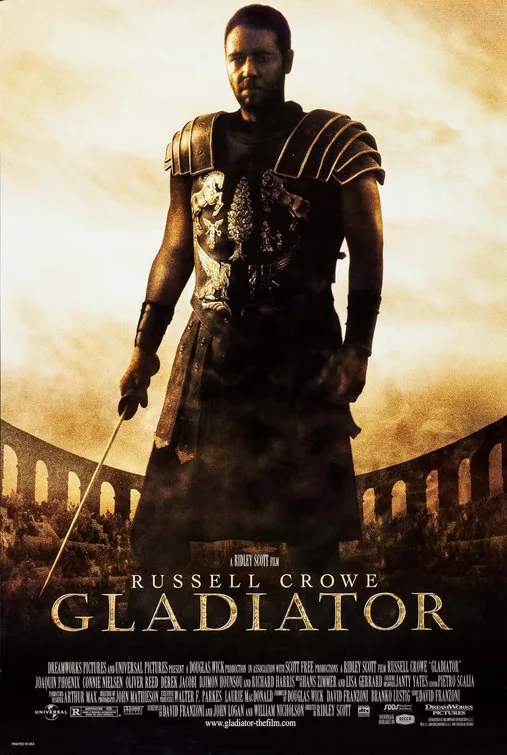
A successful Roman commander preparing to leave military life is betrayed during a struggle over the succession and separated from the family he hopes to protect. Enslavement places him in the gladiatorial arena, where survival and public recognition offer an indirect route back towards the ruler responsible. Private grief becomes entangled with the interests of spectators, a threatened political elite and people whose own freedom depends on how he chooses to use his growing symbolic power.
Based on recorded story, mood and style. Your preferences can change the order.
Political resistance
What changes The Eagle: expedition structure, travel and pursuit and action climax. Kingdom of the Planet of the Apes: steady and escalating.
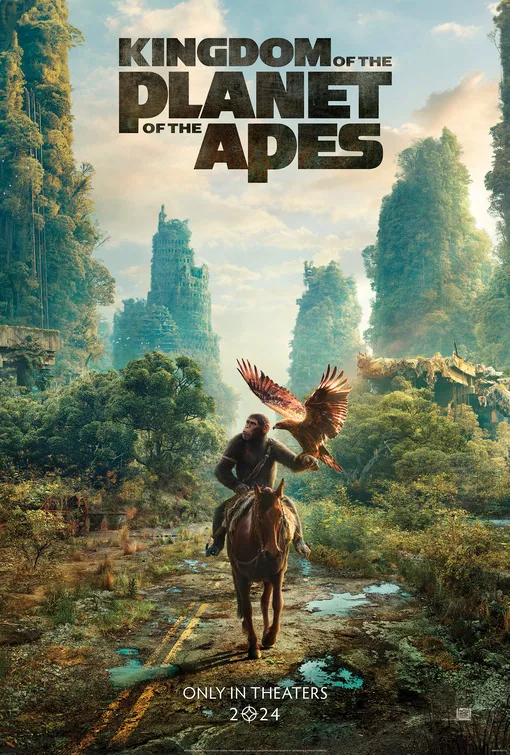
Generations after Caesar’s death, young ape Noa leaves his eagle-raising clan when Proximus Caesar’s forces capture its members. His journey with the human Mae and orangutan Raka brings him into a kingdom built around a distorted version of Caesar’s teachings. Proximus wants human technology to secure ape supremacy; Mae wants access to a vault that may help scattered human communities communicate. Noa’s eventual choice rejects both the tyrant’s appropriation and the assumption that sharing knowledge is automatically safe. The film honors Caesar’s legacy while showing how slogans outlive their context. Its ending opens conflict over power and trust rather than resolving whether humans and apes can use the same technologies without reproducing domination.
Based on recorded story, mood and style. Your preferences can change the order.
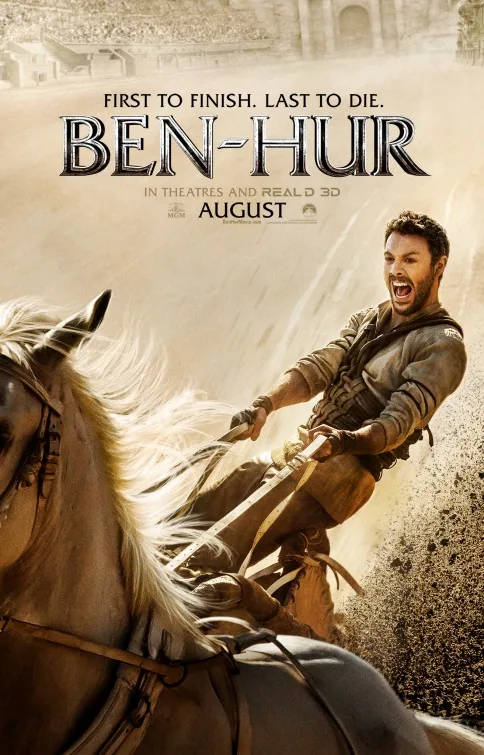
What changes The Eagle: expedition structure, travel and pursuit and action climax. Ben-Hur: sweeping and action-led.
A privileged young man in Roman-occupied Judea loses his status and freedom after a political incident divides him from his adopted brother, a Roman officer. Surviving enslavement, he returns with the skills and opportunity to confront his former family member in a chariot race. His pursuit of redress becomes a conflict between revenge and forgiveness, framed by religious encounters and the cost of imperial power.
Based on recorded story, mood and style. Your preferences can change the order.
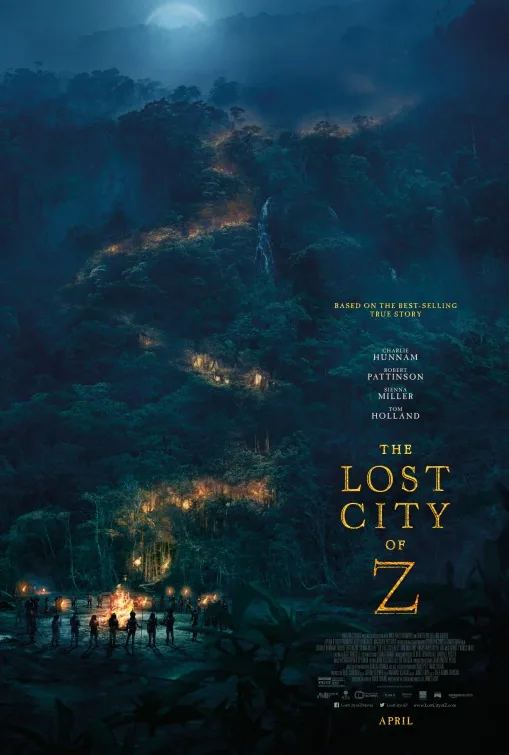
What changes The Eagle: expedition structure, travel and pursuit and action climax. The Lost City of Z: measured and expeditionary.
British explorer Percy Fawcett becomes convinced that an advanced civilization existed in the Amazon after studying maps and reports from the region. His expeditions take him away from family life and into difficult terrain, where scientific ambition, colonial assumptions and personal endurance intersect. James Gray's period adventure follows his repeated attempts to return to the forest and the uncertain legacy of exploration.
Based on recorded story, mood and style. Your preferences can change the order.
Political resistance
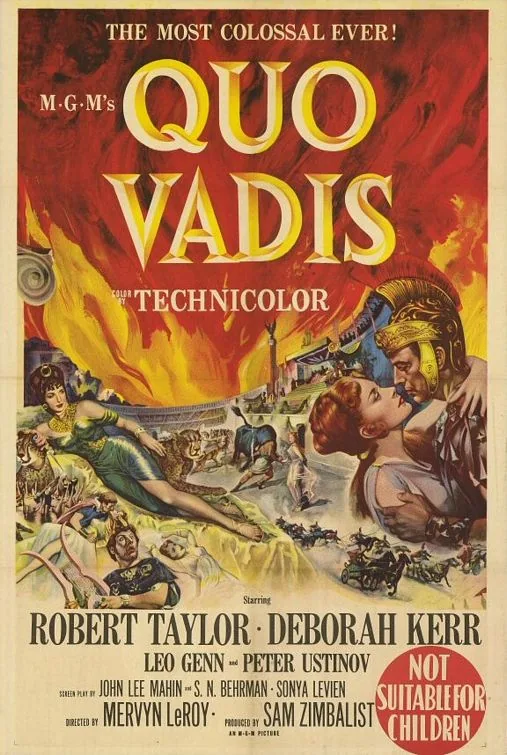
What changes The Eagle: expedition structure, travel and pursuit and action climax. Quo Vadis: expansive, building and spectacular.
Roman commander Marcus Vinicius returns from war and becomes attracted to Lygia, a Christian hostage living in the household of retired general Aulus Plautius. Marcus’s uncle Petronius persuades Nero to give Lygia to him, but Lygia’s faith and resistance change the relationship. As Nero’s rule grows more destructive and Rome burns, he blames the Christians and orders persecution. Marcus tries to protect Lygia and the people she loves while confronting the cruelty of the court he once served. Their fate intersects with the Christian community’s public trials, where belief and imperial power collide.
Based on recorded story, mood and style. Your preferences can change the order.
War and civilian life
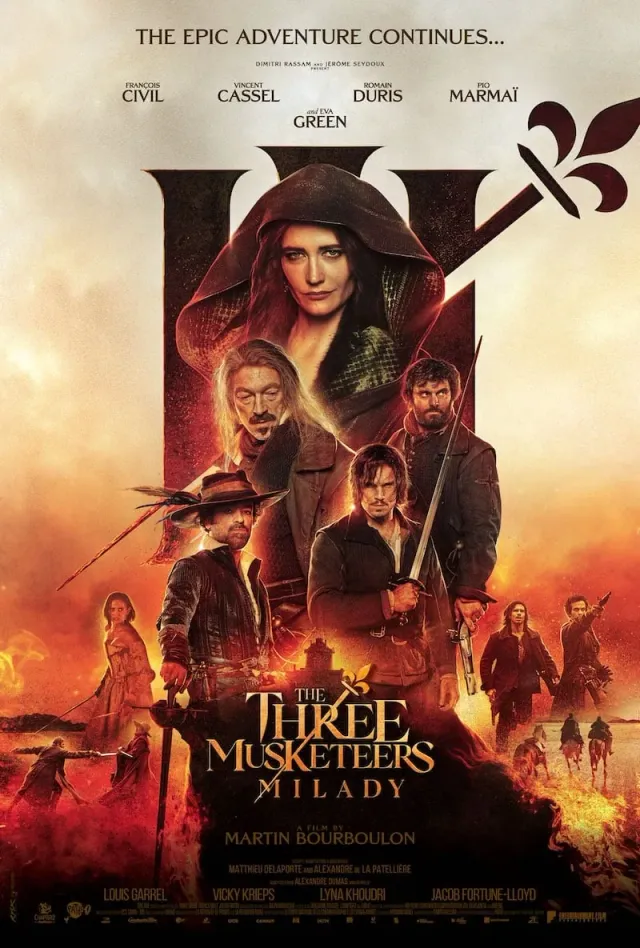
What changes The Eagle: expedition structure, travel and pursuit and action climax. The Three Musketeers: Milady: continuous action, interwoven missions, court intrigue and climactic.
Beginning immediately after the first film, D’Artagnan escapes captivity and returns to the search for Constance as France approaches war. His path crosses again with Milady de Winter, whose loyalties and history complicate the mission, while Athos and the other musketeers face dangers tied to their own pasts. Martin Bourboulon’s second half deepens the ensemble’s court and battlefield conflicts, giving Milady a central role in a story about secrecy, survival and political power.
Based on recorded story, mood and style. Your preferences can change the order.
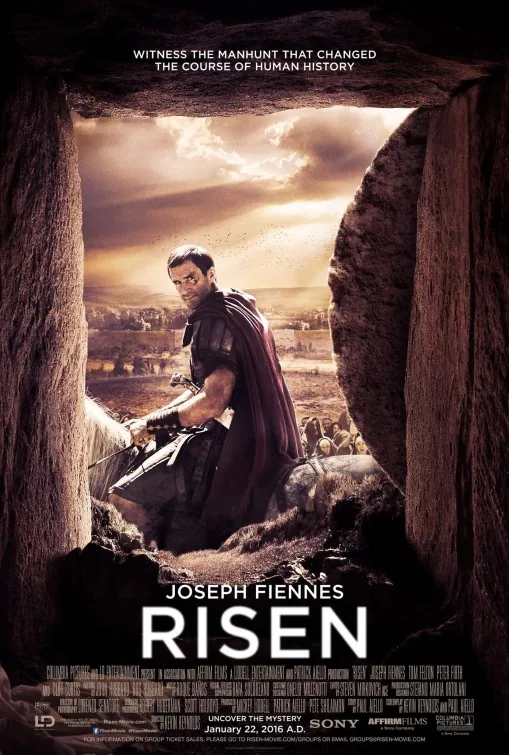
What changes The Eagle: expedition structure, travel and pursuit and action climax. Risen: procedural search turns toward spiritual inquiry.
A Roman tribune is assigned to investigate rumors surrounding the disappearance of Jesus’s body after the crucifixion. His search begins as a political and military duty but gradually challenges the assumptions that have organized his life. The historical drama uses an outsider’s investigation to tell a story of faith, evidence and personal transformation, placing familiar religious events inside an imperial power structure.
Based on recorded story, mood and style. Your preferences can change the order.
Political resistance
What changes The Eagle: expedition structure, travel and pursuit and action climax. Agora: measured and epic.
In late-fourth-century Alexandria, the philosopher and astronomer Hypatia teaches while the city's competing religious and political groups struggle for authority. Her students, including the enslaved Davus, are drawn into shifting loyalties as public violence changes who can speak, worship or govern. Hypatia's astronomical inquiry supplies a parallel search for order, but the film does not present its version of her discoveries or relationships as settled history. Its spectacle links the danger of independent thought to a city where communal power is being remade by force.
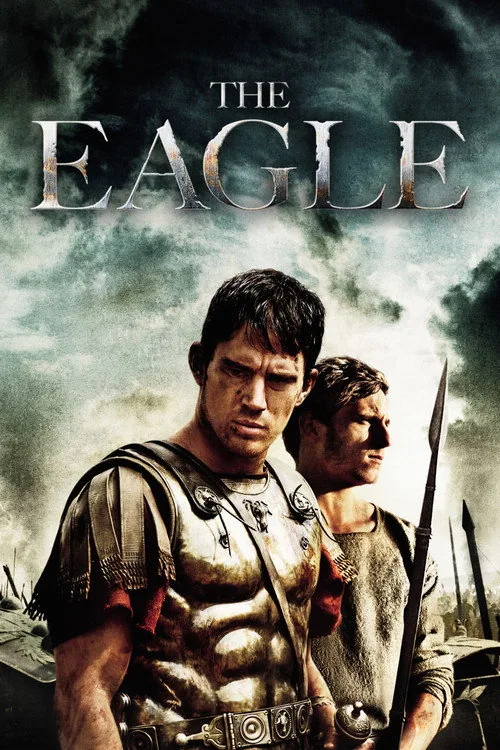
In Roman Britain around 140 CE, centurion Marcus Flavius Aquila travels north of Hadrian’s Wall to recover the lost eagle standard of his father’s legion. His companion Esca, a former captive who distrusts Rome, knows the territory and its people better than Marcus does. Their expedition becomes a test of loyalty and survival as they encounter northern tribes and pursue the truth about the Ninth Legion. Kevin Macdonald adapts Rosemary Sutcliff’s historical adventure novel The Eagle of the Ninth.
What drives the story
Marcus’s attempt to recover the eagle and restore his family’s honor drives a hazardous journey into territory Rome does not control.
The people at its centre
Marcus and Esca depend on each other despite unequal status and opposing histories, gradually testing the meaning of loyalty.
What it feels like
The film combines frontier travel, restrained combat, and a two-hander relationship against stark northern landscapes.
Worth knowing
It adapts a historical children’s novel and uses a fictional mission to explore the mystery of the Ninth Legion.
Honor and reputationLoyalty across power differencesCultural conflict
Mood
Adventurous · Restrained · Tense
Pacing
Expedition structure · Travel and pursuit · Action climax
Visual style
Northern British landscapes · Roman military detail · Period adventure cinematography
Storytelling
Roman officer retrieves lost legion standard · Former captive accompanies him · Historical frontier journey