Both centre on grief and adjustment and recovery and acceptance.
Why this matches +
Genres: Drama / Fantasy
Shared film traits
Based on recorded story, mood and style. Your preferences can change the order.
What changes The Fisher King: emotional recovery and fantasy interludes. Collateral Beauty: reflective and interwoven.
After the death of his young daughter, advertising executive Howard Inlet withdraws from his colleagues and writes letters to Love, Time, and Death. His worried coworkers try to reach him through an unusual plan involving performers who embody those ideas, while their own grief and moral choices become part of the story. David Frankel's drama uses a lightly fantastical device to explore loss, friendship, and the difficulty of returning to life.
Based on recorded story, mood and style. Your preferences can change the order.
What changes The Fisher King: emotional recovery and fantasy interludes. Scrooged: escalating and high-energy.
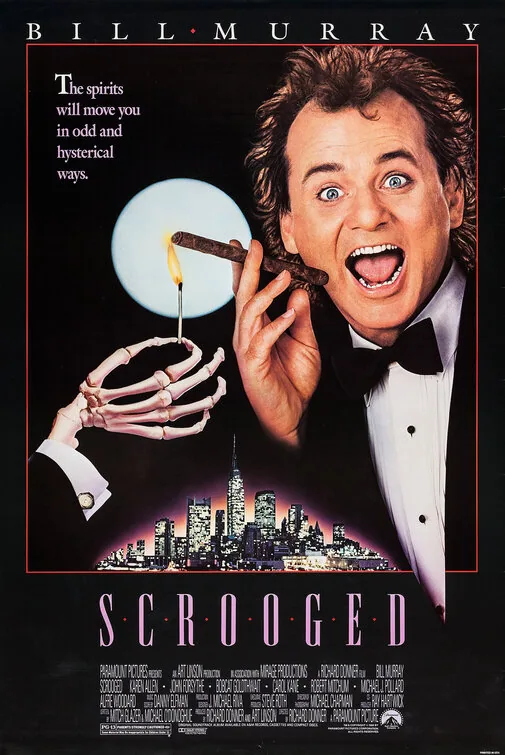
Frank Cross has climbed from the mailroom to the presidency of a television network by becoming ruthless, impatient and indifferent to the people around him. On Christmas Eve, while producing a live version of A Christmas Carol, he is visited by a series of spirits who force him to confront parts of his past, present and possible future. The familiar redemption structure is pushed through an abrasive contemporary comedy about television spectacle and the cost of treating everyone as disposable.
Based on recorded story, mood and style. Your preferences can change the order.
What changes The Fisher King: emotional recovery and fantasy interludes. 50/50: reflective and alternating.
Seattle radio journalist Adam Lerner learns that a rare tumor gives him an uncertain chance of survival. As he begins treatment, his best friend Kyle tries to keep him laughing, his girlfriend struggles to respond, and a young therapist helps him speak more honestly about fear. Jonathan Levine's comedy-drama balances irreverent friendship with the routines and anxieties of cancer care without treating the illness as a simple inspirational lesson.
Based on recorded story, mood and style. Your preferences can change the order.
Memory and identity
What changes The Fisher King: emotional recovery and fantasy interludes. Heart and Souls: four linked character arcs converge through a shared guide.
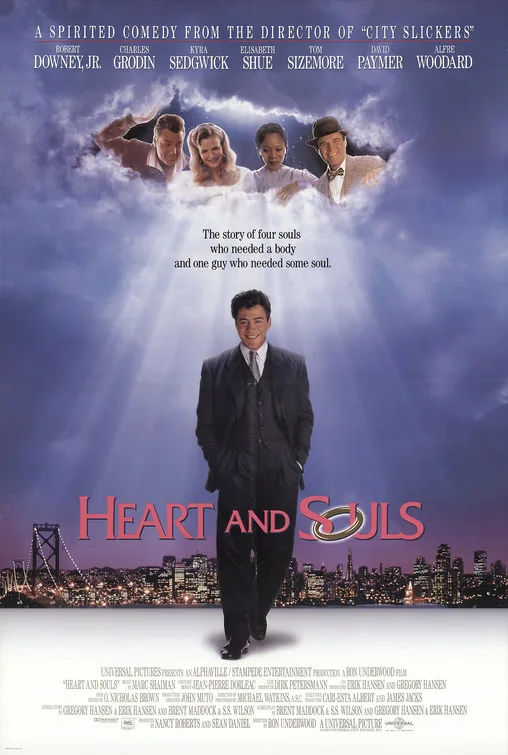
A trolley accident kills four strangers, whose spirits become attached to Thomas Reilly, a boy born at the same moment. Years later, the ghosts return when Thomas is an adult and ask him to help complete the unfinished business that keeps them from moving on. Their separate stories combine romantic fantasy, comedy and a reflection on responsibility toward people whose lives cross ours.
Both centre on grief and adjustment and recovery and acceptance.
Why this matches +
Genres: Drama
Shared film traits
Based on recorded story, mood and style. Your preferences can change the order.
Memory and identity
What changes The Fisher King: emotional recovery and fantasy interludes. Ordinary People: measured and steady.
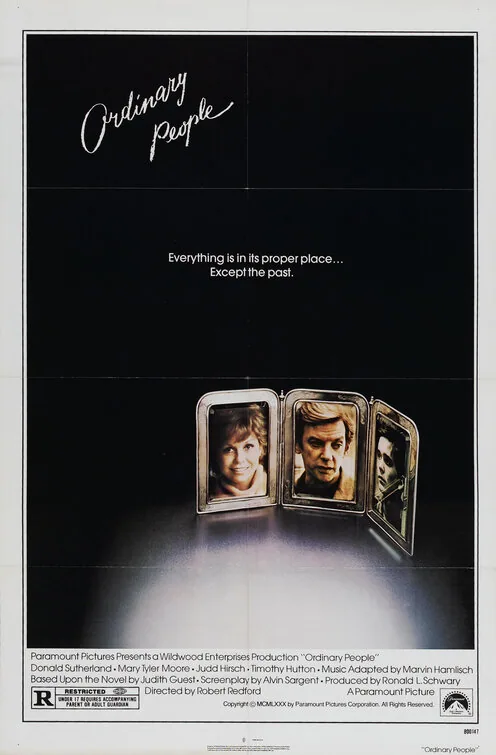
After the accidental drowning death of their eldest son Buck, the affluent Jarrett family tries to resume ordinary routines. Younger son Conrad returns home after a suicide attempt and psychiatric hospitalization, struggling with guilt and the belief that he should have died instead. Therapy with Dr. Berger helps him name grief and anger, while his father Calvin tries to reconnect with both sons’ absence. His mother Beth maintains control through social appearances and finds Conrad’s vulnerability intolerable. Their conflict forces Calvin to recognize that family recovery may not mean preserving the household intact.
Based on recorded story, mood and style. Your preferences can change the order.
Memory and identity
What changes The Fisher King: emotional recovery and fantasy interludes. Diary of a Mad Black Woman: escalating and melodramatic.
A woman is forced out of her home after her husband ends their marriage, leaving her to rebuild with support from family and faith. The story follows her movement from shock and humiliation toward a more self-directed life, while the husband’s choices bring consequences of their own. It combines broad comic turns with melodrama, centering recovery and self-respect rather than treating reconciliation as the only possible ending.
Based on recorded story, mood and style. Your preferences can change the order.
Memory and identity
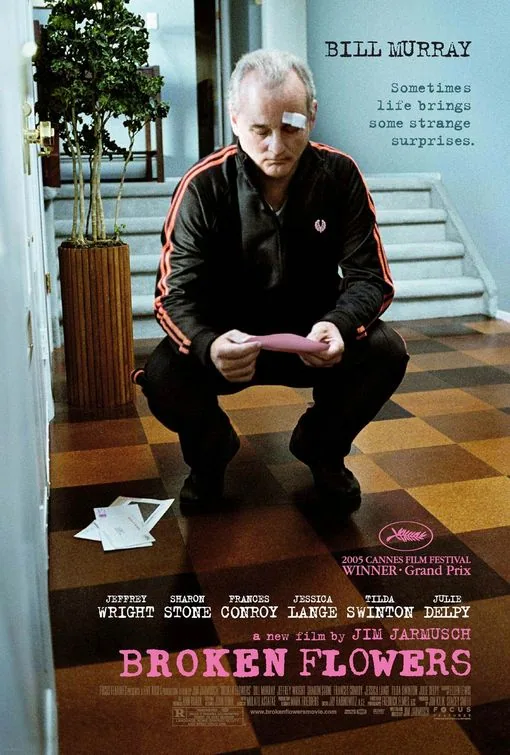
What changes The Fisher King: emotional recovery and fantasy interludes. Broken Flowers: measured and repetitive by design.
Don Johnston, a settled bachelor, receives an anonymous letter suggesting he may have an adult son. A neighbor persuades him to visit former partners in an attempt to discover which one sent it, turning a reluctant road journey into a series of encounters with the past. The understated comedy leaves its central mystery unresolved while observing how memory and regret change a person’s view of earlier choices.
Both centre on grief and adjustment and recovery and acceptance.
Why this matches +
Genres: Drama / Fantasy
Shared film traits
Based on recorded story, mood and style. Your preferences can change the order.
Memory and identity
What changes The Fisher King: emotional recovery and fantasy interludes. The Shack: reflective dialogue framed by painful memories.
A grieving father receives a mysterious invitation to return to the remote place where his young daughter was last seen. The visit becomes an encounter with figures who challenge his anger, guilt and understanding of faith. The religious drama turns a crime-related loss into a devotional conversation about forgiveness and the possibility of finding meaning after trauma.
Based on recorded story, mood and style. Your preferences can change the order.
Memory and identity
What changes The Fisher King: emotional recovery and fantasy interludes. A Ghost Story: very slow, contemplative and time-spanning.
After musician C dies in a car accident, he returns to the house he shared with his wife M beneath a white sheet. Unable to communicate, he watches her grieve and eventually leave, while the house passes through new residents and changing eras. The ghost’s experience stretches across time as he remains attached to a hidden note in the home. David Lowery’s supernatural drama uses long still compositions and a deliberately slow pace to explore memory, grief, and the persistence of place.
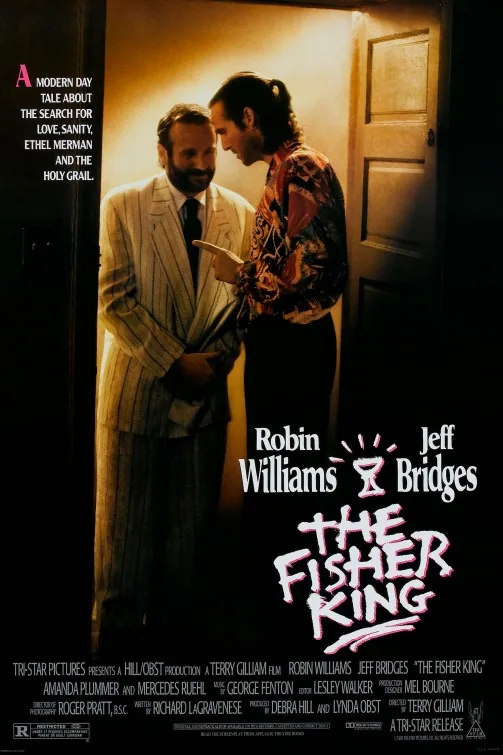
Radio shock jock Jack Lucas dismisses a caller whose subsequent actions lead to a mass shooting at a Manhattan restaurant. Years later, guilt and depression have cost Jack his career and sense of direction. He meets Parry, a homeless man who believes he must find the Holy Grail, and discovers that Parry’s trauma is tied to the same tragedy. Jack tries to help him while also seeking a way to repair his own life, gradually involving Parry in a search that leads into a wealthy apartment building. Their unlikely friendship brings Jack into contact with Lydia, a woman Parry loves from afar, and forces him to take responsibility rather than treat other people’s pain as a story.
What drives the story
Jack’s attempt to make amends becomes a literal quest when he joins Parry’s search for the Grail, but their different wounds keep the mission personal.
The people at its centre
Parry’s fantasy protects him from unbearable grief, while Jack’s self-pity lets him avoid accountability. Each man’s care for the other begins to challenge those defenses.
What it feels like
A romantic fantasy-drama that shifts between New York street realism and Parry’s chivalric imagination, balancing comedy with trauma and emotional recovery.
Worth knowing
A fit for offbeat stories about guilt, friendship and recovery; it addresses mass violence and mental illness, but its fantasy language is not a clinical portrait of trauma.
GuiltCompassionRecovery
Mood
Tender · Fanciful · Melancholic
Pacing
Emotional recovery · Fantasy interludes
Visual style
Urban fable · Expressionistic fantasy
Storytelling
Radio broadcast aftermath · Homeless knightly quest · Unexpected friendship