Explore films connected to The Hand of God through adolescence and vocation, family and grief, memory and place. Choose the qualities you want to carry into your next watch.
What should feel similar?
Find your next favourite
9 films · Closest overall matches
Hide films you’ve seen or don’t want. Saved on this device.
No matches for this combination yet.
Try another option or reset your choices to see more films.
Based on recorded story, mood and style. Your preferences can change the order.
Memory and identity
What changes The Hand of God: episodic coming-of-age scenes, sudden family loss and reflective departure. Pain and Glory: measured and fragmented.
Aging film director Salvador Mallo lives with chronic pain and creative paralysis, then attends a screening of one of his old films and reconnects with actor Alberto. Their reunion brings back memories of childhood in Paterna, his mother’s sacrifices and a past relationship with Federico. When Salvador tries heroin, the drug opens a path into memories he has avoided; meanwhile, Alberto stages a monologue from one of Salvador’s texts. The film moves between present-day illness, remembered youth and fiction, eventually revealing that some apparent memories belong to a film Salvador is making.
Based on recorded story, mood and style. Your preferences can change the order.
Memory and identity
What changes The Hand of God: episodic coming-of-age scenes, sudden family loss and reflective departure. You Again: reunion setup, escalating family confrontations and wedding resolution.
Successful public-relations executive Marni returns to her California hometown for her brother's wedding and learns that his fiancée is the girl who bullied her in high school. Marni's mother and grandmother also encounter former rivals, turning the family gathering into a series of old grievances and new confrontations. As wedding plans move forward, the women must decide whether their memories match the people they have become. The broad comedy uses multigenerational school rivalries to test forgiveness, status, and the stories families preserve.
Based on recorded story, mood and style. Your preferences can change the order.
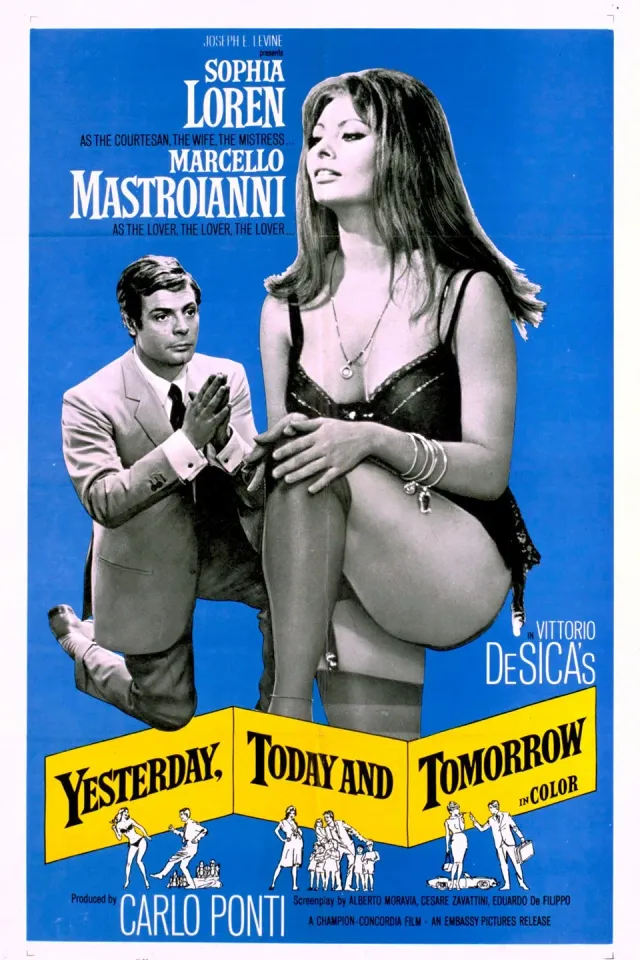
What changes The Hand of God: episodic coming-of-age scenes, sudden family loss and reflective departure. Yesterday, Today and Tomorrow: triptych.
Vittorio De Sica’s comedy follows Sophia Loren and Marcello Mastroianni through three separate stories set in different parts of Italy. In Naples, Adelina’s cigarette smuggling and repeated pregnancies complicate her effort to avoid prison. In Milan, wealthy Anna grows restless during a drive with her lover. In Rome, sex worker Mara’s relationship with a young seminarian is interrupted by a promise that tests her generosity. The recurring performers and contrasting social worlds give the film a triptych structure, moving from street-level survival to wealth, desire and romantic comedy. The recurring stars make the changing roles part of the movie’s comic design.
Based on recorded story, mood and style. Your preferences can change the order.
Coming of age · Memory and identity
What changes The Hand of God: episodic coming-of-age scenes, sudden family loss and reflective departure. La Bamba: coming-of-age progression, performance set pieces, parallel family drama and biographical tragedy.
Growing up in a poor Mexican-American family in California, teenager Ritchie Valens dreams of making rock-and-roll music. His half-brother Bob returns from jail and brings instability into their household, but the family moves south and Ritchie begins performing with local musicians. He catches the attention of a manager, signs a recording deal and develops a relationship with Donna Ludwig as his songs reach a national audience. Success changes the family’s finances and intensifies Bob’s jealousy and personal struggles. The film follows Ritchie’s rapid rise from school performances to touring, placing the promise of his career beside the family tensions and the fatal 1959 plane crash that ended his life.
Based on recorded story, mood and style. Your preferences can change the order.
What changes The Hand of God: episodic coming-of-age scenes, sudden family loss and reflective departure. Florence Foster Jenkins: gentle and character-led.
New York socialite Florence Foster Jenkins loves music and performs despite having little vocal ability. Her husband and manager St. Clair Bayfield carefully manages what she hears about her singing, while pianist Cosmé McMoon tries to support her without abandoning his own judgment. Stephen Frears's period comedy-drama treats Florence's ambition with affection, exploring how performance, devotion, illness, and the protection of a cherished dream can coexist uneasily.
Based on recorded story, mood and style. Your preferences can change the order.
Coming of age
What changes The Hand of God: episodic coming-of-age scenes, sudden family loss and reflective departure. The Lizzie McGuire Movie: escalating and adventure-led.
On a school trip to Rome, an American teenager is mistaken for an Italian pop star and swept into a performance opportunity that offers instant attention. The mix-up tests her friendship with the real performer and the identity she has built among classmates back home. The film extends a television coming-of-age story into travel comedy, treating self-confidence as something more durable than being recognized by strangers.
Based on recorded story, mood and style. Your preferences can change the order.
Coming of age
What changes The Hand of God: episodic coming-of-age scenes, sudden family loss and reflective departure. Everybody Wants Some!!: episodic hangouts, conversational flow and loose weekend structure.
In fall 1980, freshman pitcher Jake Bradford moves into a house shared by college baseball teammates just before classes begin. Over a few days, he meets the upperclassmen, joins their parties and games, and starts a tentative romance with theater student Beverly. The characters try on different social scenes and ideas of adulthood while enjoying the freedom before the season and academic year begin. Richard Linklater's comedy is a loose ensemble coming-of-age story, built from conversations, music, and the small rituals of a team settling into a new campus life.
Based on recorded story, mood and style. Your preferences can change the order.
Memory and identity
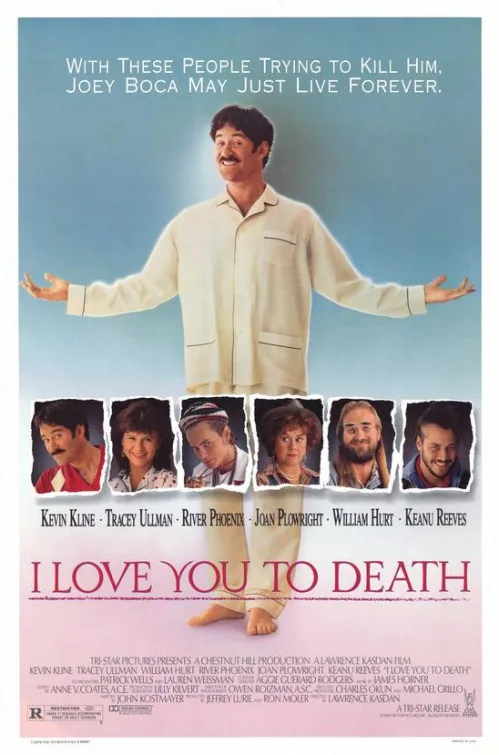
What changes The Hand of God: episodic coming-of-age scenes, sudden family loss and reflective departure. I Love You to Death: farce escalates through repeated schemes.
Pizza-parlor owner Joey Boca is habitually unfaithful, and his wife Rosalie eventually learns that his promises cannot be trusted. Her mother and a young admirer encourage a desperate plan to end the marriage permanently, but their attempts at murder become increasingly inept and entangled. The comedy draws on a real attempted murder case while keeping its attention on an eccentric household and the fallout of betrayal.
Based on recorded story, mood and style. Your preferences can change the order.
Memory and identity
What changes The Hand of God: episodic coming-of-age scenes, sudden family loss and reflective departure. Kajillionaire: a succession of small schemes gives way to personal choices.
Old Dolio lives with her parents, Robert and Theresa, who have built their lives around small cons and petty theft. When they bring Melanie into a scheme, the newcomer’s warmth exposes the family’s emotional neglect and the limits of their shared routines. Miranda July’s crime comedy follows Old Dolio’s tentative movement toward connection and independence, treating affection as something unfamiliar rather than automatically available.
Teenager Fabietto Schisa grows up in 1980s Naples surrounded by eccentric relatives, neighborhood rituals, and his parents' complicated marriage. The arrival of soccer star Diego Maradona brings excitement to the city, while Fabietto dreams of film and watches his older brother pursue acting. A family tragedy abruptly changes his life and forces him to seek a future beyond the home he knew. Paolo Sorrentino's semi-autobiographical drama blends local memory, humor, sexuality, and grief into a portrait of adolescence shaped by place and loss.
What drives the story
Fabietto's ordinary adolescent discoveries are interrupted by a loss that makes his future and artistic interests newly urgent.
The people at its centre
His closeness to his family coexists with their secrets and eccentric habits, while his brother models a different creative path.
What it feels like
A personal coming-of-age film combines exuberant local color, surreal humor, and a deeply felt turn toward grief.
Worth knowing
It is a stylized autobiographical memory of Naples and youth, rather than a sports biography of Maradona.
adolescence and vocationfamily and griefmemory and place
Mood
nostalgic · sensuous · sorrowful
Pacing
episodic coming-of-age scenes · sudden family loss · reflective departure
Visual style
sunlit Naples imagery · dreamlike neighborhood tableaux · period music and color
Storytelling
teen grows up in eccentric Naples family · Maradona's arrival becomes communal event · tragedy redirects artistic ambition