Based on recorded story, mood and style. Your preferences can change the order.
Music and performance · Memory and identity
What changes The History of Sound: measured, episodic and reflective. Brown Sugar: conversational and episodic.
Two lifelong friends connected by their love of hip-hop begin to reconsider their relationship as careers and other romances shift. Their shared musical history keeps drawing them together even when timing and professional ambition pull them apart. The romance treats music as an archive of intimacy, linking personal memory with a culture the characters helped build. Songs, city settings and easy banter create a warm romantic-comedy atmosphere rooted in creative work.
Based on recorded story, mood and style. Your preferences can change the order.
Music and performance
What changes The History of Sound: measured, episodic and reflective. Begin Again: song-led and steady.
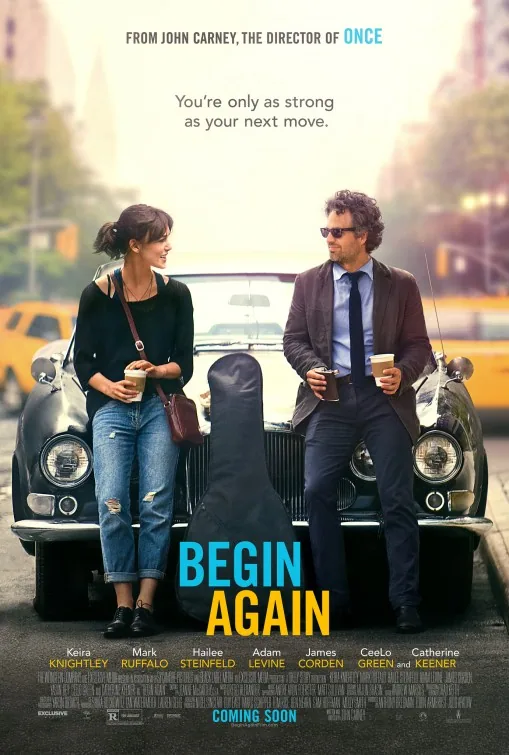
After a record executive loses his job and a songwriter is hurt by her partner's sudden success, the two meet in a New York bar and imagine making an album outside the usual studio system. They recruit musicians to record across the city, turning streets and rooftops into temporary performance spaces. John Carney's musical drama links creative renewal to collaboration, friendship and the willingness to start without certainty.
Based on recorded story, mood and style. Your preferences can change the order.
Music and performance · Memory and identity
What changes The History of Sound: measured, episodic and reflective. The Ballad of Wallis Island: invitation brings the musicians to the island, rehearsals reveal old tensions and concert forces an emotional reckoning.
Charles, an eccentric lottery winner living alone on a remote island, invites his favorite folk musicians to reunite for a private concert. The pair, Herb McGwyer and Nell Mortimer, were once musical partners and lovers, but old tensions remain beneath their polished performances. Charles hopes the show will recreate the past he treasures, while the musicians must decide how much of their former relationship can be revived. This gentle British comedy-drama uses a secluded island, live music, and awkward hospitality to explore nostalgia, artistic identity, and the limits of trying to stage a perfect memory.
Based on recorded story, mood and style. Your preferences can change the order.
Music and performance · Memory and identity
What changes The History of Sound: measured, episodic and reflective. Rent: ensemble introduction, episodic year-in-the-life structure and musical emotional peaks.
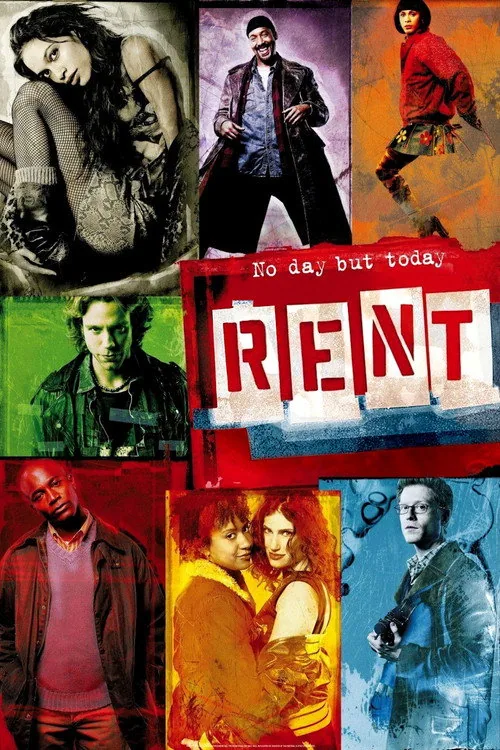
A close circle of artists and friends in New York's East Village face rent pressure, uncertain work, illness, and changing relationships during the late 1980s and early 1990s. Filmmaker Mark documents the people around him, while his roommate Roger struggles to write music after personal loss. Their group includes dancer Mimi, professor Collins, performer Angel, activist Maureen, lawyer Joanne, and former friend Benny, whose property plans threaten their community. The musical follows a year shaped by love, art, and survival.
Based on recorded story, mood and style. Your preferences can change the order.
Music and performance
What changes The History of Sound: measured, episodic and reflective. Camp Rock: fast.
A teenager gains access to an expensive music camp because her mother takes a catering job there, then conceals that arrangement to fit in with wealthier peers. A troubled young celebrity searching for an unidentified singing voice complicates the status hierarchy and her hopes of being heard. Maintaining the invented social story threatens the friendships and confidence that would make musical recognition worth having in the first place.
Based on recorded story, mood and style. Your preferences can change the order.
Family and care · Memory and identity
What changes The History of Sound: measured, episodic and reflective. The Piano Lesson: dialogue-driven, escalating and contained.
In 1930s Pittsburgh, siblings Boy Willie and Berniece disagree over the family piano, whose carved surface records their ancestors' history. Boy Willie wants to sell it to buy land connected to their family's past, while Berniece refuses to part with an object she sees as both inheritance and memorial. As relatives gather in the house, old grievances and a supernatural presence sharpen the conflict between material opportunity, memory and the cost of keeping family history alive.
Based on recorded story, mood and style. Your preferences can change the order.
Memory and identity
What changes The History of Sound: measured, episodic and reflective. Before Midnight: conversational and real-time.
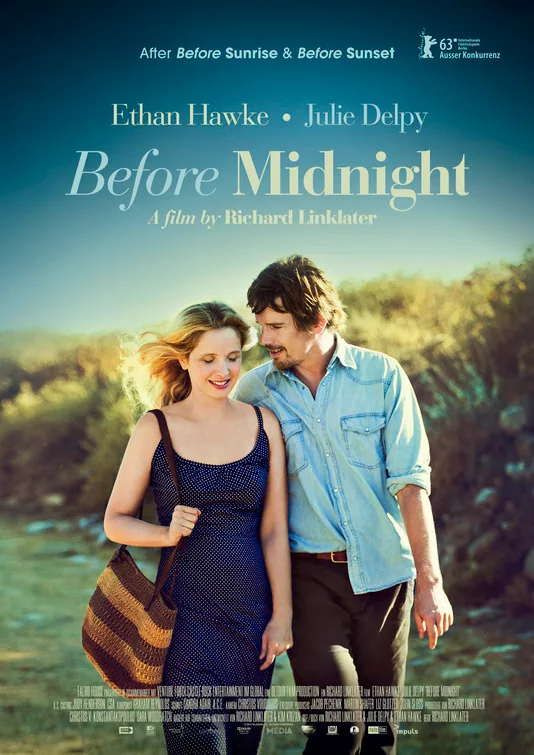
Nearly two decades after meeting on a train, Jesse and Céline are living in Greece with their twin daughters and negotiating the practical pressures of a long relationship. A holiday with friends gives them time alone, but a disagreement over work, family and the future becomes difficult to contain. Richard Linklater's drama lets conversation expose both the durability and vulnerability of their partnership.
Based on recorded story, mood and style. Your preferences can change the order.
Music and performance
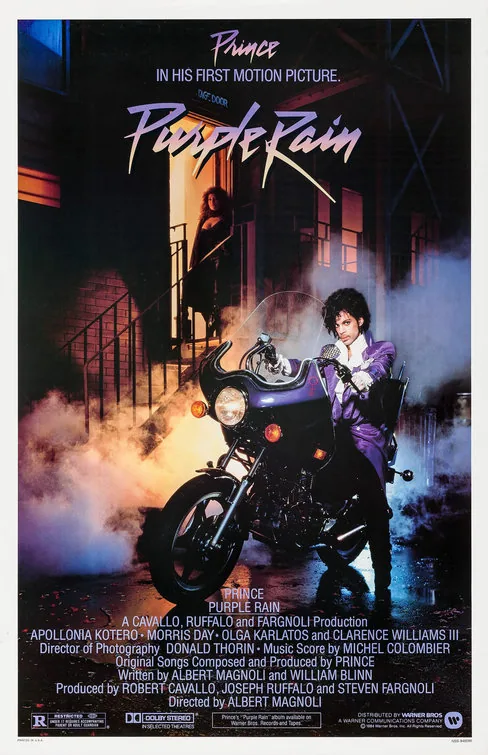
What changes The History of Sound: measured, episodic and reflective. Purple Rain: performance-led and episodic.
Known as the Kid, a gifted Minneapolis club musician pours his ambition and anger into performances while struggling with a volatile home life and a strained relationship with Apollonia. Rival performer Morris Day and the Revolution's internal tensions add pressure to an already precarious creative life. The story is partly organized around live music: songs reveal emotional states and relationships that dialogue alone cannot settle, making the performances inseparable from the drama.
Based on recorded story, mood and style. Your preferences can change the order.
Music and performance · Memory and identity
What changes The History of Sound: measured, episodic and reflective. Yesterday: gentle build with comic detours.
After a brief worldwide blackout, struggling musician Jack Malik wakes to discover that nobody remembers the Beatles or their songs. He begins performing their music to an amazed public, gaining attention that forces him to weigh recognition against honesty and the relationships he has neglected. The romantic comedy builds its fantasy around familiar songs, asking how success changes when its source is misrepresented.
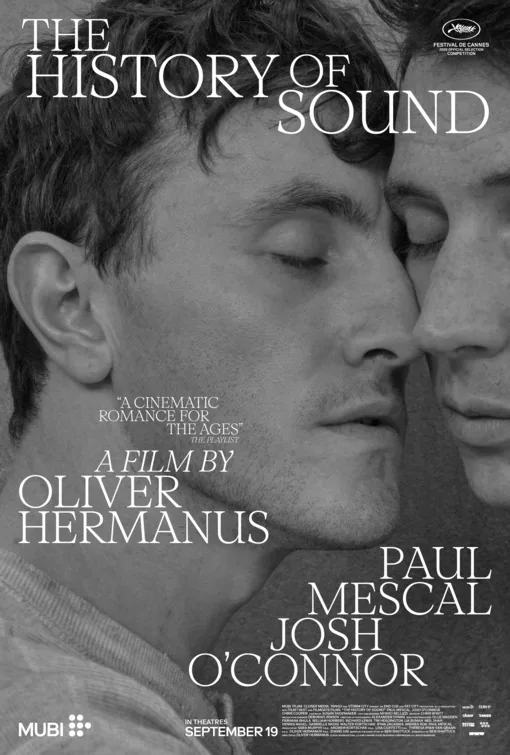
In the early twentieth century, music students Lionel and David travel through rural New England to record folk songs before the people who perform them disappear. Their work brings them into close contact with communities and with each other, beginning a relationship shaped by music, distance and historical change. Oliver Hermanus adapts Ben Shattuck's story as a romance about what can be preserved through sound and what remains private.
What drives the story
Two music students travel to collect folk songs and form a bond during a changing era.
The people at its centre
Lionel and David share work and affection while circumstance gradually pulls their lives apart.
What it feels like
Recorded songs give memory a physical trace that can outlast the relationship behind them.
Worth knowing
The romance grows through shared listening and time rather than a conventional plot puzzle.