Based on recorded story, mood and style. Your preferences can change the order.
Memory and identity
What changes The Piano Lesson: dialogue-driven, escalating and contained. The Last Black Man in San Francisco: episodic observation and emotional break.
Jimmie Fails and his closest friend Montgomery live with Mont’s grandfather in a changing San Francisco neighborhood. Jimmie believes a Victorian house in the Fillmore district was built by his family and returns to maintain its exterior while another couple lives there. When the house becomes available after a family dispute, Jimmie and Mont move in and begin restoring it, but their claim to the home proves less secure than Jimmie imagined. The pair’s routines and conversations unfold against rising rents, displacement and changing neighborhood life. As they try to make a home out of memory, Mont’s writing and Jimmie’s attachment to the house pull their friendship in different directions.
Based on recorded story, mood and style. Your preferences can change the order.
Family and care · Memory and identity
What changes The Piano Lesson: dialogue-driven, escalating and contained. The History of Sound: measured, episodic and reflective.
In the early twentieth century, music students Lionel and David travel through rural New England to record folk songs before the people who perform them disappear. Their work brings them into close contact with communities and with each other, beginning a relationship shaped by music, distance and historical change. Oliver Hermanus adapts Ben Shattuck's story as a romance about what can be preserved through sound and what remains private.
Based on recorded story, mood and style. Your preferences can change the order.
Family and care
What changes The Piano Lesson: dialogue-driven, escalating and contained. The Tender Bar: jr moves between home, school and the bar and receiving different ideas about responsibility and success as he grows older..
Growing up on Long Island, JR lives with his mother and her family after his father, a radio DJ, fails to remain present in his life. At his uncle Charlie’s neighborhood bar, he finds a circle of adults who share advice, stories and a sense of belonging. His mother’s hopes for education and his own ambitions gradually shape his route into adulthood.
Both share themes of family, plus an intimate atmosphere.
Why this matches +
Genres: Drama / Music
Shared film traits
Based on recorded story, mood and style. Your preferences can change the order.
Family and care
What changes The Piano Lesson: dialogue-driven, escalating and contained. Unsung Hero: steady, family-centered and inspirational.
David Smallbone moves his family from Australia to Nashville believing a music career can give them a new start, but financial strain quickly deepens. His wife Helen and their children adjust to a city where opportunity and instability arrive together. The faith-based biographical drama draws on the family history behind the careers of Rebecca St. James and For King & Country, focusing on persistence, belief and shared support.
Based on recorded story, mood and style. Your preferences can change the order.
Memory and identity
What changes The Piano Lesson: dialogue-driven, escalating and contained. Shine: life-stage progression, concert performance peaks and gentle recovery arc.
Pianist David Helfgott grows up in Adelaide under a father whose demanding approach to music is bound up with pride, control, and family history. David's talent takes him from local performances to advanced study abroad, but the pressure and his father's refusal to let him go contribute to a psychological breakdown. Years later, David returns to public life and begins playing again with help from people he meets. The biographical drama contrasts a gifted childhood with an adult search for music and connection.
Based on recorded story, mood and style. Your preferences can change the order.
Expect intimate and somber, with contained and dialogue-driven pacing.
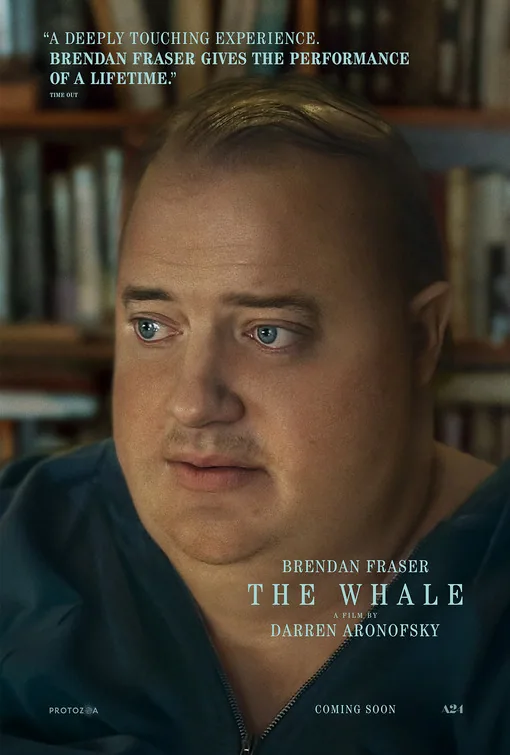
Charlie, an English teacher living with severe illness and rarely leaving his home, teaches online with his camera switched off. When he learns that his estranged teenage daughter Ellie is nearby, he tries to rebuild contact through writing lessons and an offer to help her with schoolwork. His friend and nurse Liz questions whether his attempt will repair their relationship, while missionary Thomas brings another set of beliefs into the apartment. Ellie’s anger, Charlie’s guilt and the visitors’ competing needs make each conversation difficult. The film confines its action to a few days and one home, centering a fraught effort at connection. A requested essay becomes Charlie’s way to maintain contact, but he cannot control what Ellie chooses to reveal.
Based on recorded story, mood and style. Your preferences can change the order.
Memory and identity
What changes The Piano Lesson: dialogue-driven, escalating and contained. C'mon C'mon: an episodic road structure leaves space for listening and conversation.
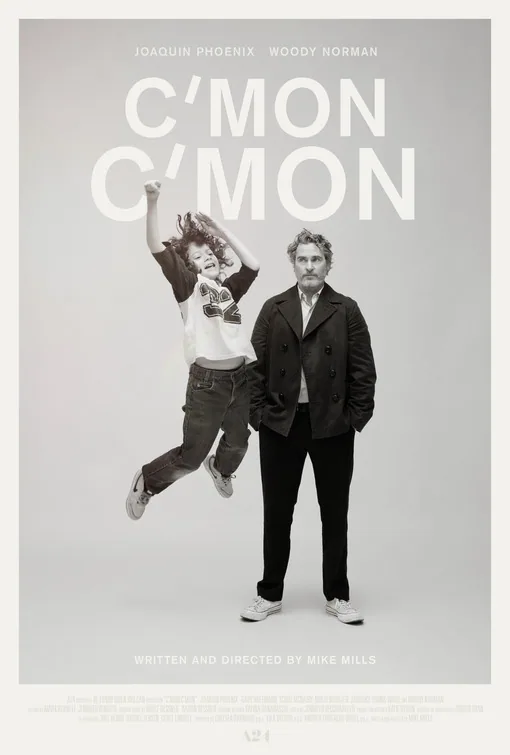
Radio journalist Johnny temporarily cares for his young nephew Jesse while his sister helps Jesse’s father manage a difficult period. Their road travels for Johnny’s interviews become an improvised relationship between an adult and a child who ask direct questions about the future. The black-and-white drama is less driven by plot than by conversation, observing grief, caregiving, and the unfamiliar rhythms that form when family members spend sustained time together.
Based on recorded story, mood and style. Your preferences can change the order.
Family and care · Power and authority
What changes The Piano Lesson: dialogue-driven, escalating and contained. Howards End: interwoven domestic and social episodes gather around the fate of the house.
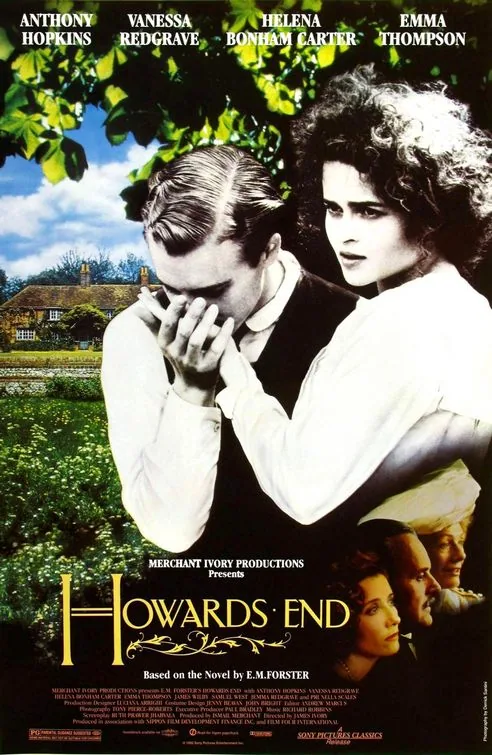
In Edwardian England, the intellectual Schlegel sisters become connected to the wealthy Wilcox family through Helen’s brief engagement to Paul and Margaret’s friendship with Ruth Wilcox. Ruth’s attachment to her childhood home, Howards End, leads her to leave the house to Margaret, but the Wilcoxes dismiss her informal wishes after her death. Henry Wilcox later marries Margaret, while the sisters also befriend Leonard Bast, a clerk whose precarious finances expose the distance between social classes. The house’s ownership becomes the point where affection, inheritance and class power converge across several intertwined family lives.
Based on recorded story, mood and style. Your preferences can change the order.
Memory and identity
What changes The Piano Lesson: dialogue-driven, escalating and contained. Lion: two-part and measured.
A small boy becomes separated from his brother and travels so far by train that the words he knows cannot guide him home. After danger and institutional care, adoption gives him a secure life in Australia, but remembered sensations later reopen the absence of the family who never learned where he went. Digital maps provide a means of searching without making memory precise. The biographical drama holds two forms of belonging together, making reunion an expansion of attachment rather than proof that one family was only a substitute.
In 1930s Pittsburgh, siblings Boy Willie and Berniece disagree over the family piano, whose carved surface records their ancestors' history. Boy Willie wants to sell it to buy land connected to their family's past, while Berniece refuses to part with an object she sees as both inheritance and memorial. As relatives gather in the house, old grievances and a supernatural presence sharpen the conflict between material opportunity, memory and the cost of keeping family history alive.
What drives the story
A brother and sister fight over whether to sell an heirloom that carries their family's history.
The people at its centre
Boy Willie sees a path to land and independence, while Berniece protects the piano as an ancestral record.
What it feels like
Performances and recurring piano imagery make a family argument feel connected to generations of loss.
Worth knowing
The chamber setting and symbolic heirloom keep the drama focused on memory and ownership, not a broad historical survey.
inheritancememoryfamily
Mood
intense · haunted · intimate · defiant
Pacing
dialogue-driven · escalating · contained
Visual style
period interiors · sculptural piano imagery · shadowed rooms · stage-like blocking
Storytelling
family chamber drama · contested heirloom · supernatural pressure · theatrical adaptation