Based on recorded story, mood and style. Your preferences can change the order.
Social hierarchy · Family and care
What changes Howards End: interwoven domestic and social episodes gather around the fate of the house. Armageddon Time: episodic, reflective, gradually sobering and observational.
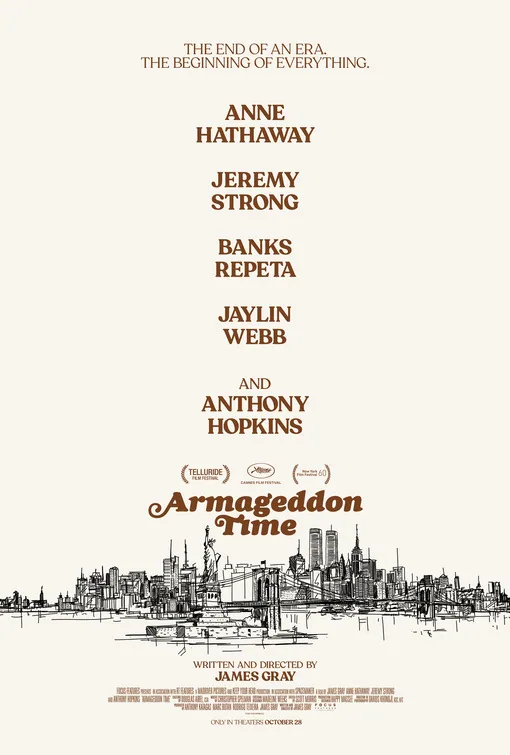
Paul Graff begins sixth grade in 1980 Queens, where his friendship with classmate Johnny grows alongside trouble at school. Paul’s family hopes to secure his future, while his grandfather encourages his artistic ambitions and offers a different account of the family’s past. When Paul is sent to a private school, the differences in opportunity and treatment between the boys become harder to ignore, turning an autobiographical coming-of-age story into a portrait of family, class and race.
Based on recorded story, mood and style. Your preferences can change the order.
Family and care · Work and ambition
What changes Howards End: interwoven domestic and social episodes gather around the fate of the house. Unsung Hero: steady, family-centered and inspirational.
David Smallbone moves his family from Australia to Nashville believing a music career can give them a new start, but financial strain quickly deepens. His wife Helen and their children adjust to a city where opportunity and instability arrive together. The faith-based biographical drama draws on the family history behind the careers of Rebecca St. James and For King & Country, focusing on persistence, belief and shared support.
Based on recorded story, mood and style. Your preferences can change the order.
Family and care · Power and authority
What changes Howards End: interwoven domestic and social episodes gather around the fate of the house. The Piano Lesson: dialogue-driven, escalating and contained.
In 1930s Pittsburgh, siblings Boy Willie and Berniece disagree over the family piano, whose carved surface records their ancestors' history. Boy Willie wants to sell it to buy land connected to their family's past, while Berniece refuses to part with an object she sees as both inheritance and memorial. As relatives gather in the house, old grievances and a supernatural presence sharpen the conflict between material opportunity, memory and the cost of keeping family history alive.
Based on recorded story, mood and style. Your preferences can change the order.
What changes Howards End: interwoven domestic and social episodes gather around the fate of the house. Blue Jasmine: measured.
After her husband Hal's fraud and death destroy their privileged life, Jasmine arrives at her sister Ginger's modest San Francisco apartment still performing the status she has lost. Memories interrupt her attempts to secure work and a new partner, exposing the lies and harm surrounding the marriage she remembers selectively. Ginger's practical support is indispensable, but Jasmine's contempt for her sister's choices makes dependence humiliating. The fractured chronology keeps the past present without turning distress into a diagnosis or a moral sentence.
Based on recorded story, mood and style. Your preferences can change the order.
Family and care
What changes Howards End: interwoven domestic and social episodes gather around the fate of the house. His Three Daughters: contained, dialogue-heavy and gradually softening.
Katie, Christina and Rachel gather in their father's New York apartment as he approaches the end of his life. They have lived with different degrees of distance from him and from one another, and the practical work of caring for him brings old resentments into the open. As the sisters wait and negotiate decisions, their compressed time together reveals competing versions of family history, responsibility and love without reducing their differences to a simple reconciliation.
Based on recorded story, mood and style. Your preferences can change the order.
Social hierarchy · Work and ambition
What changes Howards End: interwoven domestic and social episodes gather around the fate of the house. The Wife: character-led, past and present interwoven and emotional revelation.
Joan Castleman accompanies her husband, celebrated novelist Joe, to Stockholm after he receives the Nobel Prize in Literature. The ceremonies bring their adult son and an intrusive biographer into the couple’s orbit, while Joan’s frustration with the public story of Joe’s success grows. Flashbacks to their early relationship as student and professor reveal the compromises that shaped their marriage and creative partnership, raising questions about recognition, authorship, and a life spent in another person’s shadow.
Based on recorded story, mood and style. Your preferences can change the order.
Social hierarchy · Power and authority
What changes Howards End: interwoven domestic and social episodes gather around the fate of the house. Hedda: dialogue-driven, measured and escalating.
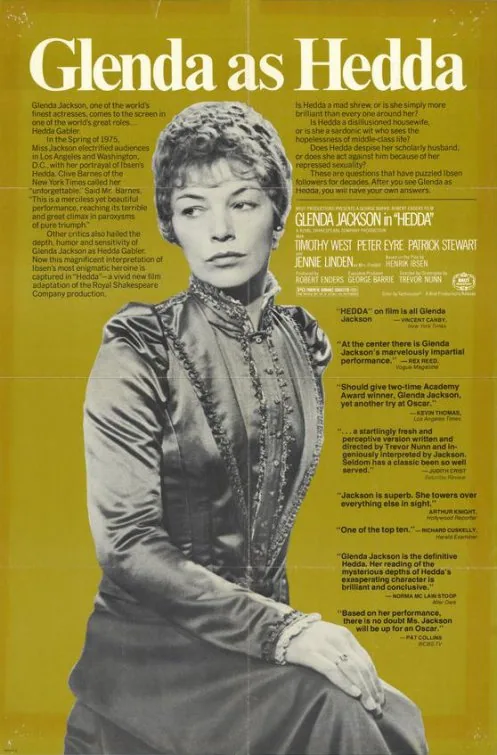
Newly married Hedda Tesman returns from her honeymoon already bored by the respectable home and financial dependence her marriage has secured. The arrival of former lover Ejlert Løvborg, now a rival to her husband George for a university position, unsettles the household. Hedda manipulates Løvborg and his collaborator Thea, destroys the manuscript that could change their futures, and tries to shape the manner of his death. Judge Brack turns her private power games into a trap.
Based on recorded story, mood and style. Your preferences can change the order.
Social hierarchy · Work and ambition
What changes Howards End: interwoven domestic and social episodes gather around the fate of the house. The Marriage of Maria Braun: measured, chapter-like, character-driven and retrospective.
Maria Berger marries Hermann Braun during a wartime air raid, then loses him to the front and the uncertainty of Germany’s defeat. Believing him dead, she finds work in the unstable postwar economy and uses her intelligence and charm to secure a future for herself and her family. A relationship with American soldier Bill brings affection as well as practical support, while Maria continues to hold onto the idea of Hermann. As she rises from precarious survival into financial success, the film links her private compromises to a country rebuilding itself and postponing its reckoning with the past.
Based on recorded story, mood and style. Your preferences can change the order.
What changes Howards End: interwoven domestic and social episodes gather around the fate of the house. Beaches: multi-stage and deliberate.
C.C. Bloom and Hilary Whitney meet as children at an Atlantic City resort despite their different backgrounds, then sustain a friendship through letters, distance and changing careers. Years later they share a New York home and confront love, jealousy, ambition and illness from very different temperaments. The story moves across decades, treating the friendship itself as the lasting relationship while the women's individual choices and losses test what loyalty can hold.
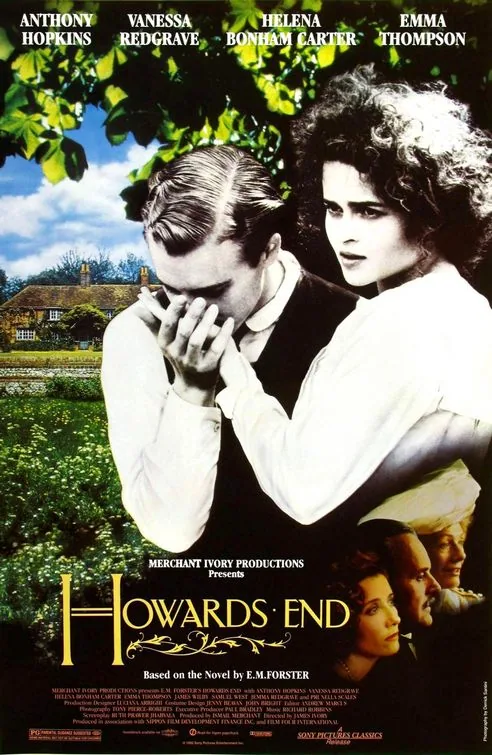
In Edwardian England, the intellectual Schlegel sisters become connected to the wealthy Wilcox family through Helen’s brief engagement to Paul and Margaret’s friendship with Ruth Wilcox. Ruth’s attachment to her childhood home, Howards End, leads her to leave the house to Margaret, but the Wilcoxes dismiss her informal wishes after her death. Henry Wilcox later marries Margaret, while the sisters also befriend Leonard Bast, a clerk whose precarious finances expose the distance between social classes. The house’s ownership becomes the point where affection, inheritance and class power converge across several intertwined family lives.
What drives the story
Ruth’s final wishes set off a dispute over the house that reveals how law and class determine whose intentions count.
The people at its centre
Margaret seeks connection across social boundaries while Helen reacts more sharply to the inequities surrounding Leonard and the Wilcoxes.
What it feels like
The period drama balances intimate family tensions with a broad view of class divisions and social responsibility.
Worth knowing
Its central structure links home, inheritance and class across two families and a vulnerable outsider.
Classinheritancefamily
Mood
Measured · humane · bittersweet · observant
Pacing
Interwoven domestic and social episodes gather around the fate of the house
Visual style
English country house · London flats and Edwardian domestic interiors
Storytelling
Two families linked by marriage and friendship; inheritance dispute; class-crossing acquaintance