Explore films connected to The Keep through War and occupation, Ancient power, Moral compromise. Choose the qualities you want to carry into your next watch.
What should feel similar?
Find your next favourite
9 films · Closest overall matches
Hide films you’ve seen or don’t want. Saved on this device.
No matches for this combination yet.
Try another option or reset your choices to see more films.
Based on recorded story, mood and style. Your preferences can change the order.
Survival
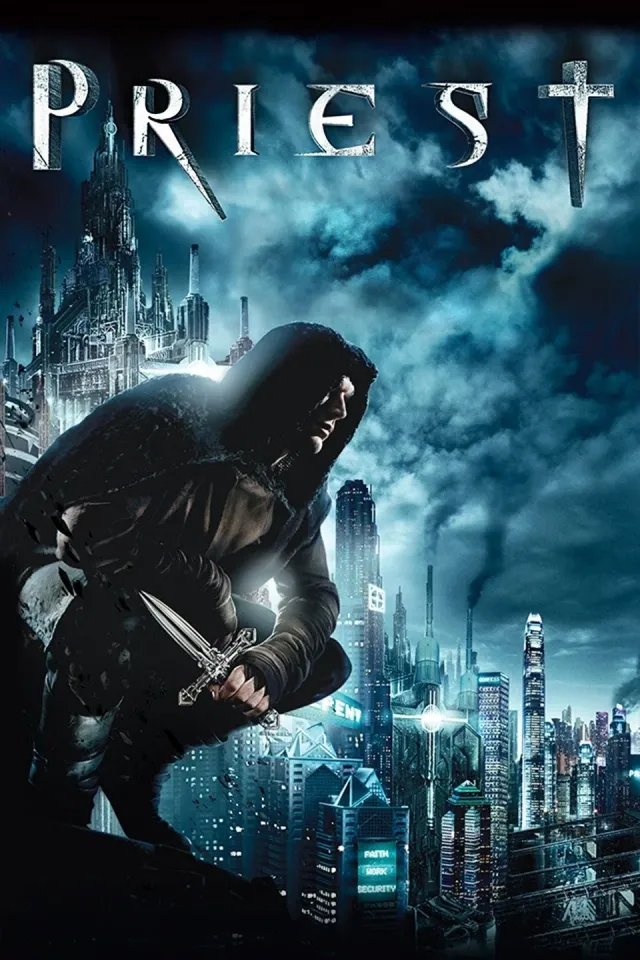
What changes The Keep: slow build, ensemble conflict, increasing supernatural threat and abrupt confrontation. Priest: quest structure with action peaks.
In a future shaped by a long war between humans and vampires, a veteran Priest leaves the safety of the walled cities when his niece is abducted. A small group joins the pursuit across a hostile landscape, confronting both vampire threats and the religious institution that once directed their lives. The science-fiction action film combines western imagery with post-apocalyptic travel, centering on duty, faith and the possibility of resisting authority.
Based on recorded story, mood and style. Your preferences can change the order.
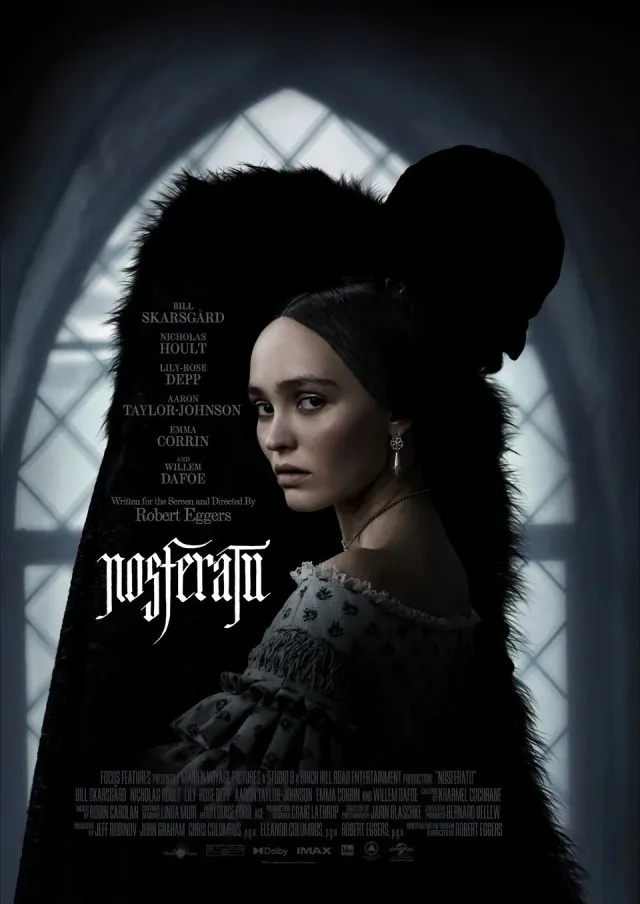
What changes The Keep: slow build, ensemble conflict, increasing supernatural threat and abrupt confrontation. Nosferatu: measured and escalating.
In nineteenth-century Germany, Thomas Hutter travels to Transylvania to complete a property deal with Count Orlok, leaving his wife Ellen troubled by visions and an earlier bond with the vampire. Orlok’s arrival in Wisborg brings plague, while Professor von Franz tries to understand the threat and Thomas struggles back from the castle. Ellen concludes that Orlok will not stop while she remains outside his reach; she invites him to feed on her through the night, keeping him there until sunrise. Her sacrifice saves the town but cannot undo the grief that preceded the attack.
Based on recorded story, mood and style. Your preferences can change the order.
War and civilian life
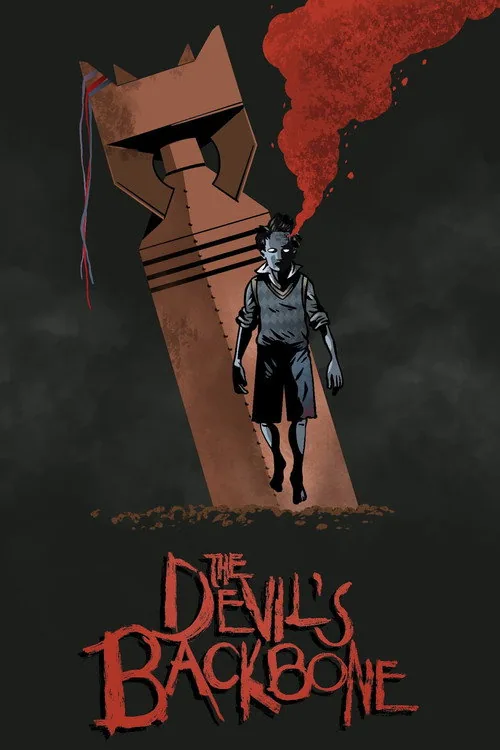
What changes The Keep: slow build, ensemble conflict, increasing supernatural threat and abrupt confrontation. The Devil's Backbone: gothic mystery, gradual supernatural revelations and historical drama escalation.
During the final years of the Spanish Civil War, young Carlos is left at a remote orphanage where other boys live under the care of a stern headmaster and a teacher. An unexploded bomb sits in the courtyard, and the ghost of a boy named Santi appears within the building. As Carlos investigates the haunting, the children confront the adults’ secrets, wartime scarcity, and the threat posed by an outsider. Guillermo del Toro’s gothic drama joins a ghost story to a history of violence and abandoned children.
Based on recorded story, mood and style. Your preferences can change the order.
Survival · Memory and identity
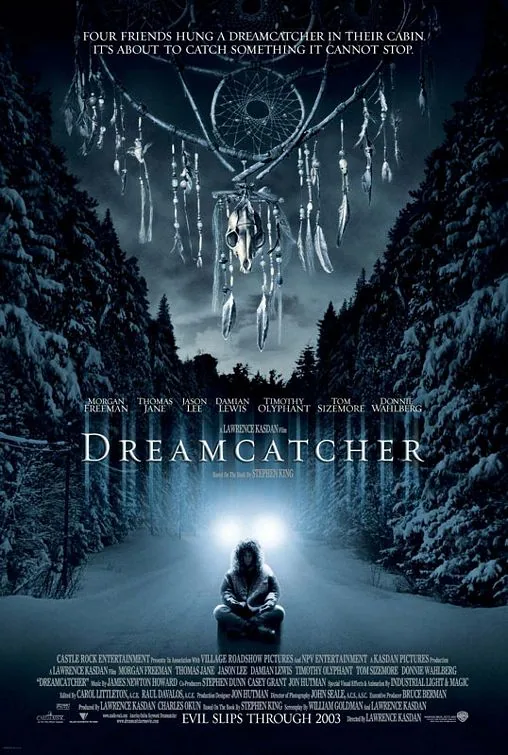
What changes The Keep: slow build, ensemble conflict, increasing supernatural threat and abrupt confrontation. Dreamcatcher: escalating and ensemble.
Four longtime friends gather for their annual trip to a remote cabin, where an encounter with a stranger brings an alien infection and military quarantine into their lives. Their childhood bond and unusual shared memories become important as the crisis spreads through the surrounding woods. The adaptation blends friendship drama, body horror and science-fiction invasion, shifting between private loyalties and the authorities’ attempt to contain a threat they do not fully understand.
Based on recorded story, mood and style. Your preferences can change the order.
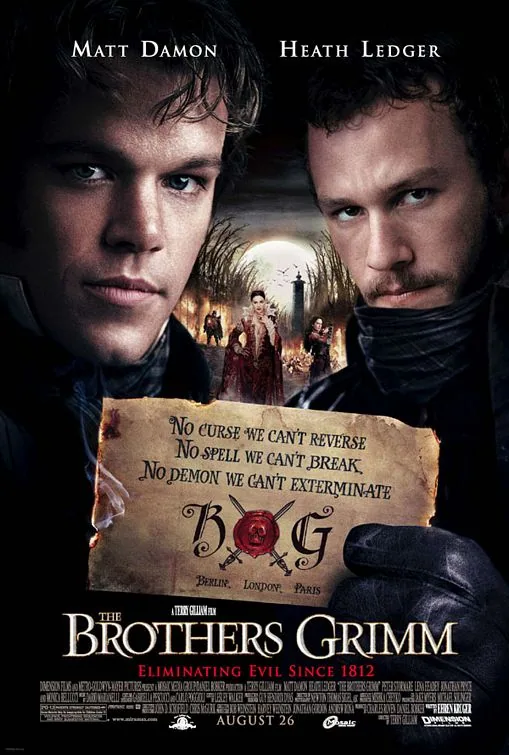
What changes The Keep: slow build, ensemble conflict, increasing supernatural threat and abrupt confrontation. The Brothers Grimm: episodic quest and mystery escalation.
In French-occupied Germany, brothers Will and Jake Grimm earn money by pretending to exorcise supernatural threats they have staged themselves. General Delatombe forces them to investigate missing girls in the village of Marbaden, where the brothers meet trapper Angelika and discover that the forest's magic is real. A queen's tower, a mirror and creatures drawn from folklore transform their fraud into a dangerous rescue. Will and Jake's different instincts are tested as they try to save the girls and confront the power behind the disappearances.
Based on recorded story, mood and style. Your preferences can change the order.
War and civilian life
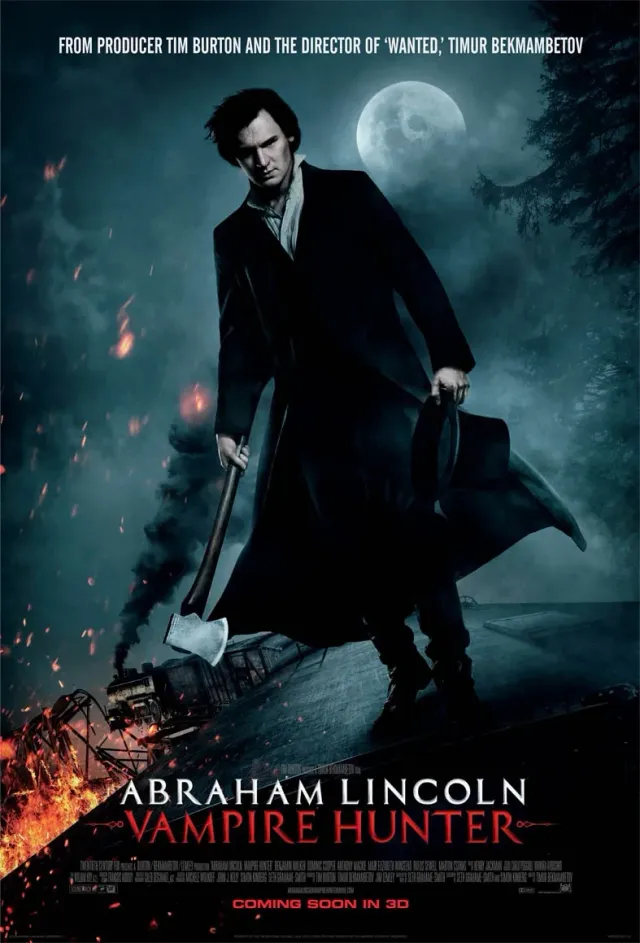
What changes The Keep: slow build, ensemble conflict, increasing supernatural threat and abrupt confrontation. Abraham Lincoln: Vampire Hunter: mission-driven and escalating.
Young Abraham Lincoln discovers that vampires are active in the United States and that his mother's death connects to their violence. Trained by Henry Sturges, he leads a double life as a politician and hunter, carrying the supernatural conflict through the Civil War. Timur Bekmambetov's fantasy action film turns Lincoln's biography into a stylized monster-fighting legend, pairing historical milestones with a fictional secret war.
Based on recorded story, mood and style. Your preferences can change the order.
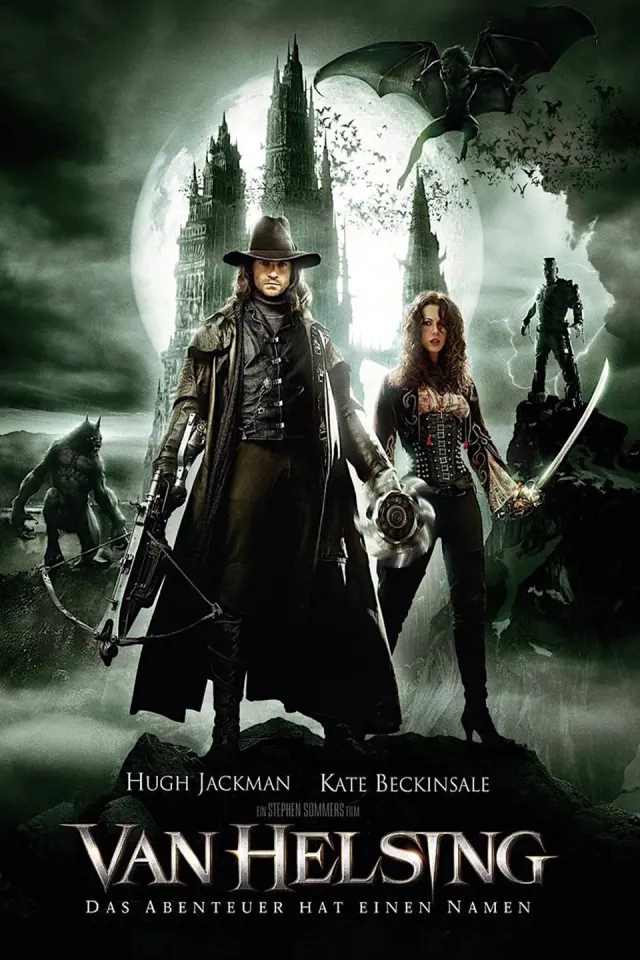
What changes The Keep: slow build, ensemble conflict, increasing supernatural threat and abrupt confrontation. Van Helsing: quest structure and escalating encounters.
Monster hunter Gabriel Van Helsing is sent by the Vatican to Transylvania, where Anna Valerious is trying to stop Count Dracula from destroying her family. Dracula’s plan depends on bringing his unborn offspring to life, and Frankenstein’s creature may hold the key. Van Helsing’s assignment becomes tangled with Anna’s family duty, his own missing memories and the werewolf curse that ties him to Dracula’s world. The pair move through castles and laboratories where familiar Gothic monsters are connected by one expanding adventure plot. The film treats its classic creatures as pieces of an action spectacle rather than as separate literary studies, using their intersecting histories to build a monster-hunting quest.
Based on recorded story, mood and style. Your preferences can change the order.
Memory and identity
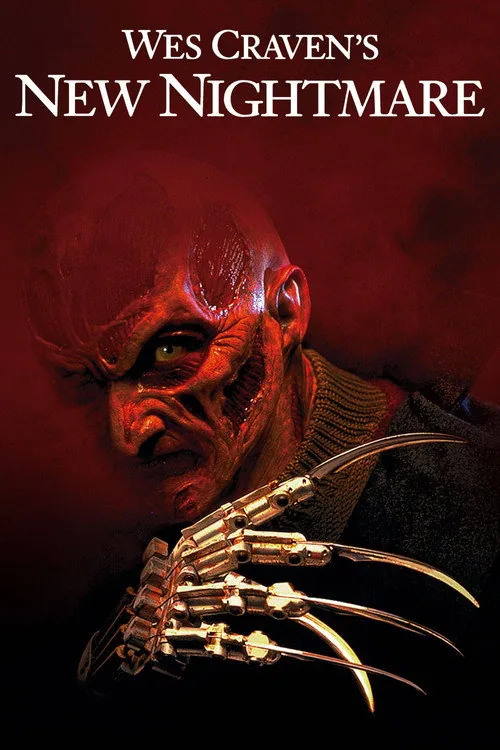
What changes The Keep: slow build, ensemble conflict, increasing supernatural threat and abrupt confrontation. Wes Craven's New Nightmare: gradual reality slippage and nightmare-driven escalation.
Heather Langenkamp, playing a version of herself, begins experiencing frightening events as Wes Craven develops a new Nightmare on Elm Street film. The lines between a movie production, an actor’s family life, and the fictional Freddy Krueger start to blur, making the horror story comment on the franchise that created it. Craven’s meta-sequel brings back cast and crew from the original film while turning the familiar slasher figure into a threat that seems to cross into the performers’ world. It works both as a nightmare narrative and a reflection on horror storytelling.
Based on recorded story, mood and style. Your preferences can change the order.
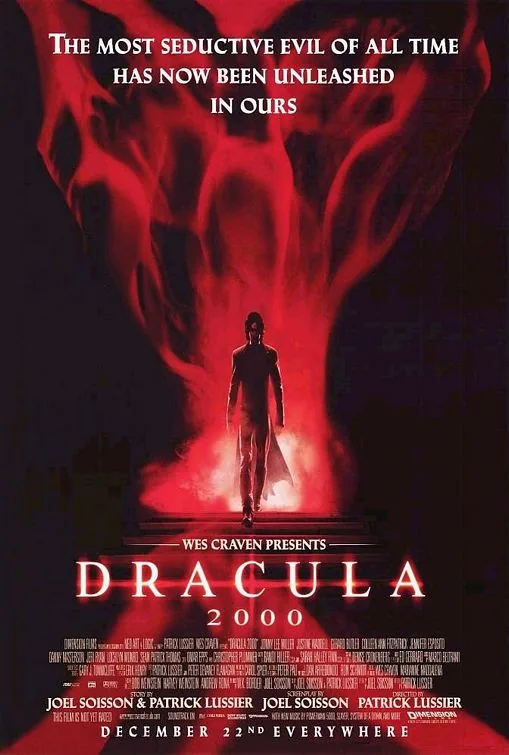
What changes The Keep: slow build, ensemble conflict, increasing supernatural threat and abrupt confrontation. Dracula 2000: escalating and suspense-led.
When a group of thieves accidentally releases Dracula from a sealed vault, the vampire heads toward New Orleans and a young woman connected to the people who once imprisoned him. Vampire hunter Abraham Van Helsing and his allies pursue the creature as the threat spreads through the city. The film combines a modern setting with gothic horror and religious imagery, tying Dracula's return to a hidden past and the vulnerabilities that make people susceptible to his influence.
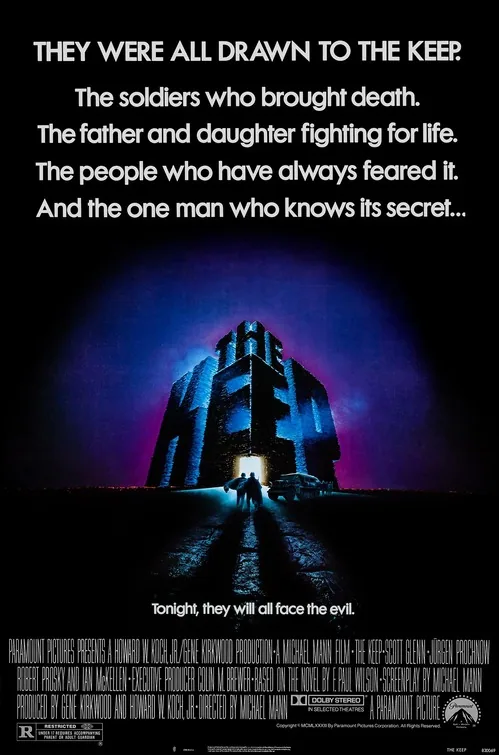
In 1941, German soldiers occupy an isolated fortress in a Romanian mountain pass and disturb a sealed chamber, releasing a supernatural being called Molasar. The entity begins killing the troops, creating conflict between Captain Woermann and the SS officer Kaempffer, whose response includes violence against local civilians. A Jewish historian, Theodore Cuza, is brought from a camp to interpret an inscription, and his daughter Eva becomes entangled with the force inside the fortress. As Molasar offers power and apparent healing, the soldiers’ attempt to control it draws occupation, supernatural threat and Cuza’s choices into the same struggle.
What drives the story
A military unit seeking a defensible position releases a presence that makes the fortress itself part of the conflict.
The people at its centre
Woermann’s restraint, Kaempffer’s cruelty and Cuza’s vulnerability create competing responses to power and occupation.
What it feels like
Darkness, architecture and an unusual musical texture make the supernatural threat feel ancient and elusive.
Worth knowing
This is a fragmented occult war fantasy about occupation and temptation, not a clear-cut military action story.