Explore films connected to The Legend of 1900 through Art and belonging, Freedom and attachment, Imagination and scale. Choose the qualities you want to carry into your next watch.
What should feel similar?
Find your next favourite
9 films · Closest overall matches
Hide films you’ve seen or don’t want. Saved on this device.
No matches for this combination yet.
Try another option or reset your choices to see more films.
Based on recorded story, mood and style. Your preferences can change the order.
Music and performance
What changes The Legend of 1900: framed recollection, musical set pieces and reflective character progression. Orfeo: dreamlike.
A solitary pianist meets Eura at the club where he performs and falls in love, only to lose her when she disappears. Following her through a mysterious doorway, he enters an imagined underworld filled with strange figures and images. Adapted from Dino Buzzati's graphic novel, this version of the Orpheus story ties romantic longing to music and handcrafted cinematic illusion.
Based on recorded story, mood and style. Your preferences can change the order.
What changes The Legend of 1900: framed recollection, musical set pieces and reflective character progression. The City of Lost Children: quest structure, episodic encounters and fairy-tale adventure.
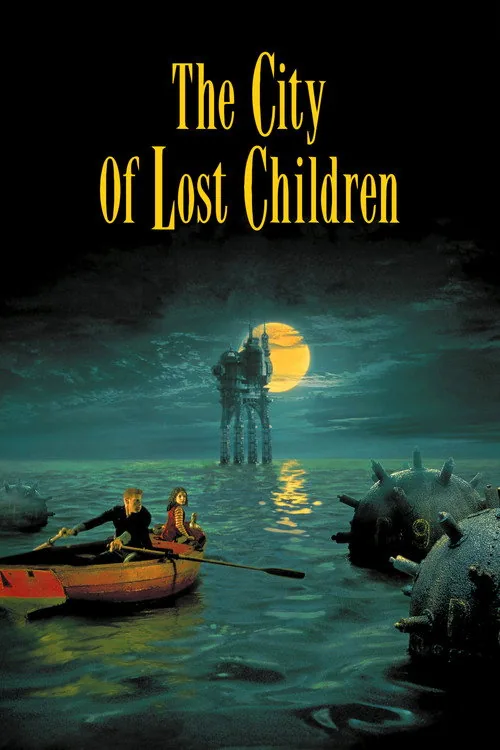
In a fantastical harbor city, the scientist Krank kidnaps children so he can steal their dreams, hoping to escape his inability to sleep. One captive is the little brother of strongman One, who joins forces with a streetwise girl named Miette to find him. Marc Caro and Jean-Pierre Jeunet’s French-language fantasy builds an eccentric world of mechanical devices, clones, sailors, and elaborate sets, mixing adventure and dark whimsy around the value of imagination and memory.
Based on recorded story, mood and style. Your preferences can change the order.
What changes The Legend of 1900: framed recollection, musical set pieces and reflective character progression. Life of Pi: measured.
A writer listens to an Indian man's account of surviving a shipwreck as a teenager, adrift in a lifeboat with a Bengal tiger. Keeping the animal at a workable distance requires routines of training, rationing and constant observation, while the ocean alternates between beauty and indifference. The framed recollection also raises questions about faith, interpretation and the role a story can play when experience resists ordinary explanation.
Based on recorded story, mood and style. Your preferences can change the order.
Music and performance
What changes The Legend of 1900: framed recollection, musical set pieces and reflective character progression. Black Orpheus: measured.
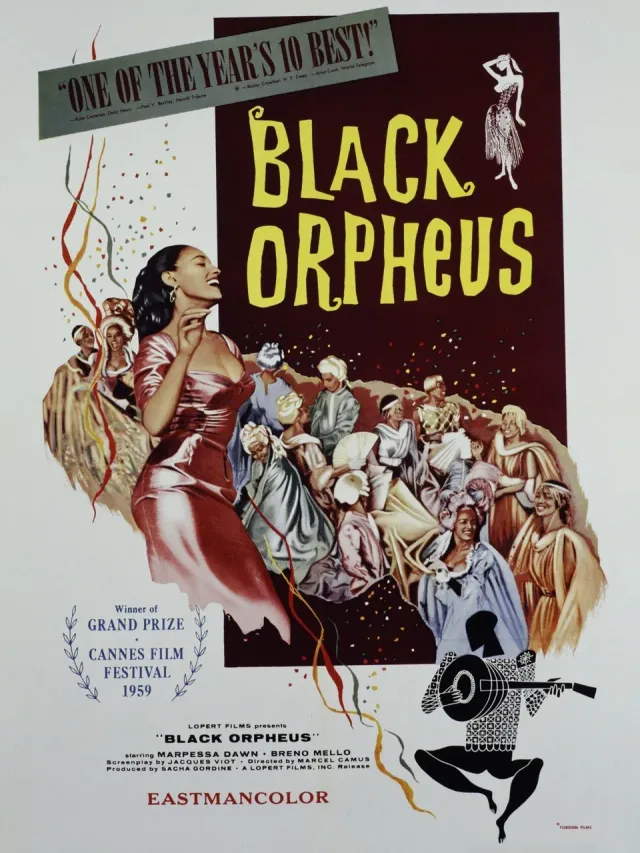
During Carnival in Rio de Janeiro, Eurydice arrives seeking refuge with a relative and meets Orfeu, a tram driver whose music makes him a celebrated part of his hillside community. Their attraction develops amid public festivity, jealousy and a death figure who pursues Eurydice. Marcel Camus adapts the Orpheus myth through Brazilian music and Carnival ritual, making the city's movement and sound central to the tragedy. The film's lyrical images are powerful, but its outsider perspective and romanticized view of Rio should not be treated as a full account of Brazilian life or the communities it depicts.
Based on recorded story, mood and style. Your preferences can change the order.
Music and performance
What changes The Legend of 1900: framed recollection, musical set pieces and reflective character progression. Into the Woods: episodic and escalating.
A baker and his wife enter a forest to assemble objects that could lift a curse preventing them from having a child. Their bargain intersects with other familiar wishes, allowing each apparent success to help produce another person's trouble. When the initial happy endings fail to remain stable, surviving characters must act without the moral simplicity the stories seemed to promise. The musical makes desire causally entangled, shifting from acquisition toward responsibility for damage that cannot be assigned to one conveniently isolated villain.
Based on recorded story, mood and style. Your preferences can change the order.
What changes The Legend of 1900: framed recollection, musical set pieces and reflective character progression. Sucker Punch: level-based action and layered reality.
After her mother's death, Babydoll is committed to a mental institution by her abusive stepfather, who arranges for her to be lobotomized. She imagines the asylum as a brothel where she and four other patients are controlled by Blue, and turns their escape plan into a series of fantasy battles. A dance becomes the entrance to imagined missions for a map, fire and a knife, while the women pursue corresponding tools in the institution. The layered realities make their plan both a rebellion and an uncertain act of imagination.
Based on recorded story, mood and style. Your preferences can change the order.
What changes The Legend of 1900: framed recollection, musical set pieces and reflective character progression. I'm Thinking of Ending Things: a trip to meet a boyfriend’s parents gradually reveals mismatches in memory and point of view..
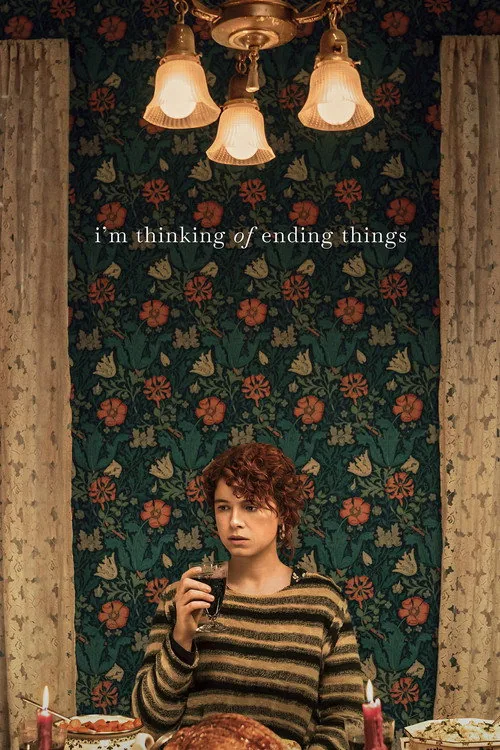
A young woman travels with her boyfriend Jake to meet his parents at their remote farmhouse, while an elderly school janitor’s workday is shown in parallel. The woman’s name, past, and account of how she met Jake shift, and the visit grows stranger as his parents change age and the couple’s drive home moves into a snowstorm. Charlie Kaufman’s adaptation of Iain Reid’s novel links the trip to the janitor’s memories and fantasies, using theatre, poetry, and film references to leave the story’s reality open to interpretation.
Based on recorded story, mood and style. Your preferences can change the order.
Coming of age
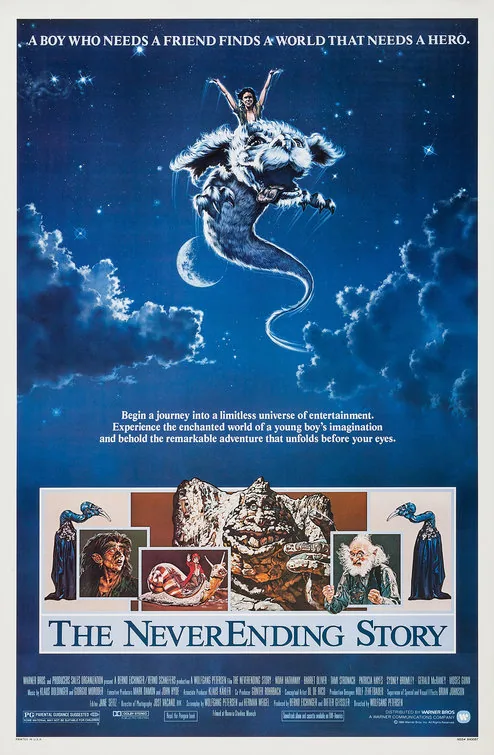
What changes The Legend of 1900: framed recollection, musical set pieces and reflective character progression. The NeverEnding Story: quest-driven and measured.
A lonely boy named Bastian hides in an old book and discovers Fantasia, a world threatened by a force called the Nothing. As the young warrior Atreyu searches for a way to save the Childlike Empress, Bastian realizes that reading has drawn him into the fate of the story. Their intertwined journeys explore how imagination can offer comfort while also asking for courage and participation.
Based on recorded story, mood and style. Your preferences can change the order.
What changes The Legend of 1900: framed recollection, musical set pieces and reflective character progression. Martian Child: gradual and character-led.
A grieving science-fiction writer begins the process of adopting a quiet boy who insists that he is from Mars. The child’s unusual beliefs and solitary routines challenge the writer’s assumptions about parenthood, while friends and professionals offer differing views about what the boy needs. The family drama uses the fantasy claim as a way to consider imagination, acceptance and the responsibilities involved in making a stable home for someone who feels different.
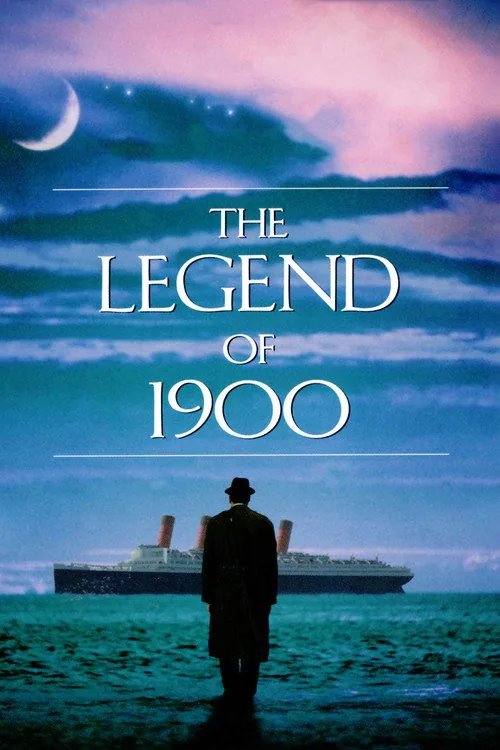
A baby is found aboard an ocean liner on New Year’s Day 1900 and raised by a crewman, growing into a gifted pianist who performs for passengers without ever stepping onto land. Known as 1900, he forms a deep friendship with trumpet player Max and becomes famous for his music, yet remains attached to the ship and uneasy about the vastness of the outside world. Giuseppe Tornatore’s English-language drama turns a life at sea into a fable about art, belonging, and choosing where home can be.
What drives the story
Max recounts how 1900’s extraordinary music and lifelong attachment to the ocean liner kept him from joining the world on land.
The people at its centre
The musician’s friendship with Max offers a bridge beyond the ship, while his own sense of home remains bound to its rooms and passengers.
What it feels like
A lyrical period fable combines piano performances, ocean-liner spectacle, and a reflective story about a life lived inside one world.
Worth knowing
Its central figure is a fictional shipboard pianist, not a historical jazz biography despite encounters with real musical traditions.
Art and belongingFreedom and attachmentImagination and scale
Mood
Lyrical · Nostalgic · Melancholy
Pacing
Framed recollection · Musical set pieces · Reflective character progression
Visual style
Grand ocean-liner interiors · Period shipboard spectacle · Romantic maritime imagery
Storytelling
Abandoned child raised aboard liner · Pianist becomes shipboard legend · Friend urges him to experience land