Explore films connected to The Lost Bus through courage under pressure, community and responsibility, disaster and survival. Choose the qualities you want to carry into your next watch.
What should feel similar?
Find your next favourite
9 films · Closest overall matches
Hide films you’ve seen or don’t want. Saved on this device.
No matches for this combination yet.
Try another option or reset your choices to see more films.
Based on recorded story, mood and style. Your preferences can change the order.
Survival
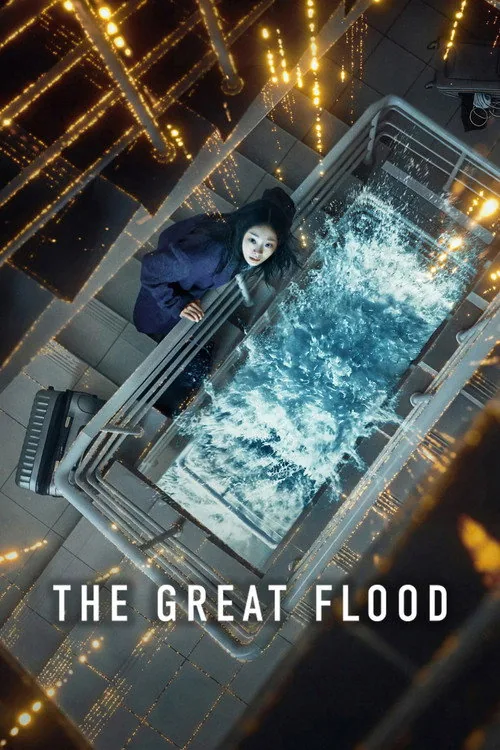
What changes The Lost Bus: rapid crisis onset, continuous evacuation pressure and survival-focused resolution. The Great Flood: flood submerges the apartment building, climb through floors becomes a rescue effort and mission broadens the disaster's meaning.
A catastrophic flood engulfs the planet and traps AI researcher An-na and her young son inside a high-rise apartment building. As water rises floor by floor, security officer Hee-jo tries to get An-na to safety because her work is tied to a crucial mission for humanity's future. The residents encounter panic, blocked routes, and urgent choices as they climb through the building. This Korean science-fiction disaster film begins as a survival struggle against rising water, then expands its premise toward questions about memory, human connection, and what might survive the end of the world.
Based on recorded story, mood and style. Your preferences can change the order.
Survival
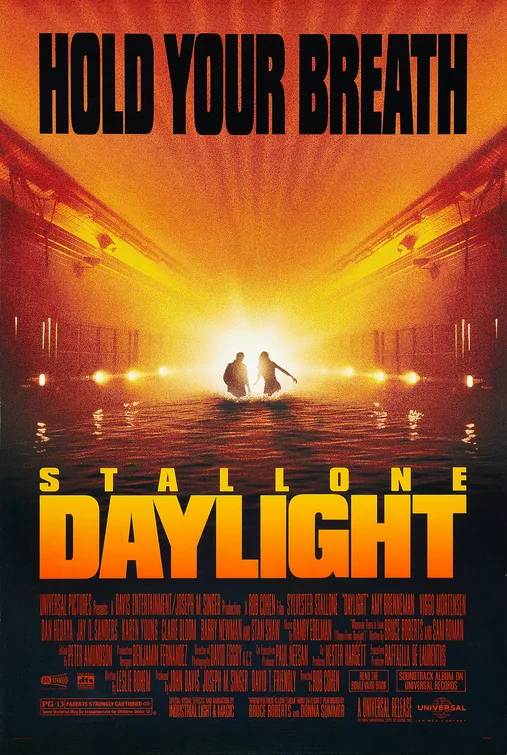
What changes The Lost Bus: rapid crisis onset, continuous evacuation pressure and survival-focused resolution. Daylight: escalating.
An explosion seals a road tunnel beneath the Hudson River, leaving a disparate group exposed to fire, contaminated air and rising water. A former emergency-services leader enters through a dangerous ventilation route, but reaching the survivors does not reveal an obvious way out. His earlier professional failure makes trust difficult, while the changing structure forces the group to abandon reassuring plans and accept that protecting everyone may require choices no single rescuer can control.
Based on recorded story, mood and style. Your preferences can change the order.
Survival
What changes The Lost Bus: rapid crisis onset, continuous evacuation pressure and survival-focused resolution. Those Who Wish Me Dead: fast escalation, intercut pursuits and action-driven.
Smokejumper Hannah Faber is stationed at a Montana fire lookout after a past rescue failure continues to haunt her. When forensic accountant Owen Casserly is killed while trying to protect evidence, his young son Connor reaches Hannah with assassins pursuing him. A deliberately set wildfire cuts off escape routes and threatens nearby homes, forcing Hannah and a local family to navigate both human danger and a fast-moving natural disaster. Taylor Sheridan’s action thriller combines wilderness survival, a fugitive chase, and the difficult work of finding purpose after trauma.
Based on recorded story, mood and style. Your preferences can change the order.
Survival
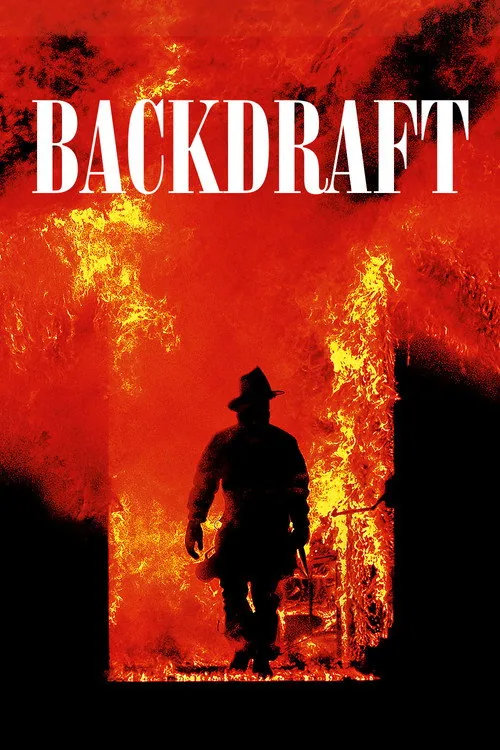
What changes The Lost Bus: rapid crisis onset, continuous evacuation pressure and survival-focused resolution. Backdraft: interwoven, procedural and intensifying.
Firefighter Brian McCaffrey returns to Chicago Engine 17 and works in the shadow of his experienced older brother Stephen, whose dangerous methods worry colleagues and family. A series of explosive fires draws veteran firefighter and arson investigator Donald Rimgale into a search for the person setting them. As Brian assists, the brothers confront old grief, competing loyalties, and job risks. Ron Howard’s action drama combines firefighting spectacle with family conflict and an arson mystery.
Based on recorded story, mood and style. Your preferences can change the order.
Survival
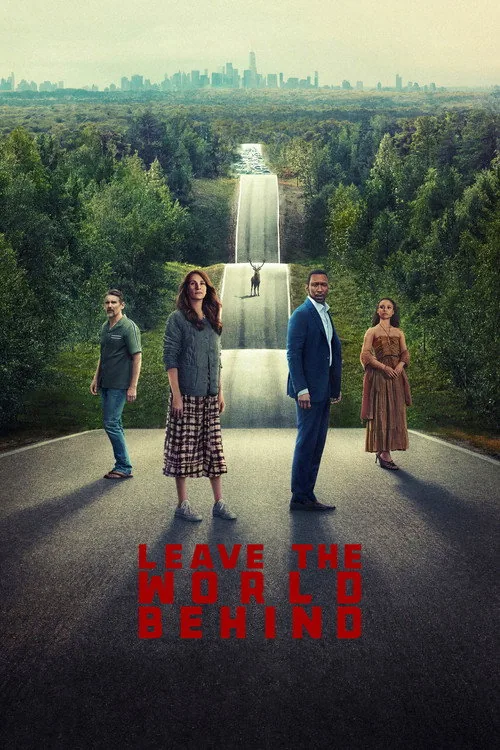
What changes The Lost Bus: rapid crisis onset, continuous evacuation pressure and survival-focused resolution. Leave the World Behind: slow accumulation of disruptions.
A family’s rental-house holiday is unsettled when television and internet service fail, a tanker runs aground nearby, and the home’s owners arrive seeking shelter. As more signs suggest a coordinated crisis, the strangers must decide what to believe about one another without reliable news or communication. The psychological thriller keeps the source and scale of the emergency uncertain, using a domestic refuge to examine trust, fear, and social fracture.
Based on recorded story, mood and style. Your preferences can change the order.
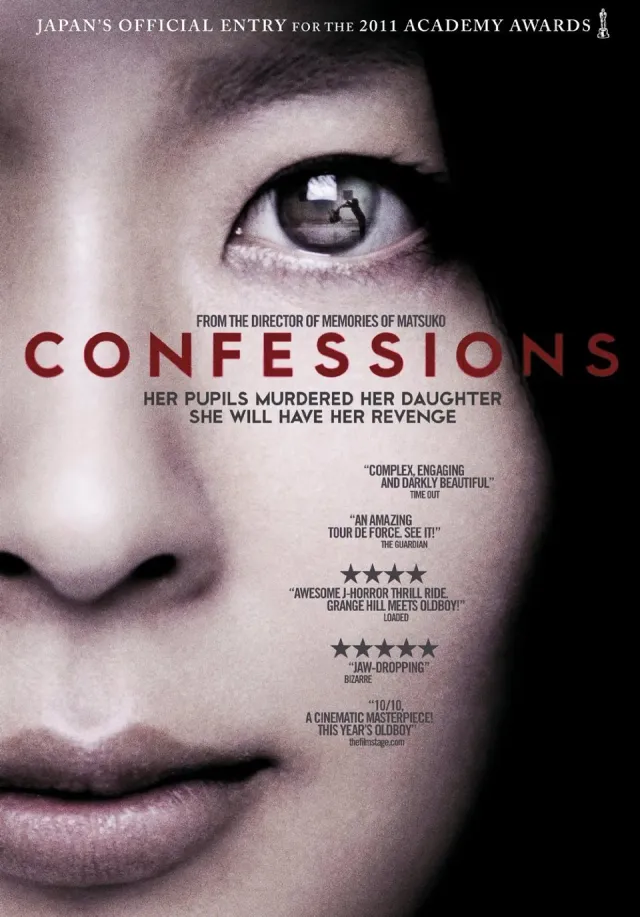
What changes The Lost Bus: rapid crisis onset, continuous evacuation pressure and survival-focused resolution. Confessions: chaptered, escalating and revelation-driven.
Before leaving her junior high school, teacher Yuko Moriguchi addresses her class about her daughter’s death in the school swimming pool. She says two of the students in the room were responsible and describes a deliberate response to what she sees as a failure of the justice system. The class breaks into shifting reactions as the students’ histories emerge through testimony, memory and flashback. Tetsuya Nakashima’s thriller turns school routines into a stage for revenge, guilt and contested ideas of responsibility.
Based on recorded story, mood and style. Your preferences can change the order.
Survival
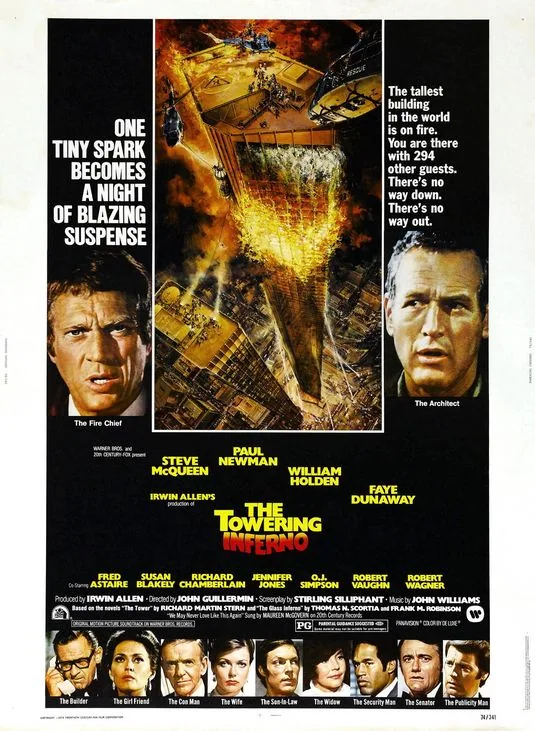
What changes The Lost Bus: rapid crisis onset, continuous evacuation pressure and survival-focused resolution. The Towering Inferno: escalating and multi-character.
Architect Doug Roberts returns to San Francisco for the opening of the Glass Tower, the world's tallest skyscraper, and worries that the electrical wiring does not meet his specifications. A small fire begins in the building during the gala, where hundreds of guests are gathered high above the street. Fire Chief Michael O'Hallorhan and Roberts must coordinate rescue efforts across a structure whose height, smoke and locked spaces frustrate ordinary firefighting. The developer's cost-cutting decisions have turned a technical flaw into a disaster, while the trapped guests face choices about cooperation, courage and self-preservation. The ensemble story follows firefighters and civilians as the fire climbs through the building.
Based on recorded story, mood and style. Your preferences can change the order.
Survival
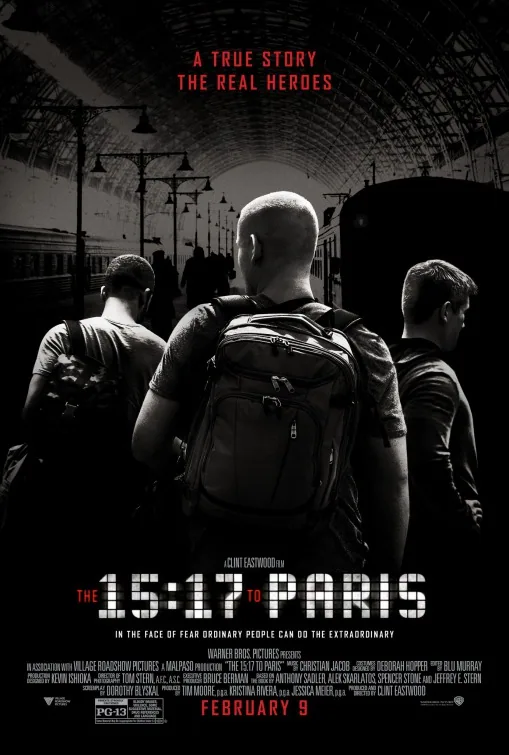
What changes The Lost Bus: rapid crisis onset, continuous evacuation pressure and survival-focused resolution. The 15:17 to Paris: biographical episodes give way to a concentrated real-time crisis.
Three childhood friends traveling through Europe are aboard a train when a gunman begins an attack. Clint Eastwood’s dramatization follows their earlier lives and military experiences before reconstructing the 2015 incident, with the three real participants playing themselves. Its structure connects ordinary preparation to a sudden public crisis, emphasizing the limits of prediction and the decisive consequences of acting under pressure.
Based on recorded story, mood and style. Your preferences can change the order.
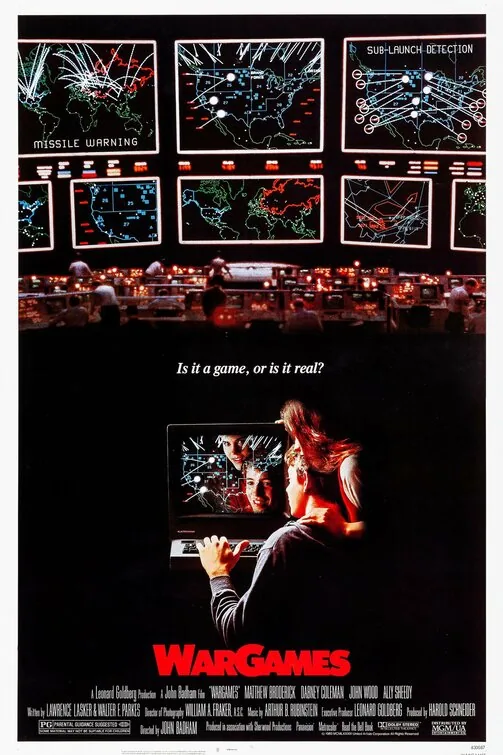
What changes The Lost Bus: rapid crisis onset, continuous evacuation pressure and survival-focused resolution. WarGames: teen adventure to countdown.
Seattle teenager David Lightman tries to access a video-game company and instead connects to WOPR, a military computer designed to simulate nuclear conflict. Thinking he has found a game, David invites it to play Global Thermonuclear War; the system’s military operators then struggle to determine whether a Soviet attack is real. Jennifer joins David as they search for the computer’s designer and try to stop a simulation from becoming a launch decision. The suspense comes from civilian curiosity entering a chain of command built for speed and certainty. The adults' decision-making is slowed by protocol while WOPR compresses the crisis into a simulated outcome. David and Jennifer must reach its designer before military logic wins.
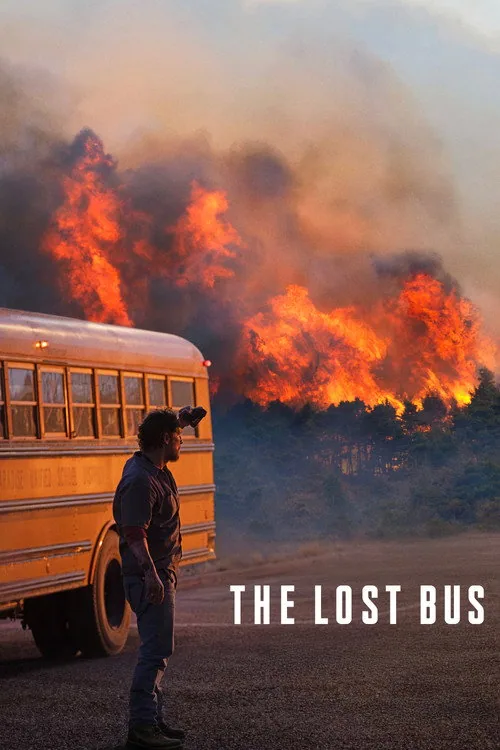
During California's 2018 Camp Fire, school-bus driver Kevin McKay and teacher Mary Ludwig try to lead a busload of children through roads threatened by rapidly spreading wildfire. Smoke, blocked routes, failing communications, and rising panic make each decision urgent as they search for a way out. The disaster drama follows their attempt to keep the students together and reach safety while families and emergency responders struggle to learn what is happening. It is based on a real evacuation account.
What drives the story
A routine school route becomes an evacuation mission as the Camp Fire closes in on the bus and its passengers.
The people at its centre
Kevin and Mary share responsibility for frightened children while trying to make decisions with incomplete information.
What it feels like
A disaster thriller uses confined bus scenes and expanding wildfire imagery to sustain a practical sense of urgency.
Worth knowing
It focuses on one school bus's real-world evacuation, rather than a large cast facing a fictional global catastrophe.
courage under pressurecommunity and responsibilitydisaster and survival