Explore films connected to The Ninth Configuration through Faith and doubt, War trauma, Reason and madness. Choose the qualities you want to carry into your next watch.
What should feel similar?
Find your next favourite
9 films · Closest overall matches
Hide films you’ve seen or don’t want. Saved on this device.
No matches for this combination yet.
Try another option or reset your choices to see more films.
Based on recorded story, mood and style. Your preferences can change the order.
War and civilian life
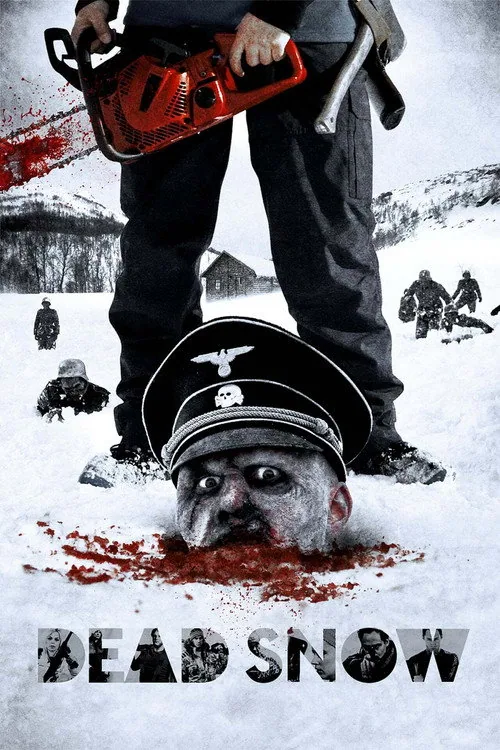
What changes The Ninth Configuration: conversation-led, gradually revealing, uneasy and violent climax. Dead Snow: slow warning and discovery, sudden splatter escalation and action-comedy survival.
A group of medical students travel to a remote Norwegian mountain cabin for an Easter holiday, where a local visitor warns them about Nazi soldiers who once hid in the area. The students discover a cache of valuables and awaken the violent undead force guarding it. Tommy Wirkola’s horror comedy turns a secluded winter getaway into a bloody survival battle, mixing zombie action with splatter humor and historical imagery. The film contains graphic gore, including attacks by Nazi zombies.
Based on recorded story, mood and style. Your preferences can change the order.
Memory and identity
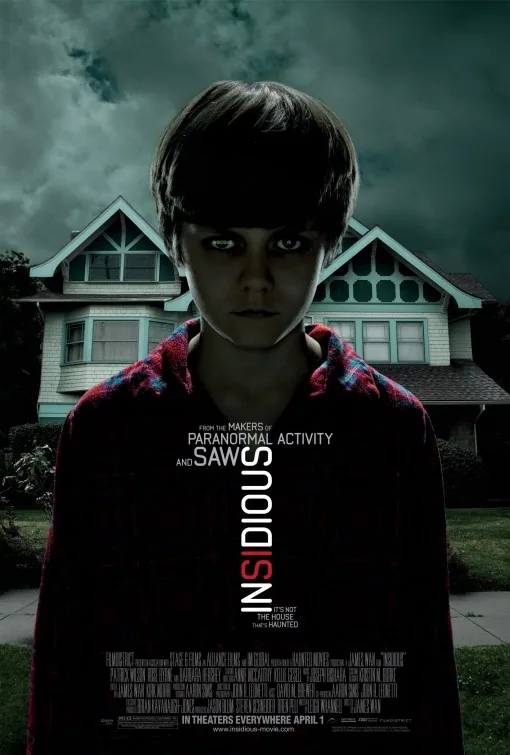
What changes The Ninth Configuration: conversation-led, gradually revealing, uneasy and violent climax. Insidious: slow burn and escalating.
A child's unexplained unresponsiveness coincides with frightening disturbances that follow his family even after they leave their house. A specialist offers an account in which his consciousness has traveled away from his body, making that body available to other presences. The proposed rescue uncovers an earlier family history that had been concealed rather than resolved. The supernatural horror shifts its threat from a dangerous property to a vulnerable relationship between body, memory and inherited ability, making moving home an inadequate escape.
Based on recorded story, mood and style. Your preferences can change the order.
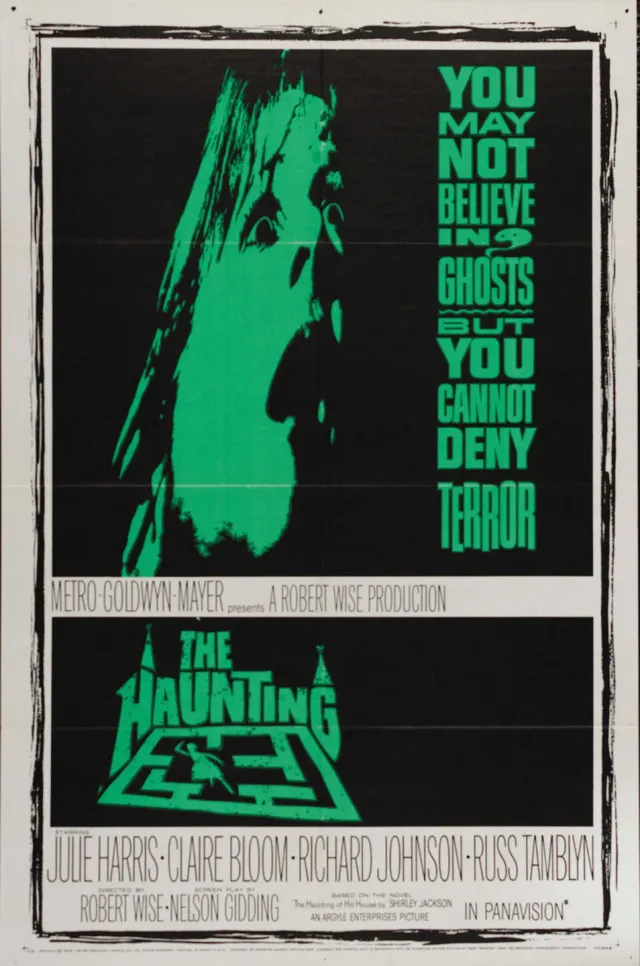
What changes The Ninth Configuration: conversation-led, gradually revealing, uneasy and violent climax. The Haunting: slow burn and building tension.
Paranormal researcher Dr. Markway invites a small group to stay at Hill House, a mansion with a disturbing history. Among his guests are Eleanor, a lonely woman eager to escape an oppressive home life, and the perceptive Theo. Strange sounds and tensions within the group make the house’s effects increasingly difficult to separate from Eleanor’s vulnerable state of mind.
Shared characteristics
Genre: Horror
Poster: Film rights holders; original promotional poster documented by Wikipedia · Image source
Based on recorded story, mood and style. Your preferences can change the order.
Power and authority
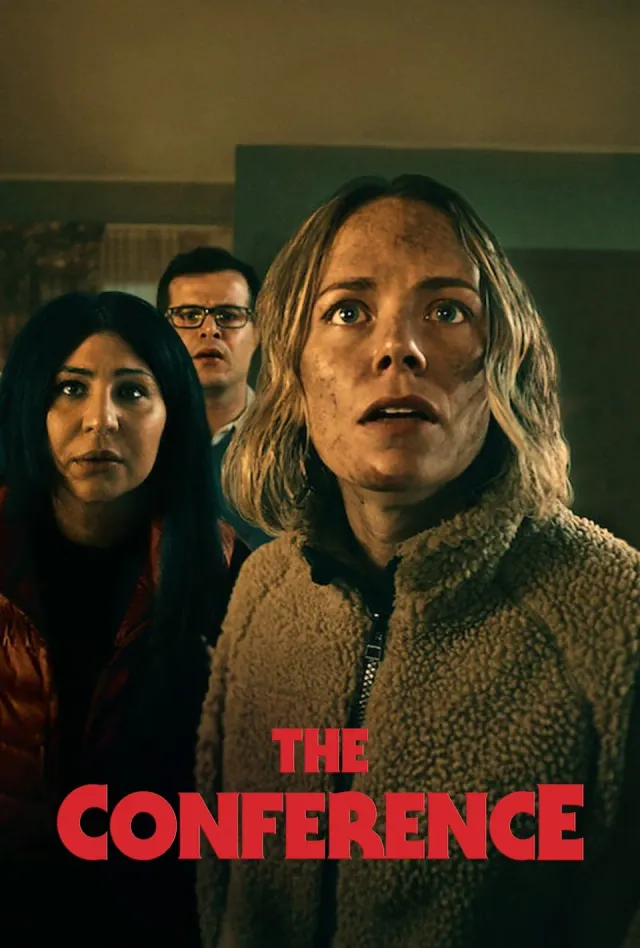
What changes The Ninth Configuration: conversation-led, gradually revealing, uneasy and violent climax. The Conference: fast, slasher-driven, ensemble-based and escalating.
Municipal employees gather at a remote conference center for team-building exercises tied to a controversial shopping-mall project in their farming community. The retreat’s strained professional relationships become more dangerous when a masked killer begins targeting members of the group. Patrik Eklund’s Swedish horror-comedy combines workplace satire, local corruption and a slasher structure, using the isolated venue to expose how management language can conceal conflicts and responsibility.
Based on recorded story, mood and style. Your preferences can change the order.
Power and authority
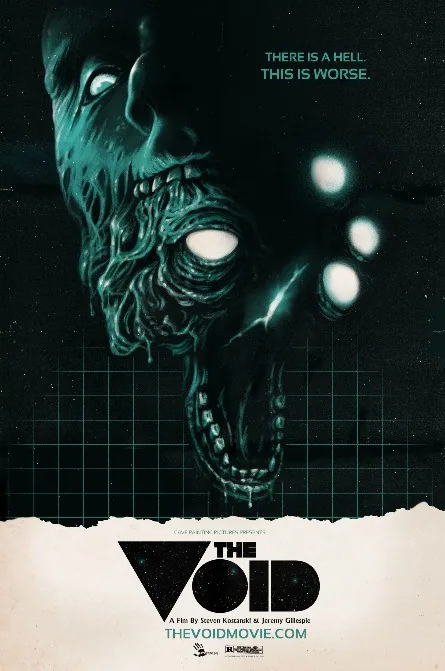
What changes The Ninth Configuration: conversation-led, gradually revealing, uneasy and violent climax. The Void: crisis-driven, rapid escalation and contained siege structure.
Police officer Daniel Carter brings an injured stranger to a nearly empty hospital on the edge of town. Once inside, patients and staff find themselves surrounded by hooded figures and cut off from help. As disturbing changes spread through the hospital, Carter and the survivors try to find a way out while uncovering a cult’s connection to the place. Jeremy Gillespie and Steven Kostanski build the film around a single besieged location and increasingly grotesque body-horror imagery.
Based on recorded story, mood and style. Your preferences can change the order.
Memory and identity
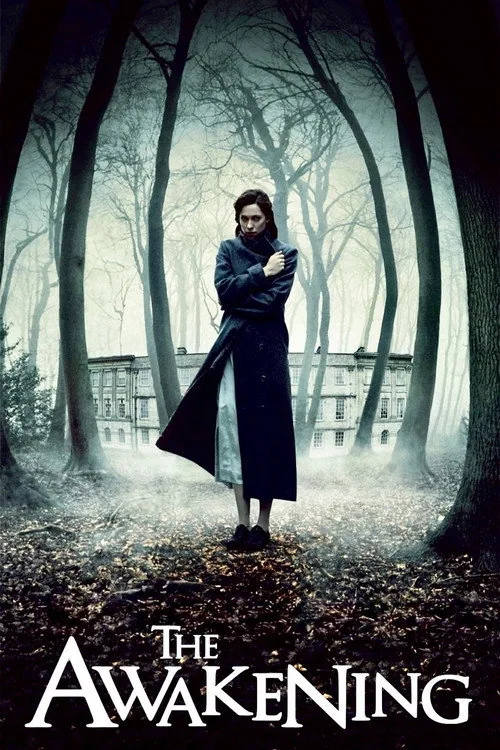
What changes The Ninth Configuration: conversation-led, gradually revealing, uneasy and violent climax. The Awakening: investigation-led, gradual supernatural escalation and contained period mystery.
In post-First World War England, skeptical writer Florence Cathcart investigates reports of a ghost at a rural boarding school for boys. A teacher asks her to examine an alleged haunting after a student’s death, and Florence uses observation and practical tests to challenge the stories. Strange events at the school complicate her confidence as memories of the war and personal grief surface. Nick Murphy’s period ghost drama combines a contained mystery with the question of whether every haunting can be explained.
Based on recorded story, mood and style. Your preferences can change the order.
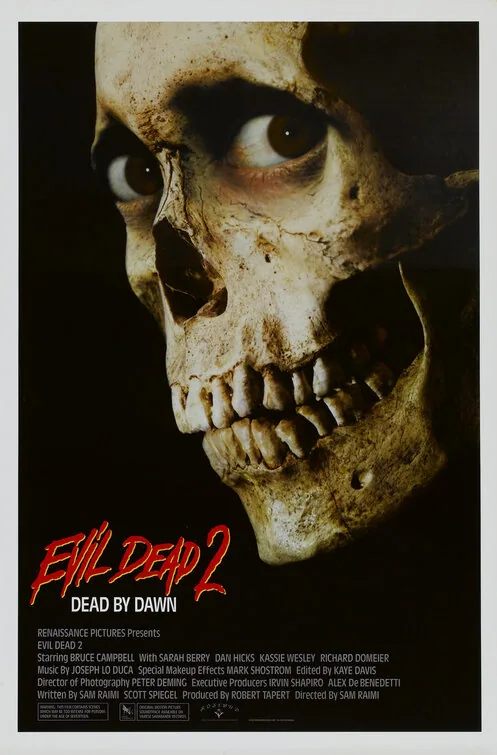
What changes The Ninth Configuration: conversation-led, gradually revealing, uneasy and violent climax. Evil Dead II: escalating.
A recording in a remote cabin releases a force that turns a couple's retreat into an unstable encounter with possession and reanimated bodies. A survivor's attempts to escape repeatedly fail as his own hand and familiar objects become threats, while arriving strangers initially mistake him for the source of the violence. Recovering missing text offers a possible response, but interpreting and acting on it must happen inside a space where the boundary between bodily panic and grotesque comedy keeps collapsing.
Based on recorded story, mood and style. Your preferences can change the order.
War and civilian life · Power and authority
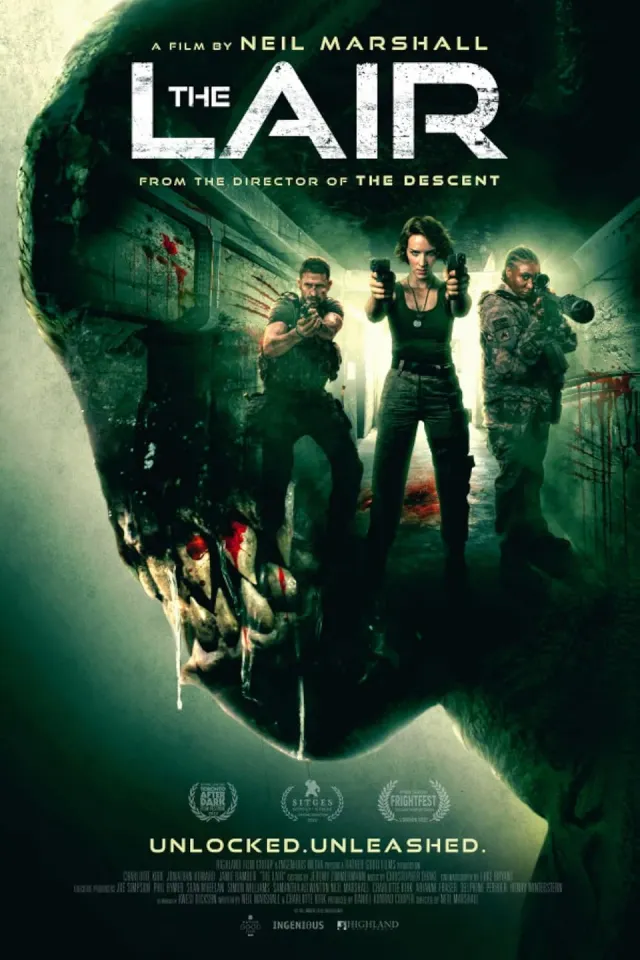
What changes The Ninth Configuration: conversation-led, gradually revealing, uneasy and violent climax. The Lair: fast, attack-driven, escalating and siege structure.
Royal Air Force pilot Kate Sinclair is shot down in Afghanistan and finds refuge in an abandoned Soviet bunker. Inside, she discovers grotesque creatures that kill her pursuers before she escapes and reaches a nearby U.S. outpost. When the creatures attack the soldiers sheltering her, the survivors must respond to a threat that neither their weapons nor military routines fully explain. Neil Marshall’s film combines combat action with a contained creature-feature siege.
Based on recorded story, mood and style. Your preferences can change the order.
War and civilian life · Power and authority
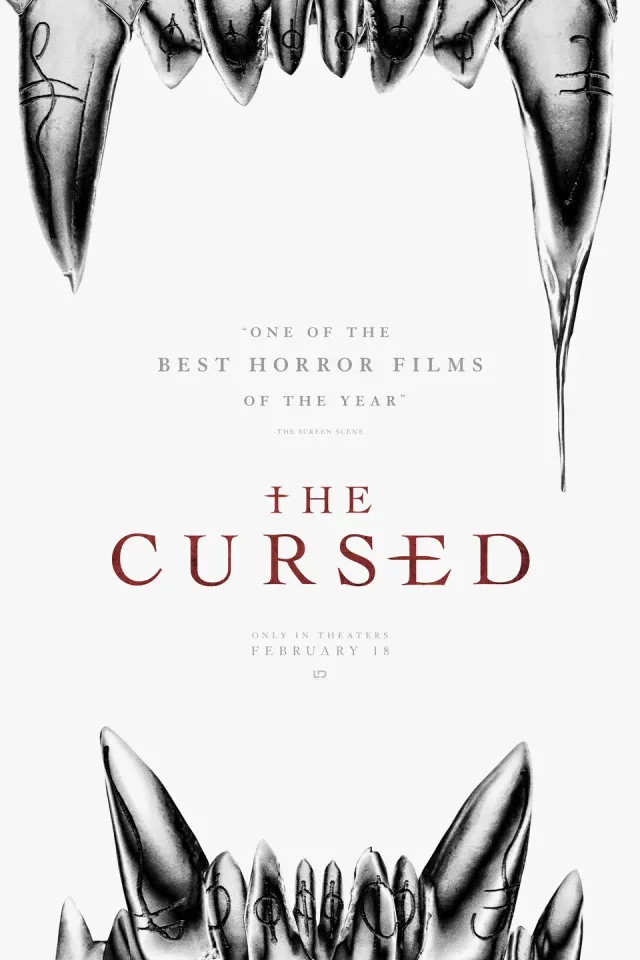
What changes The Ninth Configuration: conversation-led, gradually revealing, uneasy and violent climax. The Cursed: slow-building, ominous, violent bursts and interwoven timelines.
In late nineteenth-century rural France, landowner Seamus Laurent orders a violent attack on a Romani community, setting off a curse that reaches into his family and the surrounding village. Decades later, a surgeon returning from the First World War encounters evidence of a supernatural threat tied to those events. The film combines gothic period drama, folklore and werewolf horror, connecting a community’s violence against outsiders to the fear that follows.
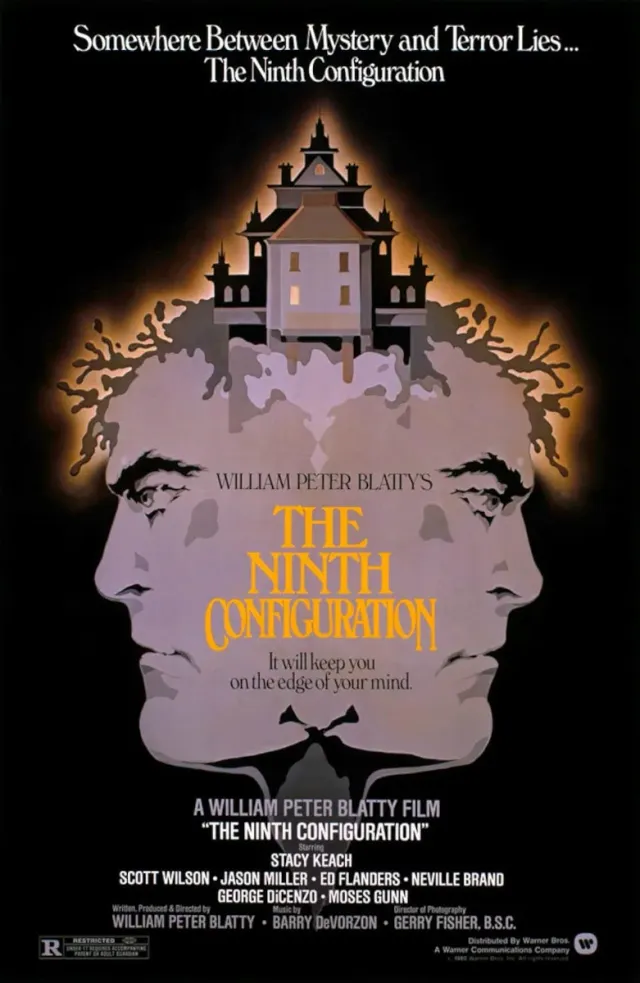
A remote castle in the Pacific Northwest houses military personnel whose psychological crises have taken them out of service. Colonel Hudson Kane arrives to direct the treatment program and encounters patients whose eccentric behavior includes elaborate performances and arguments about faith, war, and human nature. One of them, former astronaut Billy Cutshaw, refuses to explain why he abandoned a lunar mission. As Kane tries to understand the residents, his own past and the moral logic behind his work come into view. The isolated setting gradually becomes a test of whether reason, belief, or sacrifice can answer their shared trauma.
What drives the story
Kane’s role is to treat others, yet the patients’ questions about violence and belief begin to expose his own unresolved history.
The people at its centre
Cutshaw’s refusal to board the lunar mission gives the group a mystery that is less about diagnosis than the meaning of human courage.
What it feels like
The film moves between absurd performances, theological conversations, and sudden danger, so tone itself becomes part of the uncertainty.
Worth knowing
This is a philosophical military-ensemble drama with horror and comedy elements, not a conventional hospital procedural.