A romantic provocation enables an expansionist siege in which rival leaders depend on warriors whose private loyalties disrupt strategic plans.
Why this matches +
These films share central story, tone or viewing experiences with this selection.
Genres: Drama / Action
Shared film traits
Based on recorded story, mood and style. Your preferences can change the order.
What changes A historical-style war epic dramatizes the conflict that precedes Odysseus’s journey.
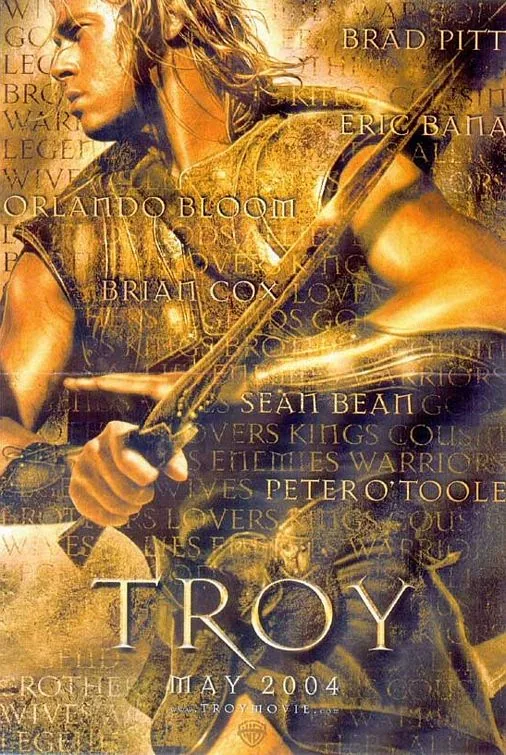
The departure of a prince and a married queen becomes the public cause for a Greek assault on Troy, but the expedition's leaders bring ambitions extending beyond the return of one woman. A celebrated warrior resists the king who needs his skill, while a Trojan defender attempts to protect a city whose fate is being shaped by family loyalty and political calculation. Personal attachment and the pursuit of lasting fame repeatedly expose others to consequences their champions cannot control.
An exiled prince infiltrates his uncle’s household to fulfill a childhood oath of vengeance after his father’s murder.
Why this matches +
These films explore a related idea in a different style, setting or audience.
An adjacent discovery: a related idea with a different viewing experience.
Genres: Action / Drama
Shared film traits
Based on recorded story, mood and style. Your preferences can change the order.
Escape and pursuit
What changes A Viking prince pursues revenge in a much more graphic mythic historical drama.
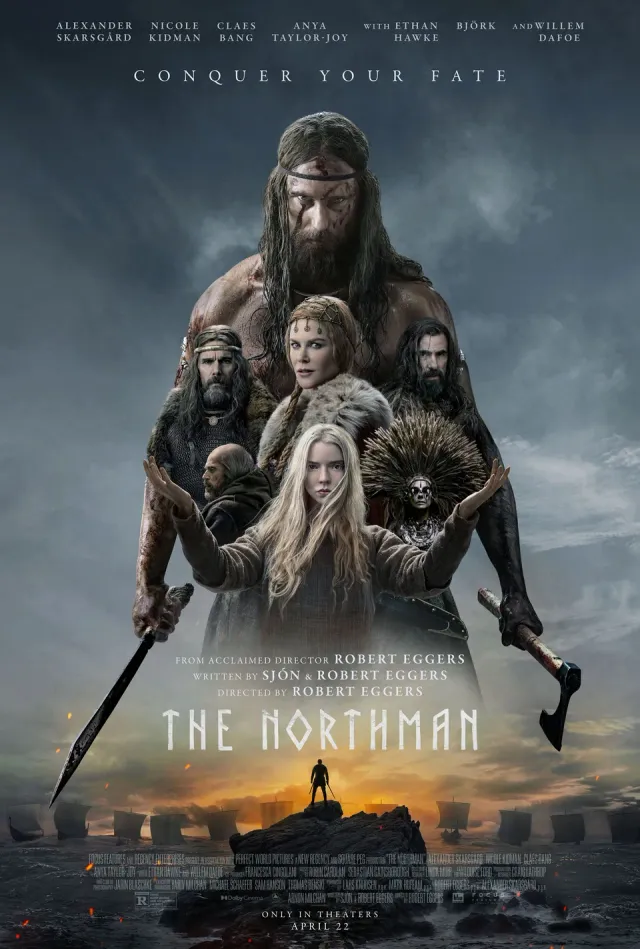
As a child, Amleth watches a coup tear apart his family and escapes with a vow to avenge his father. Years later he infiltrates the household of the uncle who seized power, where memories of violence compete with a future that might ask him to stop. The film’s saga-like journey binds revenge to inherited ritual, bodily ordeal and the cost of living by prophecy.
An apparently small inheritance creates a burden whose safe resolution requires a journey into the centre of the power pursuing it.
Why this matches +
These films explore a related idea in a different style, setting or audience.
An adjacent discovery: a related idea with a different viewing experience.
Genres: Fantasy / Adventure
Shared film traits
Based on recorded story, mood and style. Your preferences can change the order.
What changes An ensemble crosses a fantasy world on a mythic quest to destroy an artifact.
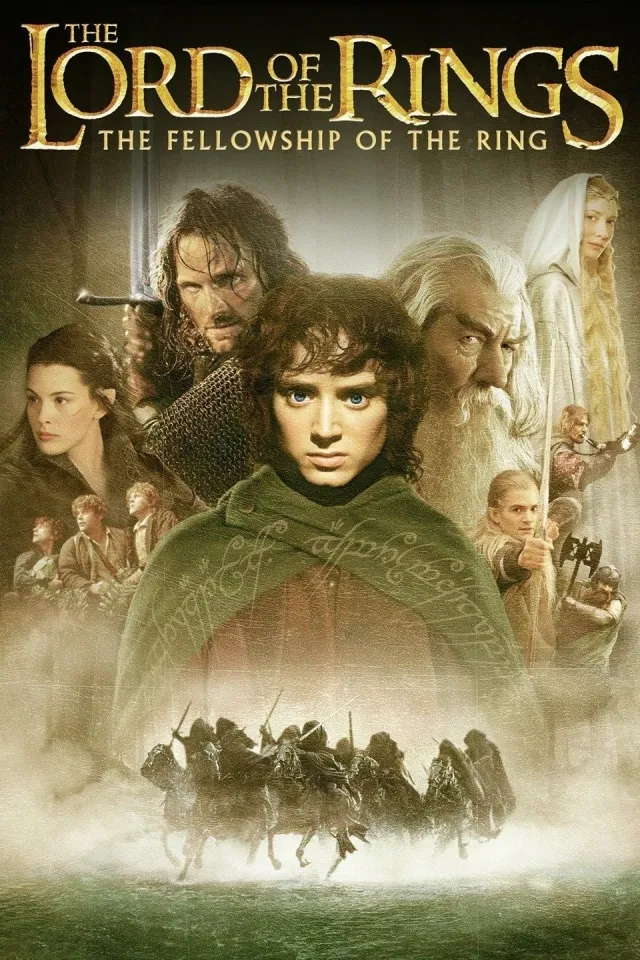
A provincial young hobbit inherits an object that offers corrupting power and attracts a force seeking domination far beyond his home. Leaving familiar safety with companions brings him into an alliance whose members disagree about whether the object should be destroyed or used. The journey tests loyalty through pursuit, loss and the growing recognition that responsibility cannot be transferred simply to whoever appears strongest.
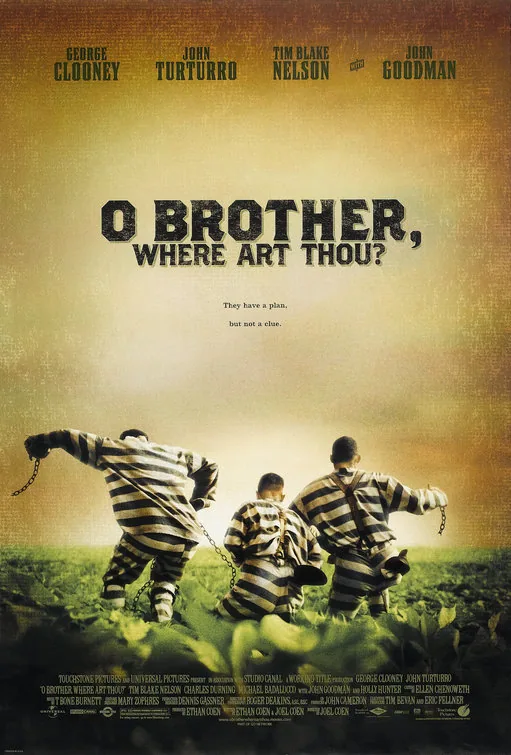
The promised treasure gives Everett a story to tell his companions, but the odyssey is driven by his attempt to regain a family he has already lost.
Why this matches +
These films explore a related idea in a different style, setting or audience.
An adjacent discovery: a related idea with a different viewing experience.
Genres: Comedy / Crime
Shared film traits
Based on recorded story, mood and style. Your preferences can change the order.
Escape and pursuit
What changes Three escaped convicts journey home in a comic American reinterpretation.
In Depression-era Mississippi, escaped chain-gang convict Ulysses Everett McGill persuades Pete and Delmar to travel with him, claiming a buried treasure awaits before a valley is flooded. Everett’s real aim is to return to his estranged wife Penny before she remarries. The trio encounters a blind prophet, a seductive trio of singers, a Bible salesman and political campaigners, while recording a song that becomes a radio sensation. Their changing fame brings the authorities closer even as Everett’s insistence on controlling the journey repeatedly puts the group at risk.
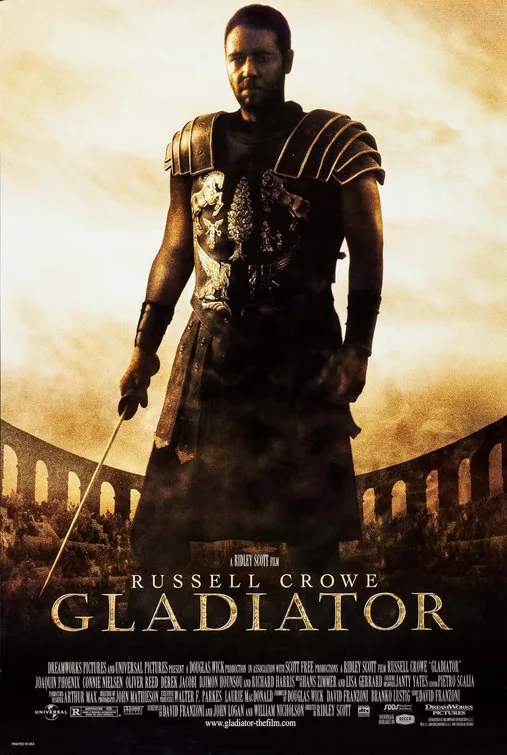
A dispossessed soldier's effort to survive public combat creates political leverage that turns personal revenge into a challenge to imperial legitimacy.
Why this matches +
These films explore a related idea in a different style, setting or audience.
An adjacent discovery: a related idea with a different viewing experience.
Genres: Drama / Action
Shared film traits
Based on recorded story, mood and style. Your preferences can change the order.
What changes A betrayed general pursues revenge in a graphic Roman arena epic.
A successful Roman commander preparing to leave military life is betrayed during a struggle over the succession and separated from the family he hopes to protect. Enslavement places him in the gladiatorial arena, where survival and public recognition offer an indirect route back towards the ruler responsible. Private grief becomes entangled with the interests of spectators, a threatened political elite and people whose own freedom depends on how he chooses to use his growing symbolic power.
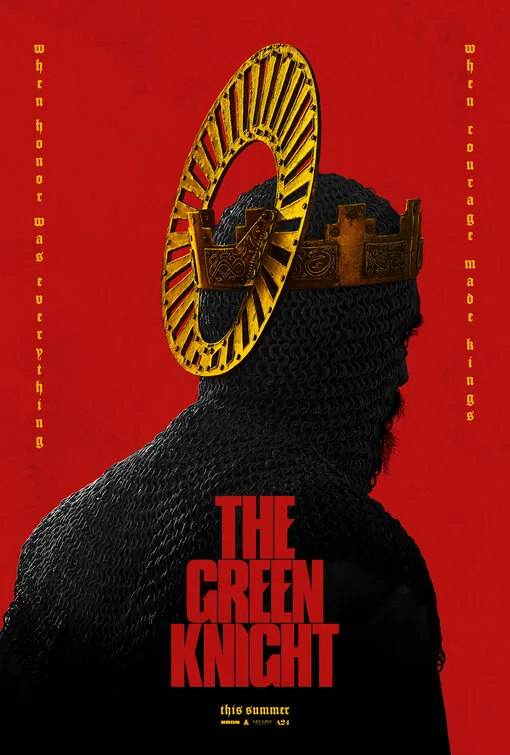
The year-long beheading bargain gives Gawain a fixed destination; the encounters along the road test whether he can meet its consequence without evasion.
Why this matches +
These films explore a related idea in a different style, setting or audience.
An adjacent discovery: a related idea with a different viewing experience.
Genres: Medieval / Speculative fiction
Shared film traits
Based on recorded story, mood and style. Your preferences can change the order.
What changes A knight undertakes a slower, ambiguous and adult Arthurian quest.
On Christmas at Camelot, King Arthur’s nephew Gawain accepts a supernatural challenger’s beheading game, agreeing to receive the same blow in a year. He travels to the Green Chapel to honour the bargain, passing through tests of courage, temptation and self-preservation that unsettle his idea of what a knight should be. The journey becomes stranger and more inward than a conventional quest, and Gawain must decide whether keeping his life at any cost counts as keeping his word. David Lowery’s adaptation uses the medieval romance as a dreamlike character study rather than a clean heroic adventure.
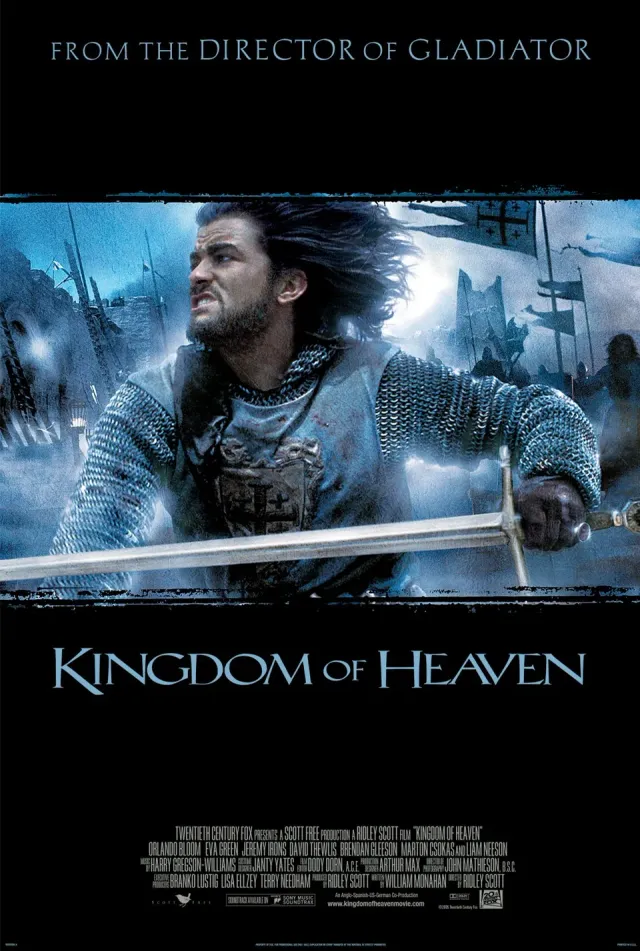
A newcomer's search for redemption becomes a test of leadership when factional ambition destroys an unstable peace and forces a defensive siege.
Why this matches +
These films explore a related idea in a different style, setting or audience.
An adjacent discovery: a related idea with a different viewing experience.
Genres: Historical / War
Shared film traits
Based on recorded story, mood and style. Your preferences can change the order.
What changes A historical siege drama explores duty and religious conflict without mythic creatures.
A grieving blacksmith follows his father toward Jerusalem, hoping to find meaning after personal loss. There he enters a fragile political settlement in which competing leaders use faith, honour and military power for incompatible ends. As aggression threatens the city, his obligations shift from earning spiritual absolution to protecting people whose survival depends on choices made by those claiming religious authority.
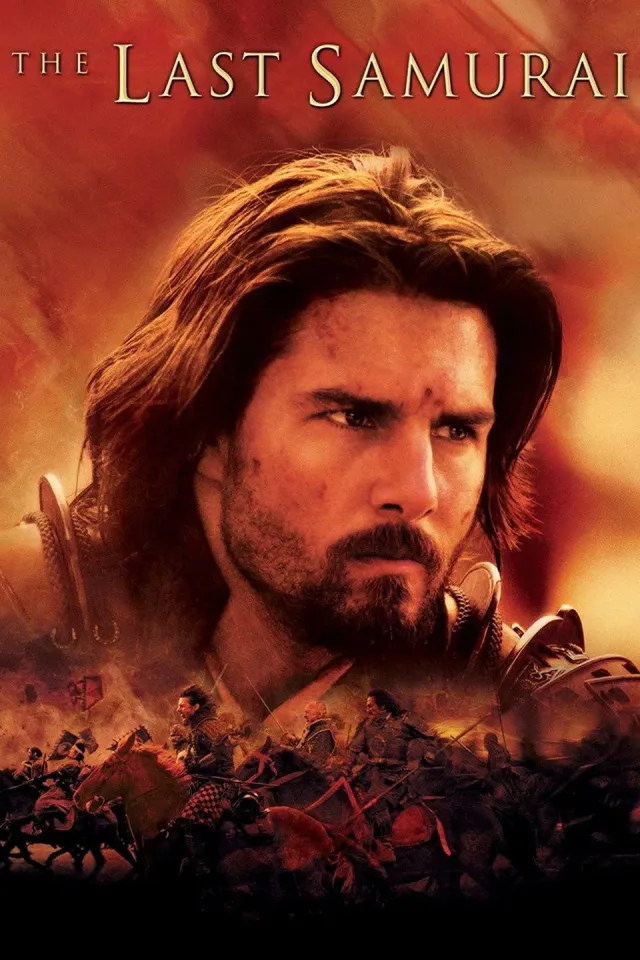
Capture gives Algren time to understand the people he was hired to defeat; his shift in allegiance leads into a final battle over modernization and power.
Why this matches +
These films explore a related idea in a different style, setting or audience.
An adjacent discovery: a related idea with a different viewing experience.
Genres: Drama / Action
Shared film traits
Based on recorded story, mood and style. Your preferences can change the order.
What changes An outsider joins samurai amid political change in a historical war drama.
Former U.S. Army captain Nathan Algren is hired to train Japan’s new imperial army, but its recruits are sent into battle before they are ready. Captured by samurai leader Katsumoto, Algren is taken to a village where he gradually learns the language and daily rhythms of the people he was sent to fight. His military past and his experiences in the village change how he understands the conflict, while Katsumoto challenges the government’s rapid modernization. When the imperial army prepares a final attack, Algren must decide where his loyalties lie. The film frames the rebellion through an American outsider’s transformation, making that perspective a major part of its appeal and its limits.
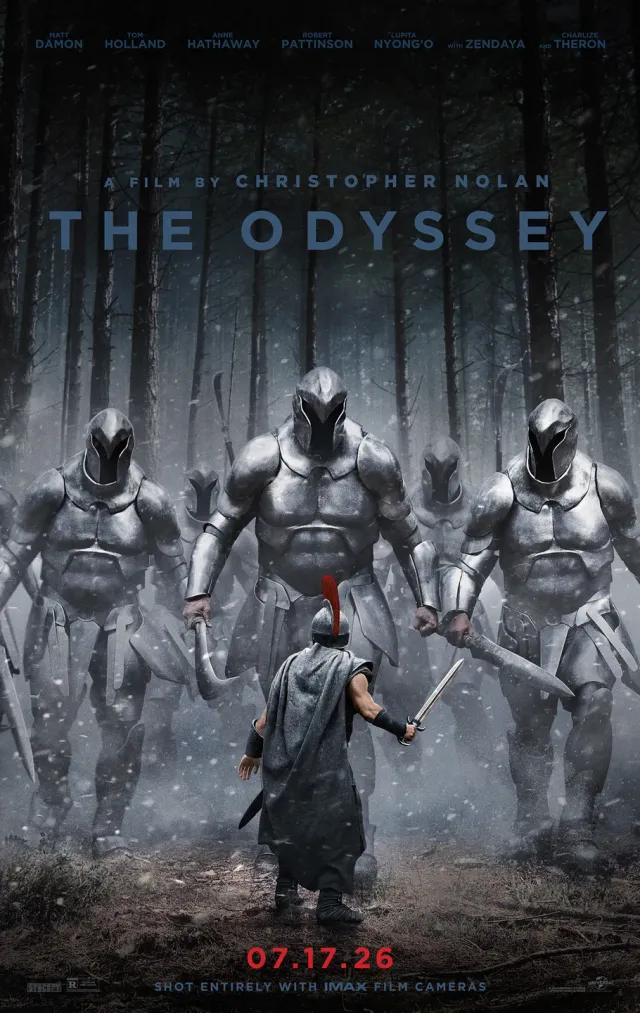
Christopher Nolan’s adaptation opens with Odysseus leaving Penelope and Telemachus to fight at Troy, where the Greeks win through the Trojan Horse deception. The film then follows his disoriented return across the sea, with encounters including the Cyclops, Circe, Calypso and the Sirens. At home, Penelope delays a forced remarriage while Telemachus sets out to learn his father’s fate. The voyage and the threatened household become parallel struggles shaped by war’s aftermath, grief and survival. Nolan reworks Homer’s epic into a large-scale action drama with a bleaker psychological emphasis; it is an interpretation of the poem, not a definitive account of its many versions.
What drives the story
The Trojan victory leaves Odysseus and his men on a dangerous return route while Penelope and Telemachus face the political vacuum created by his absence.
The people at its centre
Odysseus’s military guilt shapes his route home; Penelope resists the suitors’ pressure and Telemachus seeks news of his father, giving the homecoming stakes beyond the hero’s survival.
What it feels like
A three-hour mythic action epic moves from the Trojan Horse to episodic sea encounters, framing monsters and gods through the psychological cost of war and an austere, large-format spectacle.
Worth knowing
For viewers open to mythic travel, monsters and a grim homecoming. It departs from details of Homer’s poem and emphasizes postwar trauma; it is one modern adaptation, not a substitute for the ancient text.
HomecomingWar traumaFamily separation
Mood
Epic · Adventurous · Awe-filled
Pacing
Episodic · Expansive
Visual style
Large-scale · Mythic
Storytelling
Trojan Horse deception · Monstrous encounters · Household under siege