Explore films connected to The Pelican Brief through Justice, Journalism, Political power. Choose the qualities you want to carry into your next watch.
What should feel similar?
Find your next favourite
9 films · Closest overall matches
Hide films you’ve seen or don’t want. Saved on this device.
No matches for this combination yet.
Try another option or reset your choices to see more films.
Both centre on institutional investigation and public evidence advocacy.
Why this matches +
Genres: Crime / Drama
Shared film traits
Based on recorded story, mood and style. Your preferences can change the order.
Investigation · Political resistance
Expect tense and distressing, with slow burn and escalating pacing.
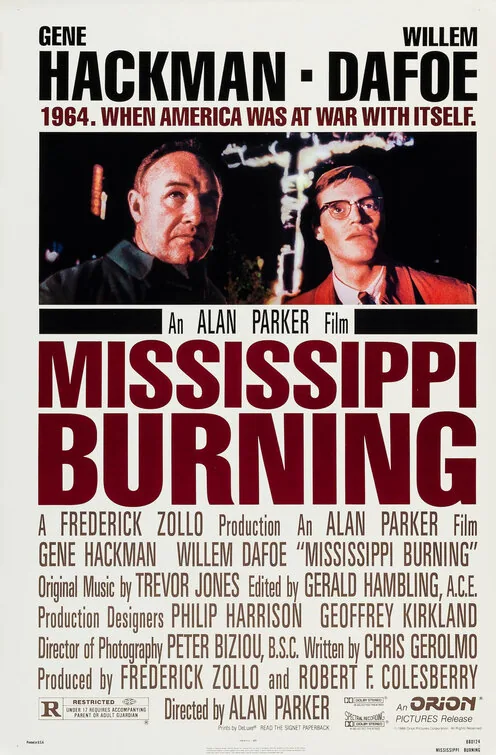
In 1964, FBI agents Alan Ward and Rupert Anderson investigate the disappearance of three civil-rights workers in fictional Jessup County, Mississippi. Local law enforcement obstructs the inquiry and is tied to the Ku Klux Klan. Ward's formal approach and Anderson's local knowledge clash as intimidation prevents residents from speaking. A witness's family is attacked, and Anderson builds a relationship with Deputy Pell's wife, whose testimony helps locate the victims' bodies. The agents pursue federal civil-rights charges when local courts will not deliver justice, using coercive tactics that raise questions about the investigation even as the film frames the case as a reckoning with racist violence.
Based on recorded story, mood and style. Your preferences can change the order.
Investigation · Political resistance
Expect tense and procedural, with methodical and escalating pacing.
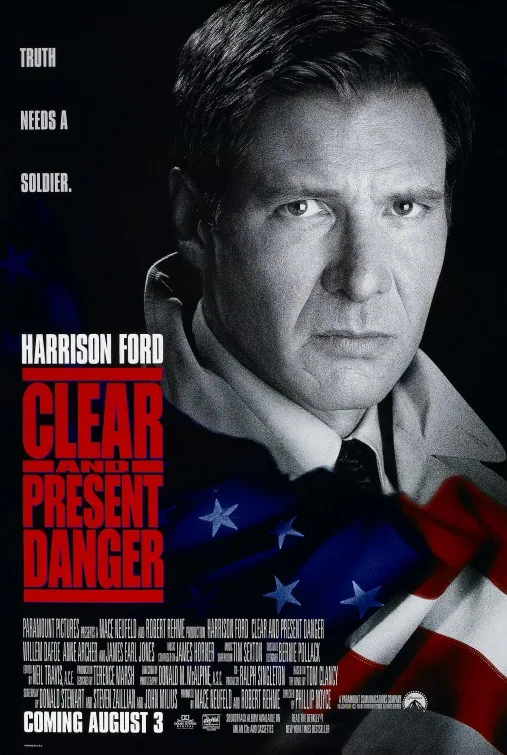
When a covert operation in Colombia goes wrong, acting CIA director Jack Ryan is sent to investigate the people and decisions behind it. He finds that a secret war on a drug cartel has been carried out without proper authorization, while officials in Washington try to protect the operation from scrutiny. Ryan must work through conflicting accounts and institutional pressure before the hidden campaign creates a larger crisis.
Both centre on institutional investigation and public evidence advocacy.
Why this matches +
Genres: Crime / Drama
Shared film traits
Based on recorded story, mood and style. Your preferences can change the order.
Investigation
What changes The Pelican Brief: escalating and procedural. The Life of David Gale: deadline-driven and revelatory.
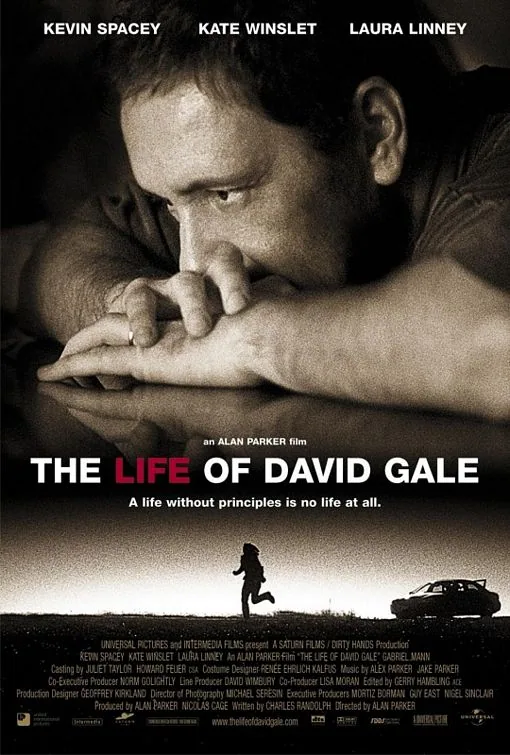
A journalist interviews death-row activist David Gale in the days before his execution, then pieces together his account and the circumstances of the crime for which he was convicted. Her reporting becomes a race to assess evidence, motive and the possibility of a wrongful sentence. The mystery uses a compressed deadline to examine capital punishment, public conviction and the risks of turning a cause into spectacle.
Based on recorded story, mood and style. Your preferences can change the order.
Investigation
Expect tense and restrained, with steady and escalating pacing.
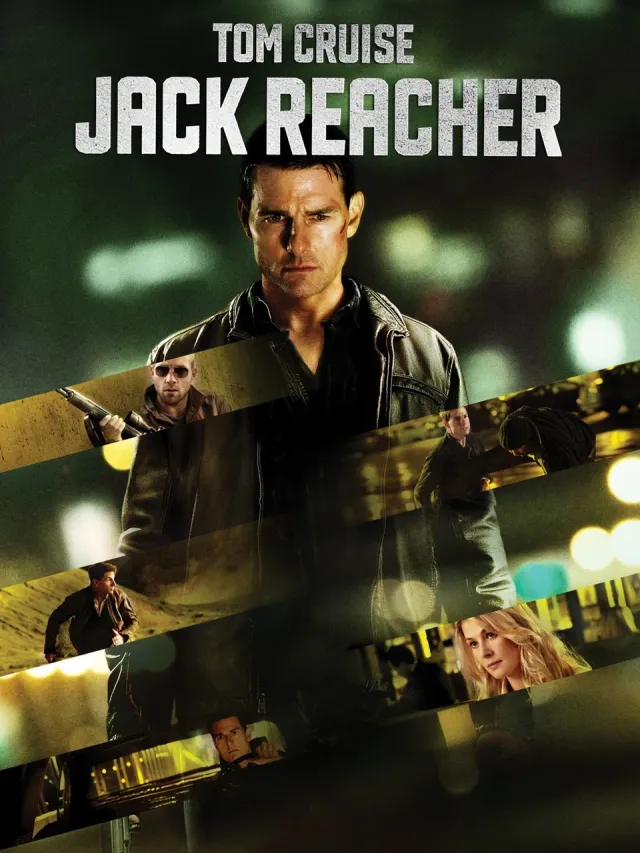
A former military investigator arrives after a mass shooting whose evidence seems to identify an obvious suspect. His prior knowledge gives him little reason to like the accused, yet inconsistencies make the official certainty difficult to accept. Working with a defense lawyer places him against people determined to close the case before the pattern of victims is understood. The action mystery builds its outsider's authority through observation and refusal to confuse a person's earlier wrongdoing with proof of the current accusation.
Based on recorded story, mood and style. Your preferences can change the order.
Investigation
What changes The Pelican Brief: escalating and procedural. Haywire: a betrayal mystery is revealed through pursuit and mission flashbacks.
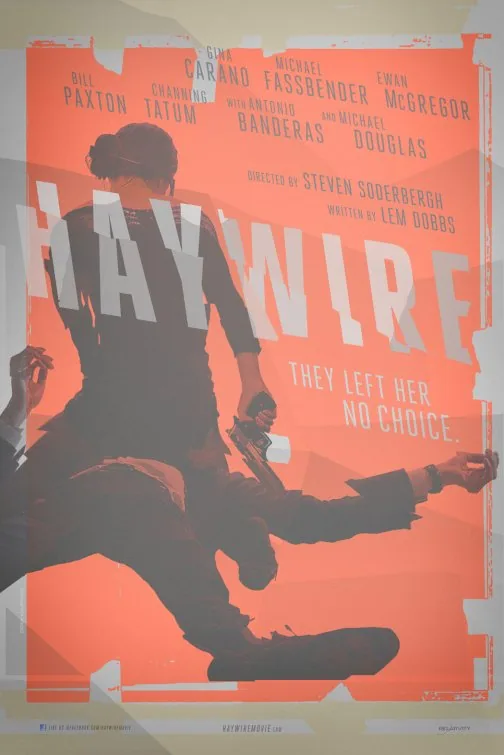
After a covert operative is betrayed during an assignment, Mallory Kane must evade former colleagues and uncover who arranged the betrayal. Moving between international locations and flashbacks, she retraces the mission that linked her to a politically sensitive target. The action thriller emphasizes physical skill and professional deception, centering a woman whose ability to fight does not protect her from a network of competing institutional interests.
Both centre on institutional investigation and public evidence advocacy.
Why this matches +
Genres: Drama / Thriller
Shared film traits
Based on recorded story, mood and style. Your preferences can change the order.
Investigation · Political resistance
Expect urgent and analytical, with deadline-driven and escalating pacing.
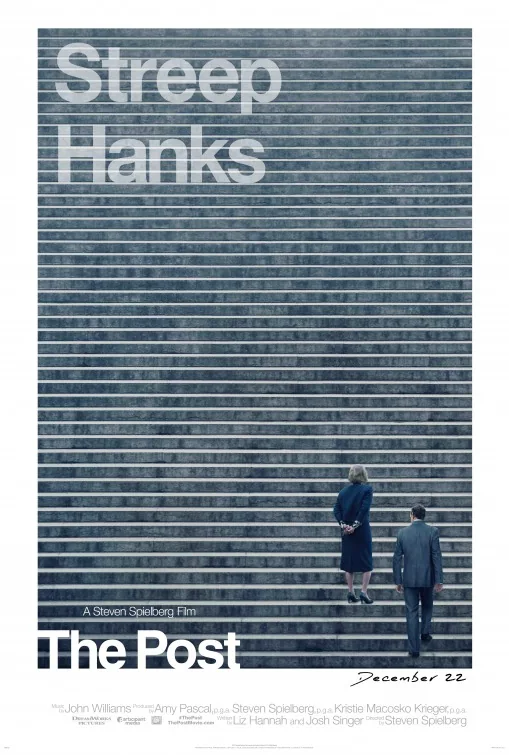
In 1971, Washington Post publisher Katharine Graham weighs the future of the paper as it prepares for a public stock offering and faces pressure from the Nixon administration. After the New York Times is enjoined from publishing the Pentagon Papers, editor Ben Bradlee pushes the Post to obtain and print the documents. Graham must decide whether the paper's duty to readers outweighs legal risk, possible criminal charges and the financial exposure of a company about to go public. Reporters work to verify the leak while lawyers and board members argue over what can safely be published. The story follows a newsroom making an institutional choice under a deadline, with Graham's authority changing as she moves from social and business constraints toward editorial responsibility.
Based on recorded story, mood and style. Your preferences can change the order.
Investigation
What changes The Pelican Brief: escalating and procedural. Zodiac: slow burn.
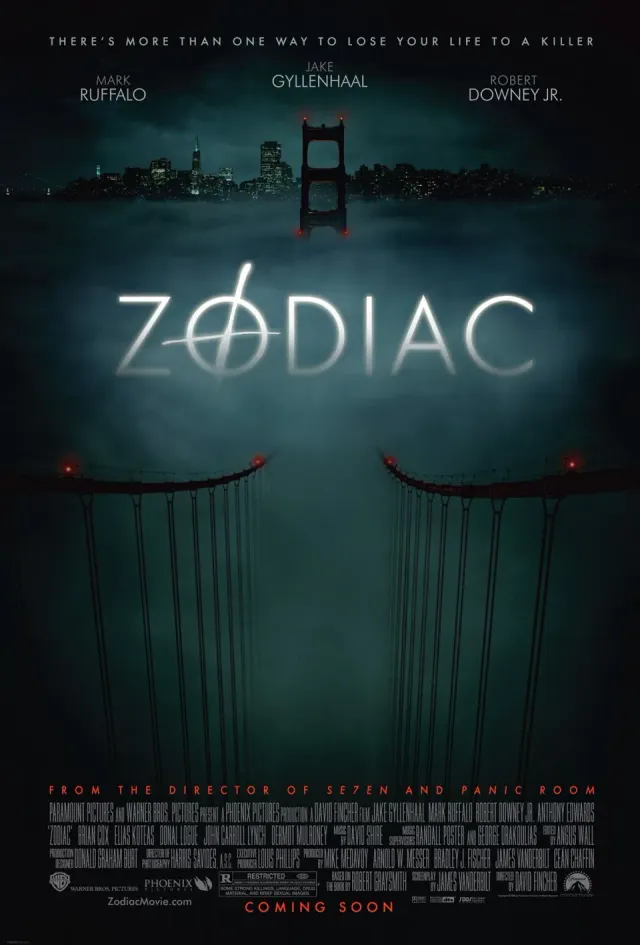
A series of killings and public messages draws police officers and newspaper staff into a search for an offender who controls attention through selective disclosure. Years of interviews, uncertain identifications and jurisdictional boundaries make progress difficult to distinguish from renewed speculation. A cartoonist's growing private commitment to the case exposes the personal cost of treating an unresolved account as a problem that more persistence must eventually close.
Both centre on professional pursuit and public evidence advocacy.
Why this matches +
Genres: Drama / Thriller
Shared film traits
Based on recorded story, mood and style. Your preferences can change the order.
Investigation · Political resistance
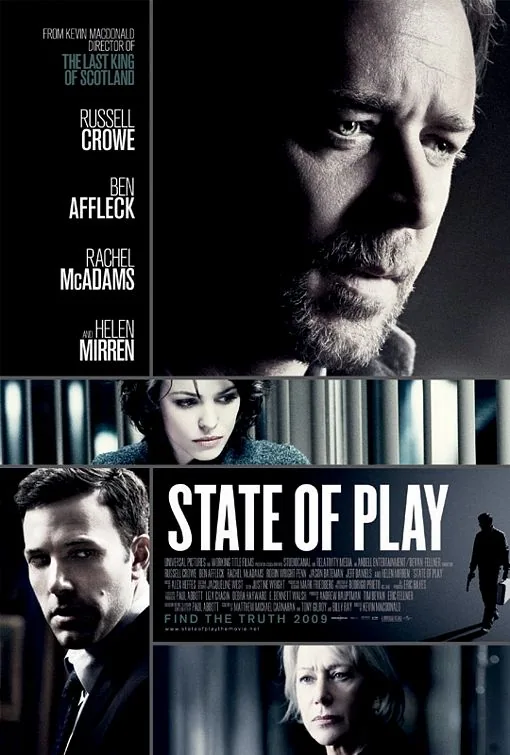
What changes The Pelican Brief: escalating and procedural. State of Play: measured and investigation-led.
A veteran newspaper reporter investigates the death of a congressional aide and discovers connections to the congressman’s private life and a defense contractor. His work intersects with a political blogger and editor as sources offer conflicting accounts and pressure grows to publish quickly. The newsroom thriller examines evidence, friendship and the cost of public scrutiny, while treating reporting as a process that can expose power but also damage people close to the reporter.
Both share themes of justice, plus a tense atmosphere.
Why this matches +
Genres: Action / Crime
Shared film traits
Based on recorded story, mood and style. Your preferences can change the order.
Investigation
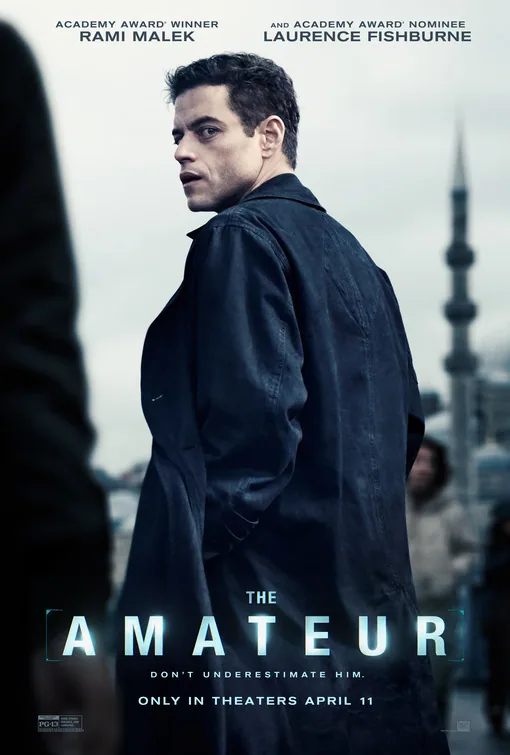
What changes The Pelican Brief: escalating and procedural. The Amateur: a procedural investigation transforms into a self-directed revenge mission.
After his wife is killed in a terrorist attack, CIA cryptographer Charlie Heller discovers that the agency will not pursue the perpetrators. He uses his technical expertise to pressure the institution into training him, then follows the clues himself. The thriller turns an office specialist into an unconventional operative, centering grief, moral compromise, and the gap between decoding violence and confronting it directly.
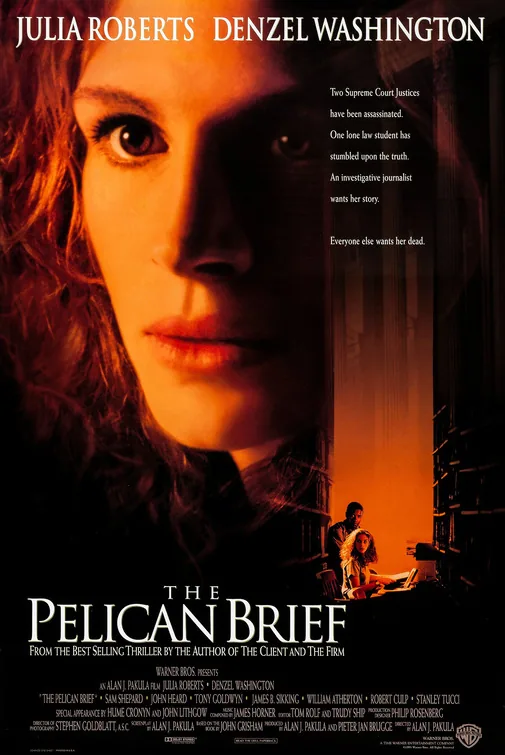
After two Supreme Court justices are assassinated, law student Darby Shaw writes a brief proposing a political motive behind the killings. Her professor and lover, Thomas Callahan, passes it to the FBI, and he is soon killed in a car bombing that Darby survives. Realizing the document may have exposed a real conspiracy, she goes into hiding and contacts Washington Herald reporter Gray Grantham. The pair follow a trail of missing evidence and attempted attacks toward the oil interests and political figures that the brief implicates. Darby's legal reasoning and Gray's reporting work differently but must converge before the people protecting the secret can silence them. The investigation places a young civilian and a journalist against a network with institutional reach.
What drives the story
A speculative legal memo becomes dangerous when it predicts a motive for the murders, pulling its author and a reporter into a race to prove it.
The people at its centre
Darby is cautious and analytically precise; Gray is persistent but must earn her trust. Their uneasy partnership keeps legal theory tied to verifiable reporting.
What it feels like
A polished 1990s conspiracy thriller alternates quiet research with chases and sudden violence, letting evidence accumulate toward public exposure.
Worth knowing
For viewers who enjoy legal-political suspense and investigative teamwork. It centers a young analyst and a newsroom rather than courtroom debate or a conventional detective case.
JusticeJournalismPolitical power
Mood
Tense · Cerebral · Fast-paced
Pacing
Escalating · Procedural
Visual style
Polished · Urban thriller
Storytelling
Institutional investigation · Professional pursuit