Based on recorded story, mood and style. Your preferences can change the order.
Survival
What changes The Platform 2: escalating, episodic and confrontational. Cube 2: Hypercube: enigma-driven, trap-to-trap escalation and revelation near the climax.
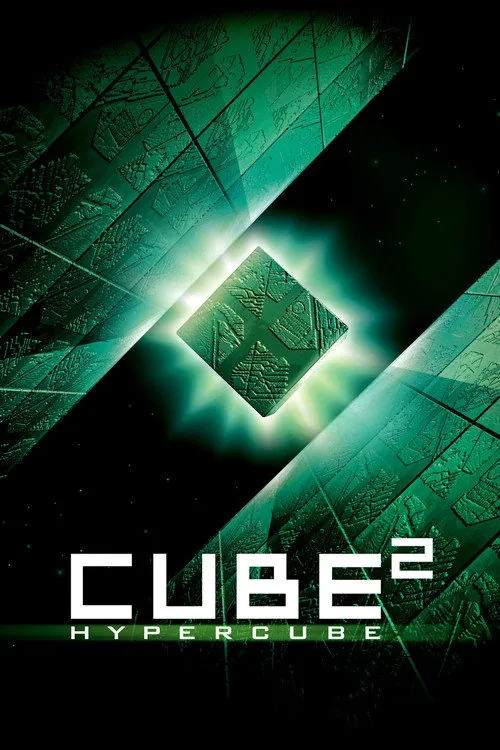
Eight strangers wake in a sealed geometric structure and try to understand how they arrived there and which rooms are safe. The space behaves like a shifting multidimensional puzzle, with altered gravity, time distortions, and rooms that can become lethal. As the survivors compare what they know, conflicts emerge over identity and the purpose of the structure. Andrzej Sekuła’s science-fiction horror sequel expands the original Cube’s mathematical trap into a more unstable and surreal environment.
Based on recorded story, mood and style. Your preferences can change the order.
Survival
What changes The Platform 2: escalating, episodic and confrontational. Cube: escalating.
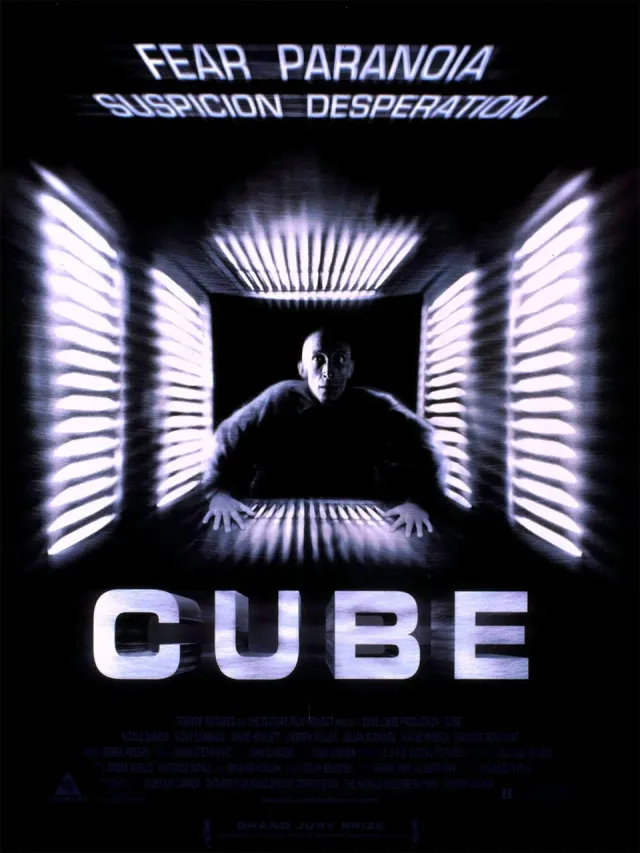
A group of strangers wake inside an enormous grid of numbered rooms, some trapped with lethal mechanisms and others only apparently safe. Their partial skills make cooperation necessary, but the policeman's appetite for command grows as the group struggles to identify a usable pattern. Worth's limited role in the structure does not reveal who created the labyrinth or why; his explanation remains incomplete. Kazan contributes in ways that exceed being a mathematical instrument. Survival depends as much on the group managing fear and authority as on solving spatial clues.
Based on recorded story, mood and style. Your preferences can change the order.
Survival
What changes The Platform 2: escalating, episodic and confrontational. The Platform: repetitive cycle and escalating.
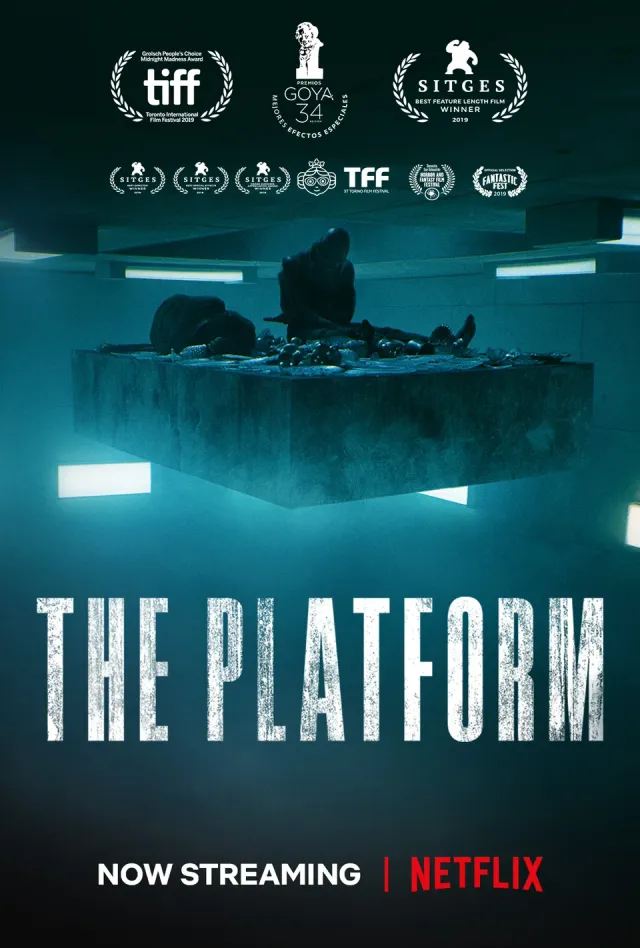
Goreng wakes in a vertical prison where a platform of food descends through cells, leaving less for people on lower levels. Prisoners change floors periodically, and the unequal system tests whether solidarity can survive scarcity and fear. Galder Gaztelu-Urrutia builds a claustrophobic social allegory from a simple rule-bound setting, using shifting cellmates and stark physical danger to examine hierarchy, consumption and the difficulty of collective action.
Based on recorded story, mood and style. Your preferences can change the order.
Survival
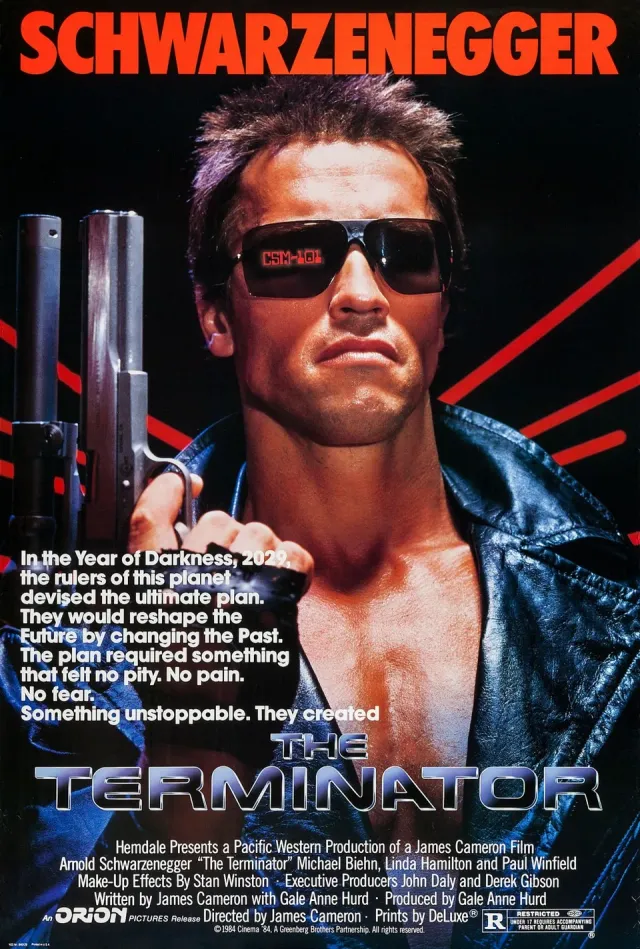
What changes The Platform 2: escalating, episodic and confrontational. The Terminator: fast and intense.
A Los Angeles waitress discovers that someone is killing women who share her name, and a second stranger claims to have come from a future war to protect her. The attacker is a machine sent to prevent a resistance leader's birth, making an ordinary person's survival consequential beyond anything she can presently verify. Relentless pursuit forces trust to develop quickly while the protector's history connects intimacy and loss to the future they hope to change.
Both share themes of authority and survival, plus a tense atmosphere.
Why this matches +
Genres: Drama / Thriller
Shared film traits
Based on recorded story, mood and style. Your preferences can change the order.
Survival · Power and authority
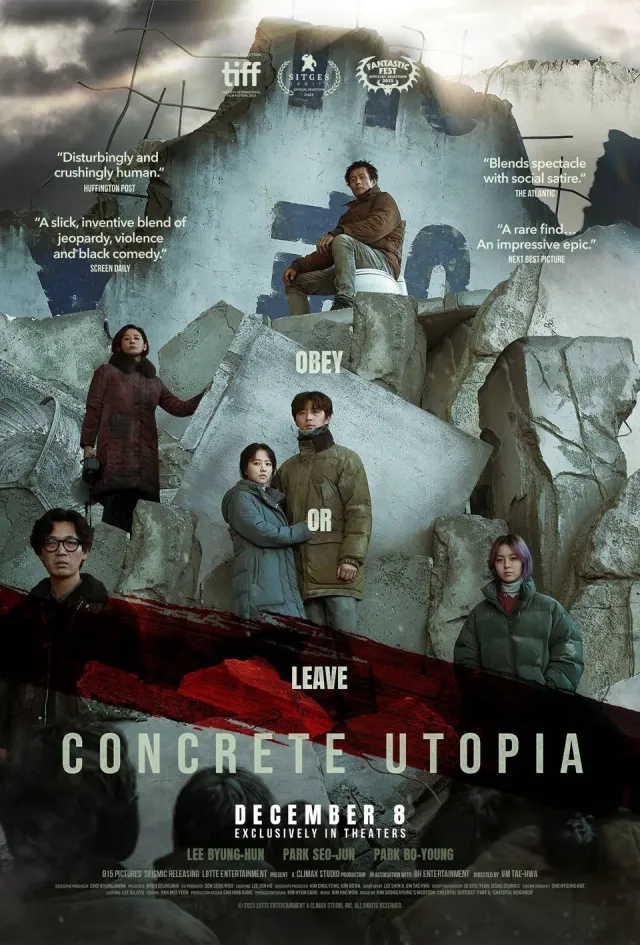
What changes The Platform 2: escalating, episodic and confrontational. Concrete Utopia: gradual escalation, community-driven, tense and morally difficult.
A catastrophic earthquake devastates Seoul, leaving one apartment building standing amid the ruins. Residents gather inside Hwang Gung Apartments and choose Min-seong as their representative, then face decisions about shelter, outsiders and the rules that might preserve their safety. Um Tae-hwa’s disaster thriller uses a single building as a social microcosm, following a couple whose private choices become entangled with the community’s changing ideas of order and belonging.
Based on recorded story, mood and style. Your preferences can change the order.
Survival
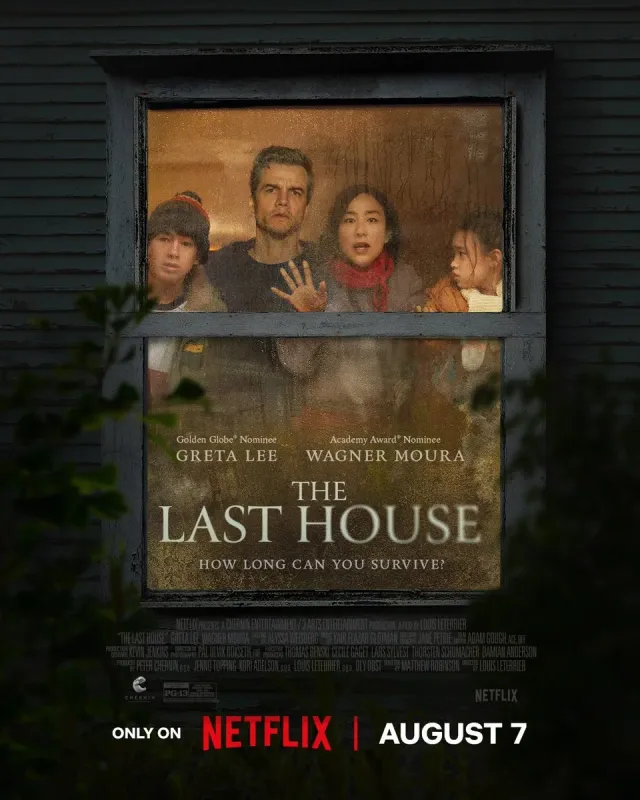
What changes The Platform 2: escalating, episodic and confrontational. The Last House: slow pressure build and long-term escalation.
A family trapped inside their sealed home must ration dwindling supplies while facing a mysterious threat outside. The science-fiction thriller treats domestic safety as an uncertain promise, using a single house and a family's changing needs to build claustrophobic suspense. Familiar rooms become both shelter and constraint as time stretches on, and household resources take on new importance while the force outside remains difficult to understand.
Based on recorded story, mood and style. Your preferences can change the order.
Survival
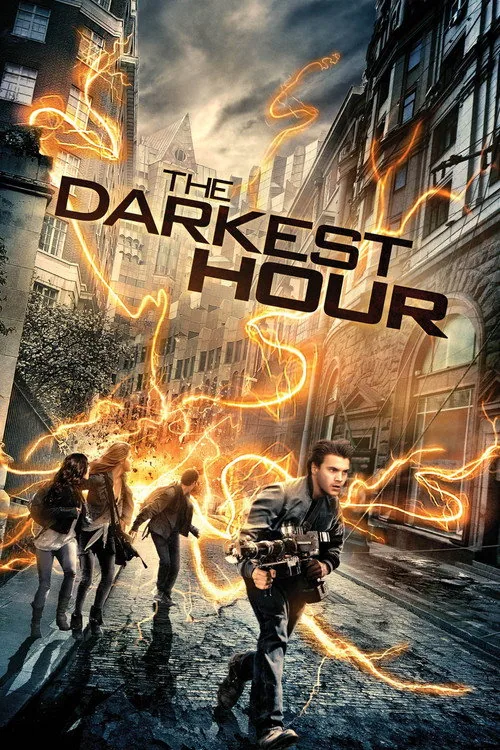
What changes The Platform 2: escalating, episodic and confrontational. The Darkest Hour: survival progression, ambush-driven action and episodic escape attempts.
Two young American entrepreneurs arrive in Moscow to pitch a software business and discover their partner has already sold their idea. As they and other travelers gather in a nightclub, mysterious lights descend and invisible extraterrestrial attackers begin killing people across the city. The survivors must learn how to detect the threat, find supplies, and reach a way out while Moscow's infrastructure collapses. The science-fiction thriller turns a crowded capital into a hostile maze, with a small group adapting under pressure rather than leading a military counterattack.
Based on recorded story, mood and style. Your preferences can change the order.
Survival
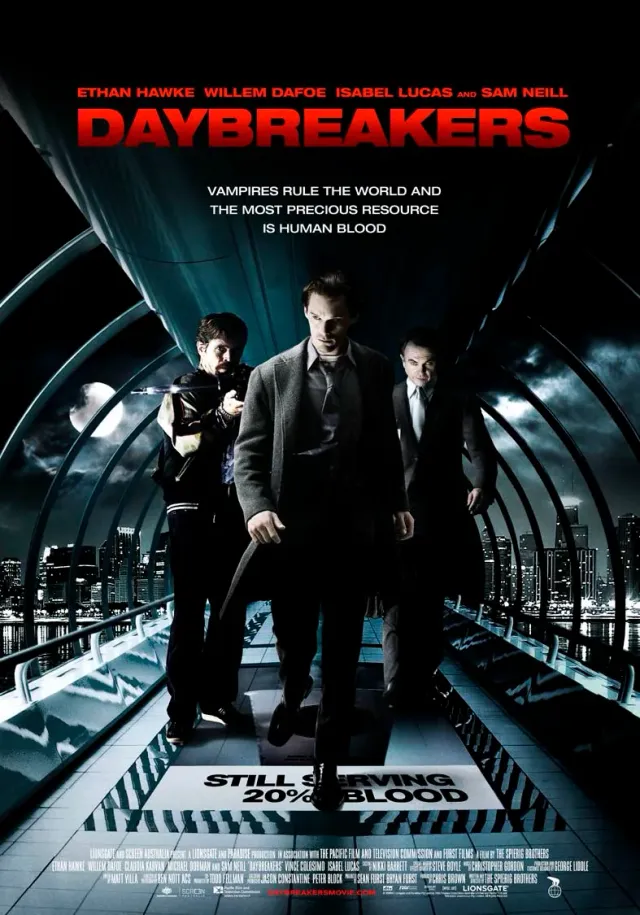
What changes The Platform 2: escalating, episodic and confrontational. Daybreakers: measured conspiracy build to action.
A decade after a plague transforms most people into vampires, the shrinking human population threatens the blood supply that sustains the new majority. Hematologist Edward Dalton searches for a substitute while an underground human resistance offers a possible alternative to the system. The science-fiction horror turns vampirism into an economic and political structure, using a dark urban future to explore scarcity, corporate power and the possibility of reversing a global transformation.
Based on recorded story, mood and style. Your preferences can change the order.
Survival
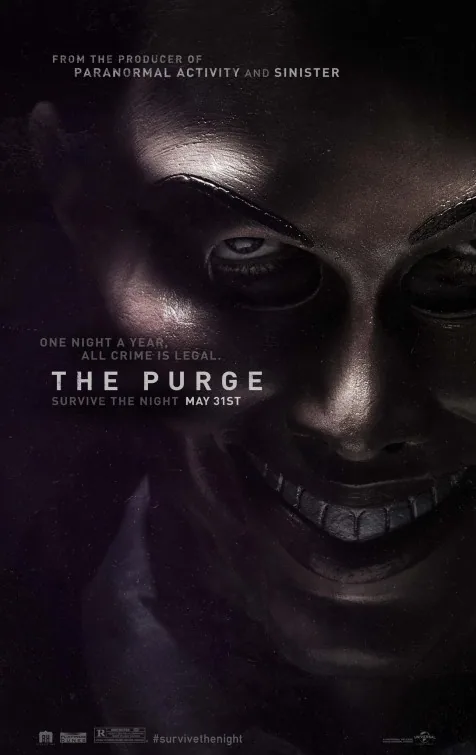
What changes The Platform 2: escalating, episodic and confrontational. The Purge: real-time feel and escalating.
In a near-future United States, the annual Purge suspends law enforcement for one night. Security salesman James Sandin locks his family into their gated home, but his son Charlie opens the doors to shelter a wounded stranger. A masked group demands that the family hand him over, claiming they will otherwise break inside. The Sandins capture the stranger, then decide to protect him, drawing the threat into the house and exposing how their neighbors view the family's wealth. The night shifts from a test of security systems to a series of choices about complicity and revenge, as the person admitted as a danger becomes the only possible ally. The film confines a broad dystopian premise to one domestic space.
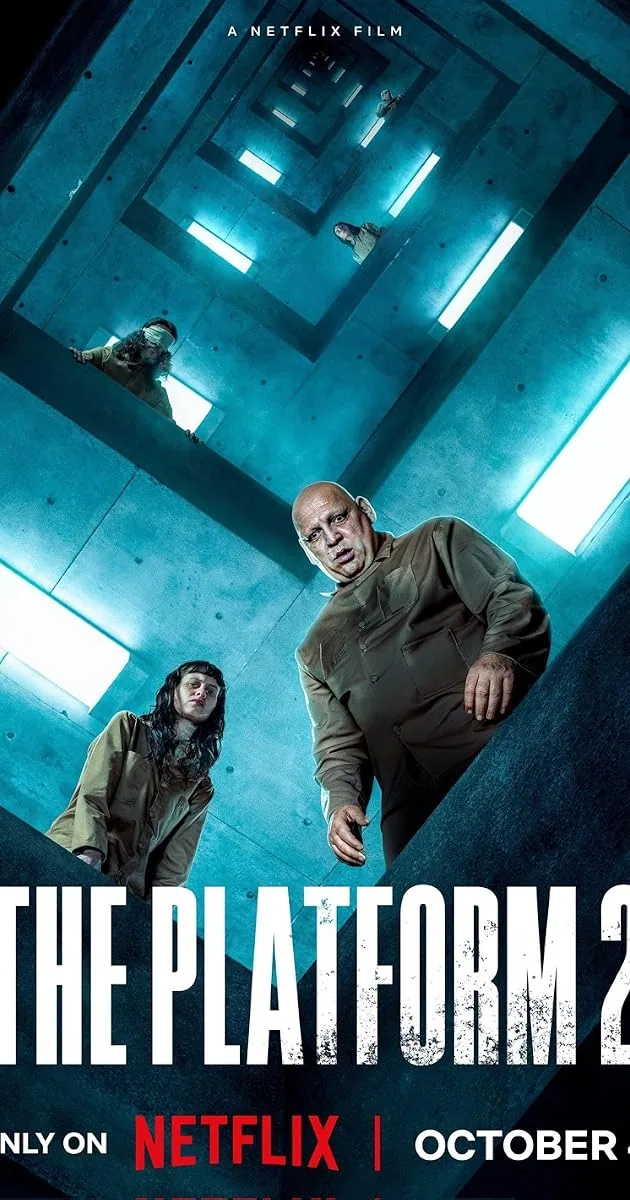
A new prisoner enters a vertical facility where food descends through stacked cells and survival depends on the rules people create together. As a reform movement demands that everyone take only an allotted share, another prisoner challenges how those rules are enforced. The tower's system turns scarcity into ideology and violence, while a parallel story complicates the facility's apparent order and links individual choices to the cost of imposed solidarity.
What drives the story
A prisoner enters a food-distribution system where competing ideas of fairness become a threat to survival.
The people at its centre
The new inmate tests the collective rules while prisoners debate who can enforce them and at what cost.
What it feels like
The descending platform and repeated cell structure turn social hierarchy into a visible physical system.
Worth knowing
Its allegorical violence examines resource control and discipline rather than realistic prison procedure.
scarcityauthorityjustice
Mood
brutal · tense · allegorical · disorienting
Pacing
escalating · episodic · confrontational
Visual style
vertical set design · stark lighting · graphic violence · industrial textures