Based on recorded story, mood and style. Your preferences can change the order.
What changes The Postman: long-form journey and escalating. It's a Wonderful Life: measured.
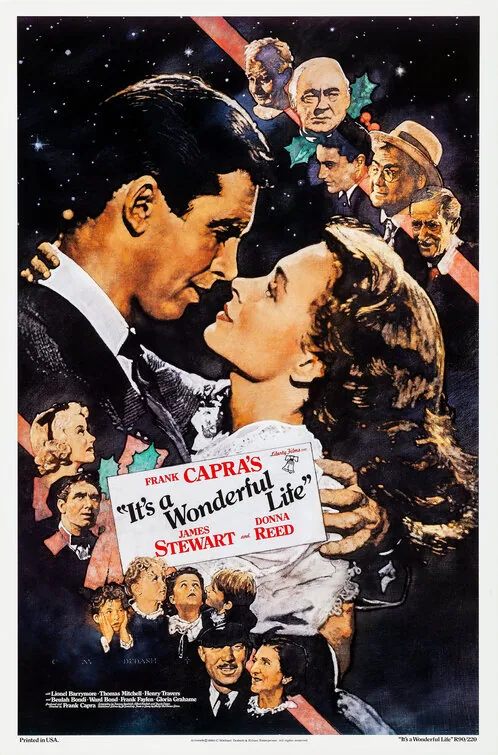
A small-town businessman who has repeatedly postponed his own ambitions reaches a crisis when missing money threatens the institution he has kept alive for his neighbours. A supernatural visitor asks him to reconsider the value of a life he experiences as failure. By revisiting ordinary obligations and imagining their absence, the story connects private despair with the often invisible consequences of friendship, affordable housing and communal care.
Both centre on political resistance and civilian protection.
Why this matches +
Genres: Drama / Western
Shared film traits
Based on recorded story, mood and style. Your preferences can change the order.
Political resistance · Escape and pursuit
What changes The Postman: long-form journey and escalating. Horizon: An American Saga – Chapter 1: a multi-threaded chapter lays groundwork for a continuing frontier epic.
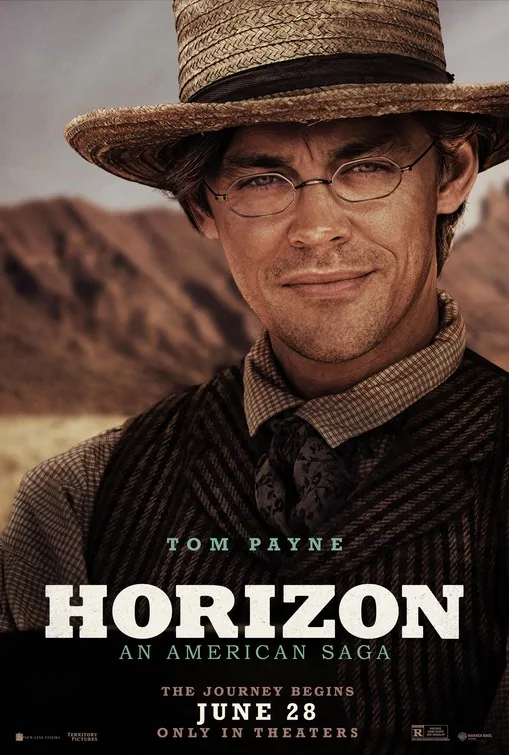
In the years before and after the Civil War, settlers, soldiers, and Indigenous communities encounter the expansion of a frontier town called Horizon. Multiple storylines follow people arriving, defending homes, and confronting the consequences of settlement. The Western is structured as the opening of a larger saga, emphasizing movement across a wide landscape while placing family ambition beside the violence and displacement that accompany territorial expansion.
Both centre on political resistance and coercive institution.
Why this matches +
Genres: Science fiction / Drama
Shared film traits
Based on recorded story, mood and style. Your preferences can change the order.
Political resistance
What changes The Postman: long-form journey and escalating. Fahrenheit 451: measured.
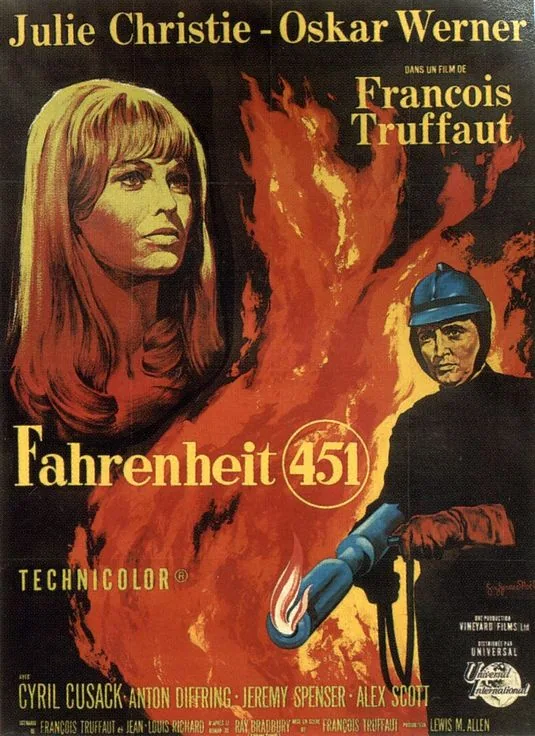
A fireman in a society that burns books begins secretly reading what he is paid to destroy. Encounters with a questioning neighbor and a reader willing to die with her library make his work harder to separate from the emotional and intellectual life it suppresses. Concealment turns his own home into a contested space, while a community beyond official routines offers preservation through memory rather than permanent possession of endangered objects.
Based on recorded story, mood and style. Your preferences can change the order.
Political resistance
What changes The Postman: long-form journey and escalating. Robin Hood: fast and action-led.
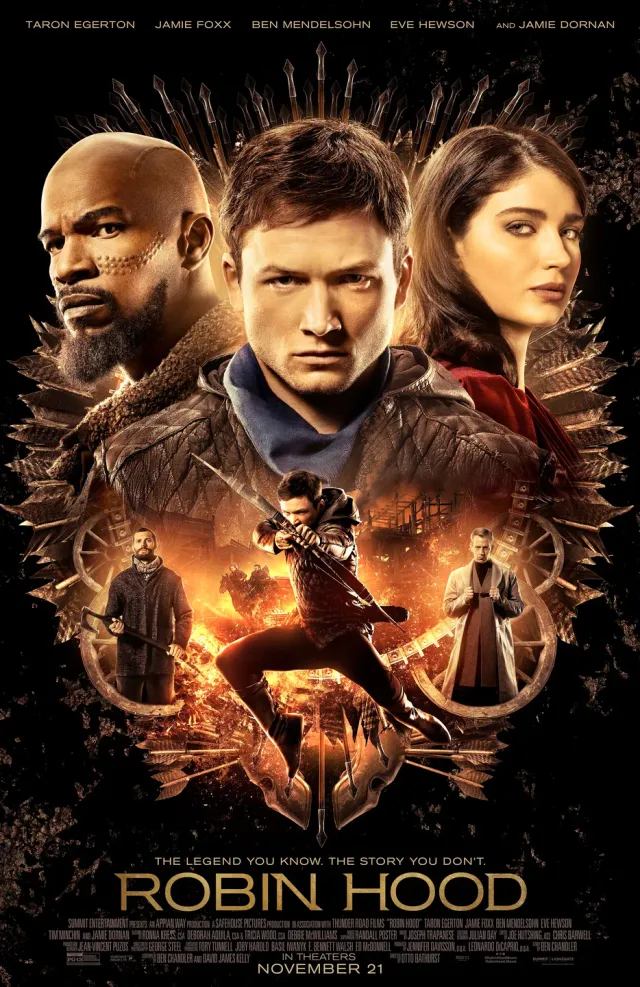
Returning from war, Robin of Loxley finds his property taken and his home city impoverished by a sheriff funding further conflict. With the help of a former enemy, he adopts a concealed identity and begins stealing from the authorities. Maintaining an aristocratic public role while aiding resistance forces him to navigate divided loyalties, lost romance and the risk that replacing one powerful figure will not change the system.
Both centre on political resistance and civilian protection.
Why this matches +
Genres: Science fiction / dystopian thriller
Shared film traits
Based on recorded story, mood and style. Your preferences can change the order.
Political resistance
What changes The Postman: long-form journey and escalating. Snowpiercer: forward-driving and compartmentalized.
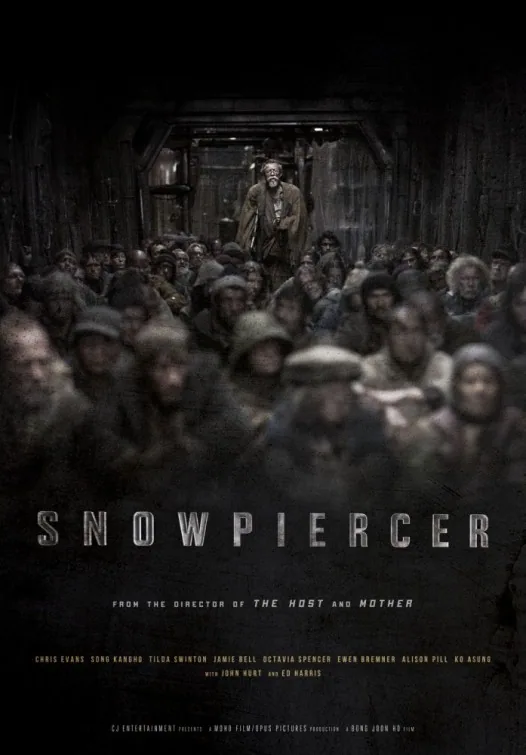
A failed climate intervention has frozen Earth, leaving the last human survivors aboard a continuously moving train divided by class. Tail-section passenger Curtis leads a revolt toward the engine, pushing through cars whose comfort and privilege increase with each step forward. The group frees security specialist Namgoong and his daughter Yona, whose knowledge of the train and the changing world complicates Curtis’s plan. Reaching the front means confronting both the train’s order and the rebellion’s own history of survival at others’ expense.
Based on recorded story, mood and style. Your preferences can change the order.
Political resistance
What changes The Postman: long-form journey and escalating. Open Range: slow-building and violent climax.
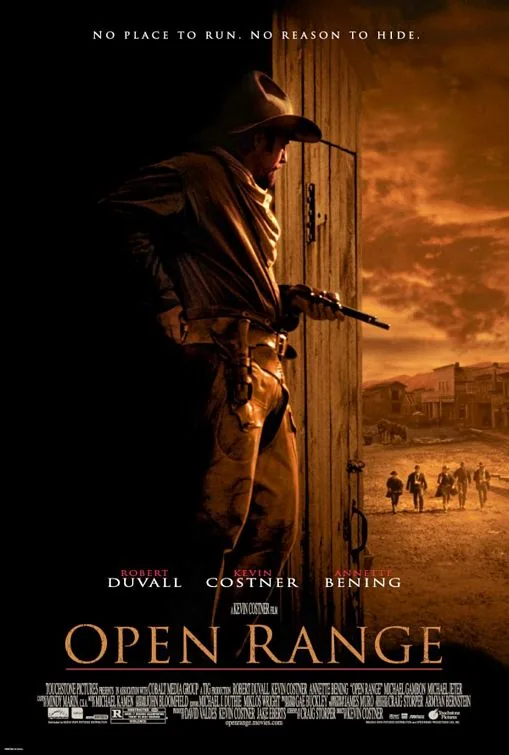
Two free-grazing cattlemen enter a Montana town controlled by a wealthy rancher who expects them to follow his rules. When violence against their crew reveals that negotiation alone will not protect the community, the men consider how to respond without abandoning the code that has guided their lives. The Western builds from quiet work and local observation toward a confrontation about land, power and the meaning of self-determination.
Based on recorded story, mood and style. Your preferences can change the order.
Political resistance
What changes The Postman: long-form journey and escalating. The Host: journey-driven and reflective.
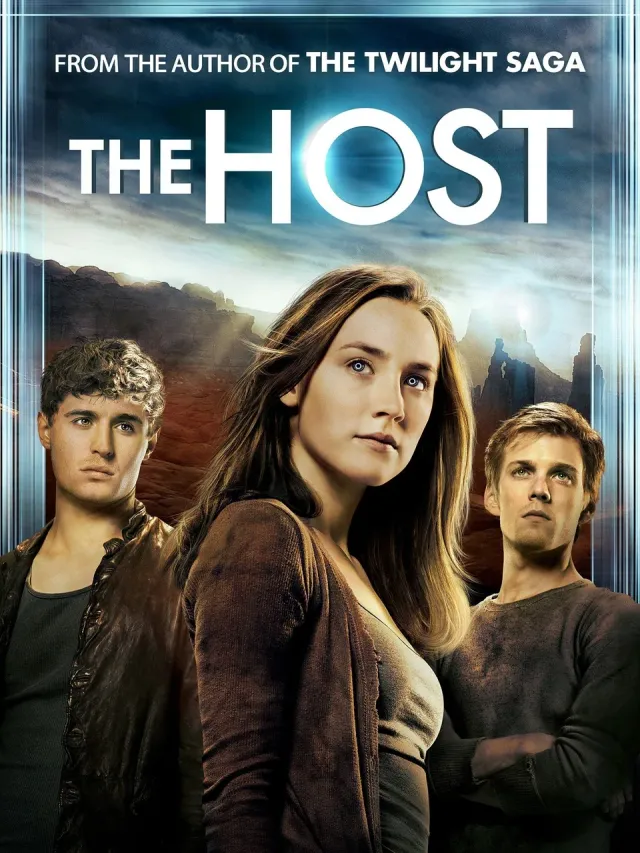
After parasitic alien Souls occupy most human bodies, Melanie Stryder's consciousness refuses to disappear when a Soul called Wanderer enters her. The two minds share one body while seeking Melanie's family and a hidden human refuge, and their uneasy coexistence changes as Wanderer encounters people she was expected to betray. Andrew Niccol's science-fiction romance centers identity, empathy, and resistance within an invasion premise.
Based on recorded story, mood and style. Your preferences can change the order.
Political resistance · Escape and pursuit
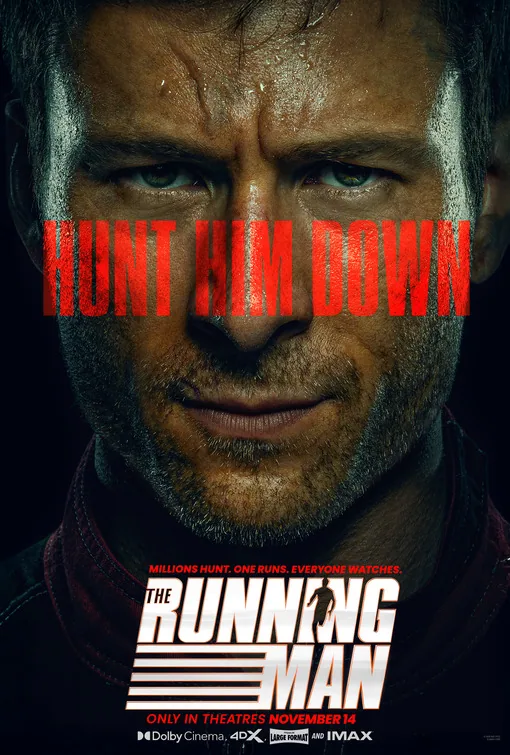
What changes The Postman: long-form journey and escalating. The Running Man: a public manhunt escalates through stages of flight and broadcast manipulation.
In a near-future society ruled by a media network, Ben Richards enters a televised manhunt to provide for his family. The contestants are promised freedom if they survive, while the program turns their pursuit into mass entertainment. This adaptation frames action as a confrontation with manufactured spectacle, examining how poverty and audience appetite sustain authoritarian control while a hunted man becomes an unwilling symbol of resistance.
Based on recorded story, mood and style. Your preferences can change the order.
What changes The Postman: long-form journey and escalating. Voyagers: a contained ensemble story shifts from routine to increasingly unstable conflict.
A group of children are raised and sent aboard a long-distance spacecraft to reach a habitable planet generations later. When their adult supervisor dies, the young crew question the rules that have structured their lives, and their expedition becomes an experiment in power and desire. The enclosed science-fiction drama turns a mission into a study of social order, inherited purpose, and how quickly fragile systems can change.
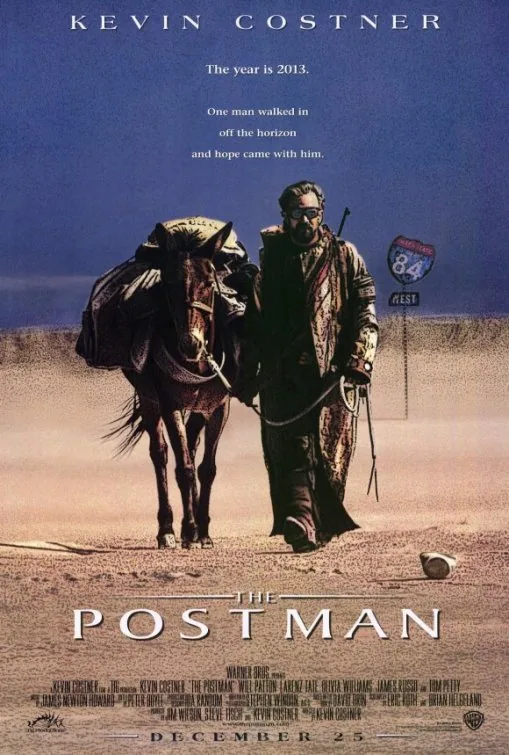
Years after an unspecified catastrophe has broken the United States into isolated settlements, a nameless wanderer survives by performing Shakespeare. He puts on a dead postal worker's uniform to stay warm and, when confronted in Pineview, pretends to carry mail from a restored government. The story he invents gives residents a reason to reconnect, and the young Ford Lincoln Mercury becomes one of the first new carriers. General Bethlehem's Holnist militia sees the postal network as a threat to its rule and begins persecuting couriers. The wanderer's lie therefore grows into a movement larger than he intended, forcing him to decide whether to confess it or accept responsibility for what it has inspired. The adaptation turns David Brin's novel into a broad frontier epic about symbols and civic hope.
What drives the story
A survival disguise becomes a promise of restored government, and the mail network it inspires challenges a warlord's isolated rule.
The people at its centre
The Postman resists leadership until the people who believe his story need him; Ford and Abby embody two forms of hope he did not plan to create.
What it feels like
A long post-apocalyptic Western blends travel, romance, military spectacle and deliberately earnest civic mythmaking.
Worth knowing
For viewers who like expansive frontier stories about rebuilding institutions. It is more idealistic and melodramatic than the novel, and not a gritty survival thriller.