Explore films connected to The River through Family livelihood, Rural debt, Labor and class. Choose the qualities you want to carry into your next watch.
What should feel similar?
Find your next favourite
9 films · Closest overall matches
Hide films you’ve seen or don’t want. Saved on this device.
No matches for this combination yet.
Try another option or reset your choices to see more films.
Based on recorded story, mood and style. Your preferences can change the order.
Family and care
What changes The River: slow-building, intercut domestic and work life and climactic natural crisis. The Apple Dumpling Gang: steady, escalating and set-piece driven.
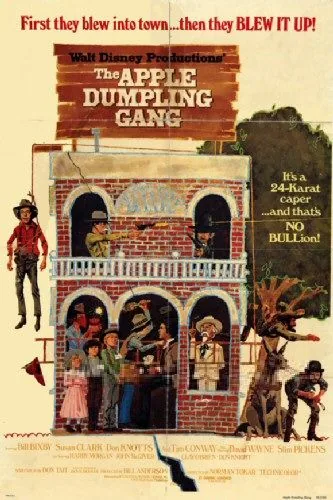
In a frontier town, gambler Russell Donovan expects to collect a parcel for an absent associate and instead finds himself responsible for three orphaned children. Their unruly adventures consume his travel money and pull him into the town’s everyday life. Two bumbling outlaws also pursue him, while the children’s ingenuity gradually turns an accidental guardianship into a real family bond.
Based on recorded story, mood and style. Your preferences can change the order.
Family and care · Work and ambition
What changes The River: slow-building, intercut domestic and work life and climactic natural crisis. The Beverly Hillbillies: a string of social misunderstandings and schemes tests whether sudden wealth can alter family loyalties.
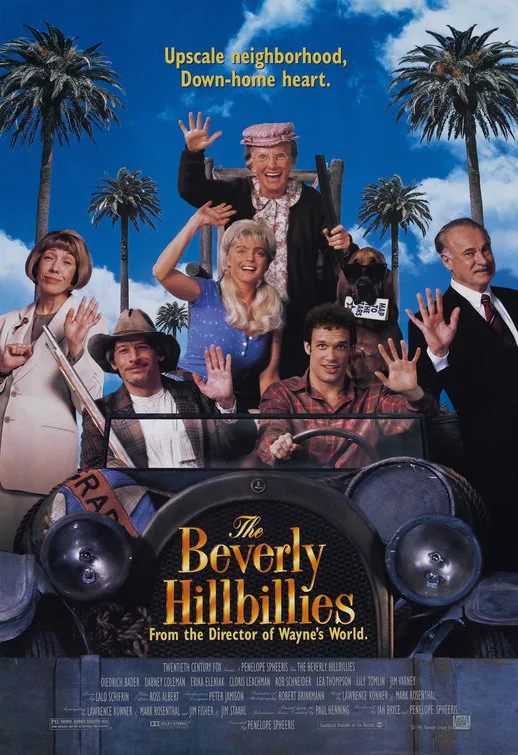
Jed Clampett discovers oil on his Arkansas land and sells it for a fortune, then moves with his family to a mansion in Beverly Hills. Their new neighbors include banker Milburn Drysdale and his assistant Jane Hathaway, who try to introduce the Clampetts to local customs while keeping the family’s enormous deposit at the bank. The family’s rural habits and direct manner collide with the manners of their wealthy surroundings. As social climbers and romantic schemes gather around them, Jed, Granny, Elly May and Jethro rely on loyalty and hospitality to navigate a world that assumes money should change who they are.
Based on recorded story, mood and style. Your preferences can change the order.
Survival
What changes The River: slow-building, intercut domestic and work life and climactic natural crisis. Places in the Heart: measured and seasonal progression.
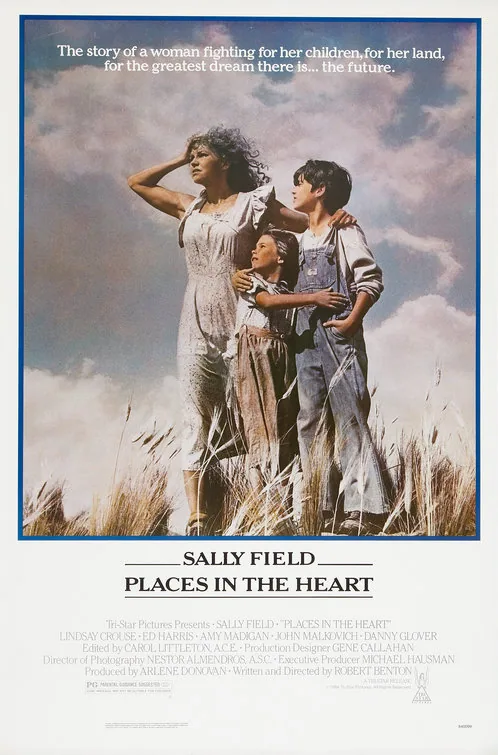
In Depression-era Texas, widowed Edna Spalding tries to keep her farm after her husband's death. She hires a blind boarder and a Black laborer, whose work and differing circumstances become central to the household's survival through a difficult season. Their practical cooperation unfolds against racism, economic insecurity and family grief, giving the farm's struggle a wider view of interdependence in a small community.
Based on recorded story, mood and style. Your preferences can change the order.
Power and authority · Survival
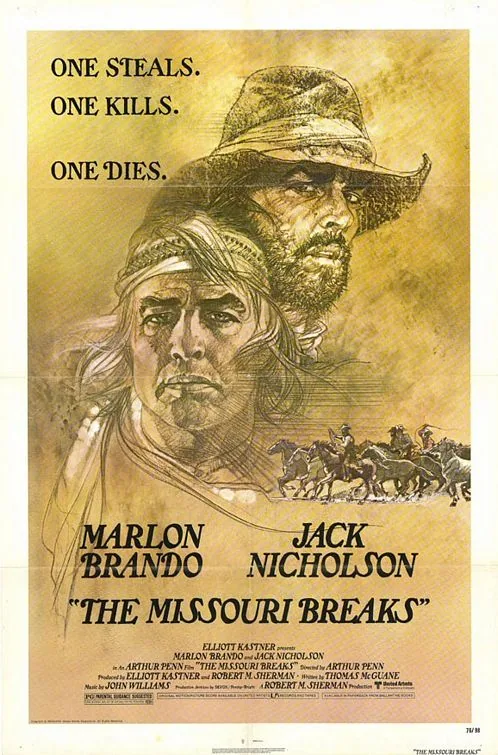
What changes The River: slow-building, intercut domestic and work life and climactic natural crisis. The Missouri Breaks: measured, unpredictable and building.
In Montana cattle country, rustler Tom Logan and his gang retaliate against land baron David Braxton after Braxton's men hang one of their friends. The gang buys a nearby farm and continues rustling, but Logan grows attached to Braxton's spirited daughter Jane. Braxton hires the eccentric and lethal regulator Robert E. Lee Clayton to stop the thefts, turning a contest over land and justice into an unpredictable cat-and-mouse game.
Based on recorded story, mood and style. Your preferences can change the order.
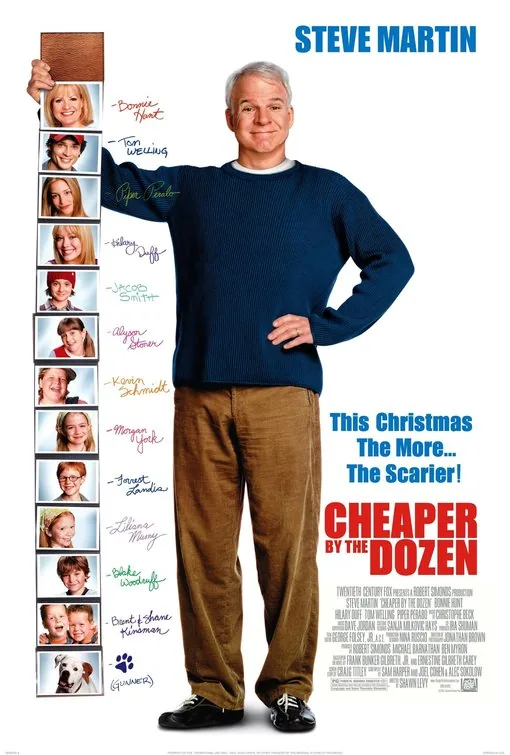
What changes The River: slow-building, intercut domestic and work life and climactic natural crisis. Cheaper by the Dozen: brisk and episodic.
Tom and Kate Baker move their large family to a new town when Tom gets a coaching job, disrupting routines that had kept the household together. As the children adjust and their parents face competing ambitions, small conflicts multiply into a family-wide test of communication. The comedy treats domestic chaos as slapstick and a question about shared care.
Based on recorded story, mood and style. Your preferences can change the order.
Survival
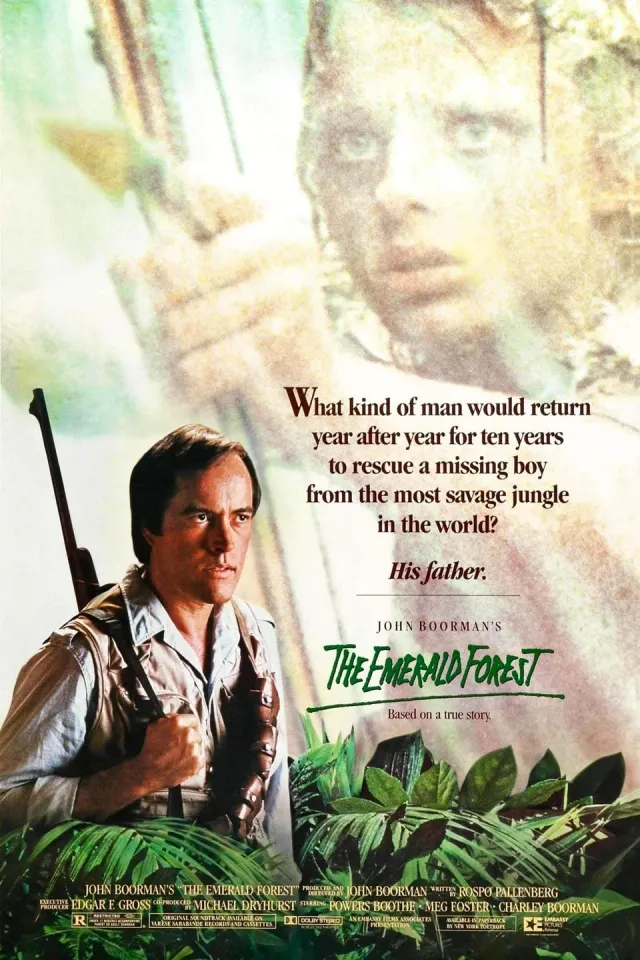
What changes The River: slow-building, intercut domestic and work life and climactic natural crisis. The Emerald Forest: journey-led and conflict escalates.
Engineer Bill Markham helps build a dam in the Amazon, and his young son disappears near the construction site. Years later, Bill discovers that the boy has grown up within an Indigenous community whose life and territory are threatened by the project. The search becomes a conflict over family, identity and the cost of imposing development on a forest and its people, with the son caught between two worlds.
Based on recorded story, mood and style. Your preferences can change the order.
Work and ambition · Power and authority
What changes The River: slow-building, intercut domestic and work life and climactic natural crisis. The Burial: procedural, argument-driven, steady and climactic.
Mississippi funeral-home owner Jeremiah O’Keefe brings in charismatic trial lawyer Willie E. Gary after a business deal with the Loewen Group threatens to overwhelm his family company. The case becomes a courtroom fight over contract terms, competition and power in the funeral industry, with the two men developing an unlikely working partnership. Maggie Betts’s legal drama is based on the real dispute reported in Jonathan Harr’s 1999 New Yorker article.
Based on recorded story, mood and style. Your preferences can change the order.
Family and care · Power and authority
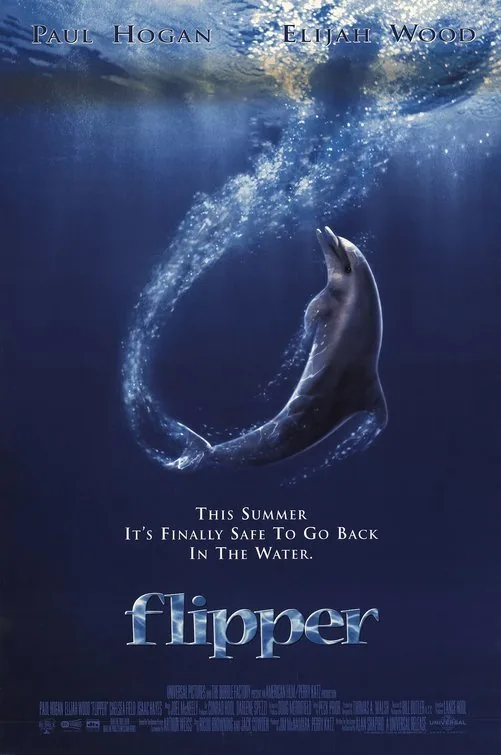
What changes The River: slow-building, intercut domestic and work life and climactic natural crisis. Flipper: sandy’s summer shifts from boredom to protecting flipper and exposing a fisherman’s illegal dumping.
Teenager Sandy Ricks spends a reluctant summer with his uncle Porter in the Florida Keys, far from the concert he hoped to attend. He befriends Kim and encounters a dolphin he names Flipper after local fisherman Dirk Moran shoots at the animal’s pod. Sandy and Porter try to protect the dolphin while discovering that Moran is dumping toxic waste. A dangerous search at sea brings Sandy face to face with a shark, and Flipper’s pod helps turn the rescue into a chance for the boy and dolphin to part on better terms.
Based on recorded story, mood and style. Your preferences can change the order.
Survival
What changes The River: slow-building, intercut domestic and work life and climactic natural crisis. Breakthrough: hospital scenes sustain tension through waiting and uncertainty.
When teenager John Smith falls through ice on a Missouri lake and is hospitalized without signs of life, his mother Joyce refuses to give up hope. The family and medical team wait for a response as faith, uncertainty and grief shape the crisis. Based on a reported case, the drama follows the family’s experience of medical peril and the community that gathers around them.
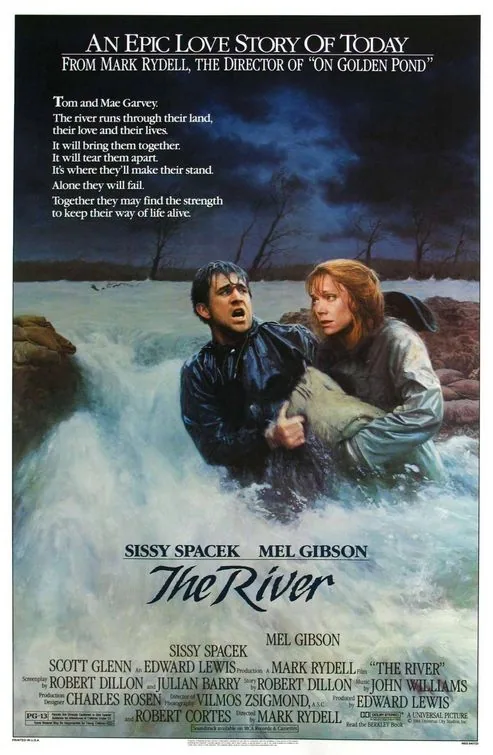
Tom and Mae Garvey raise their children on a Tennessee farm that has been in Tom’s family for generations, but falling crop prices and repeated floods threaten their livelihood. Mill owner Joe Wade is quietly buying riverside land to build a dam that would benefit farms elsewhere. Tom takes a job at a steel plant to prevent foreclosure and discovers he has been hired as a strikebreaker, leaving Mae and the children to manage the farm alone. As Wade presses the family to sell and another flood approaches, neighbors join Tom to build a levee. The community’s effort is tested when Wade offers struggling farmers money to tear it down, forcing people who have lost land to choose sides.
What drives the story
A family’s attempt to keep its land collides with both a powerful buyer and the river’s repeated floods.
The people at its centre
Tom’s determination to preserve the farm strains his marriage, while Mae carries the household through his absence.
What it feels like
The film joins labor hardship and environmental threat in a broad, earnest portrait of a farming community.
Worth knowing
This is a family drama about land, work and flood risk, rather than a disaster film focused only on spectacle.
Family livelihoodRural debtLabor and class
Mood
Grounded · Strained · Earnest · Stormy
Pacing
Slow-building · Intercut domestic and work life · Climactic natural crisis
Visual style
Riverside landscapes · Rain and flood imagery · Industrial interiors · Naturalistic family scenes
Storytelling
Farm under pressure · Family separation · Labor conflict · Levee stand