Based on recorded story, mood and style. Your preferences can change the order.
Memory and identity
What changes The Sheltering Sky: slow and episodic travel progression gives way to an increasingly stark survival journey. The Kite Runner: interwoven and building.
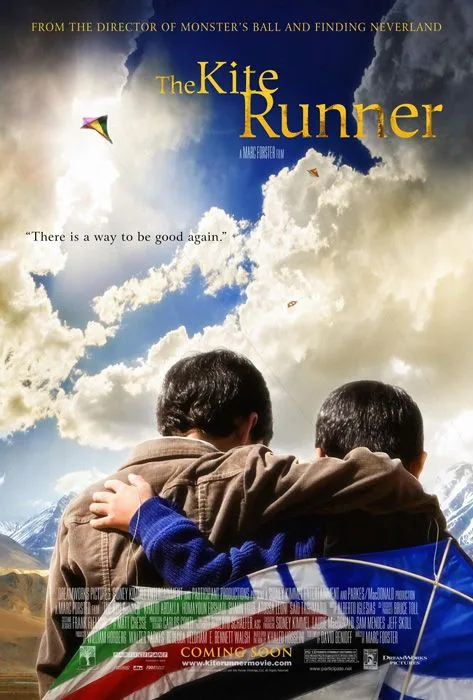
A man living in the United States returns to Afghanistan after learning that a childhood friend’s son is in danger. The journey forces him to revisit a betrayal and the social upheaval that shaped their lives. The adaptation follows memory across decades and countries, linking personal guilt to family history, displacement and the consequences of choices made in childhood.
Based on recorded story, mood and style. Your preferences can change the order.
Survival
What changes The Sheltering Sky: slow and episodic travel progression gives way to an increasingly stark survival journey. Into the Wild: measured.
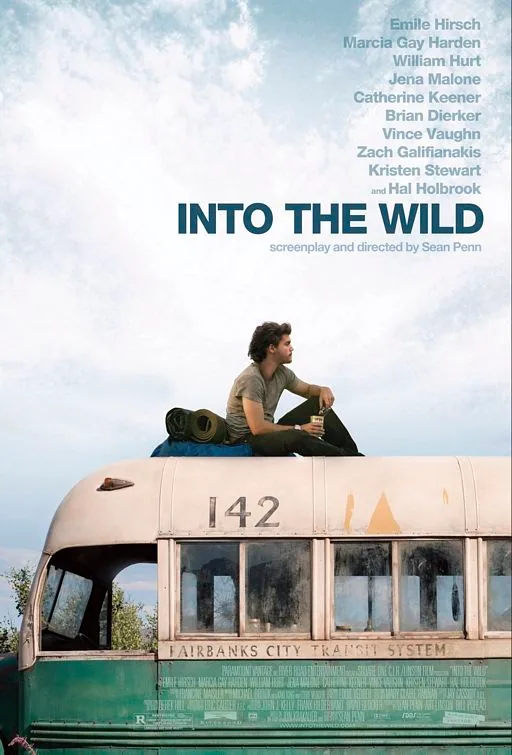
A young graduate cuts ties with his family, abandons conventional security and travels across the United States in search of a freer life. Temporary work and encounters with generous strangers offer forms of belonging he repeatedly moves beyond. His eventual retreat into Alaska tests the distance between a chosen ideal of self-sufficiency and the practical, emotional dependence that surviving in an indifferent landscape demands.
Both share themes of mortality, plus a contemplative atmosphere.
Why this matches +
Genres: Drama / Science Fiction
Shared film traits
Based on recorded story, mood and style. Your preferences can change the order.
Memory and identity
What changes The Sheltering Sky: slow and episodic travel progression gives way to an increasingly stark survival journey. Swan Song: cameron considers a secret replacement procedure, meets the version of himself meant to continue his life and and weighs love against honesty..
In a near future, husband and father Cameron Turner is diagnosed with a terminal illness and offered a way to spare his family grief: a clone can take his place without their knowledge. Cameron weighs the promise of continuity against the ethics of replacement and the loss of a final chance to say goodbye. The intimate science-fiction drama makes identity a family decision.
Based on recorded story, mood and style. Your preferences can change the order.
Romance and intimacy · Memory and identity
What changes The Sheltering Sky: slow and episodic travel progression gives way to an increasingly stark survival journey. Queer: episodic, drifting and hallucinatory.
In 1950s Mexico City, expatriate writer William Lee spends his days in bars and drifting conversation, increasingly drawn to former soldier Eugene Allerton. Their uncertain connection pulls Lee into a search for closeness that he tries to manage through desire, alcohol and self-invention. When the two travel farther into South America, the relationship and Lee's fantasies become harder to separate from his isolation, creating an adaptation shaped by longing, obsession and the limits of mutual understanding.
Based on recorded story, mood and style. Your preferences can change the order.
What changes The Sheltering Sky: slow and episodic travel progression gives way to an increasingly stark survival journey. Shame: repetitive, slow-burn and open-ended.
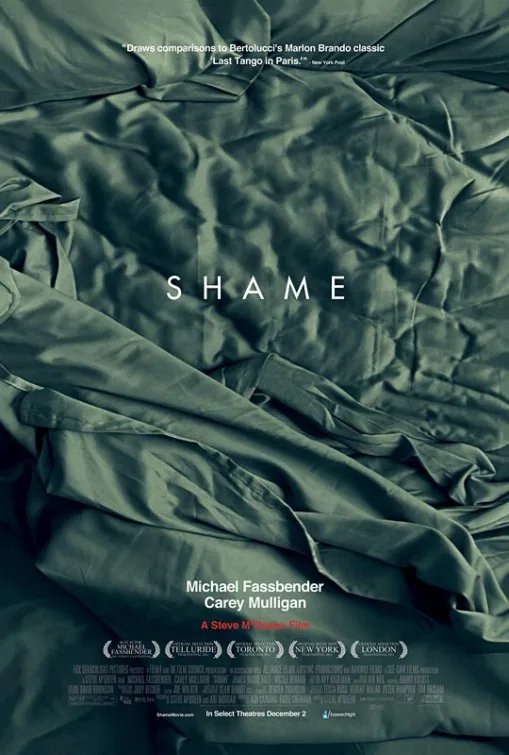
Brandon is a well-paid New Yorker whose pornography use, sex and pursuit of anonymous encounters have become a rigid daily routine. His sister Sissy arrives unexpectedly and asks to stay, bringing emotional need into an apartment and life Brandon has arranged to avoid intimacy. He tries a date with a co-worker, but cannot maintain the closeness and retreats into anonymous sex; meanwhile, his anger toward Sissy escalates as her vulnerability makes their shared past difficult to ignore. When she harms herself, Brandon’s carefully controlled distance gives way to panic, though the ending leaves his next choice unresolved.
Based on recorded story, mood and style. Your preferences can change the order.
Memory and identity · Social hierarchy
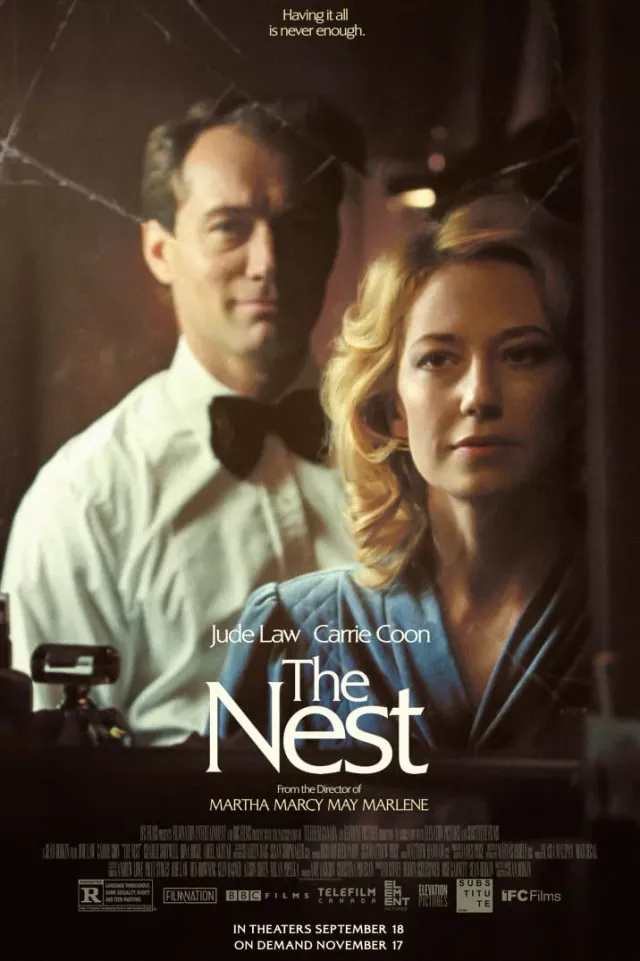
What changes The Sheltering Sky: slow and episodic travel progression gives way to an increasingly stark survival journey. The Nest: measured domestic episodes, gradual financial revelations, tension accumulates through routine and quiet unresolved aftermath.
In the late 1980s, trader Rory O’Hara persuades his American family to leave New York for a grand Surrey manor, promising that a return to London will revive his career. His wife Allison tries to build a horse farm and maintain a home for their children, but unpaid bills, stalled renovations, and Rory’s social ambitions expose how precarious their new life is. Sean Durkin’s slow-burn family drama watches a marriage strain under class performance, financial instability, and the gap between appearance and security.
Based on recorded story, mood and style. Your preferences can change the order.
Memory and identity
What changes The Sheltering Sky: slow and episodic travel progression gives way to an increasingly stark survival journey. Lion: two-part and measured.
A small boy becomes separated from his brother and travels so far by train that the words he knows cannot guide him home. After danger and institutional care, adoption gives him a secure life in Australia, but remembered sensations later reopen the absence of the family who never learned where he went. Digital maps provide a means of searching without making memory precise. The biographical drama holds two forms of belonging together, making reunion an expansion of attachment rather than proof that one family was only a substitute.
Based on recorded story, mood and style. Your preferences can change the order.
Survival
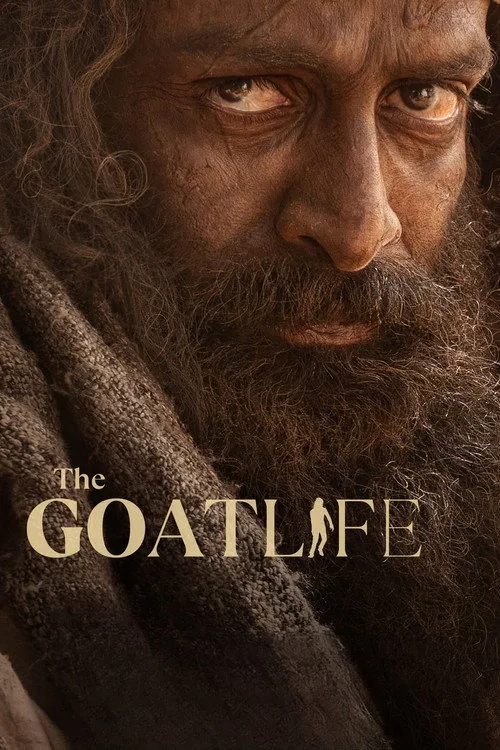
What changes The Sheltering Sky: slow and episodic travel progression gives way to an increasingly stark survival journey. Aadujeevitham: The Goat Life: arrival becomes sudden entrapment, daily labor and isolation accumulate and escape attempt tests physical endurance.
Najeeb, a Malayali migrant seeking work in Saudi Arabia, is stranded after arriving and deceived by a sponsor who takes him to a remote desert farm. Forced to herd goats under brutal conditions, he loses contact with home and struggles to preserve his sense of self. Years later, a chance encounter with other workers offers an escape route, but crossing the open desert demands endurance and risks the only possibility of returning to his family.
Based on recorded story, mood and style. Your preferences can change the order.
Romance and intimacy · Memory and identity
What changes The Sheltering Sky: slow and episodic travel progression gives way to an increasingly stark survival journey. Love at First Sight: gentle, romantic, interwoven and resolving.
After missing a flight from New York to London, Hadley meets Yale student Oliver at the airport and discovers an easy connection during their long journey. They separate after landing without exchanging enough information to find one another, while each faces a different family event in England. Vanessa Caswill’s romantic drama frames the chance encounter through probability and coincidence, following the young travelers as grief, family change and hope shape their search for a reunion.
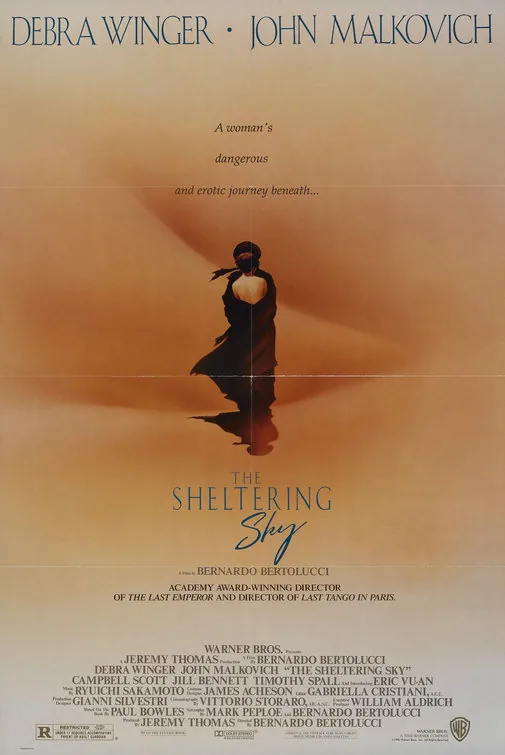
After the Second World War, New Yorkers Port and Kit Moresby travel through North Africa with their friend George Tunner, describing themselves as travelers rather than tourists. The couple’s relationship is already strained, and the unfamiliar cities and desert journeys deepen their distance from each other. Tunner’s presence complicates their intimacy, while encounters with other travelers and local communities expose the couple’s assumptions and vulnerabilities. As the route moves farther into the Sahara, the landscape becomes a test of endurance and connection, and Kit must continue alone after Port falls gravely ill.
What drives the story
The travelers’ search for experience carries them into conditions that reveal the limits of their control and preparation.
The people at its centre
Port and Kit’s fragile marriage is strained by their different needs, while Tunner’s attachment to Kit unsettles the group.
What it feels like
The film invites attention to atmosphere and landscape as emotional pressures rather than treating travel as a sequence of destinations.
Worth knowing
Its focus is a marriage and its disintegration on a journey through an immense, unfamiliar desert.
Lovealienationtravel
Mood
Languid · sensual · desolate · contemplative
Pacing
Slow · episodic travel progression gives way to an increasingly stark survival journey
Visual style
Expansive desert vistas · city interiors and long passages across North African landscapes
Storytelling
Marital journey becomes a desert ordeal; a friend’s presence complicates intimacy