Both share family biography, plus themes of family.
Why this matches +
Genres: Drama / Music
Shared film traits
Based on recorded story, mood and style. Your preferences can change the order.
Work and ambition · Family and care
Expect earnest and hopeful, with steady and family-centered pacing.
David Smallbone moves his family from Australia to Nashville believing a music career can give them a new start, but financial strain quickly deepens. His wife Helen and their children adjust to a city where opportunity and instability arrive together. The faith-based biographical drama draws on the family history behind the careers of Rebecca St. James and For King & Country, focusing on persistence, belief and shared support.
Based on recorded story, mood and style. Your preferences can change the order.
What changes The Unbreakable Boy: episodic, family-centered and uplifting. Boyhood: measured.
A Texas boy grows from early childhood towards college while his family moves, changes partners and adapts to financial and emotional pressures. Ordinary conversations, sibling conflicts and shifting friendships accumulate without a single governing crisis. As the years pass, the adults' unfinished lives remain visible alongside his developing sense of identity, making growing up a process of observation as much as decisive action.
Based on recorded story, mood and style. Your preferences can change the order.
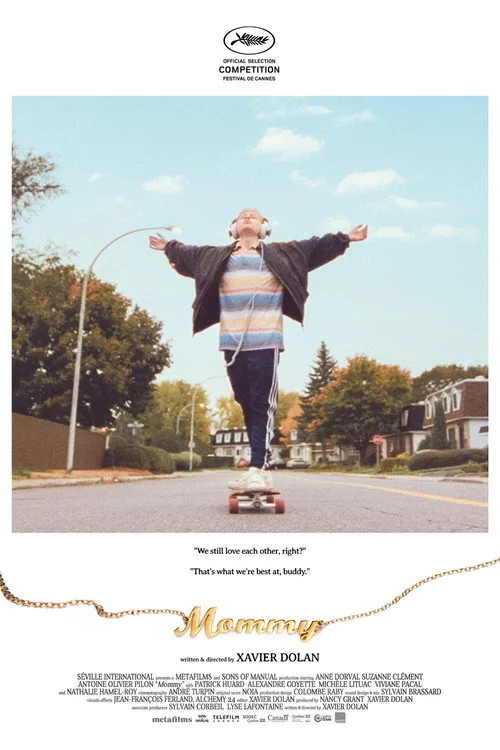
What changes The Unbreakable Boy: episodic, family-centered and uplifting. Mommy: emotional surges, close domestic scenes and uneven shifts between warmth and conflict.
Diane Després brings her volatile teenage son Steve home from an institution and tries to build a workable life despite financial and emotional strain. Their intense bond is tested by Steve's unpredictable behavior and by the limits of the care available to them. A neighbor, Kyla, becomes an important presence, offering moments of calm while coping with her own difficulties. Xavier Dolan's drama shifts between tenderness, conflict, and hope, using intimate performances and a changing frame to keep the family relationship at the center of its turbulent world.
Based on recorded story, mood and style. Your preferences can change the order.
Family and care
What changes The Unbreakable Boy: episodic, family-centered and uplifting. The Beautiful Game: brisk, game-centered and character-focused.
A teacher in a working-class coastal town begins coaching a youth soccer team after an encounter with a professional player. The team brings together local teenagers with different skills, temperaments and pressures at home, and training creates a new shared routine for them. As the coach helps the players see a future beyond their immediate circumstances, the film blends a sports story with a portrait of community life and the role of patient adult support.
Based on recorded story, mood and style. Your preferences can change the order.
Family and care
What changes The Unbreakable Boy: episodic, family-centered and uplifting. The Apple Dumpling Gang: steady, escalating and set-piece driven.
In a frontier town, gambler Russell Donovan expects to collect a parcel for an absent associate and instead finds himself responsible for three orphaned children. Their unruly adventures consume his travel money and pull him into the town’s everyday life. Two bumbling outlaws also pursue him, while the children’s ingenuity gradually turns an accidental guardianship into a real family bond.
Based on recorded story, mood and style. Your preferences can change the order.
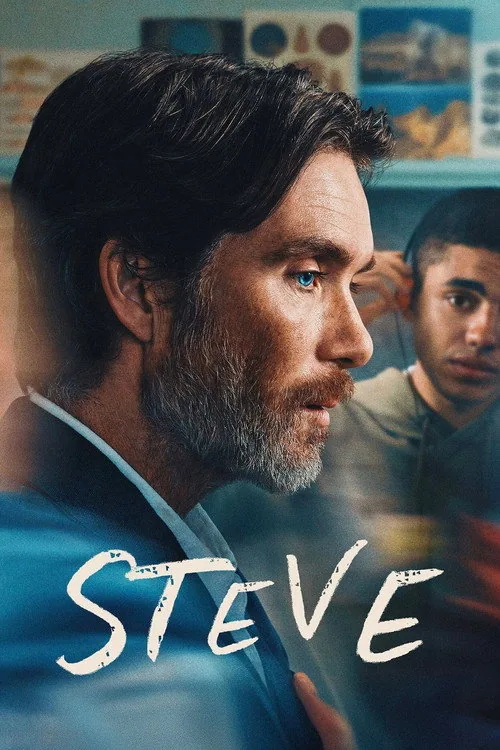
What changes The Unbreakable Boy: episodic, family-centered and uplifting. Steve: school's fragile routine is introduced, student and staff crises accumulate and future of the institution becomes urgent.
Steve is the headteacher of a last-chance reform school for boys with serious social and behavioral difficulties. Over one pivotal day, he tries to protect the school's integrity and stave off its impending closure while supporting students whose lives have been shaped by exclusion and instability. Shy, a troubled teenager, struggles with anger and his own uncertain future as staff respond to mounting crises. Set in mid-1990s England and adapted from Max Porter's novella Shy, the drama examines the fragile work of care inside an institution running short on time and resources.
Based on recorded story, mood and style. Your preferences can change the order.
Music and performance
What changes The Unbreakable Boy: episodic, family-centered and uplifting. Mr. Holland's Opus: decades-spanning and reflective.
Glenn Holland takes a teaching job to support his family while hoping to compose music in his spare time. What he expects to be temporary gradually becomes a life's work, as students, colleagues and family shape his understanding of success. The film follows changes across decades and gives particular weight to his relationship with his deaf son, where music's importance must be reconciled with the ways his child experiences the world.
Based on recorded story, mood and style. Your preferences can change the order.
What changes The Unbreakable Boy: episodic, family-centered and uplifting. A Dog's Purpose: episodic lifetimes gather into a reunion arc.
A dog is reborn into several lives, forming different bonds with people while trying to understand the purpose of its repeated returns. Each life changes the animal’s surroundings and relationships, but its capacity for care connects the episodes. The family drama uses a fantastical viewpoint to reflect on loyalty, grief and the ways companionship shapes a human life.
Based on recorded story, mood and style. Your preferences can change the order.
Music and performance
What changes The Unbreakable Boy: episodic, family-centered and uplifting. I Can Only Imagine: decade-spanning and reflective.
Bart Millard grows up in Texas with an abusive father and a mother who eventually leaves, carrying anger and hurt into adulthood. Music offers him a path toward a career with the band MercyMe, but success does not by itself settle his relationship with his father or his faith. The drama follows the personal history behind a song, linking artistic ambition with forgiveness while treating reconciliation as a difficult choice rather than an easy cure.
Austin is a boy whose autism and brittle bone disease shape daily life for him and his family. His parents respond to medical crises, social misunderstandings and the demands of raising a child with care that is tested by exhaustion and uncertainty. Based on Scott LeRette's book, the family drama focuses on Austin's personality and on the adults learning to see resilience as part of ordinary life rather than a cure or a simple inspirational lesson.
What drives the story
A family adapts to the medical and social challenges that shape their son's life.
The people at its centre
Austin's parents balance protection with the need to recognize his independence and individuality.
What it feels like
The story places care and frustration beside humor and affection in daily family routines.
Worth knowing
Its biographical approach frames resilience as shared adaptation rather than a cure narrative.
disabilityfamilyresilience
Mood
tender · earnest · hopeful · emotional
Pacing
episodic · family-centered · uplifting
Visual style
warm domestic imagery · school and hospital settings · intimate portraits
Storytelling
family biography · disability · parenthood · Christian drama