Explore films connected to Trainwreck: Poop Cruise through crisis and preparation, institutional responsibility, collective endurance. Choose the qualities you want to carry into your next watch.
What should feel similar?
Find your next favourite
9 films · Closest overall matches
Hide films you’ve seen or don’t want. Saved on this device.
No matches for this combination yet.
Try another option or reset your choices to see more films.
Based on recorded story, mood and style. Your preferences can change the order.
Survival
What changes Trainwreck: Poop Cruise: event chronology, interview-led and brief and concentrated. Titan: The OceanGate Disaster: chronological investigation, evidence-led and measured.
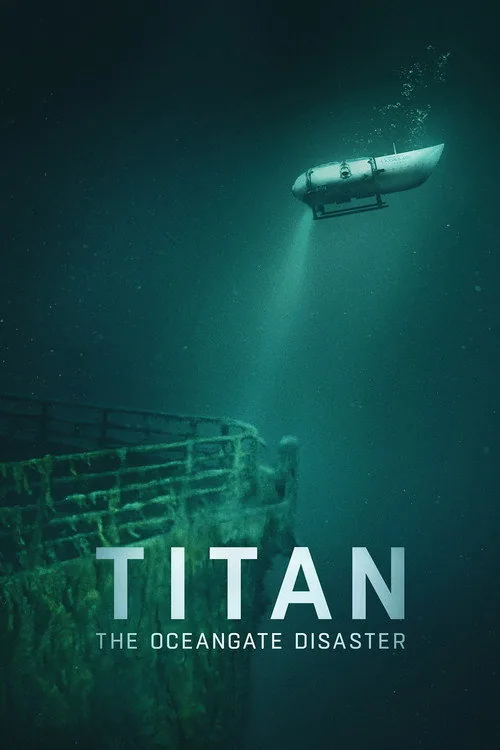
The documentary reconstructs the Titan submersible's fatal 2023 dive toward the Titanic wreck and the decisions that shaped OceanGate's eight-year history. Former employees, whistleblower accounts, recordings, and archived footage illuminate the company's internal culture and CEO Stockton Rush's ambition to make deep-sea tourism a commercial breakthrough. The film follows the gap between a public image of bold innovation and warnings about safety and oversight, asking how private risk-taking became a disaster that captured worldwide attention.
Based on recorded story, mood and style. Your preferences can change the order.
What changes Trainwreck: Poop Cruise: event chronology, interview-led and brief and concentrated. The Crash: evidence-led, cumulative and interview-driven.
This Netflix documentary reconstructs the 2022 Strongsville, Ohio collision that killed Dominic Russo and Davion Flanagan and left driver Mackenzie Shirilla as the sole survivor. Using body-camera and surveillance footage, phone recordings, courtroom material, and interviews with those affected, it traces how investigators moved from an apparent accident toward a murder prosecution. The film examines the contested interpretations of one night and the consequences that followed for the families and community.
Based on recorded story, mood and style. Your preferences can change the order.
What changes Trainwreck: Poop Cruise is tagged chaotic and darkly comic; October H8TE is tagged urgent and argumentative.
Wendy Sachs’s documentary investigates the rise in antisemitism in the United States after the October 7, 2023 attacks, following reactions on college campuses, social media, and in public life. Interviews and reporting connect immediate events to longer-running political and institutional debates, while the title frames the film around a consequential date and its aftermath. It is an advocacy-minded account that argues for attention to how prejudice and disinformation circulate through contemporary American culture.
Based on recorded story, mood and style. Your preferences can change the order.
What changes Trainwreck: Poop Cruise: event chronology, interview-led and brief and concentrated. Mr. Nobody Against Putin: observational, cumulative and reflective.
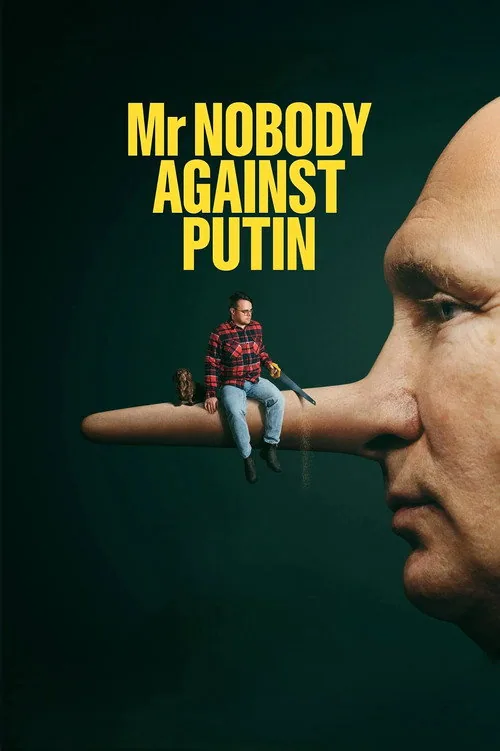
Pavel Talankin, a school videographer and teacher in a small Russian town, is instructed to record official lessons and activities promoting state narratives about the war. He begins using the same camera to document what is happening around him, including militarized youth groups, patriotic classroom rituals, and the effect on students and colleagues. Made with director David Borenstein, the documentary turns an ordinary educator's position inside the institution into a record of propaganda and the personal risks of witnessing it.
Based on recorded story, mood and style. Your preferences can change the order.
What changes Trainwreck: Poop Cruise: event chronology, interview-led and brief and concentrated. Louis Theroux: Inside the Manosphere: conversational, observational and selectively confrontational.
Louis Theroux travels to Miami, New York, and Marbella to meet influencers and content creators operating at the extreme end of the online manosphere. The documentary observes how these figures sell ideas about masculinity, status, and gender to large audiences, while Theroux’s conversations test the gap between their public personas and private motivations. It examines a network built from attention and performance, using access and patient questioning instead of a conventional voice-of-God explainer.
There is little recorded overlap with your starting film.
Why this matches +
Genres: Drama / Action
Shared film traits
Based on recorded story, mood and style. Your preferences can change the order.
Survival
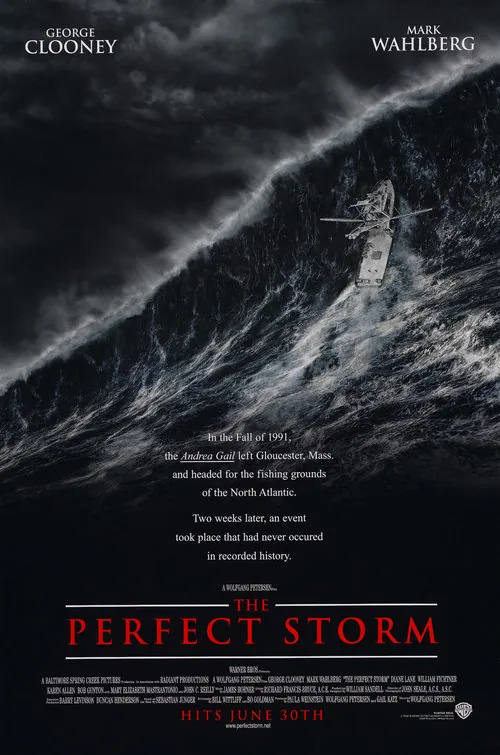
What changes Trainwreck: Poop Cruise: event chronology, interview-led and brief and concentrated. The Perfect Storm: escalating and disaster-driven.
After a poor season, Captain Billy Tyne persuades the crew of the Andrea Gail to take one more late-season fishing trip from Gloucester. Their catch improves far offshore, but a broken ice machine leaves them racing to return before the fish spoil. Weather systems gather across the North Atlantic, and warnings from other vessels become harder to act on as the storm grows. The film follows the crew's struggle at sea alongside families and colleagues waiting on land, making risk and uncertainty part of the drama rather than a puzzle with a safe solution. Based on Sebastian Junger's account of the 1991 storm, it imaginatively fills in the lives of a crew whose vessel was lost with all hands; the film's dialogue and personal details are dramatized.
Based on recorded story, mood and style. Your preferences can change the order.
Survival
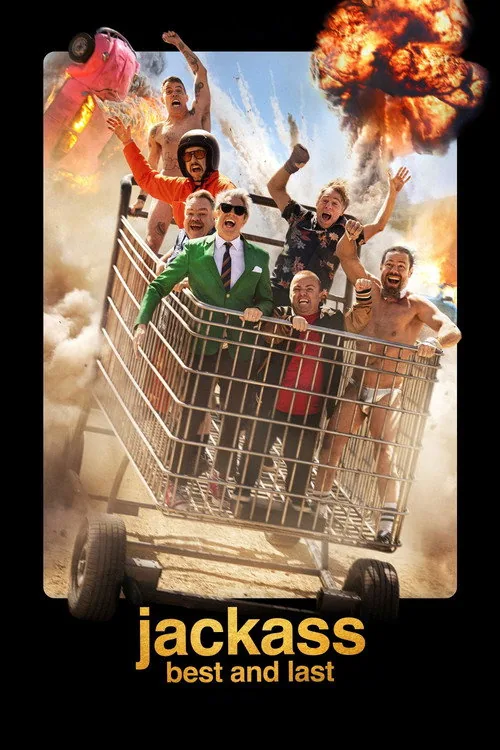
What changes Trainwreck: Poop Cruise: event chronology, interview-led and brief and concentrated. Jackass: Best and Last: sketch-based, high-energy and varied.
Jackass: Best and Last assembles stunts, pranks, and skits from across the franchise alongside new material and footage that had not previously been released. Cast members also appear in on-set conversations that frame the archive as a shared history of friendship, risk, and physical comedy. Rather than following a narrative plot, the film works as a celebratory variety show, inviting viewers to watch the performers revisit the boundary-pushing routines that made the series recognizable.
There is little recorded overlap with your starting film.
Why this matches +
Genres: Adventure / Drama
Shared film traits
Based on recorded story, mood and style. Your preferences can change the order.
Survival
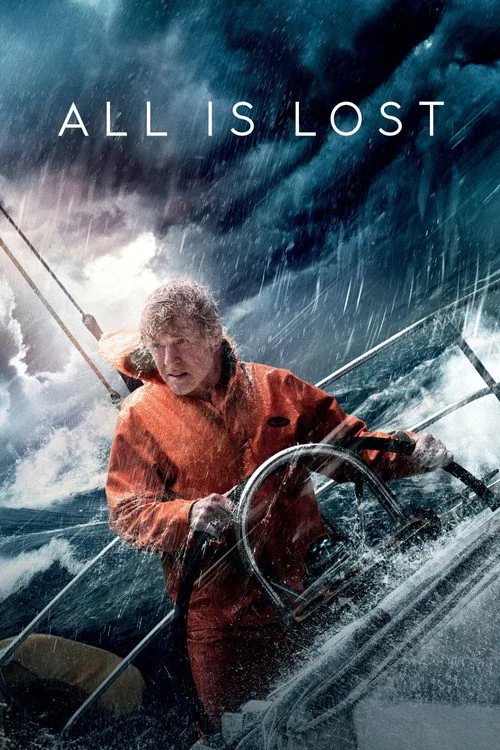
What changes Trainwreck: Poop Cruise: event chronology, interview-led and brief and concentrated. All Is Lost: procedural, measured and crisis escalation.
A lone sailor in the Indian Ocean discovers that his yacht has struck a shipping container and is taking on water. With communications damaged and a storm approaching, he repairs the hull, salvages supplies, and tries to navigate toward help. Each practical decision creates new problems as the vessel and the man’s strength decline. J. C. Chandor’s survival drama is nearly wordless, using Robert Redford’s performance and the precise stages of a maritime emergency to explore endurance and uncertainty.
Based on recorded story, mood and style. Your preferences can change the order.
Survival
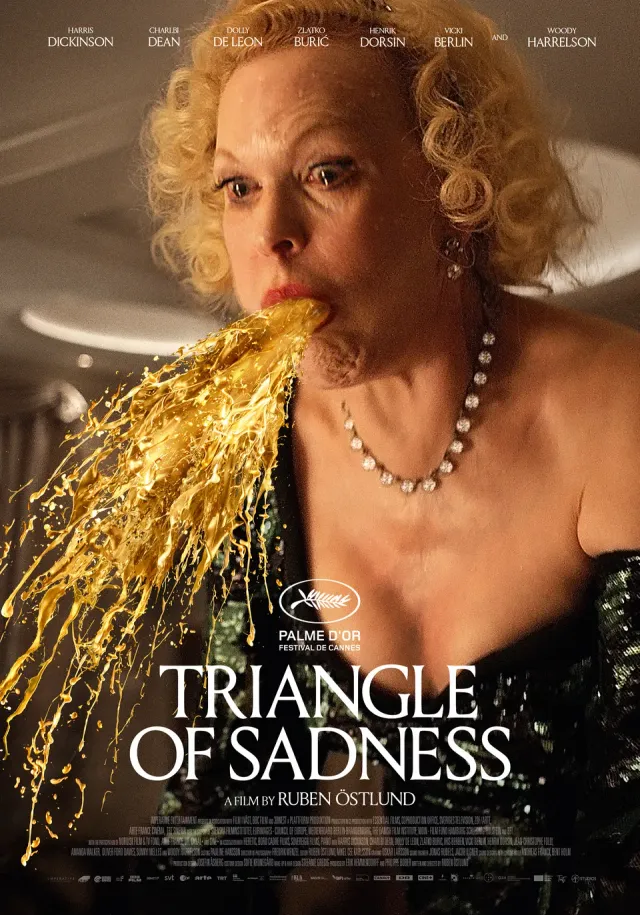
What changes Trainwreck: Poop Cruise: event chronology, interview-led and brief and concentrated. Triangle of Sadness: three-part structure and tonal escalation.
Model couple Carl and Yaya board a luxury yacht where status is performed through service, money and carefully managed appearances. The ship’s crew are expected to keep guests pleased, while the captain and an arms dealer bring their own views of wealth and power to the trip. A storm and a chaotic dinner overturn the cruise’s polished order, and a small group of survivors end up on a remote island without the staff and conveniences they assumed made them capable. The person who understands practical survival gains authority, reversing the yacht’s class hierarchy without erasing its habits. The film divides its satire across the fashion industry, luxury tourism and the island, asking whether a change in who controls resources also changes how people treat one another.
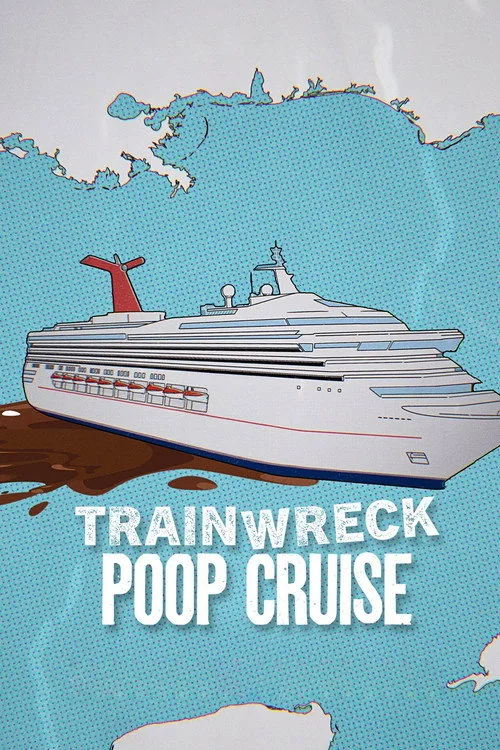
The documentary revisits the 2013 Carnival Triumph cruise, when an engine-room fire cut power to a ship carrying thousands of passengers in the Gulf of Mexico. Without electricity, lighting, air conditioning, refrigeration, or working toilets, passengers and crew endured extreme heat and a rapidly deteriorating onboard situation. Interviewees and personal footage reconstruct the days of uncertainty, emergency procedures, and public scrutiny that followed. Part of Netflix's Trainwreck series, the film examines how an ordinary holiday turned into a widely reported breakdown at sea.
What drives the story
An engine fire strands thousands aboard a cruise ship without essential systems and forces improvised coping.
The people at its centre
Passenger and crew accounts show different roles under stress and how shared discomfort reshaped a vacation.
What it feels like
The short documentary uses firsthand recollections and footage to make an absurdly grim public crisis immediate.
Worth knowing
It is a nonfiction incident account within Trainwreck, not a scripted disaster film or general cruise exposé.
crisis and preparationinstitutional responsibilitycollective endurance
Mood
chaotic · darkly comic · sobering
Pacing
event chronology · interview-led · brief and concentrated
Visual style
news and passenger footage · interview documentary · shipboard imagery