Based on recorded story, mood and style. Your preferences can change the order.
What changes Triangle of Sadness: three-part structure and tonal escalation. Mountainhead: gathering introduces the personalities, international events pressure the group and alliances shift as stakes grow.
Four billionaire technology entrepreneurs gather at a lavish mountain retreat while a rolling international crisis intensifies outside. Their wealth and influence give them unusual power over events, but their conversations reveal vanity, rivalry, and a limited sense of responsibility for the consequences of their work. As the crisis reaches their isolated gathering, alliances shift and the men try to protect their positions. Jesse Armstrong's satirical drama uses a small cast and confined setting to examine concentrated wealth, tech power, and the comic distance between elite self-image and public accountability.
Based on recorded story, mood and style. Your preferences can change the order.
What changes Triangle of Sadness: three-part structure and tonal escalation. We're the Millers: rapid comic escalation.
Small-time dealer David Clark is robbed and pressured into moving a large shipment across the border. To look inconspicuous, he recruits his neighbor Rose, a runaway teenager and an awkward young man to pose as a family in an RV. Their trip to Mexico is meant to be a simple job, but border stops, other travelers and the strain of maintaining their cover keep exposing how little they know one another. The fake family’s road-trip routine becomes a comic test of whether convenience can turn into real responsibility. Border checkpoints and a neighboring RV family repeatedly threaten to expose the lie. As improvisations grow, the job begins to resemble the messy family role it was meant to imitate.
Based on recorded story, mood and style. Your preferences can change the order.
Survival
What changes Triangle of Sadness: three-part structure and tonal escalation. Welcome to the Jungle: tax-avoidance scheme launches the production, set mishaps derail the budget and crew's jungle shoot blurs fiction and reality.
Businessman Sinha hopes to avoid a major tax bill by financing an enormous movie designed to fail, and his secretary Dubey assembles an intentionally unreliable cast and crew. A star with a troubled career, inexperienced directors, and underworld figures are all drawn into the production, which spirals out of control when money and practical problems threaten the plan. The Hindi ensemble comedy moves from a fake film set into a real-world jungle mission, where confusion between the movie and the danger around it drives escalating farce. Its broad humor builds on the Welcome franchise's unruly group dynamics.
Based on recorded story, mood and style. Your preferences can change the order.
What changes Triangle of Sadness: three-part structure and tonal escalation. Housefull 5: birthday cruise introduces the suspects, death triggers competing claims and identity clues and comic reversals accumulate.
A billionaire's birthday celebration aboard a luxury cruise ship turns into a murder mystery after his death leaves a fortune up for grabs. Several impostors claim to be Jolly, the billionaire's son, hoping to secure the inheritance while the ship's guests and staff become suspects. The crowded setting lets the Housefull series combine slapstick, mistaken identities, and an ensemble of comic characters with a whodunit structure. Competing claims and absurd twists keep the investigation moving as everyone tries to establish who is telling the truth and who stands to gain from the crime.
Based on recorded story, mood and style. Your preferences can change the order.
What changes Triangle of Sadness: three-part structure and tonal escalation. Maid in Manhattan: brisk and light.
Marisa Ventura works in a Manhattan hotel while raising her son, and a guest mistakes her for someone from a wealthier world when she tries on a designer coat. The misunderstanding leads to romance with a visiting politician, but the truth of Marisa’s position is difficult to hide. The fairy-tale premise keeps class and self-presentation central.
Based on recorded story, mood and style. Your preferences can change the order.
What changes Triangle of Sadness: three-part structure and tonal escalation. Battleship Potemkin: intense.
Sailors subjected to degrading conditions challenge the officers commanding their ship, and a confrontation over rotten food becomes a catalyst for mutiny. Public mourning and solidarity in a nearby port place the uprising inside a wider struggle over state violence. The film arranges bodies, crowds and abrupt collisions of images into a deliberately political account in which collective feeling becomes as important as the actions of any named individual.
Based on recorded story, mood and style. Your preferences can change the order.
What changes Triangle of Sadness: three-part structure and tonal escalation. Tropic Thunder: parody setup and escalating action.
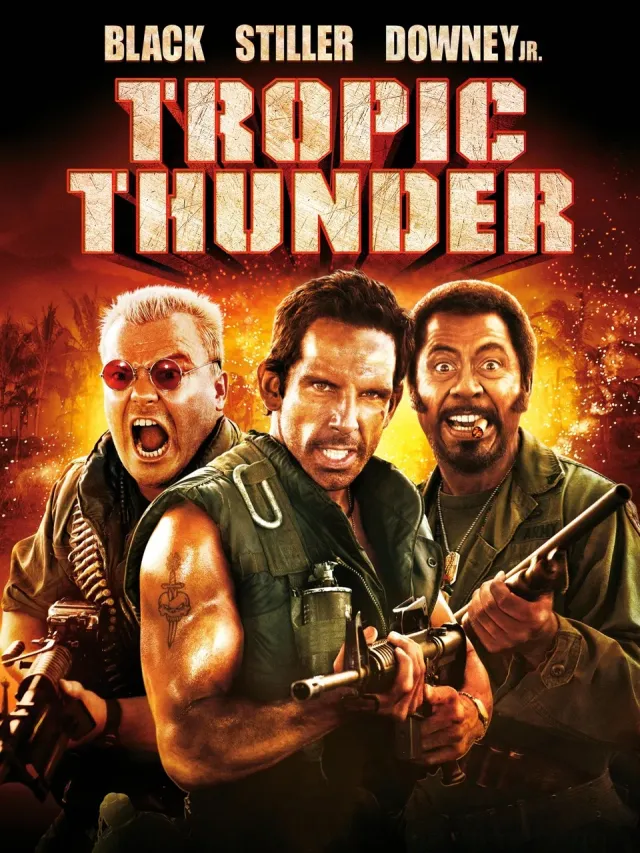
A studio launches an expensive Vietnam War film starring an action celebrity, a method actor and a comedian, but mounting production problems leave the director desperate to recover the shoot. A veteran author suggests abandoning the actors in the jungle with hidden cameras, believing real danger will improve their performances. The cast assumes they are still acting when the production collapses and they encounter armed drug traffickers. Their rehearsal personas and movie-star egos become liabilities, but their familiarity with war-film conventions also helps them improvise. The film satirizes Hollywood’s self-importance and the machinery of producing serious war images, while deliberately using the same action grammar it mocks. Its jokes can be provocative, and some performance choices merit context rather than a blanket claim that satire resolves their implications.
Based on recorded story, mood and style. Your preferences can change the order.
Survival
What changes Triangle of Sadness: three-part structure and tonal escalation. Nobody 2: a vacation interruption spirals into a string of escalating action set pieces.
Hutch Mansell’s attempt to take a family vacation is interrupted by criminals and a corrupt local power structure, drawing him back into the violence he hoped to leave behind. His wife and children become involved as the family faces a series of escalating confrontations. The sequel uses an amusement-park setting for action comedy while testing whether Hutch can share responsibility and create a safer life without denying his violent nature.
Based on recorded story, mood and style. Your preferences can change the order.
What changes Triangle of Sadness: three-part structure and tonal escalation. Y tu mamá también: meandering and accumulating.
Two teenage friends take a road trip with an older woman who is dealing with a private loss, and their shifting trio turns a carefree journey into a reckoning with desire, class and growing up. A candid voice-over widens the story beyond the travelers’ self-image. The film’s erotic humor sits beside an attentive portrait of Mexican places and inequalities.
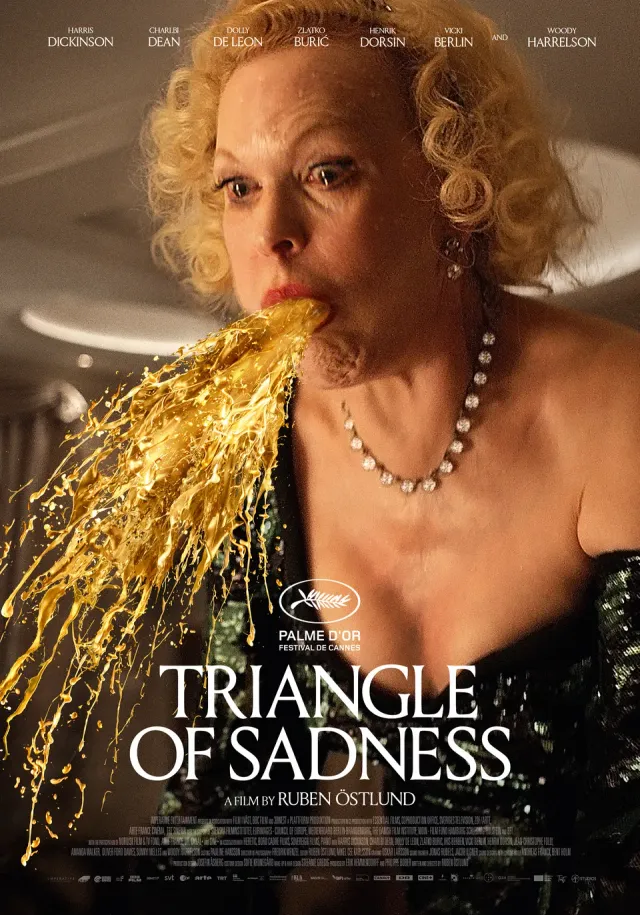
Model couple Carl and Yaya board a luxury yacht where status is performed through service, money and carefully managed appearances. The ship’s crew are expected to keep guests pleased, while the captain and an arms dealer bring their own views of wealth and power to the trip. A storm and a chaotic dinner overturn the cruise’s polished order, and a small group of survivors end up on a remote island without the staff and conveniences they assumed made them capable. The person who understands practical survival gains authority, reversing the yacht’s class hierarchy without erasing its habits. The film divides its satire across the fashion industry, luxury tourism and the island, asking whether a change in who controls resources also changes how people treat one another.
What drives the story
Each of its three sections rearranges who holds social and practical power, making class hierarchy the through-line rather than a single couple’s romance.
The people at its centre
Carl and Yaya’s negotiations about money and status continue in new forms after the cruise’s apparent rules collapse.
What it feels like
Östlund lets awkward pauses and escalating physical discomfort stretch scenes until their etiquette becomes absurd; the tonal shifts are intentionally abrasive.
Worth knowing
For viewers drawn to uncomfortable ensemble satire that shifts its target from fashion to wealth and survival. It is structurally segmented and grotesque, with prolonged vomiting and defecation, strong language and brief sexual content.