Explore films connected to Whatever Works through Cynicism and chance, Love and self-reinvention, Generational expectations. Choose the qualities you want to carry into your next watch.
What should feel similar?
Find your next favourite
9 films · Closest overall matches
Hide films you’ve seen or don’t want. Saved on this device.
No matches for this combination yet.
Try another option or reset your choices to see more films.
Based on recorded story, mood and style. Your preferences can change the order.
Memory and identity
What changes Whatever Works: dialogue-driven, episodic relationship turns and comic reversals. Café Society: episodic and measured.
In the 1930s, young New Yorker Bobby Dorfman travels to Hollywood hoping to work for his powerful uncle, a talent agent. He falls for Vonnie, the uncle's secretary, and later returns east to help his brother's nightclub as his romantic and professional choices take new shape. Woody Allen's period comedy-drama moves between Hollywood and New York, observing ambition, family ties and the afterlife of first love.
Based on recorded story, mood and style. Your preferences can change the order.
Memory and identity
What changes Whatever Works: dialogue-driven, episodic relationship turns and comic reversals. Crossing Delancey: slow relationship development.
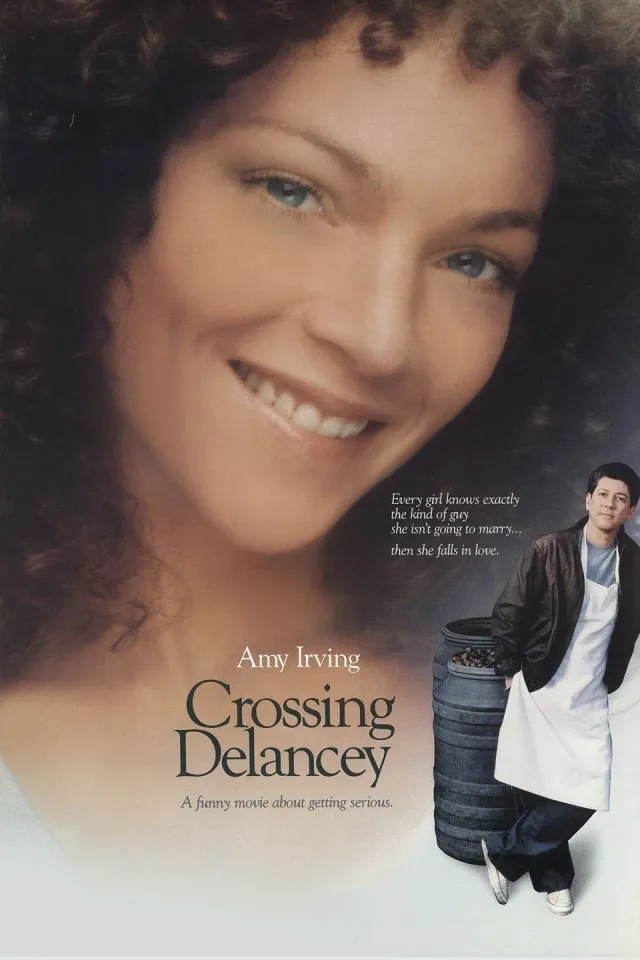
Bookshop worker Isabelle Grossman enjoys her independent life in Manhattan, but her grandmother arranges a match with Sam, a pickle seller from the Lower East Side. Isabelle's attraction to a more polished author complicates her response to Sam and to the cultural expectations her grandmother represents. The romantic comedy observes neighborhood identity and intimacy through everyday conversation, food and family matchmaking.
Based on recorded story, mood and style. Your preferences can change the order.
What changes Whatever Works: dialogue-driven, episodic relationship turns and comic reversals. Prizzi's Honor: deliberate and escalating.
Charley Partanna is a trusted hitman for the Prizzi crime family, and his professional life becomes complicated when he falls in love with Irene Walker, an elegant woman who is also a contract killer. Their attraction develops while each has obligations to powerful relatives and employers who expect unquestioned loyalty. As personal affection collides with criminal business, Charley and Irene must weigh their marriage against a family system that treats people as assets.
Based on recorded story, mood and style. Your preferences can change the order.
Memory and identity
What changes Whatever Works: dialogue-driven, episodic relationship turns and comic reversals. Fever Pitch: seasonal and character-led.
A schoolteacher begins dating a man whose devotion to the Boston Red Sox shapes how he spends much of the baseball season. As the relationship deepens, she has to decide whether she can share space with a passion that predates her, while he learns that commitment means more than asking someone else to adapt. The romantic comedy ties intimacy to a sports season, using fandom as a vivid test of time and attention.
Based on recorded story, mood and style. Your preferences can change the order.
What changes Whatever Works: dialogue-driven, episodic relationship turns and comic reversals. Magic in the Moonlight: measured and dialogue-led.
In 1920s France, stage magician Stanley Crawford is asked to expose Sophie Baker, a young medium whose séances have impressed a wealthy family. Stanley arrives certain that he can explain every trick, but the investigation challenges his skepticism and the certainty he brings to his relationships. Woody Allen's romantic comedy frames rationality as both a professional identity and a defense against wonder, using a sunlit period setting for a debate about belief and love.
Based on recorded story, mood and style. Your preferences can change the order.
What changes Whatever Works: dialogue-driven, episodic relationship turns and comic reversals. You Will Meet a Tall Dark Stranger: interwoven and conversational.
Alfie leaves his long marriage to Helena and pursues a younger partner, while their daughter Sally struggles with her own marriage and a new attraction. Helena turns to a fortune-teller for reassurance, and Sally’s husband Roy becomes absorbed by a neighbor and the manuscript he hopes will revive his career. Woody Allen interweaves these lives as a comic drama about aging, desire, self-deception and the stories people tell themselves to make uncertain choices feel destined.
Based on recorded story, mood and style. Your preferences can change the order.
Memory and identity
What changes Whatever Works: dialogue-driven, episodic relationship turns and comic reversals. About a Boy: measured and character-led.
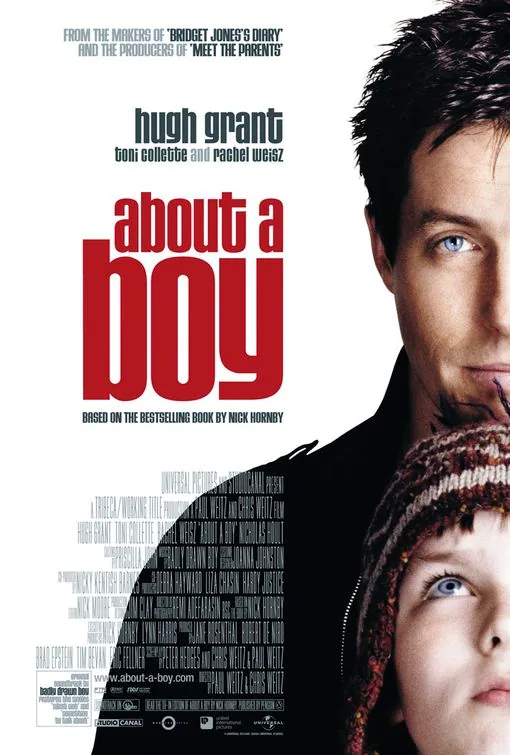
Will Freeman has arranged a comfortable life around avoiding obligations, until an invented family connection brings him into contact with isolated schoolboy Marcus. Their reluctant friendship draws Will into the boy’s family difficulties and forces both to reconsider their habits. The comedy balances dry observation with a gradual movement from self-protection toward care and responsibility.
Based on recorded story, mood and style. Your preferences can change the order.
Memory and identity
What changes Whatever Works: dialogue-driven, episodic relationship turns and comic reversals. New York Stories: three distinct short narratives place intimate conflicts in one city.
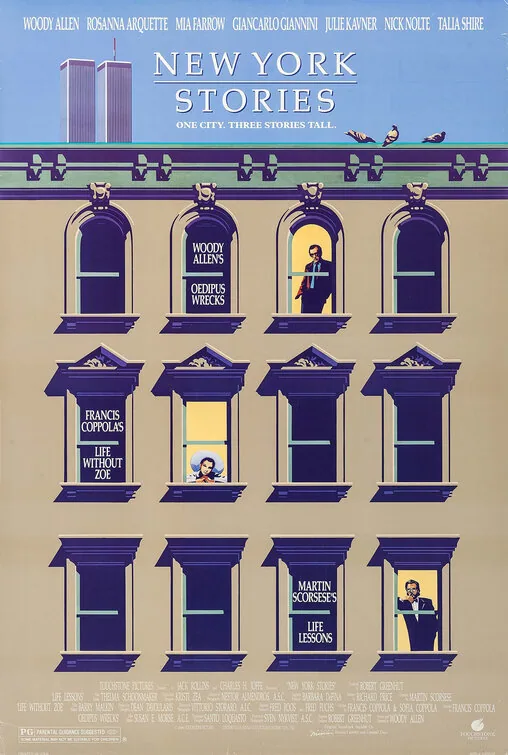
Three New York-set short films explore adults negotiating ambition, family and desire. In Life Lessons, a painter uses a turbulent relationship as fuel for his work; Life Without Zoë centers on a wealthy child navigating her parents' separation; and Oedipus Wrecks follows a man whose overbearing mother becomes the focus of an extraordinary public episode. The anthology varies in tone while remaining rooted in urban relationships.
Based on recorded story, mood and style. Your preferences can change the order.
Memory and identity
What changes Whatever Works: dialogue-driven, episodic relationship turns and comic reversals. My Sassy Girl: comic meeting and episodic courtship, emotional history emerges and separation and planned reunion.
Engineering student Gyeon-woo meets an unnamed, intoxicated woman on a train platform and feels responsible for keeping her safe. Their awkward encounter becomes an unconventional courtship shaped by her forceful personality, his patience, and a series of strange challenges and dates. As they gradually reveal their vulnerabilities, the relationship is affected by grief over her past and by a planned separation. The Korean romantic comedy turns an erratic first meeting into a story about timing, emotional recovery, and letting someone choose when to return.
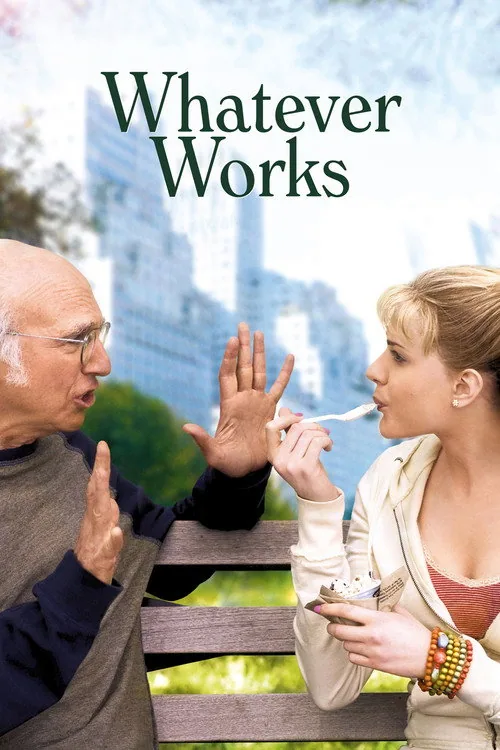
Boris Yellnikoff, a misanthropic former physics professor living in New York, takes in Melody, a young runaway from Mississippi who has left her conventional family behind. Their unlikely relationship changes when Melody’s parents arrive and begin questioning the life she has chosen. Woody Allen’s comedy follows a collection of people who reconsider their identities and relationships, using Boris’s cynical narration to contrast intellectual certainty with the unpredictability of love and everyday life.
What drives the story
Melody’s arrival unsettles Boris’s carefully defended worldview, and her parents’ visit adds pressure to their unconventional arrangement.
The people at its centre
The characters repeatedly revise how they see themselves as romantic partners, parents, and people living outside familiar expectations.
What it feels like
The film is built around direct-to-camera asides, rapid conversation, and comic turns rather than visual spectacle or plot suspense.
Worth knowing
It is a Manhattan relationship comedy centered on philosophical banter and midlife change, not a science-fiction story despite Boris’s background.
Cynicism and chanceLove and self-reinventionGenerational expectations