A party that should be polite becomes a prolonged contest in which the characters use stories and humiliation to control the room.
Why this matches +
Selected for the central appeal: Long domestic arguments expose the gap between cultivated moral authority and everyday control.
Genres: Drama
Shared film traits
Based on recorded story, mood and style. Your preferences can change the order.
What changes An educated household turns sustained conversation into a contest of marital power and self-deception; alcohol-fueled theatrical games are more explosive than Aydin’s slow class-bound rationalizations.
Late at night, college professor George and his wife Martha return home from a faculty gathering with younger professor Nick and his wife Honey. What begins as tense social conversation becomes a series of increasingly cruel games in which the hosts expose one another’s resentments and draw their guests into the conflict. The confined setting turns talk into the film’s main action: each revelation changes who has control and what the younger couple thinks they understand. Mike Nichols adapts Edward Albee’s play with its theatrical structure and language intact. Each game recruits Nick and Honey into the conflict, and its rules keep shifting. The guests gradually question how much of their own marriage they have shown.
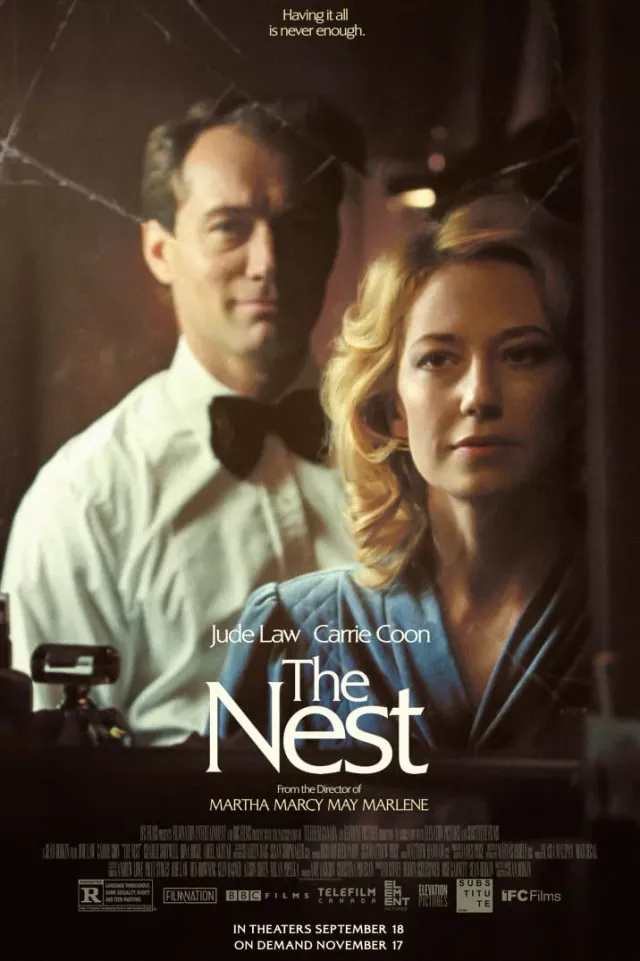
A family’s move to an English manor exposes the difference between Rory’s polished ambitions and their precarious finances.
Why this matches +
Related viewing experiences with the specific differences recorded for each pair.
An adjacent discovery: a related idea with a different viewing experience.
Genres: Drama
Shared film traits
Based on recorded story, mood and style. Your preferences can change the order.
What changes A large house becomes the stage for a marriage shaped by status, money and a man’s self-serving story; precarious aspirational wealth replaces Aydin’s established landlord power.
In the late 1980s, trader Rory O’Hara persuades his American family to leave New York for a grand Surrey manor, promising that a return to London will revive his career. His wife Allison tries to build a horse farm and maintain a home for their children, but unpaid bills, stalled renovations, and Rory’s social ambitions expose how precarious their new life is. Sean Durkin’s slow-burn family drama watches a marriage strain under class performance, financial instability, and the gap between appearance and security.
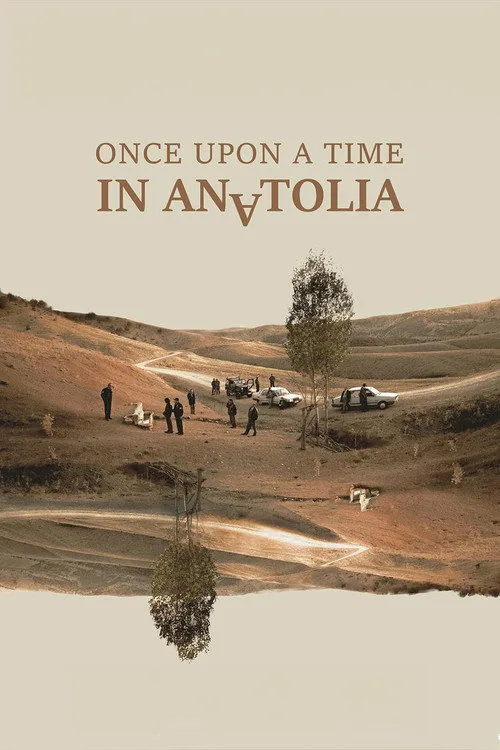
The search party follows a suspect's uncertain directions through the night until the landscape finally gives up its evidence.
Why this matches +
Related viewing experiences with the specific differences recorded for each pair.
An adjacent discovery: a related idea with a different viewing experience.
Genres: Drama / Crime
Shared film traits
Based on recorded story, mood and style. Your preferences can change the order.
What changes Patient observation and talk reveal moral evasions among men in an Anatolian landscape; an overnight body search replaces the snowbound household and tenant relationships.
A group of police officers, prosecutors, a doctor, and a murder suspect drive across the Anatolian steppe at night in search of a buried body. Kenan, the accused man, remembers the burial imperfectly after drinking, while the repeated hills and darkness make the search difficult. Conversations during the stops reveal private histories and tensions among the officials, and the investigation continues into morning. Nuri Bilge Ceylan's drama shifts attention from solving the case to the routines, frustrations, and moral ambiguities surrounding those responsible for it.
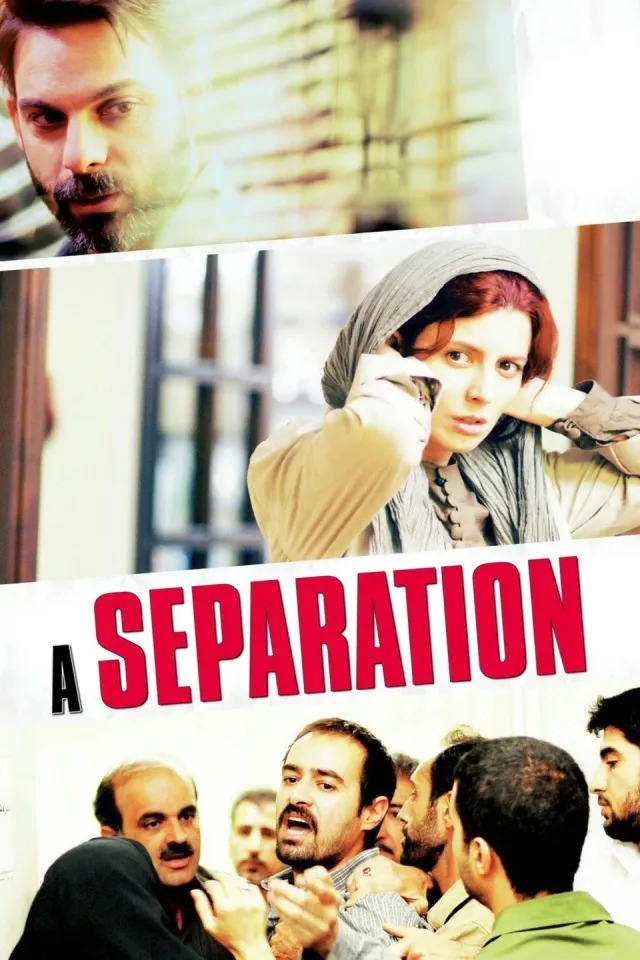
A domestic arrangement produces a disputed incident whose interpretation threatens two families' futures.
Why this matches +
Related viewing experiences with the specific differences recorded for each pair.
An adjacent discovery: a related idea with a different viewing experience.
Genres: Drama
Shared film traits
Based on recorded story, mood and style. Your preferences can change the order.
What changes Domestic conflict exposes incompatible accounts of responsibility across class and family obligations; a tightly escalating legal dilemma replaces the hotel’s meandering philosophical arguments.
A couple's disagreement about leaving Iran leads to a household separation and the hiring of a caregiver for an elderly father. An incident between the caregiver and the husband produces accusations whose consequences reach both families. Class, religious obligation and partial knowledge complicate every account, while a daughter is pressed to navigate loyalties that the adults cannot reconcile.
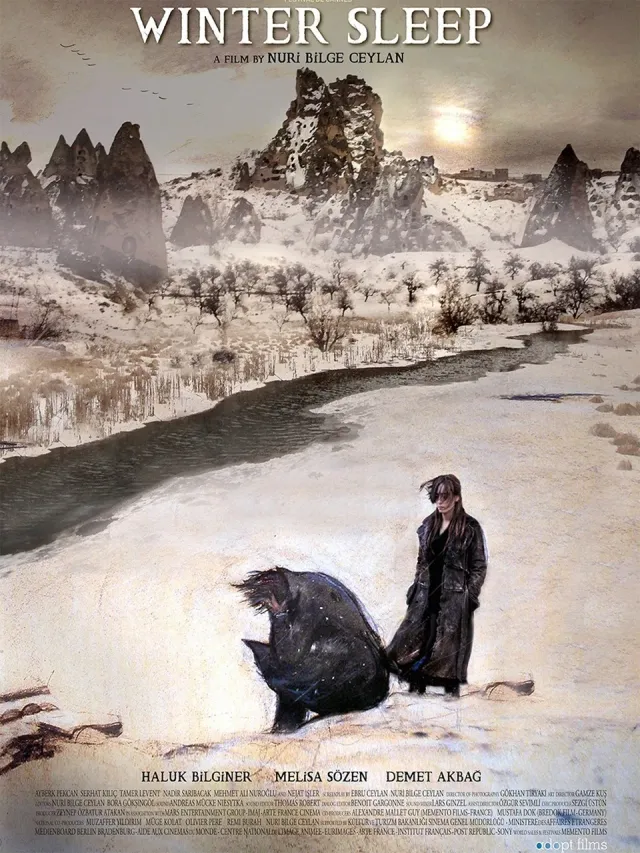
Aydin, a retired actor who writes about society, runs a small hotel in central Anatolia with his younger wife Nihal and divorced sister Necla. As winter closes in, tensions over his tenants, Nihal’s charitable work and Necla’s own dissatisfaction draw the family into long conversations about power and responsibility. Aydin’s public confidence does not prevent him from dominating those closest to him, and arguments change direction rather than resolve cleanly. Nuri Bilge Ceylan has said the film was inspired by several Chekhov short stories, rather than being a direct adaptation of one tale. Snowbound days make intellectual arguments expose unequal control inside the household.
What drives the story
The hotel and rental relationships make Aydin’s moral self-image concrete: what he says about people is repeatedly tested by how he treats them.
The people at its centre
Nihal’s attempts to act independently, Necla’s sharp criticism and Aydin’s defensiveness create a shifting triangle rather than a single villain-and-opponent conflict.
What it feels like
Long dialogue scenes, snowy Anatolian landscapes and patient duration make listening to the characters’ arguments the primary viewing experience.
Worth knowing
A fit for viewers who enjoy slow, dialogue-rich character studies about class, marriage and self-deception. Its length and deliberate pace are demanding compared with a conventional domestic drama.