Explore films connected to Zatōichi through justice for vulnerable communities, revenge and concealed identity, skill beyond appearance. Choose the qualities you want to carry into your next watch.
What should feel similar?
Find your next favourite
9 films · Closest overall matches
Hide films you’ve seen or don’t want. Saved on this device.
No matches for this combination yet.
Try another option or reset your choices to see more films.
Based on recorded story, mood and style. Your preferences can change the order.
What changes Zatōichi: arrival and character encounters, revenge threads connect to gang and sword-fighting climax and dance coda. 13 Assassins: measured mission planning, tension before confrontation and extended action climax.
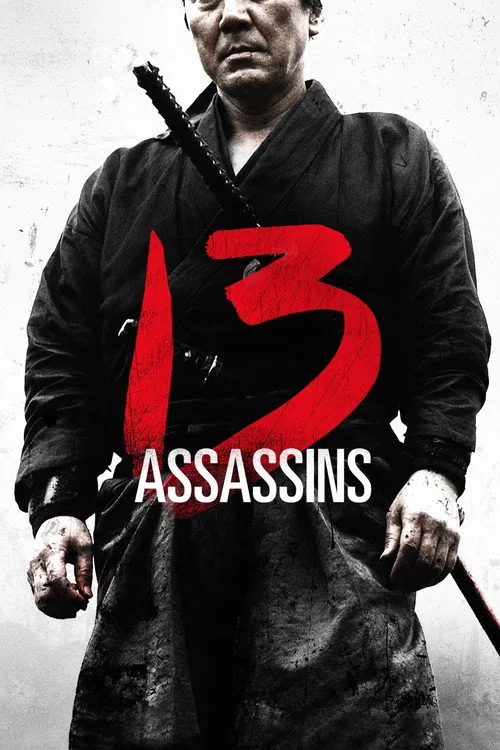
In 1844, samurai Shinzaemon Shimada is asked to stop Lord Naritsugu, a cruel member of the ruling family whose appointment threatens the lives of many. Shinzaemon assembles twelve additional warriors and plans an ambush designed to trap Naritsugu’s much larger escort. Takashi Miike’s Japanese period action film follows the group’s preparation and final battle, using the mission to explore honor, political obligation, and the limits of a samurai code under a corrupt shogunate.
Based on recorded story, mood and style. Your preferences can change the order.
Criminal underworld
What changes Zatōichi: arrival and character encounters, revenge threads connect to gang and sword-fighting climax and dance coda. Yojimbo: calculated reversals and bursts of violence.
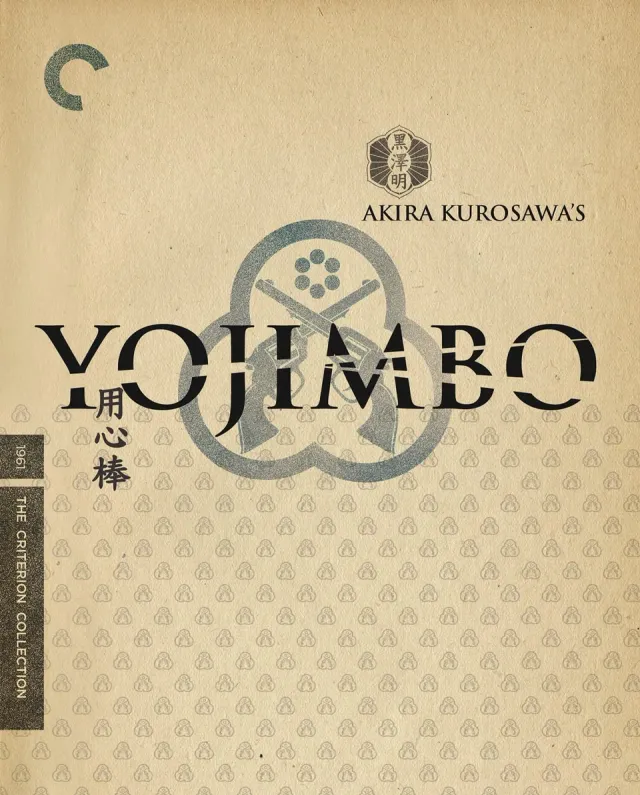
A nameless masterless samurai arrives in a corrupt village divided between two rival criminal families. Seeing that each side can be manipulated, he hires himself out as a bodyguard to both and tries to turn their rivalry against them. The plan becomes more dangerous when one gang brings back a gunman, and the samurai is captured and injured before making a return. Toshiro Mifune’s sly performance and Akira Kurosawa’s sharply staged action make the violence feel both suspenseful and darkly comic. The samurai’s plan depends on reading what each gang wants and what the village fears.
Based on recorded story, mood and style. Your preferences can change the order.
Criminal underworld
What changes Zatōichi: arrival and character encounters, revenge threads connect to gang and sword-fighting climax and dance coda. Sonatine: quiet stretches of beachside idleness are interrupted by abrupt attacks and a final return to conflict.
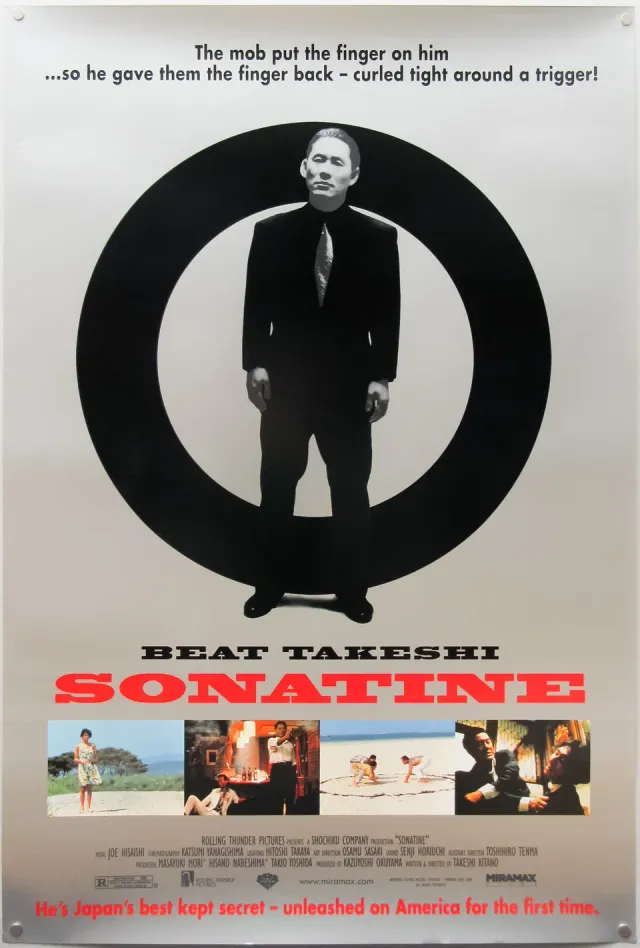
Murakawa, a Tokyo yakuza enforcer weary of gang life, is sent to Okinawa to mediate a dispute between allied clans. He suspects the assignment is a trap; soon a bombing and an ambush leave him and a few surviving men hiding at a remote beach house. The men pass time with games, jokes and rituals that drift between childlike play and sudden violence. Their temporary retreat cannot keep the conflict away, and Murakawa’s calm detachment gives way to decisive action when the gang’s larger power struggle reaches them. Takeshi Kitano’s crime film finds a strange stillness inside a story of betrayal and organized violence.
Based on recorded story, mood and style. Your preferences can change the order.
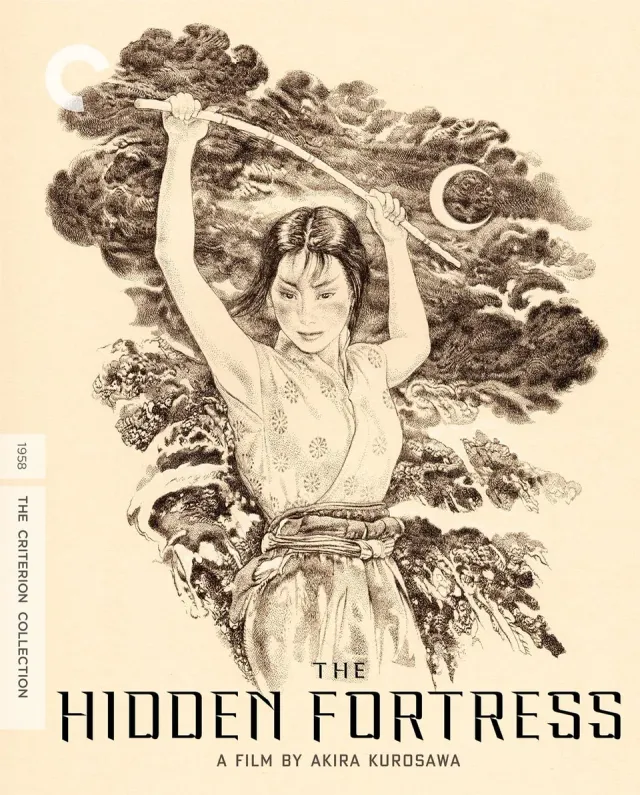
What changes Zatōichi: arrival and character encounters, revenge threads connect to gang and sword-fighting climax and dance coda. The Hidden Fortress: journey and pursuit and alternating comic viewpoints.
Two quarrelsome peasants, Tahei and Matashichi, stumble into a dangerous journey while trying to profit from a defeated clan’s hidden gold. They become entangled with General Rokurōta Makabe, Princess Yuki and the plan to carry the clan’s remaining treasure through enemy territory. The peasants’ greed and bickering repeatedly threaten a route that depends on secrecy, while Yuki must conceal her identity to escape capture. Akira Kurosawa builds a lively adventure around shifting alliances and a low-status viewpoint, balancing the princess’s political danger with comic survival.
Based on recorded story, mood and style. Your preferences can change the order.
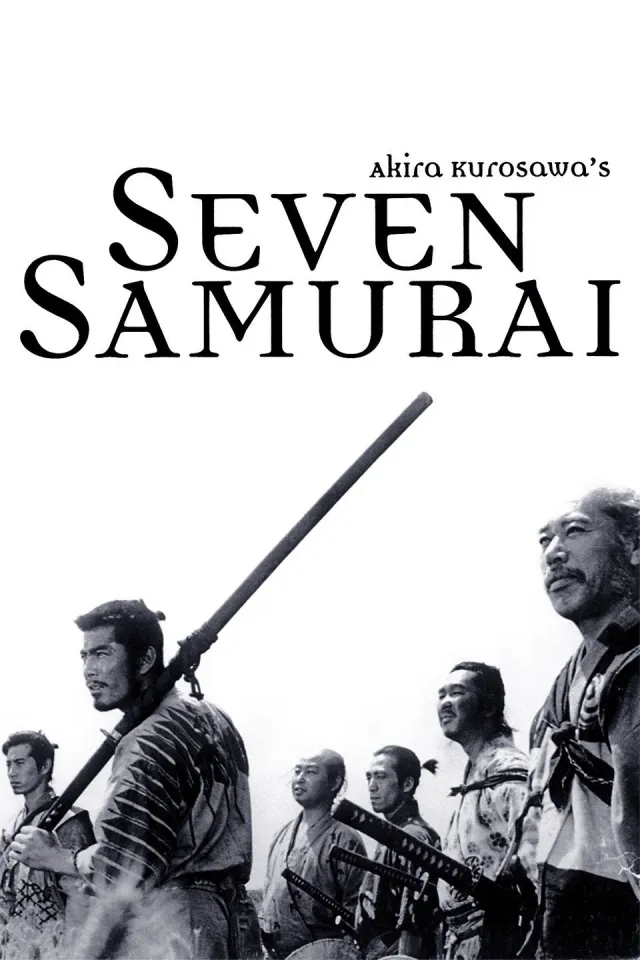
What changes Zatōichi: arrival and character encounters, revenge threads connect to gang and sword-fighting climax and dance coda. Seven Samurai: epic, measured and intense.
Farmers expecting another bandit raid seek warriors willing to defend their village in exchange for food. An experienced samurai assembles a varied group and begins turning frightened inhabitants into an organised defence. Preparation exposes mistrust between social classes as well as differences among the fighters, so the coming battle tests whether people divided by status can cooperate without pretending their interests and losses are identical.
Based on recorded story, mood and style. Your preferences can change the order.
Criminal underworld
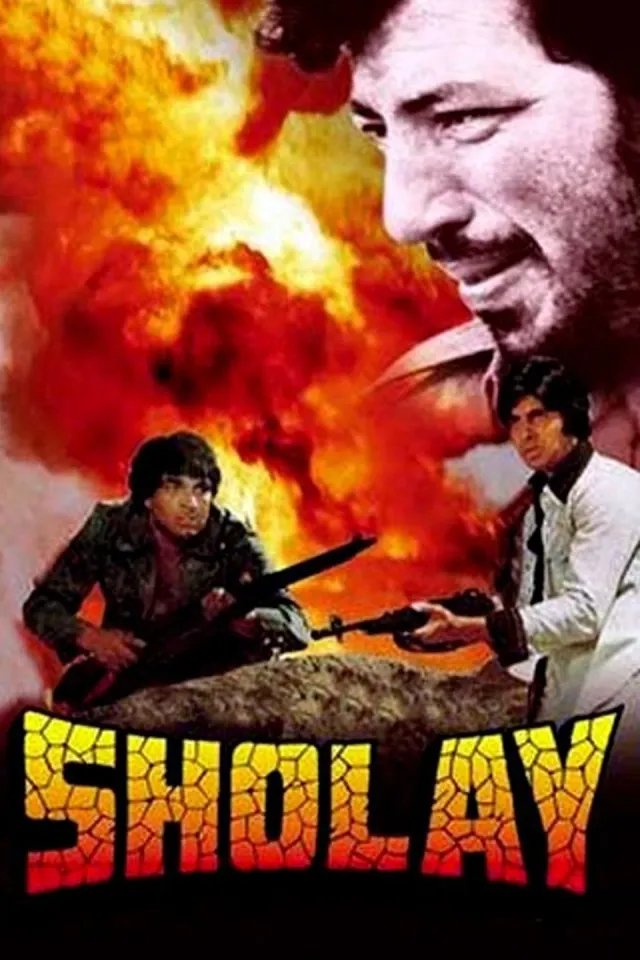
What changes Zatōichi: arrival and character encounters, revenge threads connect to gang and sword-fighting climax and dance coda. Sholay: expansive, episodic and escalating.
Former police officer Thakur hires escaped friends Jai and Veeru to capture Gabbar Singh, a bandit terrorizing the village of Ramgarh. The pair’s skill and comic partnership help the villagers resist repeated attacks, while their different romances bring a quieter thread of affection to the rugged setting. Thakur’s request that Gabbar be taken alive makes more sense when he reveals the personal revenge behind it. As the gang escalates its violence, Jai and Veeru must decide what they owe the villagers and the man who hired them.
Based on recorded story, mood and style. Your preferences can change the order.
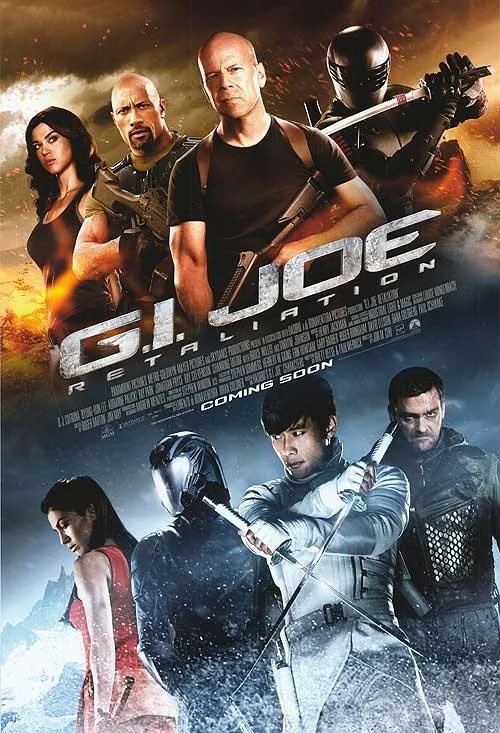
What changes Zatōichi: arrival and character encounters, revenge threads connect to gang and sword-fighting climax and dance coda. G.I. Joe: Retaliation: fast.
A military team is nearly destroyed by an attack ordered through a compromised presidency, then publicly blamed for the weapons mission it was assigned. Surviving members must investigate without the institutional protection that once authorized their actions. Their effort intersects with a ninja clan's unresolved accusation and a larger plan to turn state power into a global threat. The sequel builds its action around a small remnant reclaiming legitimacy from enemies who control the official story and command structure.
Based on recorded story, mood and style. Your preferences can change the order.
What changes Zatōichi: arrival and character encounters, revenge threads connect to gang and sword-fighting climax and dance coda. Samrat Prithviraj: legendary opening and courtship, campaigns and court intrigue and war-driven tragic conclusion.
The film dramatizes the life of twelfth-century ruler Prithviraj Chauhan, framing his military campaigns alongside his romance with Princess Sanyogita and disputes among neighboring rulers. After victories over Muhammad Ghori, Prithviraj becomes entangled in court rivalries and shifting alliances that weaken the political unity needed to face a renewed invasion. The story moves from royal courtship and statecraft to battles and captivity, presenting a large-scale Hindi historical epic based on the legendary account in Prithviraj Raso.
Based on recorded story, mood and style. Your preferences can change the order.
Criminal underworld · Investigation
What changes Zatōichi: arrival and character encounters, revenge threads connect to gang and sword-fighting climax and dance coda. Beverly Hills Ninja: comic misadventures with action parodies.
Raised by a ninja clan, Haru travels to Beverly Hills to help a woman who believes her husband is involved in a crime. His enormous confidence and limited skill turn the investigation into a string of physical-comedy disasters, while the supporting characters try to keep him from making matters worse. Chris Farley's expressive slapstick is the main attraction in a broad martial-arts parody.
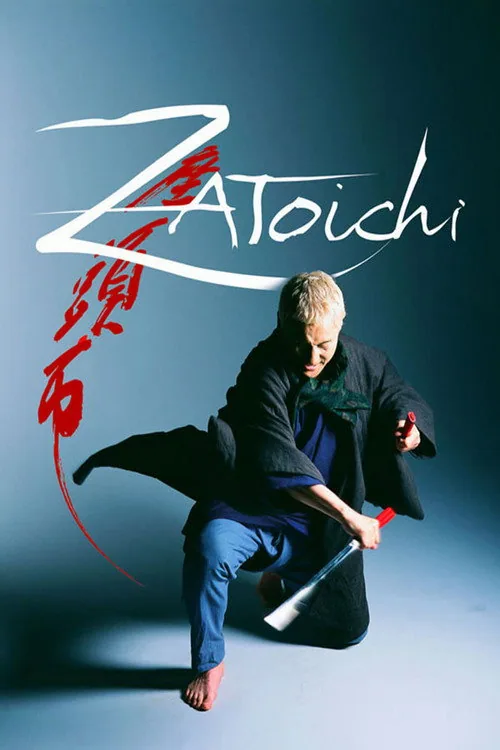
Zatoichi, a blind wandering swordsman, arrives in a town where a yakuza gang demands protection money from its residents. He befriends a farmer and her gambler nephew, then agrees to help two traveling geisha who are seeking revenge for the murder of their parents. Their personal vendetta leads to the same gang controlling the town, bringing the characters into a series of sword fights and a climactic duel. The period action blends familiar samurai storytelling with dry humor, stylized violence, and an unexpected musical finale.
What drives the story
Zatoichi protects residents from a yakuza gang while helping two performers uncover the killers responsible for their family's massacre.
The people at its centre
The wandering swordsman offers quiet aid to townspeople and to the disguised siblings, whose personal revenge intersects with the community's need for safety.
What it feels like
A modern samurai film mixes fast swordplay and deadpan humor with rhythmic flourishes and a surprising final musical number.
Worth knowing
It refreshes the long-running blind-swordsman character with Kitano's graphic, comic style while retaining a recognizable period revenge structure.
justice for vulnerable communitiesrevenge and concealed identityskill beyond appearance
Mood
wry · kinetic · stylized
Pacing
arrival and character encounters · revenge threads connect to gang · sword-fighting climax and dance coda
Visual style
crisp sword choreography · graphic red blood effects · rhythmic editing and tap-dance finale
Storytelling
blind swordsman enters town under gang control · siblings disguise themselves while seeking revenge · community's protection racket sparks confrontation