Based on recorded story, mood and style. Your preferences can change the order.
What changes The Hidden Fortress: journey and pursuit and alternating comic viewpoints. Zatōichi: arrival and character encounters, revenge threads connect to gang and sword-fighting climax and dance coda.
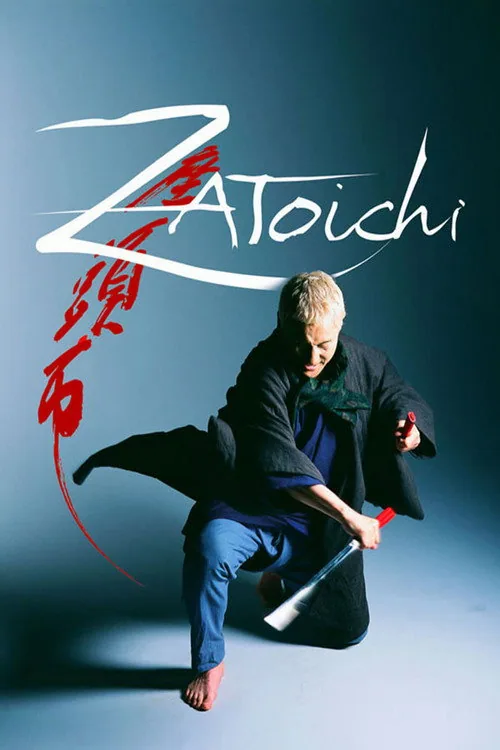
Zatoichi, a blind wandering swordsman, arrives in a town where a yakuza gang demands protection money from its residents. He befriends a farmer and her gambler nephew, then agrees to help two traveling geisha who are seeking revenge for the murder of their parents. Their personal vendetta leads to the same gang controlling the town, bringing the characters into a series of sword fights and a climactic duel. The period action blends familiar samurai storytelling with dry humor, stylized violence, and an unexpected musical finale.
Based on recorded story, mood and style. Your preferences can change the order.
Escape and pursuit
What changes The Hidden Fortress: journey and pursuit and alternating comic viewpoints. Mad Max Beyond Thunderdome: episodic and escalating.
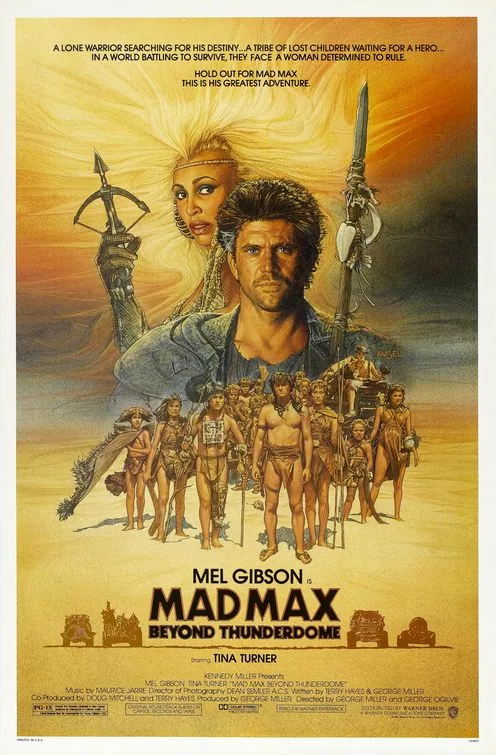
A robbed traveler enters a trading settlement whose ruler offers restitution in exchange for removing a rival controlling its energy supply. Refusing the expected killing turns him into an exile, and a community of children then mistakes his arrival for the fulfillment of its inherited rescue story. Protecting them requires returning to the political economy he tried to escape. The adventure moves from contractual violence to the responsibility created by another group's hope, without allowing the outsider to become exactly the savior its myth predicts.
Based on recorded story, mood and style. Your preferences can change the order.
What changes The Hidden Fortress: journey and pursuit and alternating comic viewpoints. Tokyo Sonata: measured, gradually escalating and quietly suspenseful.
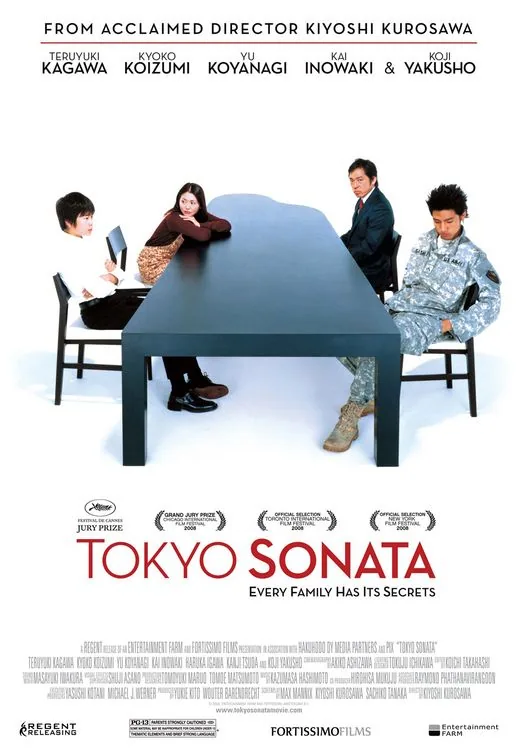
When office worker Ryūhei loses his position during a corporate restructuring, he conceals the dismissal from his wife and sons and keeps returning each day as if he still has a job. His teenage son Takashi announces a plan that takes him far from home, while younger Kenji secretly studies piano against his father’s wishes. Megumi, the family’s mother, is left managing a household whose members share meals but hide their fears. As their deceptions unravel, this restrained Tokyo drama follows economic insecurity into the private life of a family.
Based on recorded story, mood and style. Your preferences can change the order.
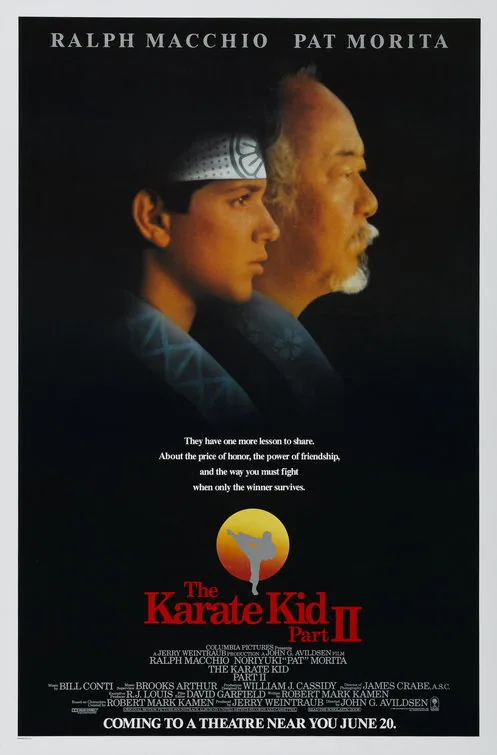
What changes The Hidden Fortress: journey and pursuit and alternating comic viewpoints. The Karate Kid Part II: steady and action-led.
When Mr. Miyagi learns that his father is dying, he returns to Okinawa with Daniel LaRusso. The visit brings him back into contact with Yukie and with Sato, a former friend whose resentment has hardened into a dangerous feud. Daniel, far from the tournament that shaped the first film, finds himself pulled into the conflict and into a new understanding of his teacher's past. The sequel shifts the story from training for competition toward honor, belonging and inherited obligations.
Based on recorded story, mood and style. Your preferences can change the order.
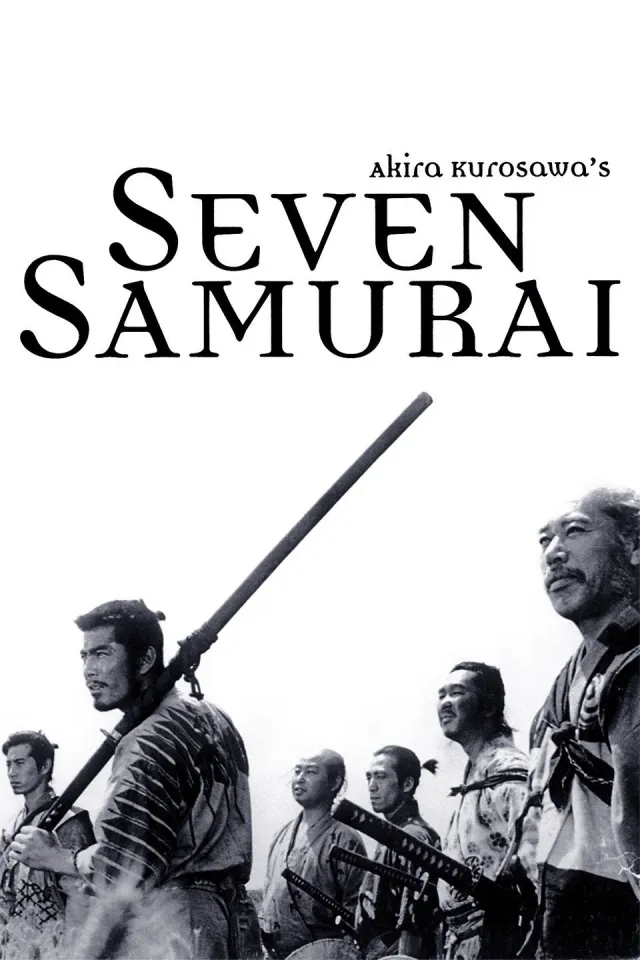
What changes The Hidden Fortress: journey and pursuit and alternating comic viewpoints. Seven Samurai: epic, measured and intense.
Farmers expecting another bandit raid seek warriors willing to defend their village in exchange for food. An experienced samurai assembles a varied group and begins turning frightened inhabitants into an organised defence. Preparation exposes mistrust between social classes as well as differences among the fighters, so the coming battle tests whether people divided by status can cooperate without pretending their interests and losses are identical.
Based on recorded story, mood and style. Your preferences can change the order.
What changes The Hidden Fortress: journey and pursuit and alternating comic viewpoints. Haikyu!! The Dumpster Battle: fast, momentum-driven and match-length.
Karasuno and Nekoma meet in an official high-school volleyball match after years of practice games and friendship between their teams. The contest puts Hinata's explosive instincts and Kageyama's precision against Nekoma's disciplined defense, with both sides drawing on familiar patterns and hard-won trust. Told through the changing flow of one match, the film follows the athletes' adjustments, nerves and teamwork as their long-awaited rivalry tests how well they understand one another.
Based on recorded story, mood and style. Your preferences can change the order.
Escape and pursuit
What changes The Hidden Fortress: journey and pursuit and alternating comic viewpoints. Sonatine: quiet stretches of beachside idleness are interrupted by abrupt attacks and a final return to conflict.
Murakawa, a Tokyo yakuza enforcer weary of gang life, is sent to Okinawa to mediate a dispute between allied clans. He suspects the assignment is a trap; soon a bombing and an ambush leave him and a few surviving men hiding at a remote beach house. The men pass time with games, jokes and rituals that drift between childlike play and sudden violence. Their temporary retreat cannot keep the conflict away, and Murakawa’s calm detachment gives way to decisive action when the gang’s larger power struggle reaches them. Takeshi Kitano’s crime film finds a strange stillness inside a story of betrayal and organized violence.
Based on recorded story, mood and style. Your preferences can change the order.
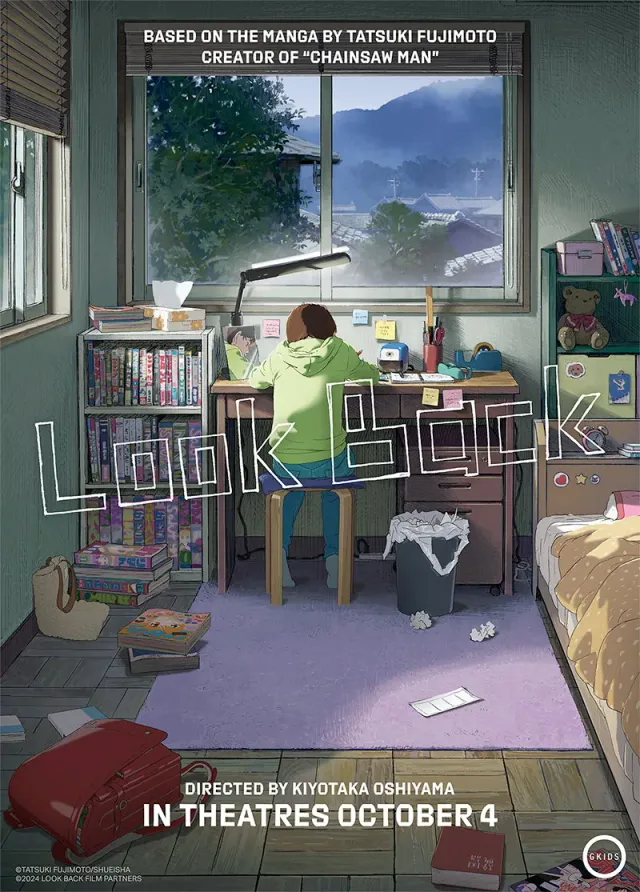
What changes The Hidden Fortress: journey and pursuit and alternating comic viewpoints. Look Back: measured, concentrated and emotionally cumulative.
Two schoolgirls who draw manga approach creativity from very different places: confident Fujino enjoys recognition for her work, while withdrawn Kyomoto draws privately at home. A shared school project brings them together and turns admiration into an artistic partnership. Their lives diverge after a devastating event, and Fujino revisits choices and memories that shaped their friendship, reflecting on the uncertain line between making art and imagining another life.
Based on recorded story, mood and style. Your preferences can change the order.
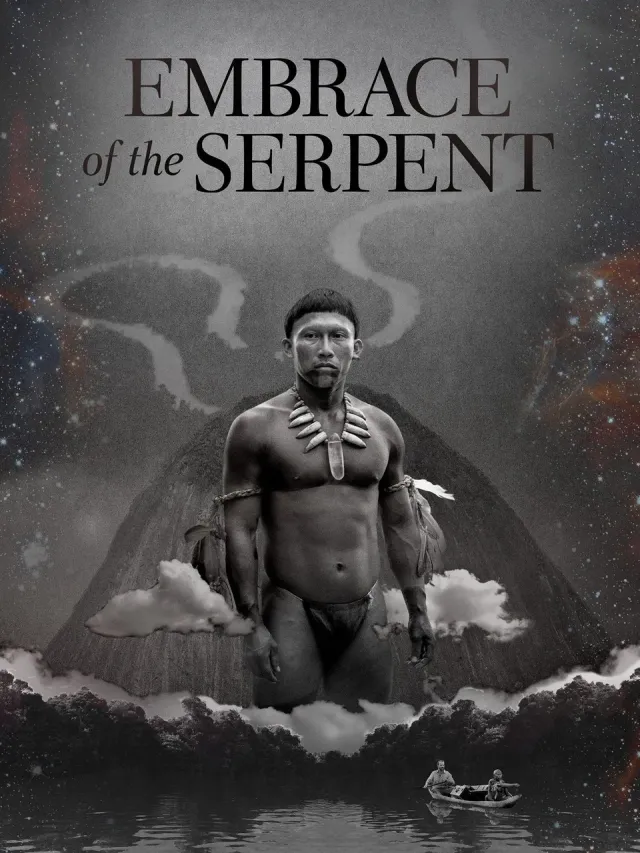
What changes The Hidden Fortress: journey and pursuit and alternating comic viewpoints. Embrace of the Serpent: episodic and contemplative.
Karamakate, a shaman in the Colombian Amazon, guides two foreign scientists on journeys separated by decades as they search for the sacred plant yakruna. The parallel expeditions reveal how colonial exploitation damages communities, knowledge and the natural world, while Karamakate confronts changes in his own culture and memory. Ciro Guerra films the story in evocative monochrome for much of its length, creating a meditative adventure about encounter, loss and the limits of translation.
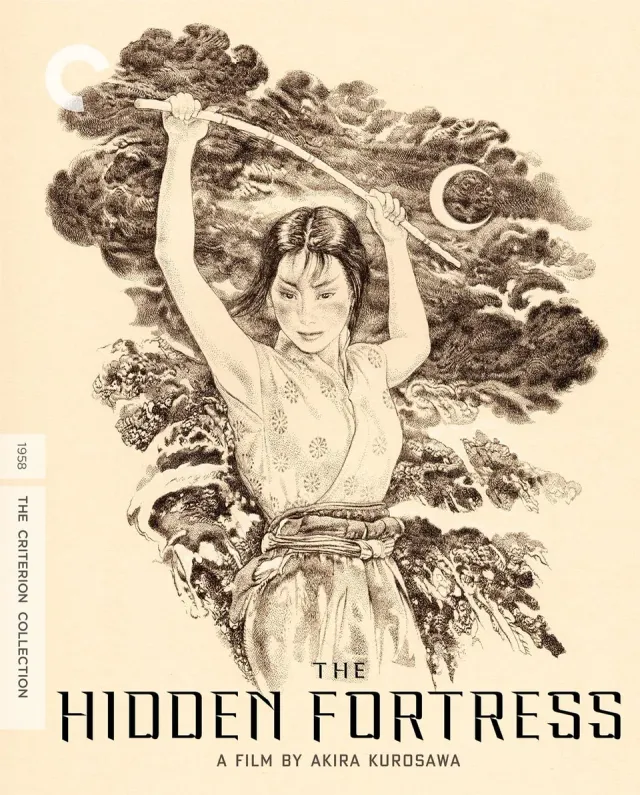
Two quarrelsome peasants, Tahei and Matashichi, stumble into a dangerous journey while trying to profit from a defeated clan’s hidden gold. They become entangled with General Rokurōta Makabe, Princess Yuki and the plan to carry the clan’s remaining treasure through enemy territory. The peasants’ greed and bickering repeatedly threaten a route that depends on secrecy, while Yuki must conceal her identity to escape capture. Akira Kurosawa builds a lively adventure around shifting alliances and a low-status viewpoint, balancing the princess’s political danger with comic survival.
What drives the story
The gold must cross hostile territory to help restore Yuki’s clan; the peasants’ desire for a share keeps jeopardizing the escape plan.
The people at its centre
Rokurōta protects Yuki through strategy, while her composure and Tahei and Matashichi’s self-interest create an uneasy travelling group.
What it feels like
The film shifts between broad comedy and swordplay, using landscape and movement to make the journey feel both playful and perilous.
Worth knowing
A strong choice for classic Japanese adventure with a comic pair and rescue quest. It is a period fantasy of clan conflict rather than a direct history lesson or solemn samurai drama.
SurvivalSocial classLoyalty
Mood
Adventurous · Wry · Suspenseful
Pacing
Journey and pursuit · Alternating comic viewpoints
Visual style
Widescreen landscapes · Movement through rugged terrain