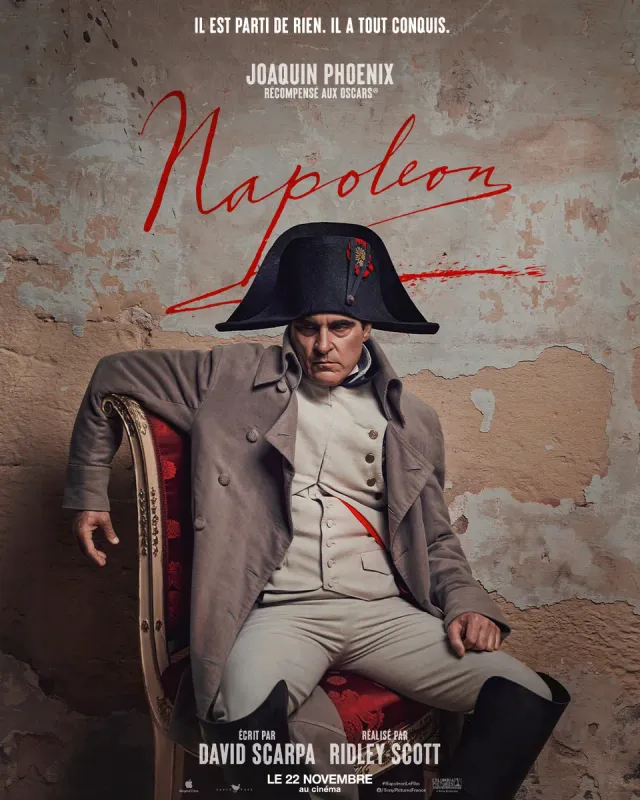
A cycle of battlefield success, political consolidation and renewed expansion makes conquest feel like both Napoleon's method of rule and the source of his undoing.
Why this matches +
Selected for the central appeal: A Macedonian king's conquests strain family ties and test the loyalty of an exhausted army.
Genres: Drama / Adventure
Shared film traits
Based on recorded story, mood and style. Your preferences can change the order.
War and civilian life
What changes A conqueror's military campaigns and personal relationships reveal the strain of sustaining power across a vast empire.
The film follows Napoleon Bonaparte from the French Revolution through his rise as emperor, military victories, marriage to Joséphine and eventual exile. His relationship with Joséphine shapes the private strand, including their lack of a shared heir and his politically motivated remarriage. The campaign sequence moves from Toulon and Austerlitz to the disastrous invasion of Russia, Waterloo and defeat. The story treats statecraft and battle through Napoleon's personal ambition and volatility, compressing a long political and military history into selected episodes rather than a full chronology.
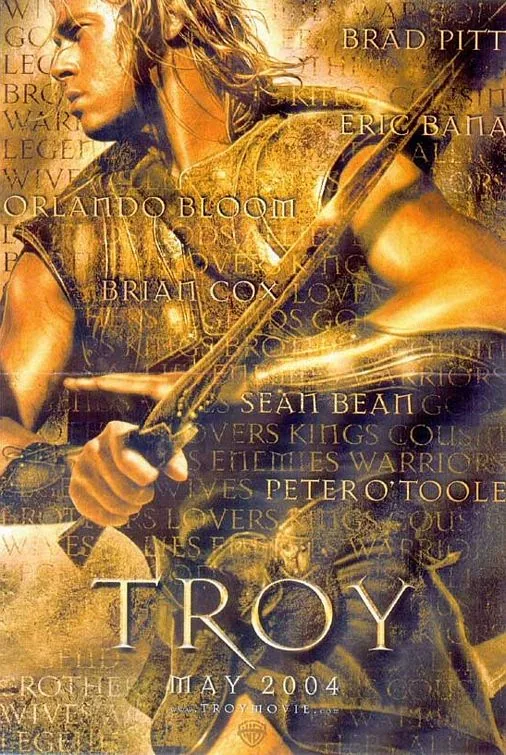
A romantic provocation enables an expansionist siege in which rival leaders depend on warriors whose private loyalties disrupt strategic plans.
Why this matches +
These offer a related experience with a meaningful difference in story, tone, or presentation.
An adjacent discovery: a related idea with a different viewing experience.
Genres: Drama / Action
Shared film traits
Based on recorded story, mood and style. Your preferences can change the order.
War and civilian life
What changes Ancient warriors pursue glory and territorial power while personal rivalries and family loyalties shape costly campaigns.
The departure of a prince and a married queen becomes the public cause for a Greek assault on Troy, but the expedition's leaders bring ambitions extending beyond the return of one woman. A celebrated warrior resists the king who needs his skill, while a Trojan defender attempts to protect a city whose fate is being shaped by family loyalty and political calculation. Personal attachment and the pursuit of lasting fame repeatedly expose others to consequences their champions cannot control.
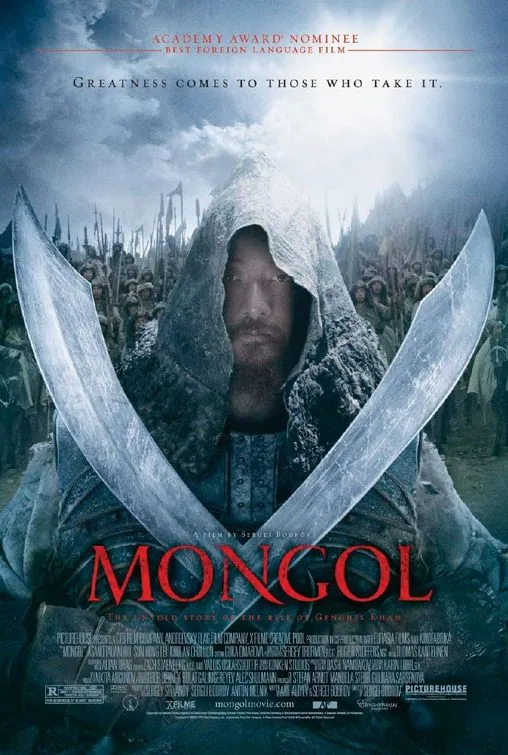
The narrative treats survival and coalition-building as linked tests: each escape wins temporary support but changes the balance of power with Jamukha.
Why this matches +
These offer a related experience with a meaningful difference in story, tone, or presentation.
An adjacent discovery: a related idea with a different viewing experience.
Genres: Drama / Biography
Shared film traits
Based on recorded story, mood and style. Your preferences can change the order.
War and civilian life
What changes A leader rises through family conflict and military campaigns, building an empire while depending on the loyalty of companions.
The film frames Temüjin's rise through the danger that follows him from childhood. After his father is poisoned and a rival claims leadership, Temüjin survives capture, escape and exile, then reunites with Börte, who is kidnapped by the Merkit. He seeks help from blood brother Jamukha; their shared victory attracts followers to Temüjin, but rival claims to loyalty lead to war and another capture. Börte and Temüjin endure captivity and separation as his alliances and military reputation grow, setting him on a path toward becoming Genghis Khan.
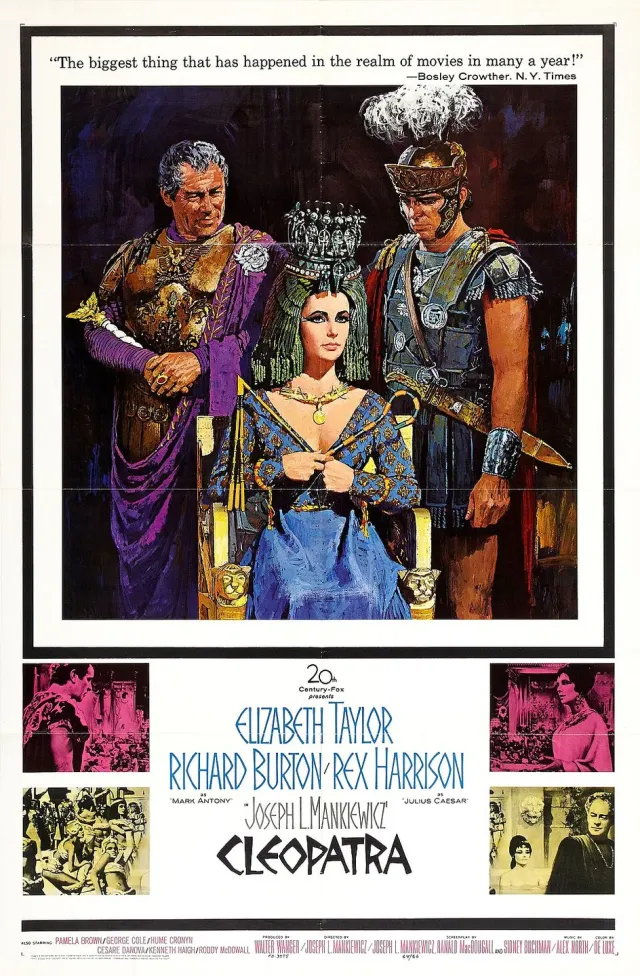
Cleopatra's changing alliances with Roman leaders test how much political independence Egypt can retain as succession and imperial power tighten around her.
Why this matches +
These offer a related experience with a meaningful difference in story, tone, or presentation.
An adjacent discovery: a related idea with a different viewing experience.
Genres: Historical / Drama
Shared film traits
Based on recorded story, mood and style. Your preferences can change the order.
What changes A ruler navigates military ambition, political alliances and intimate relationships within an expansive historical epic.
Egypt's ruler Cleopatra negotiates Roman power through shifting alliances with Julius Caesar and Mark Antony, balancing personal attachment with dynastic survival and the sovereignty of her kingdom. The story's scale moves from Egyptian court to Roman politics and military conflict, making her romantic relationships part of a larger struggle over legitimacy rather than its only subject. The film's elaborate spectacle comes through a mid-century Hollywood interpretation, not a transparent reconstruction of ancient history; its characterization and political simplifications need to be kept distinct from historical evidence. Her alliances shift from Caesar's Roman campaign to Antony's contest with Octavian.
Hal’s transformation is driven by decisions about responsibility rather than a sudden appetite for power.
Why this matches +
These offer a related experience with a meaningful difference in story, tone, or presentation.
An adjacent discovery: a related idea with a different viewing experience.
Genres: Drama / History
Shared film traits
Based on recorded story, mood and style. Your preferences can change the order.
War and civilian life
What changes A young monarch confronts warfare, advisers and the human costs of political ambition as he establishes authority.
Prince Hal prefers taverns and the company of Falstaff to the court, but his father’s death forces him onto the English throne. As Henry V, he faces rebellion at home and a campaign in France while confronting the burdens of authority and the consequences of choosing whom to trust. David Michôd gives the Shakespeare-inspired history a somber, muddy visual texture and a restrained account of a young ruler becoming a wartime king.
Oliver Stone's 2004 theatrical cut follows the Macedonian king from family conflict and accession through campaigns that carry his army across Persia toward India. The victories expand Alexander's authority and the distance between his vision and his soldiers' exhaustion. Retrospective narration frames the action as shaped recollection, while his ties to Olympias, Philip, Hephaistion and his commanders complicate a portrait built around conquest. Stone later recut the film in materially different versions; this catalogue profile refers to the original theatrical release and does not blend their scene order or emphasis.
What drives the story
Conquest gives Alexander power and a public identity, but each expansion creates new strains on loyalty and succession. The retrospective frame makes the film's account a shaped recollection rather than a transparent record of motive.
The people at its centre
Alexander's effort to surpass Philip's legacy competes with his need for parental recognition and intimate loyalty. His commanders bear the costs of his ambitions, while his relationship with Hephaistion is filtered through the film's own choices and omissions.
What it feels like
In the 2004 theatrical cut, large battles alternate with family scenes and an extended political recollection. Stone's later edits materially change pacing and the balance among campaigns, intimacy and court politics, so the release version matters when comparing scenes or claims about the film's structure.
Worth knowing
Compare epic biographies about imperial expansion consuming the relationships that sustain it. The film is a contested dramatization of Alexander, and its several cuts do not support unqualified claims about the historical king's private motives.