Explore films connected to Blue Moon through creative partnership and change, loneliness and self-worth, art and legacy. Choose the qualities you want to carry into your next watch.
What should feel similar?
Find your next favourite
9 films · Closest overall matches
Hide films you’ve seen or don’t want. Saved on this device.
No matches for this combination yet.
Try another option or reset your choices to see more films.
Based on recorded story, mood and style. Your preferences can change the order.
Music and performance
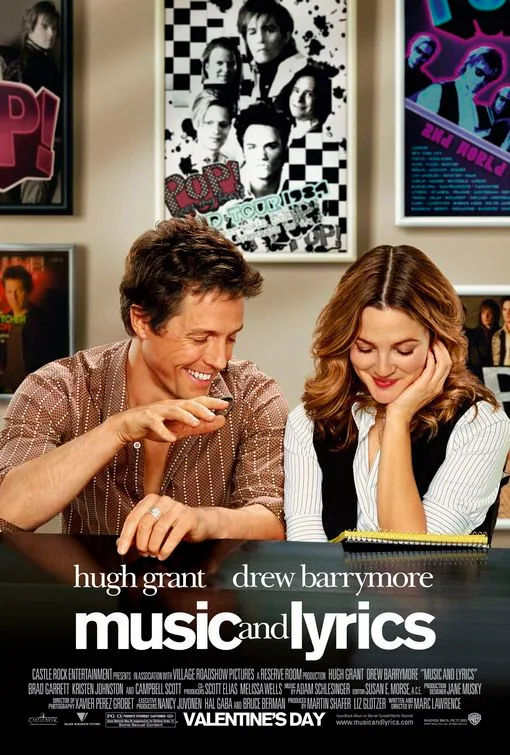
What changes Blue Moon: broadway premiere draws hart to sardi's, conversation reveals professional and personal anxieties and the night becomes a reckoning with change. Music and Lyrics: steady and song-led.
Music and Lyrics (2007), directed by Marc Lawrence, follows A once-famous songwriter from an eighties pop duo earns money through nostalgia performances and is offered a chance to write for a current star. He must collaborate with an inexperienced lyricist whose directness challenges his usual methods and his view of success. The romantic comedy connects musical creation to renewal, asking whether artists can make sincere work after a career has become a performance of its own past.
Based on recorded story, mood and style. Your preferences can change the order.
Music and performance
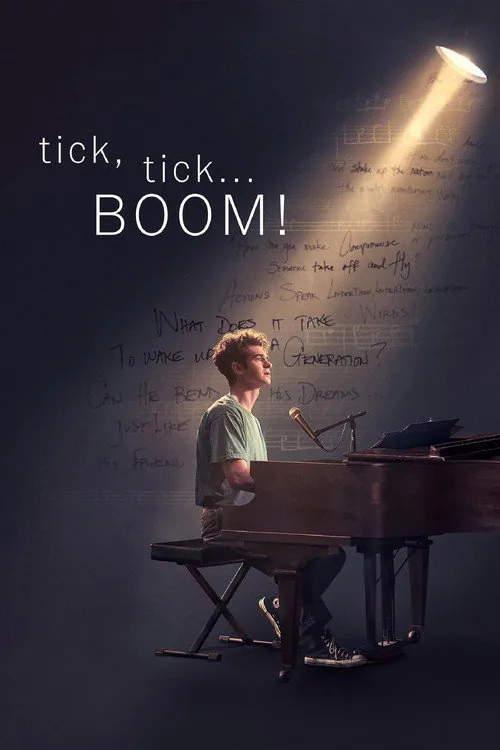
What changes Blue Moon: broadway premiere draws hart to sardi's, conversation reveals professional and personal anxieties and the night becomes a reckoning with change. Tick, Tick... Boom!: songs and memory organize an episodic build toward a public workshop..
In the weeks before his thirtieth birthday, composer and playwright Jon is trying to finish a musical while working at a New York diner and wondering whether his artistic ambitions have cost him the life he wants. Friends face their own choices about stability, love, and a changing city, and a workshop deadline sharpens the pressure. Lin-Manuel Miranda’s adaptation turns Larson’s autobiographical stage piece into a song-driven portrait of creative urgency, with performance and memory shaping its movement.
Based on recorded story, mood and style. Your preferences can change the order.
Music and performance · Memory and identity
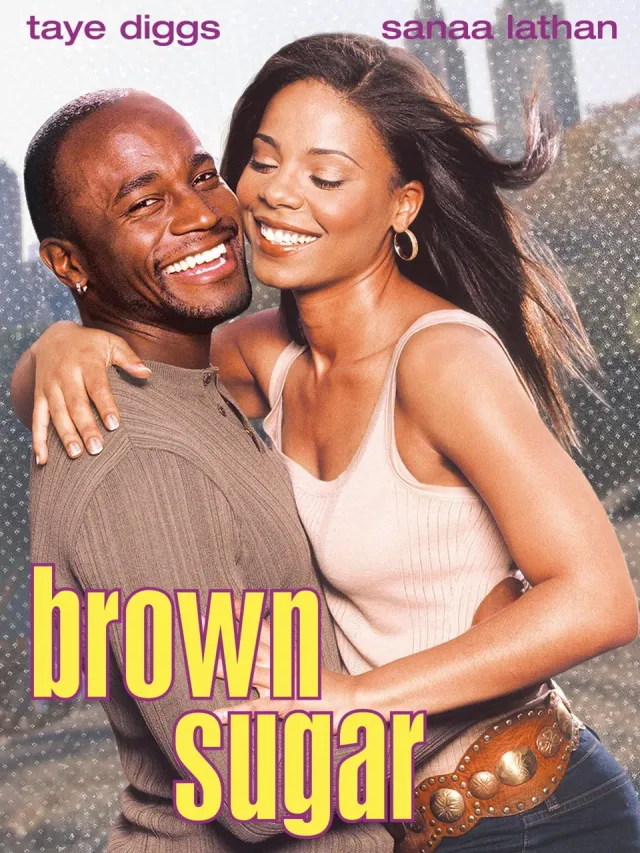
What changes Blue Moon: broadway premiere draws hart to sardi's, conversation reveals professional and personal anxieties and the night becomes a reckoning with change. Brown Sugar: conversational and episodic.
Two lifelong friends connected by their love of hip-hop begin to reconsider their relationship as careers and other romances shift. Their shared musical history keeps drawing them together even when timing and professional ambition pull them apart. The romance treats music as an archive of intimacy, linking personal memory with a culture the characters helped build. Songs, city settings and easy banter create a warm romantic-comedy atmosphere rooted in creative work.
Based on recorded story, mood and style. Your preferences can change the order.
Music and performance · Memory and identity
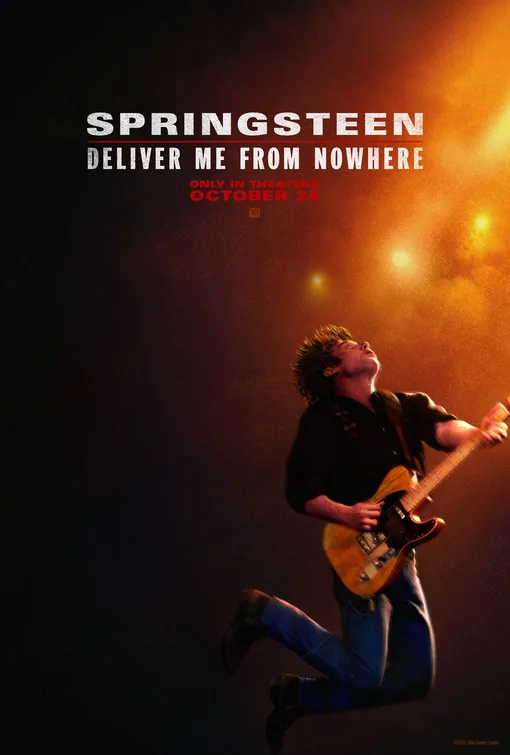
What changes Blue Moon: broadway premiere draws hart to sardi's, conversation reveals professional and personal anxieties and the night becomes a reckoning with change. Springsteen: Deliver Me from Nowhere: a focused creative-process story follows one album’s formation.
During the making of Nebraska, Bruce Springsteen retreats from stadium-scale fame to record at home in New Jersey. The film follows the difficult writing process, his conversations with manager Jon Landau, and memories of a complicated relationship with his father. Rather than trace a whole career, the music drama concentrates on one private artistic period, showing how solitude and family history shaped a stark, intimate album.
Based on recorded story, mood and style. Your preferences can change the order.
Music and performance · Memory and identity
What changes Blue Moon: broadway premiere draws hart to sardi's, conversation reveals professional and personal anxieties and the night becomes a reckoning with change. Man on the Moon: a career-spanning sequence of performances and public confrontations.
Andy Kaufman moves from childhood ambitions to comedy-club performances, television fame, wrestling stunts, and his elaborate alter ego Tony Clifton. Manager George Shapiro and friend Bob Zmuda try to support a performer who blurs jokes, antagonism, and private life so thoroughly that audiences and colleagues cannot always tell when a bit has ended. This biographical tragicomedy follows Kaufman’s singular performance style as both artistic method and source of personal distance.
Based on recorded story, mood and style. Your preferences can change the order.
Music and performance
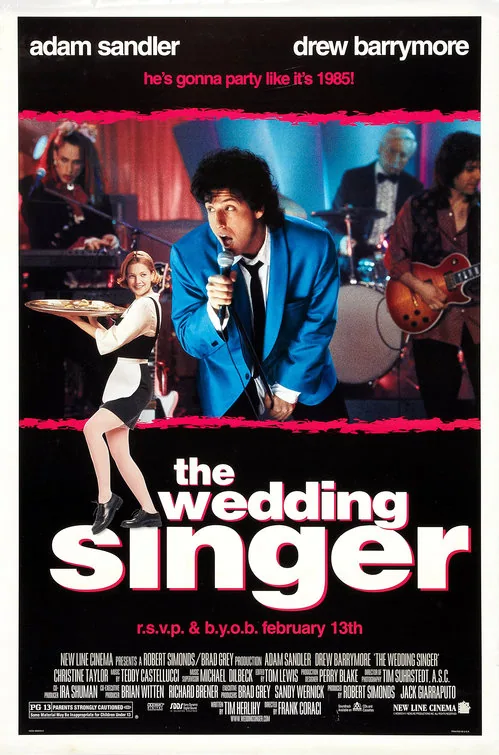
What changes Blue Moon: broadway premiere draws hart to sardi's, conversation reveals professional and personal anxieties and the night becomes a reckoning with change. The Wedding Singer: light and song-punctuated.
Robbie Hart makes a living singing at weddings in 1985 and expects to marry his longtime girlfriend. When she leaves him at the altar, waitress Julia helps him through the disappointment even as she prepares for her own wedding. Their growing affection is complicated by timing and by the commitments they have already made, while period songs and performances give the romance a buoyant frame.
Based on recorded story, mood and style. Your preferences can change the order.
Music and performance · Memory and identity
What changes Blue Moon: broadway premiere draws hart to sardi's, conversation reveals professional and personal anxieties and the night becomes a reckoning with change. Frank: character-led, gradual tension and musical interludes.
Aspiring songwriter Jon Burroughs gets a chance to join an experimental band after meeting its manager and masked frontman, Frank. The group retreats to a remote cabin to develop music, but Jon’s desire to be noticed and to document the band online begins to unsettle its fragile creative process. Frank’s unusual presence attracts Jon, while guitarist Clara resists his ambitions and the rest of the band negotiates its own attachment to its leader. This black comedy-drama explores artistic collaboration, performance, mental health, and the strain of turning a private creative world into public content.
Based on recorded story, mood and style. Your preferences can change the order.
Music and performance · Memory and identity
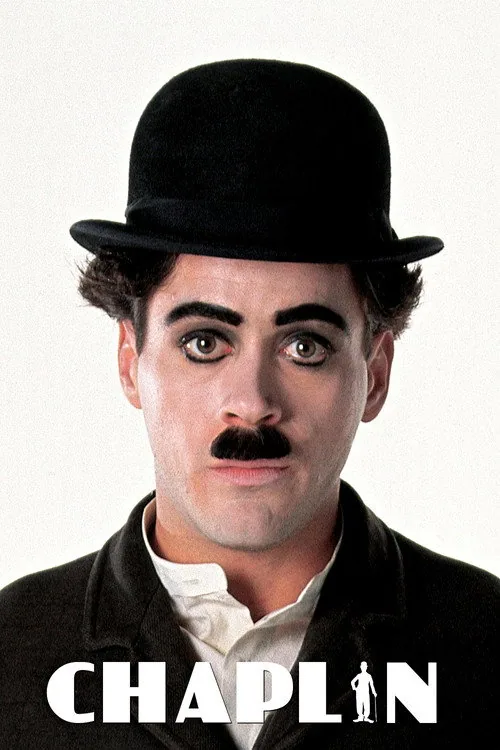
What changes Blue Moon: broadway premiere draws hart to sardi's, conversation reveals professional and personal anxieties and the night becomes a reckoning with change. Chaplin: decades-spanning biography, framed recollection and episodic career milestones.
An elderly Charlie Chaplin looks back on his life during a conversation in Switzerland, recalling a poor childhood in South London and his rise through the music halls to international fame. The film follows the creation of his silent-screen persona, his creative control, personal relationships, political scrutiny, and eventual exile from the United States. Richard Attenborough frames a broad biographical sweep around the tension between the vulnerable man and the comic figure audiences adored. Robert Downey Jr.'s performance anchors a story about art, fame, and the cost of being watched.
Based on recorded story, mood and style. Your preferences can change the order.
Music and performance · Memory and identity
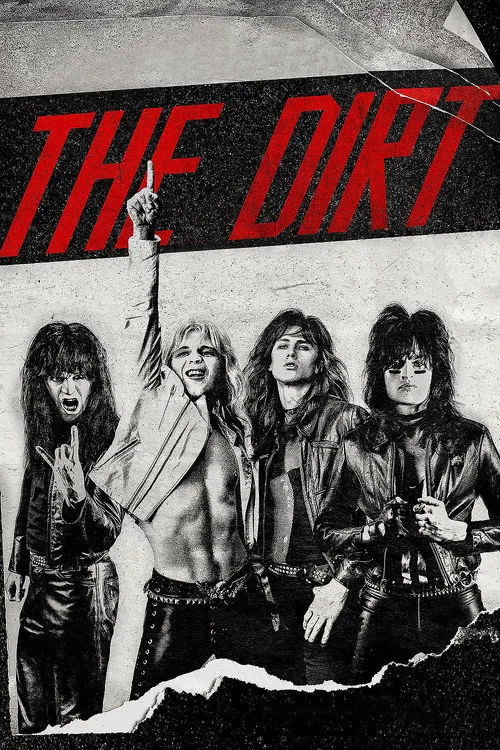
What changes Blue Moon: broadway premiere draws hart to sardi's, conversation reveals professional and personal anxieties and the night becomes a reckoning with change. The Dirt: episodic career milestones, concert energy and late shift toward consequence.
Four young musicians from Los Angeles form Mötley Crüe and rise from club gigs to global fame, adopting a reckless style that mirrors the era's excess. Told through the band members' changing perspectives, the biographical comedy-drama tracks sudden success, internal conflict, addiction, loss, and the difficult attempts to remain together. Concert spectacle and backstage chaos share the screen as the group confronts the damage caused by fame and the possibility of a later reunion.
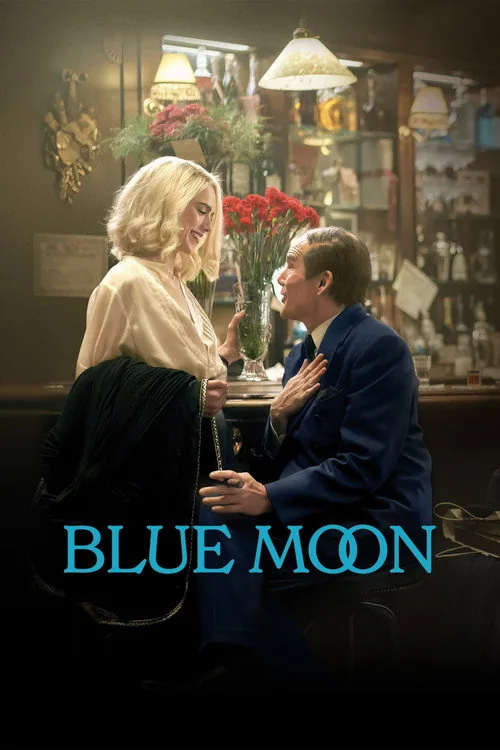
On the opening night of Oklahoma! in 1943, lyricist Lorenz Hart spends an evening at Sardi's, the Broadway restaurant where he once felt at home. His former songwriting partner Richard Rodgers has moved on to a new creative partnership, leaving Hart to confront professional loss, loneliness, and his complicated feelings about the people around him. The biographical drama unfolds over a single night through conversation and performance, capturing a witty, restless artist at a turning point. It is an intimate portrait of creative identity as success changes shape.
What drives the story
As Oklahoma! opens, Lorenz Hart spends the evening near Broadway confronting the end of his creative partnership with Richard Rodgers.
The people at its centre
Hart's wit and need for connection mask insecurity as he interacts with friends, artists, and admirers who reflect his changing place in theatre.
What it feels like
A chamber-like biographical drama relies on conversation, performance, and one historic evening rather than a sweeping cradle-to-grave structure.
Worth knowing
Its compressed setting and timeline center on Hart on the night of Rodgers and Hammerstein's Oklahoma! premiere.
creative partnership and changeloneliness and self-worthart and legacy
Mood
witty · melancholic · intimate
Pacing
Broadway premiere draws Hart to Sardi's · conversation reveals professional and personal anxieties · the night becomes a reckoning with change
Visual style
period Broadway interiors · character-focused staging · theatrical music and conversation
Storytelling
one night in Lorenz Hart's life · Rodgers and Hart partnership has ended · opening night of Oklahoma! marks a turning point