The story’s emotional center is the long change in Bart’s relationship with his father.
Why this matches +
These offer a related experience with a meaningful difference in story, tone, or presentation.
An adjacent discovery: a related idea with a different viewing experience.
Genres: Drama / Music
Shared film traits
Based on recorded story, mood and style. Your preferences can change the order.
Music and performance
What changes A musician's family history and difficult relationship with his father inform the songs through which he seeks connection.
Bart Millard grows up in Texas with an abusive father and a mother who eventually leaves, carrying anger and hurt into adulthood. Music offers him a path toward a career with the band MercyMe, but success does not by itself settle his relationship with his father or his faith. The drama follows the personal history behind a song, linking artistic ambition with forgiveness while treating reconciliation as a difficult choice rather than an easy cure.
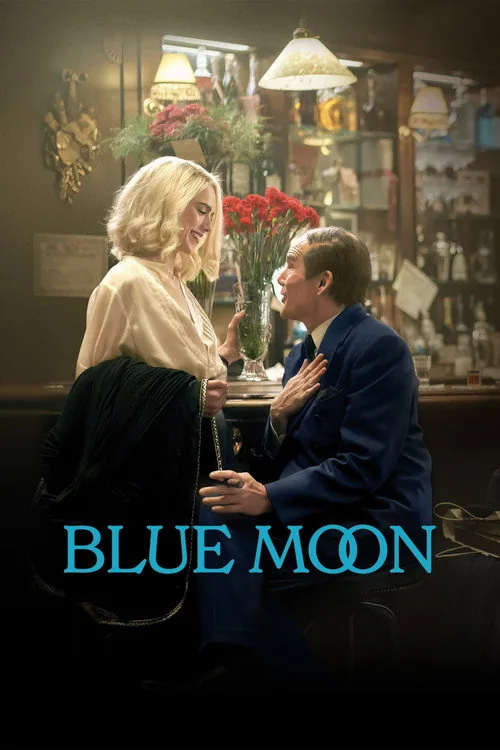
As Oklahoma! opens, Lorenz Hart spends the evening near Broadway confronting the end of his creative partnership with Richard Rodgers.
Why this matches +
These offer a related experience with a meaningful difference in story, tone, or presentation.
An adjacent discovery: a related idea with a different viewing experience.
Genres: Biography / Comedy
Shared film traits
Based on recorded story, mood and style. Your preferences can change the order.
Memory and identity · Music and performance
What changes A music-centered biographical drama focuses on a songwriter during a concentrated creative period and the relationships shaping his work.
On the opening night of Oklahoma! in 1943, lyricist Lorenz Hart spends an evening at Sardi's, the Broadway restaurant where he once felt at home. His former songwriting partner Richard Rodgers has moved on to a new creative partnership, leaving Hart to confront professional loss, loneliness, and his complicated feelings about the people around him. The biographical drama unfolds over a single night through conversation and performance, capturing a witty, restless artist at a turning point. It is an intimate portrait of creative identity as success changes shape.
Therapy brings adult Otis back to memories of working as a child actor alongside his difficult father.
Why this matches +
These offer a related experience with a meaningful difference in story, tone, or presentation.
An adjacent discovery: a related idea with a different viewing experience.
Genres: Biography / Drama
Shared film traits
Based on recorded story, mood and style. Your preferences can change the order.
Memory and identity
What changes An artist revisits a complicated relationship with his father, using memories of family conflict to understand creative work.
Actor Otis Lort enters rehabilitation after a destructive incident, where therapy encourages him to revisit his childhood. In flashbacks, young Otis works on film sets while living with his father James, a former rodeo clown whose support and volatility are difficult to separate. The story moves between adult treatment and the boy’s memories, exploring how performance, work, and a complicated parent-child bond shape Otis’s understanding of himself.
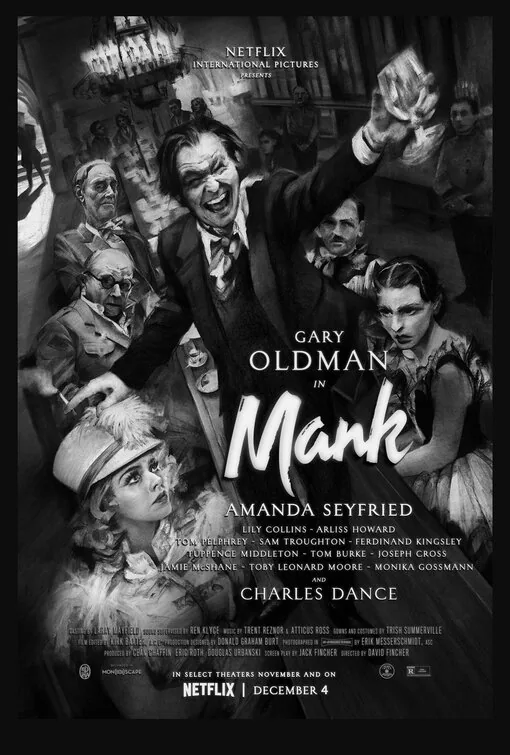
A screenwriter works through illness and deadlines on the script that will become Citizen Kane.
Why this matches +
These offer a related experience with a meaningful difference in story, tone, or presentation.
An adjacent discovery: a related idea with a different viewing experience.
Genres: Drama / Biography
Shared film traits
Based on recorded story, mood and style. Your preferences can change the order.
Memory and identity
What changes A writer works through isolation, professional expectations and personal history while creating a distinctive major work.
Screenwriter Herman J. Mankiewicz works on the screenplay that will become Citizen Kane while recovering at a secluded ranch. Flashbacks follow his encounters with Hollywood power brokers, political campaigning, and the film industry's social circles as he develops a story shaped by personal observation. David Fincher's black-and-white drama explores creative credit and influence through a stylized portrait of a writer navigating a system that rewards access while contesting who authored a celebrated film.
David's musical rise is interrupted by a breakdown before he slowly reconnects with public performance as an adult.
Why this matches +
These offer a related experience with a meaningful difference in story, tone, or presentation.
An adjacent discovery: a related idea with a different viewing experience.
Genres: Biography / Drama
Shared film traits
Based on recorded story, mood and style. Your preferences can change the order.
Memory and identity · Music and performance
What changes A musician's artistic gifts and relationship with a demanding father shape an intimate biographical drama.
Pianist David Helfgott grows up in Adelaide under a father whose demanding approach to music is bound up with pride, control, and family history. David's talent takes him from local performances to advanced study abroad, but the pressure and his father's refusal to let him go contribute to a psychological breakdown. Years later, David returns to public life and begins playing again with help from people he meets. The biographical drama contrasts a gifted childhood with an adult search for music and connection.
During the making of Nebraska, Bruce Springsteen retreats from stadium-scale fame to record at home in New Jersey. The film follows the difficult writing process, his conversations with manager Jon Landau, and memories of a complicated relationship with his father. Rather than trace a whole career, the music drama concentrates on one private artistic period, showing how solitude and family history shaped a stark, intimate album.
What drives the story
The home recordings contrast with the public scale of Springsteen’s fame.
The people at its centre
His father’s history enters the music as an unresolved emotional presence.
What it feels like
Landau’s support makes artistic isolation a shared working relationship. The result gives the film’s conflict a lasting human cost.
Worth knowing
The narrow period gives the album’s production more weight than a full career survey.
ArtFamilyMemory
Mood
Introspective · Restrained · Emotional
Pacing
A focused creative-process story follows one album’s formation
Visual style
1980s New Jersey detail · Domestic recording · Muted landscapes
Storytelling
Music and performance · Family obligation · Memory and identity