Based on recorded story, mood and style. Your preferences can change the order.
Escape and pursuit
What changes Cape Fear: measured. Cape Fear: escalating.
Convicted rapist Max Cady emerges from prison determined to punish his former defense lawyer, Sam Bowden, for withholding evidence that might have helped his case. He infiltrates the family's routines and exploits its existing resentments, turning Bowden's compromised professional decision into a threat to his wife and daughter. Their attempt to escape only intensifies a conflict in which legal culpability and monstrous retaliation are deliberately unequal.
Based on recorded story, mood and style. Your preferences can change the order.
Escape and pursuit
Expect unsettling and bleak, with measured pacing.
A man living at the margins learns that the person convicted of killing his parents is being released from prison. His attempt at revenge succeeds in one immediate sense but exposes his lack of practical competence and puts his sister's household at risk. Learning more about the original crime does not offer an easy route back, as family loyalties and retaliatory assumptions make further violence seem like the only remaining protection.
Both share themes of justice, plus a tense atmosphere.
Why this matches +
Genres: Crime / Drama
Shared film traits
Based on recorded story, mood and style. Your preferences can change the order.
Expect tense and emotional, with measured pacing.
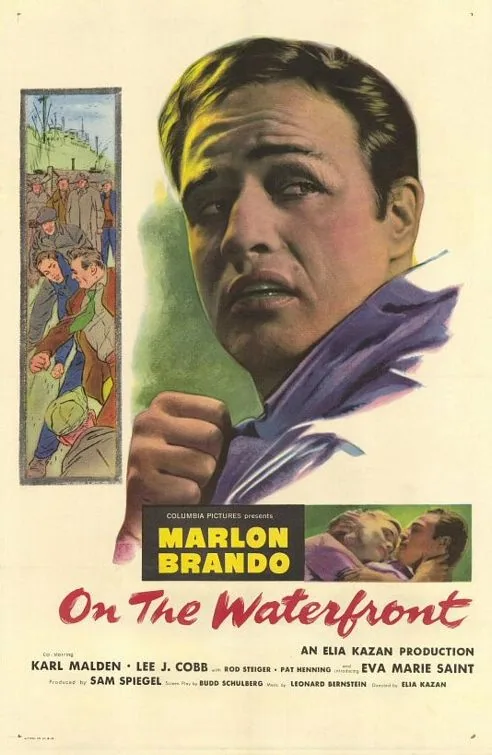
A former boxer working on the docks helps lure a fellow worker into a confrontation that ends in murder. His dependence on a corrupt union leader, and on a brother close to that leader, makes acknowledging his part dangerous. Growing affection for the victim's sister and pressure from a local priest force him to reconsider whether loyalty means keeping silent or accepting the personal cost of speaking against the system supporting him.
Both share themes of justice, plus a tense atmosphere.
Why this matches +
Genres: Crime / Drama
Shared film traits
Based on recorded story, mood and style. Your preferences can change the order.
What changes Cape Fear: measured. Felon: escalating, prison-drama arc and character-led.
Wade Porter is a construction worker and family man who is arrested after he kills a burglar who has already left his home. A plea agreement sends him to state prison, where he must navigate violence, prison gangs, and a system that rewards self-protection. His family faces the strain of his incarceration while he adapts to a new social order. Ric Roman Waugh’s prison drama follows how one impulsive act reshapes a household and tests the limits of survival behind bars.
Based on recorded story, mood and style. Your preferences can change the order.
What changes Cape Fear: measured. A Time to Kill: escalating.
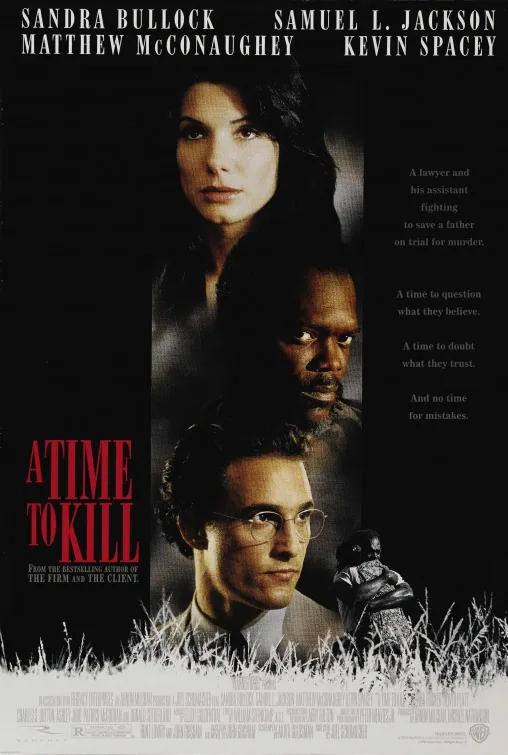
After a Black girl is brutally attacked in Mississippi, her father kills the accused men and faces a murder trial. A young white lawyer agrees to defend him as racial intimidation and public anger spread beyond the courtroom. Preparing the case endangers colleagues and family, turning a legal argument about responsibility into a confrontation with the unequal sympathy and institutional power shaping the surrounding community.
Both share themes of family, plus a tense atmosphere.
Why this matches +
Genres: Crime / Drama
Shared film traits
Based on recorded story, mood and style. Your preferences can change the order.
Escape and pursuit
Expect tender and tense, with measured pacing.
An escaped convict takes a young boy hostage during his flight through Texas, while a veteran lawman directs the pursuit. What begins as coercion becomes an uneasy companionship, shaped by the child's restrictive upbringing and the fugitive's memories of his own father. Moments of freedom coexist with the man's capacity for frightening violence, leaving both the pursuers and the boy unable to reduce him to a single reassuring role.
Based on recorded story, mood and style. Your preferences can change the order.
Escape and pursuit
What changes Cape Fear: measured. Fast X: fast.
A team's apparent agency assignment turns out to be a trap built by the son of a man they defeated years earlier. He uses their protective loyalties to direct their choices, turning rescue attempts into public evidence against them and scattering allies across separate dangers. With an official manhunt accepting the manufactured account, Dom must protect his child while reconsidering how much power a shared family identity gives someone determined to make every attachment a point of leverage.
Both share themes of justice, plus a tense atmosphere.
Why this matches +
Genres: Crime / Thriller
Shared film traits
Based on recorded story, mood and style. Your preferences can change the order.
Escape and pursuit
Expect unsettling and tense, with measured and escalating pacing.
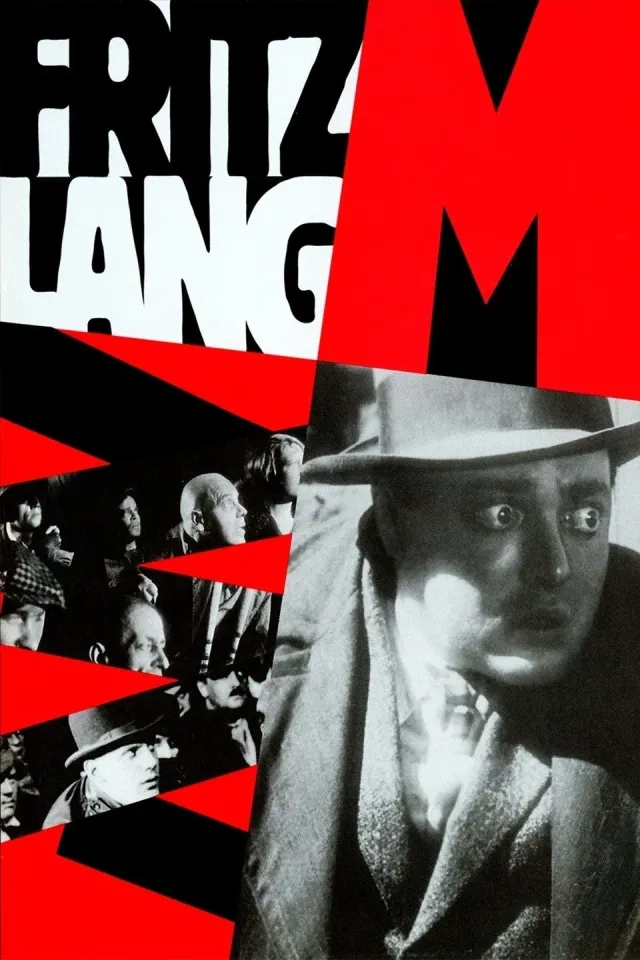
A city gripped by the murder of children turns increasingly suspicious as police apply pressure across its criminal underworld. Professional criminals organise their own search to remove the disruption caused by raids, creating parallel systems of pursuit. The hunt's convergence raises questions about public fear, punishment and whether a crowd claiming to deliver justice can recognise the limits of its authority.
Both share themes of revenge, plus a tense atmosphere.
Why this matches +
Genres: Crime / Drama
Shared film traits
Based on recorded story, mood and style. Your preferences can change the order.
Escape and pursuit
Expect tense and intimate, with measured and intense pacing.
A solitary contract killer reluctantly shelters a girl after corrupt officers murder her family. She seeks both protection and the skills to retaliate, while he struggles to keep an emotionally sealed life from becoming a relationship of responsibility. Their refuge cannot remain private as the officers pursue the surviving witness, bringing the girl's grief and the adult's professional violence into increasingly dangerous proximity.
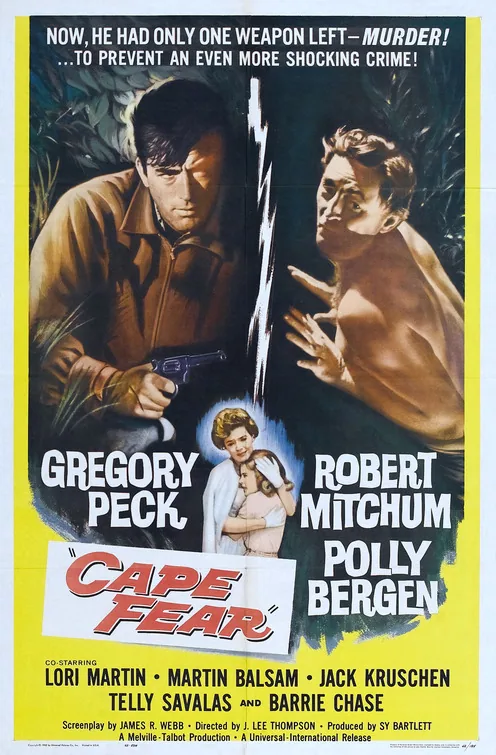
After serving a prison sentence, Max Cady targets lawyer Sam Bowden, whose testimony helped convict him. Cady threatens Bowden's wife and daughter through encounters that seem calculated to stay beyond effective police intervention. As legal protection proves inadequate, Bowden tries increasingly dangerous ways to defend his family. The tension comes from an identifiable predator exploiting the gap between frightening intentions and acts the authorities can punish.
What drives the story
A released offender uses intimidation that is difficult to prosecute, pushing a witness toward taking personal responsibility for stopping him.
The people at its centre
Cady treats Bowden's family as instruments of retaliation, while Bowden's protective authority becomes strained by fear and limited legal options.
What it feels like
Measured surveillance and insinuation create a sustained siege atmosphere before the conflict becomes more physically immediate and geographically confined.
Worth knowing
Unlike the 1991 adaptation, Bowden is the witness whose testimony convicted Cady, not the defendant's former lawyer concealing evidence.