Based on recorded story, mood and style. Your preferences can change the order.
Memory and identity · Constructed reality
What changes Close-Up: measured shifts between reconstructed meetings and documentary courtroom observation. Stardust Memories: fragmented and conversation-led.
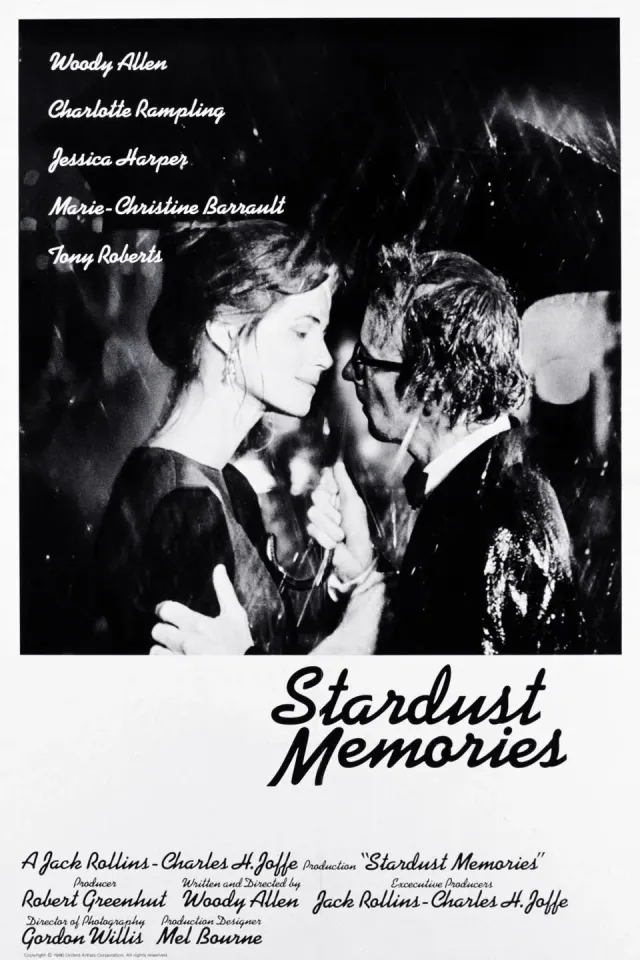
Film director Sandy Bates attends a retrospective of his work at a seaside festival, where fans, colleagues, romantic partners and strangers ask him to explain himself. His present-day encounters blur with memories and imagined scenes as he weighs commercial success against the intimate films he wants to make. The comedy-drama turns celebrity and artistic doubt into a fragmented meditation on attention and creation.
There is little recorded overlap with your starting film.
Why this matches +
Genres: Comedy / Crime
Shared film traits
Based on recorded story, mood and style. Your preferences can change the order.
Constructed reality
What changes Close-Up: measured shifts between reconstructed meetings and documentary courtroom observation. Scoop: brisk and comic mystery.
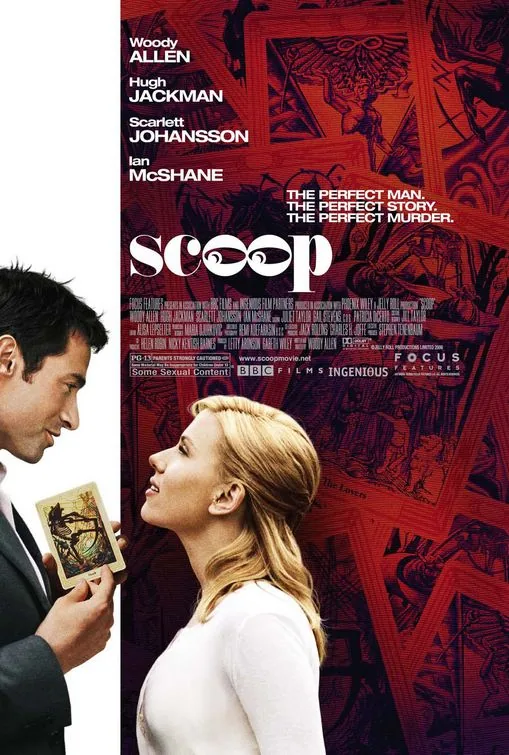
A journalism student attending a magic show receives information from a dead reporter that may identify a wealthy London socialite as a serial murderer. With help from the magician, she goes undercover to test the claim and becomes romantically involved with her subject. The film blends mystery and comedy around the tension between an unreliable supernatural tip, investigative curiosity and the danger of becoming personally invested.
Both share themes of identity, plus an intimate atmosphere.
Why this matches +
Genres: Drama / Science fiction
Shared film traits
Based on recorded story, mood and style. Your preferences can change the order.
Memory and identity · Constructed reality
What changes Close-Up: measured shifts between reconstructed meetings and documentary courtroom observation. Upstream Color: elliptical, patient and associative.
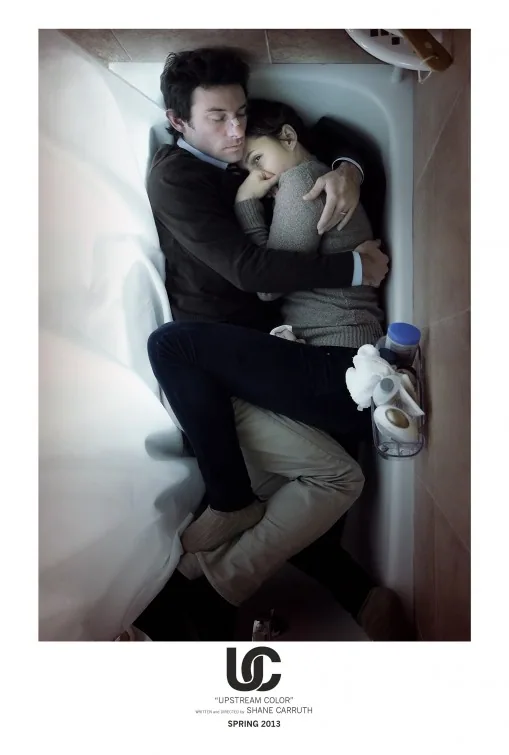
Kris is abducted by a thief who uses an organism to place her in a highly suggestible state and strip away control over her life. After the experience, she struggles to reconstruct her identity and forms a connection with Jeff, a man whose past carries a related rupture. Their lives intersect with a farmer and a cycle involving pigs, plants and people. Shane Carruth’s film presents its relationships and events through an elliptical, sensory structure.
There is little recorded overlap with your starting film.
Why this matches +
Genres: Science fiction / Drama
Shared film traits
Based on recorded story, mood and style. Your preferences can change the order.
Constructed reality
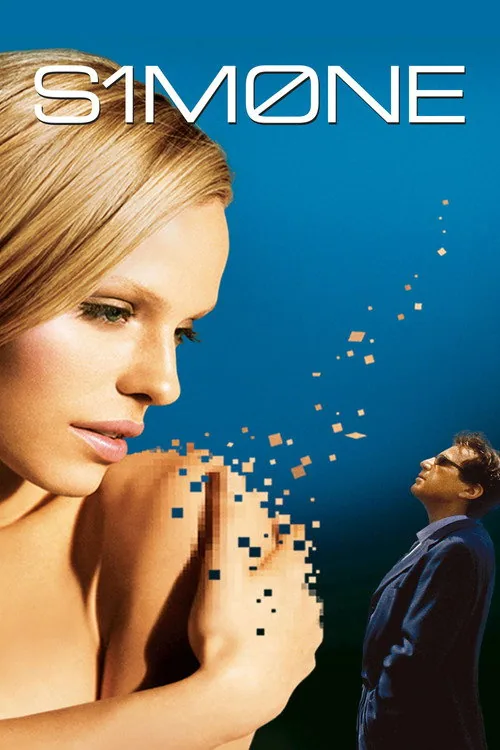
What changes Close-Up: measured shifts between reconstructed meetings and documentary courtroom observation. S1m0ne: comic escalation, media spectacle and consequences accumulate.
When an actress abandons his film, frustrated director Viktor Taransky receives software that lets him create a convincing virtual performer named Simone. He presents her as a real star, and audiences embrace her, turning a private production shortcut into a global media event. As Simone's fame grows, Viktor must maintain the illusion while facing the consequences of giving a fictional person a public life. Andrew Niccol's satire mixes show-business comedy with science fiction, asking who controls an image once the audience begins to believe in it.
There is little recorded overlap with your starting film.
Why this matches +
Genres: Action / Comedy
Shared film traits
Based on recorded story, mood and style. Your preferences can change the order.
Constructed reality
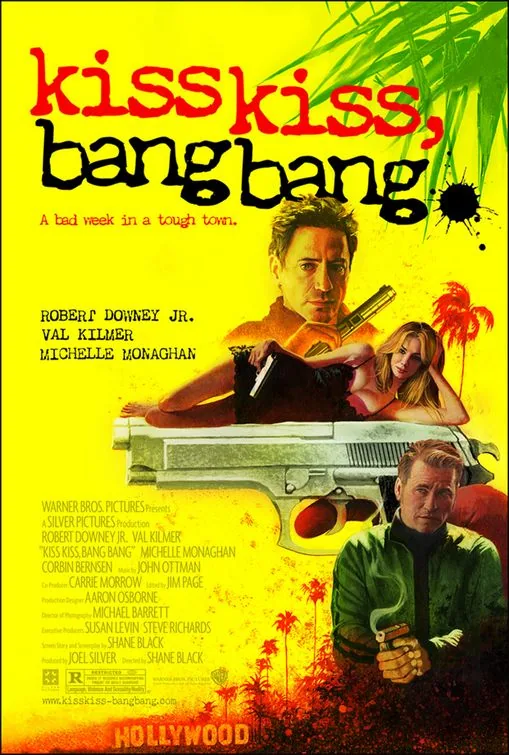
What changes Close-Up: measured shifts between reconstructed meetings and documentary courtroom observation. Kiss Kiss Bang Bang: snappy and twisty.
A small-time thief is mistaken for an actor and sent to Hollywood, where he trains with a private investigator while preparing for a role. A suspicious death pulls the unlikely pair into a murder case whose clues keep turning against their expectations. The crime comedy uses narration, mistaken identity and self-aware genre jokes to make Hollywood performance part of the mystery itself.
There is little recorded overlap with your starting film.
Why this matches +
Genres: Crime / Drama
Shared film traits
Based on recorded story, mood and style. Your preferences can change the order.
Constructed reality
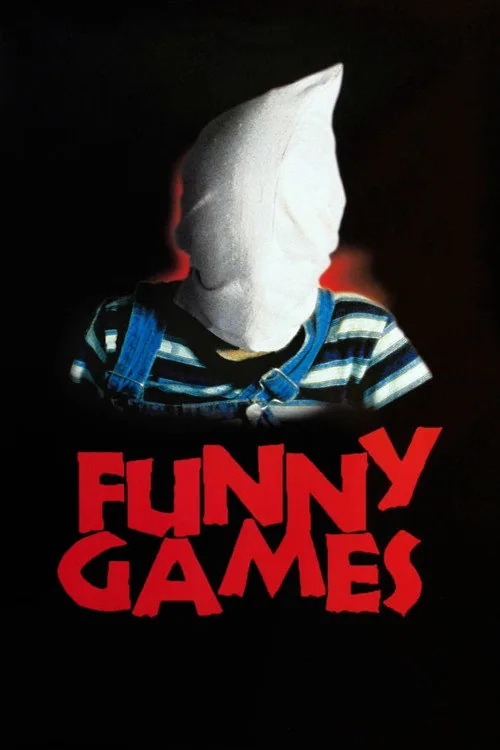
What changes Close-Up: measured shifts between reconstructed meetings and documentary courtroom observation. Funny Games: two strangers hold a vacationing family hostage and force them to take part in sadistic games..
Georg and Anna Schober arrive with their son at their lakeside holiday home, where two polite young men ask to borrow eggs and gradually take control of the house. The intruders force the family into a series of cruel games and bets about how long they will survive. Michael Haneke’s Austrian thriller repeatedly breaks ordinary suspense conventions, including by making one attacker acknowledge the camera and the audience’s expectations. The film turns a home-invasion story into a confrontational study of spectatorship, violence, and the desire for a satisfying rescue.
There is little recorded overlap with your starting film.
Why this matches +
Genres: Documentary / Experimental
Shared film traits
Based on recorded story, mood and style. Your preferences can change the order.
Constructed reality
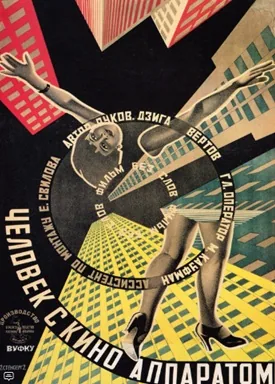
What changes Close-Up: measured shifts between reconstructed meetings and documentary courtroom observation. Man with a Movie Camera: variable.
Across a day in several Soviet cities, a cameraman records streets, factories, transport, leisure and public events while an editor assembles the footage into a dynamic portrait of modern urban life. The film repeatedly shows the camera operator at work and the editor arranging the very images the audience sees, making production part of its subject. There is no conventional cast or dialogue-driven plot: visual associations, superimpositions and changes in speed turn ordinary labor and motion into an experiment in what cinema can reveal and construct.
There is little recorded overlap with your starting film.
Why this matches +
Genres: Crime / Parody
Shared film traits
Based on recorded story, mood and style. Your preferences can change the order.
Constructed reality · Work and ambition
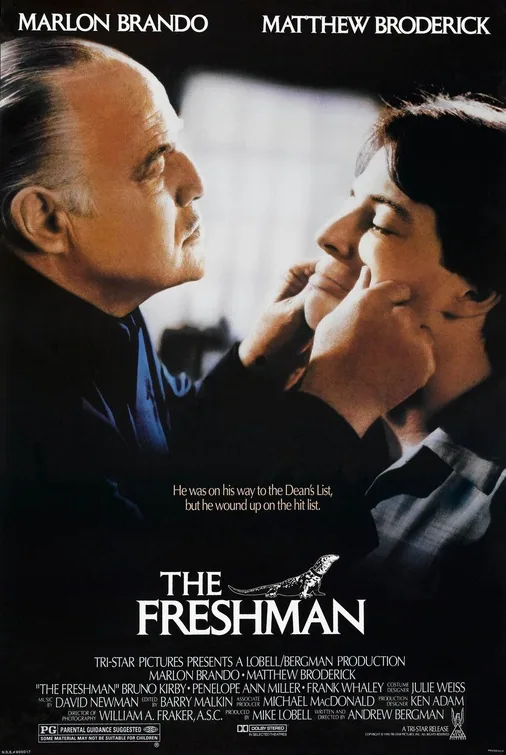
What changes Close-Up: measured shifts between reconstructed meetings and documentary courtroom observation. The Freshman: fish-out-of-water encounters gradually reveal the scale and moral cost of the operation.
Film student Clark Kellogg arrives in New York and loses his luggage to Victor Ray, a small-time operator who offers to repay him with work for his uncle Carmine Sabatini. The genial Carmine resembles a famous movie gangster and gives Clark seemingly simple errands, including delivering a Komodo dragon. Federal agents explain that the operation is tied to an illegal gourmet club serving endangered animals, leaving Clark caught between his new employers, law enforcement and Carmine’s daughter Tina. He must figure out where his loyalty lies as the comic scheme grows more elaborate and his film-school lessons begin to resemble real life.
Based on recorded story, mood and style. Your preferences can change the order.
Memory and identity · Constructed reality
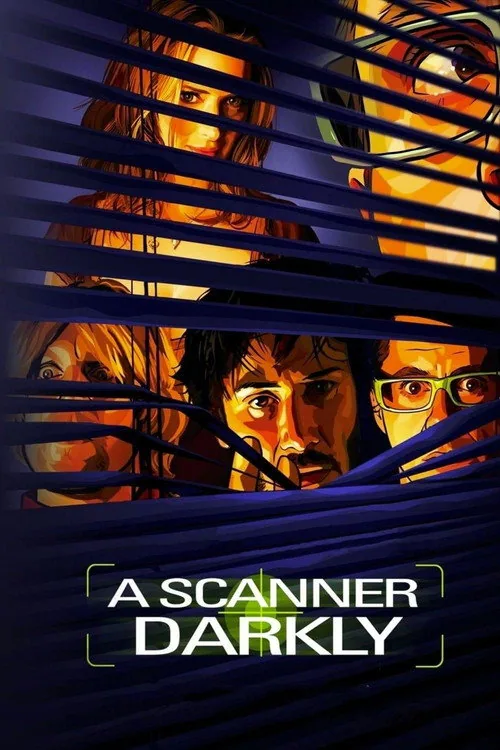
What changes Close-Up: measured shifts between reconstructed meetings and documentary courtroom observation. A Scanner Darkly: disorienting, episodic and slowly collapsing.
Undercover agent Bob Arctor lives among addicts dependent on Substance D while secretly reporting on that same community to the government. His assignment places him under constant surveillance, but the drug also fractures his sense of self and weakens his ability to recognize his own role. Adapted from Philip K. Dick, the film uses rotoscoped animation to make paranoia, state control, and memory loss feel inseparable from the characters' unstable perceptions.
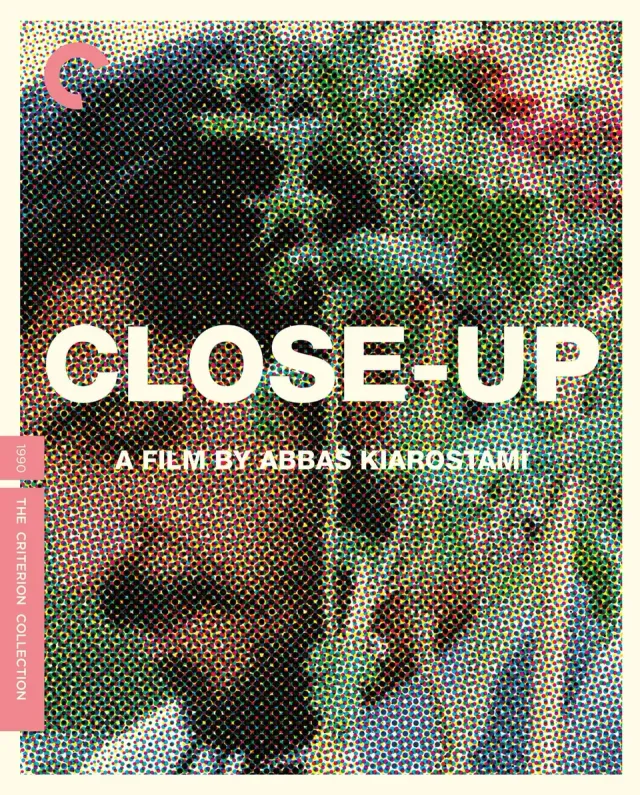
Hossain Sabzian, an impoverished cinephile, tells a woman on a bus that he is celebrated filmmaker Mohsen Makhmalbaf, then visits her family while pretending he will cast them in a film. When the family grows suspicious, a journalist helps expose the deception and Sabzian is arrested. Abbas Kiarostami’s film follows the real case through courtroom footage and scenes in which the participants reconstruct events, letting the accused speak about his love of cinema and the identity he borrowed. The result makes the act of filming part of the story itself.
What drives the story
The film returns to one impersonation from several angles to examine what Sabzian’s performance meant to him and the family.
The people at its centre
Sabzian’s longing for recognition is set beside the family’s cautious curiosity and their effort to understand the harm.
What it feels like
The porous border between documentary record and reenactment asks viewers to notice how cinema can grant people a voice.
Worth knowing
It is a formally self-aware real-case film where the process of representing a person becomes part of the subject.
Performanceidentitypoverty
Mood
Reflective · intimate · unsettled · humane
Pacing
Measured shifts between reconstructed meetings and documentary courtroom observation
Visual style
Restrained close framing · everyday Iranian locations and visible shifts between record and reenactment
Storytelling
Real case revisited through reenactment · trial testimony and filmmaker encounter