Explore films connected to Dead Ringers through identity and dependence, professional authority, twin intimacy and separation. Choose the qualities you want to carry into your next watch.
What should feel similar?
Find your next favourite
9 films · Closest overall matches
Hide films you’ve seen or don’t want. Saved on this device.
No matches for this combination yet.
Try another option or reset your choices to see more films.
Based on recorded story, mood and style. Your preferences can change the order.
Memory and identity
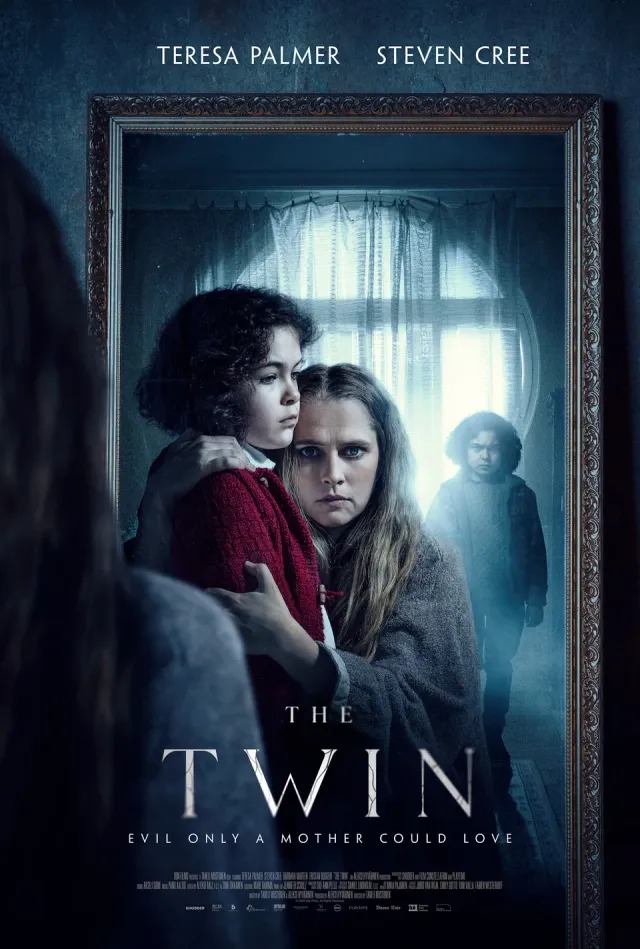
What changes Dead Ringers: slow psychological collapse, clinical rituals and hallucinatory final movement. The Twin: slow-burn, gradually unsettling, mystery-driven and climactic.
After losing one of their twin sons, Rachel and Anthony move with their surviving child to Finland, hoping distance will help the family grieve. Elliot begins speaking of his dead brother and behaving in ways Rachel cannot explain. As she searches for answers, the welcoming community offers a spiritual explanation that complicates her trust in her own perceptions. The film develops maternal grief into a supernatural story about family, belief and the temptation to trade uncertainty for certainty.
Based on recorded story, mood and style. Your preferences can change the order.
Memory and identity
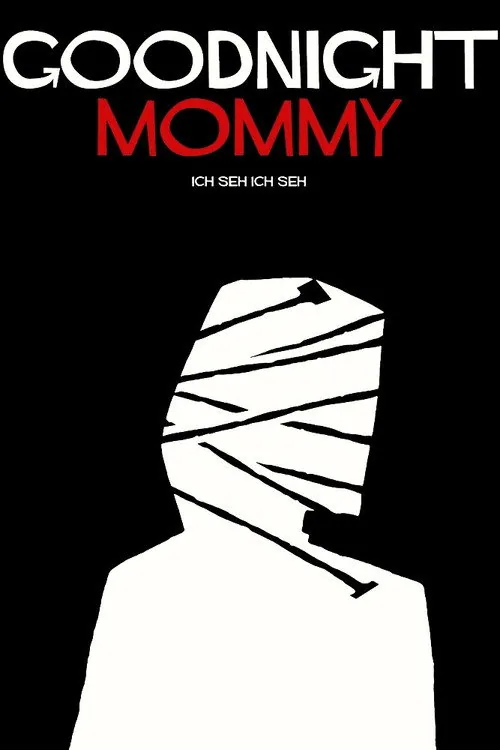
What changes Dead Ringers: slow psychological collapse, clinical rituals and hallucinatory final movement. Goodnight Mommy: slow-burn unease, repeated domestic routines and gradual mystery escalation.
After their mother returns from facial surgery with her head covered in bandages, twin boys Elias and Lukas find her behavior strangely distant and severe. The family lives in an isolated modern house, where closed blinds, rules about silence, and a widening gap between the brothers and their mother create a tense domestic mystery. Their suspicions grow as small inconsistencies accumulate and the children try to determine whom they can trust. This Austrian psychological horror film relies on restraint, repetition, and the twins' limited point of view rather than frequent shocks.
Based on recorded story, mood and style. Your preferences can change the order.
What changes Dead Ringers: slow psychological collapse, clinical rituals and hallucinatory final movement. The Innocents: a new neighborhood brings the children together, playful experiments reveal unusual powers, relationships and resentments affect their use and danger grows beyond their control.
During a Scandinavian summer, young Ida and her family move into an apartment complex where she meets Ben, a boy with an unusual ability. The children begin testing their powers and spend time with Anna, Ida’s autistic older sister, and Aisha, another child in the neighborhood. Their private experiments take a darker turn as the abilities grow more consequential and the adults remain largely unaware of what is happening.
Based on recorded story, mood and style. Your preferences can change the order.
Memory and identity
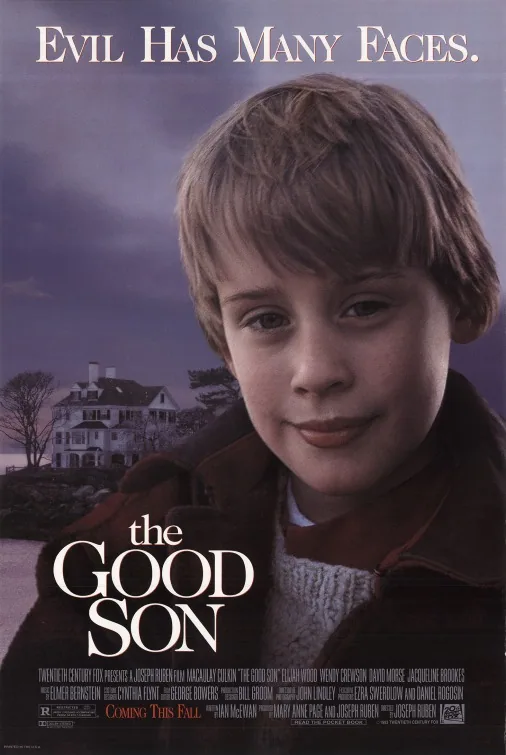
What changes Dead Ringers: slow psychological collapse, clinical rituals and hallucinatory final movement. The Good Son: domestic unease grows through incidents until a final confrontation tests the adults’ judgment.
After his mother’s death, ten-year-old Mark Evans is sent to stay with relatives in Maine while his father travels for work. Mark initially bonds with his cousin Henry, but becomes alarmed by the boy’s fascination with violence and a series of dangerous incidents. Henry threatens him when Mark tries to warn the adults, who are grieving another child and struggle to accept what is happening. When Henry’s actions endanger his younger sister Connie, Mark must decide whom to trust and act quickly to protect her. The thriller turns a family visit into a test of belief and courage.
Based on recorded story, mood and style. Your preferences can change the order.
Memory and identity
What changes Dead Ringers: slow psychological collapse, clinical rituals and hallucinatory final movement. Titane: abrupt and escalating.
After surviving a childhood accident, Alexia develops an unsettling physical connection to machines and grows into an adult whose life is shaped by performance and violence. A series of events forces her to assume another person's identity and enter a household where a grieving father is desperate for a missing son. Julia Ducournau's body-horror drama moves between extremes to examine transformation, care and the need to belong.
Based on recorded story, mood and style. Your preferences can change the order.
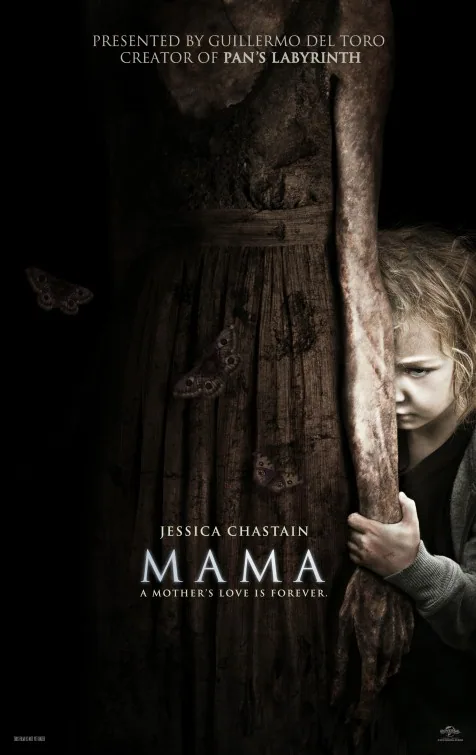
What changes Dead Ringers: slow psychological collapse, clinical rituals and hallucinatory final movement. Mama: slow-building and escalating menace.
Two sisters are discovered alive after years in an isolated cabin and are placed with their uncle and his reluctant partner. Their adjustment is disturbed by an unseen maternal presence that appears to have protected them. As the adults investigate the children's past, ordinary caregiving becomes entangled with supernatural jealousy, and the sisters' different attachments make the idea of returning home increasingly complicated.
Based on recorded story, mood and style. Your preferences can change the order.
Memory and identity
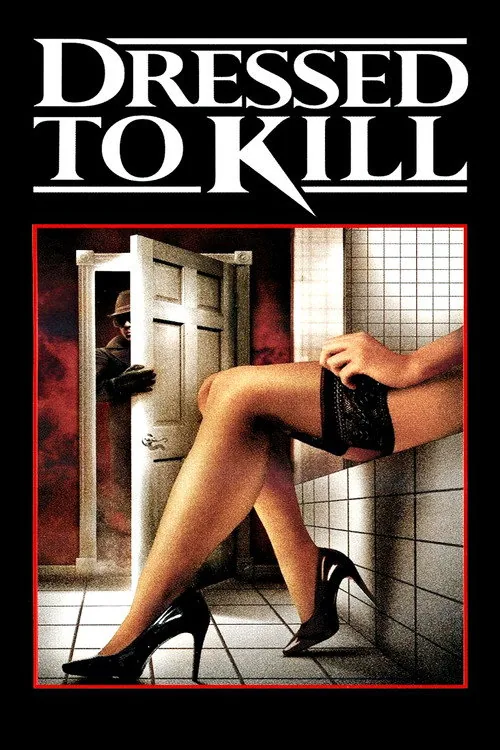
What changes Dead Ringers: slow psychological collapse, clinical rituals and hallucinatory final movement. Dressed to Kill: slow suspense build, set-piece murder sequence and revelation-driven finale.
New York housewife Kate Miller leaves a therapy appointment and is murdered in an elevator by a blonde woman. Her son Peter and a sex worker named Liz become entangled in the search for the killer, while police psychiatrist Dr. Robert Elliott is drawn into questions about the crime. Brian De Palma uses shifting viewpoints, elaborate camera movement, and Hitchcockian suspense to turn identity and observation into part of the mystery. The thriller's stylized violence and sexual politics reflect its period and remain central to its reception.
Based on recorded story, mood and style. Your preferences can change the order.
Memory and identity
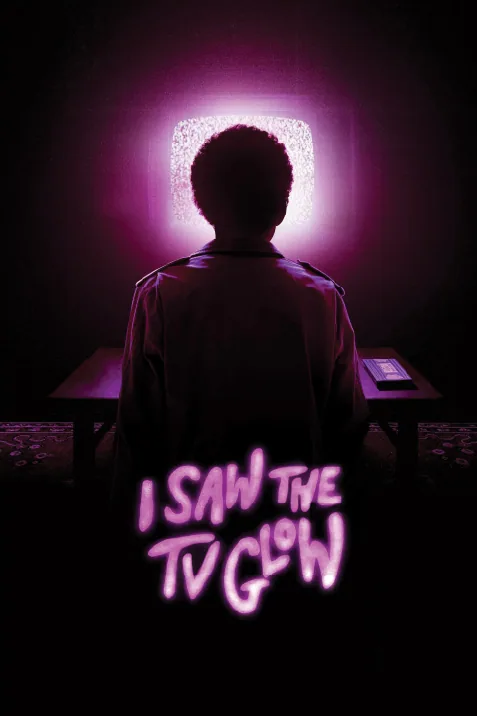
What changes Dead Ringers: slow psychological collapse, clinical rituals and hallucinatory final movement. I Saw the TV Glow: slow burn and episodic.
Two isolated classmates, Owen and Maddy, bond over a late-night television series that seems to offer a world more meaningful than their suburban routines. Maddy disappears after insisting that the show reveals something true about their identities; years later, she returns with a frightening explanation that Owen cannot bring himself to accept. Their unequal readiness to act turns time, memory and ordinary adulthood into sources of horror. The film’s trans allegory is closely tied to repression and recognition, while its unstable reality resists a tidy supernatural solution. Its ending is disturbing because Owen’s continued deferral has visible costs, not because it offers instructions for a viewer’s safety or identity.
Based on recorded story, mood and style. Your preferences can change the order.
Memory and identity
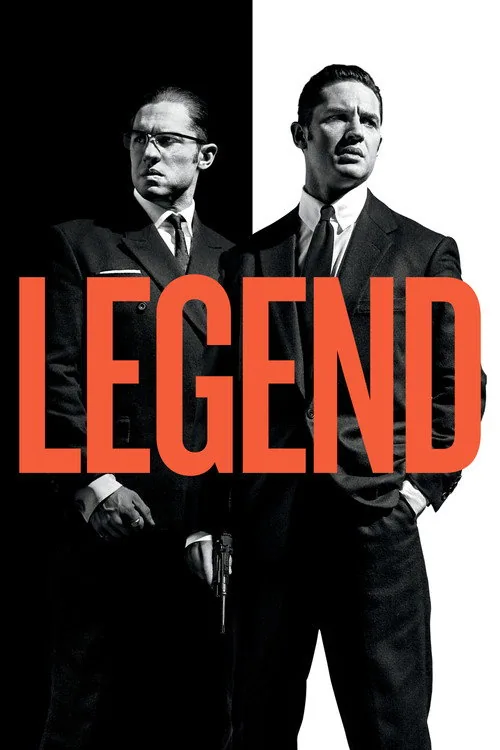
What changes Dead Ringers: slow psychological collapse, clinical rituals and hallucinatory final movement. Legend: steady rise into volatile conflict.
In 1960s London, twins Reggie and Ron Kray build influence through a criminal organization whose public confidence hides competing needs and volatile behavior. Reggie wants to extend the business while pursuing a more settled life with Frances, and Ron’s instability makes the partnership difficult to manage. The biographical crime drama treats the brothers’ shared identity as both their advantage and their central source of pressure.
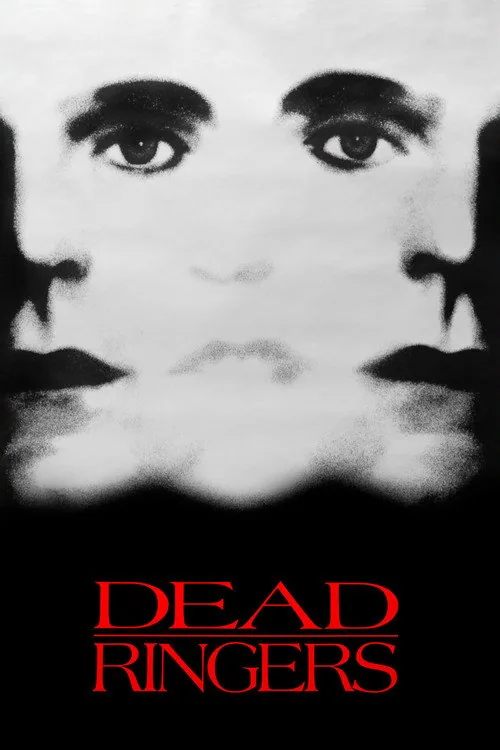
Identical Toronto gynecologists Elliot and Beverly Mantle share a successful fertility practice and often exchange identities without their patients knowing. The more confident Elliot first pursues actress Claire, then encourages the shy Beverly to become involved with her. Beverly's emotional attachment unsettles their practiced closeness, while drug use and professional arrogance push both brothers toward instability. David Cronenberg's psychological horror uses the twins' likeness and shared work to explore dependence, identity, and the dangerous intimacy of a life without clear boundaries.
What drives the story
The twins' shared identity begins to fail when one develops an emotional relationship that the other cannot control.
The people at its centre
Elliot's confidence and Beverly's vulnerability are closely linked, making their professional and personal separation increasingly impossible.
What it feels like
A restrained psychological horror film turns clinical spaces and mirrored performances into a study of dependency.
Worth knowing
Its horror grows from twin brothers' shared identity and medical authority, rather than from an outside supernatural threat.
identity and dependenceprofessional authoritytwin intimacy and separation
Mood
clinical · unsettling · tragic
Pacing
slow psychological collapse · clinical rituals · hallucinatory final movement
Visual style
sterile Toronto interiors · matching twin compositions · grotesque medical instruments
Storytelling
identical doctors trade romantic partners · patient becomes emotional fault line · shared practice erodes personal boundaries