Explore films connected to Detroit through racial injustice and policing, state violence, memory and accountability. Choose the qualities you want to carry into your next watch.
What should feel similar?
Find your next favourite
9 films · Closest overall matches
Hide films you’ve seen or don’t want. Saved on this device.
No matches for this combination yet.
Try another option or reset your choices to see more films.
Based on recorded story, mood and style. Your preferences can change the order.
Political resistance
What changes Detroit: historical buildup, extended motel siege and aftermath and testimony. Kill the Irishman: rise through labor influence, retaliation cycles and crime-war culmination.
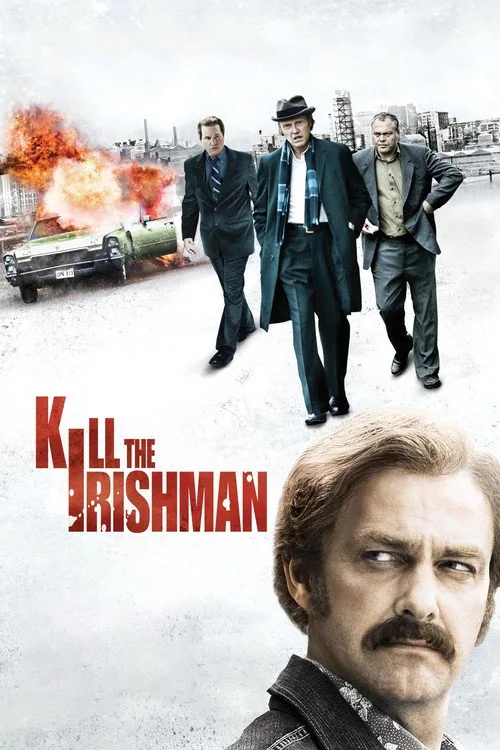
Danny Greene begins as a longshoreman in Cleveland and rises through labor politics and organized crime after challenging corrupt union officials. His feud with the local Mafia intensifies into bombings and retaliatory violence across the city, while police and federal investigators try to contain the conflict. Greene's public image as a tough working-class figure complicates his role in the criminal underworld. The crime drama is based on his life and follows an era when Cleveland became known for an unusually violent mob war.
Based on recorded story, mood and style. Your preferences can change the order.
Political resistance · Investigation
What changes Detroit: historical buildup, extended motel siege and aftermath and testimony. The Hate U Give: family and school life converge with public confrontation.
Starr Carter moves between her predominantly Black neighborhood and a mostly white private school, carefully managing how she presents herself in each place. When she witnesses a police officer kill her childhood friend during a traffic stop, she becomes a crucial witness amid grief, public protest and pressure to stay silent. The drama follows her growing willingness to speak, linking personal identity to racial injustice and community advocacy.
Based on recorded story, mood and style. Your preferences can change the order.
Investigation
What changes Detroit: historical buildup, extended motel siege and aftermath and testimony. Exit Wounds: escalating and suspense-led.
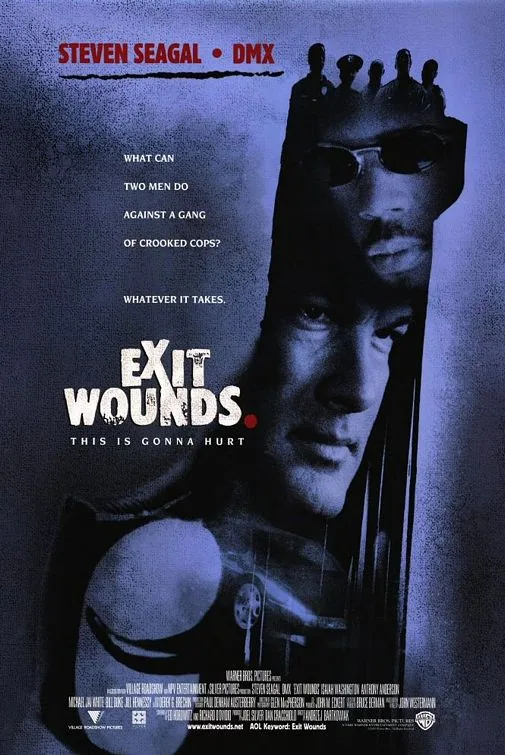
A volatile Detroit detective is transferred to a troubled precinct and uncovers a network of corruption inside the police department. His pursuit of the truth forces him to work with people whose motives are difficult to separate from the case. The action film asks whether personal toughness can serve justice when the institution meant to enforce the law is compromised. Rapid fights, urban locations and a direct revenge-thriller structure keep the story focused on confrontation.
Based on recorded story, mood and style. Your preferences can change the order.
Investigation
What changes Detroit: historical buildup, extended motel siege and aftermath and testimony. To Catch a Killer: crime-scene opening, investigative progression and pursuit and confrontation.
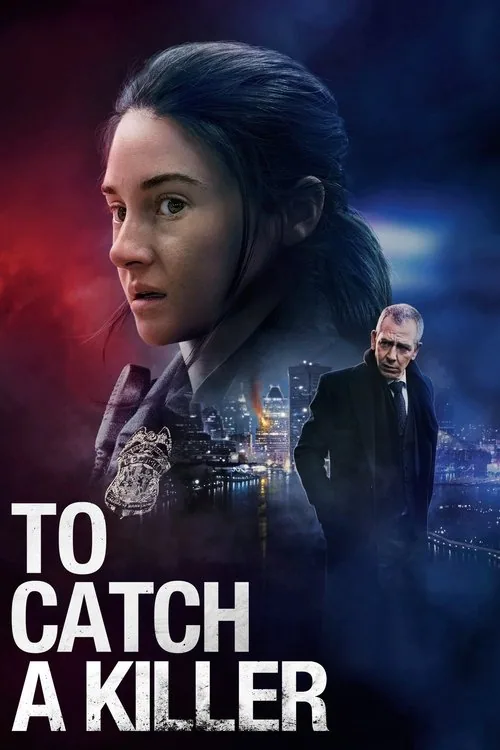
On New Year's Eve in Baltimore, a sniper kills dozens of people from a concealed position before an explosion obscures the evidence. FBI investigator Geoffrey Lammark recruits local officer Eleanor Falco after she offers an unusually perceptive reading of the crime. As the team tracks a disciplined shooter through an increasingly complex investigation, Eleanor confronts her own troubled past and the limits of institutional procedure. The crime thriller follows both a manhunt and the uncertain bond between an ambitious agent and his recruit.
Based on recorded story, mood and style. Your preferences can change the order.
Investigation
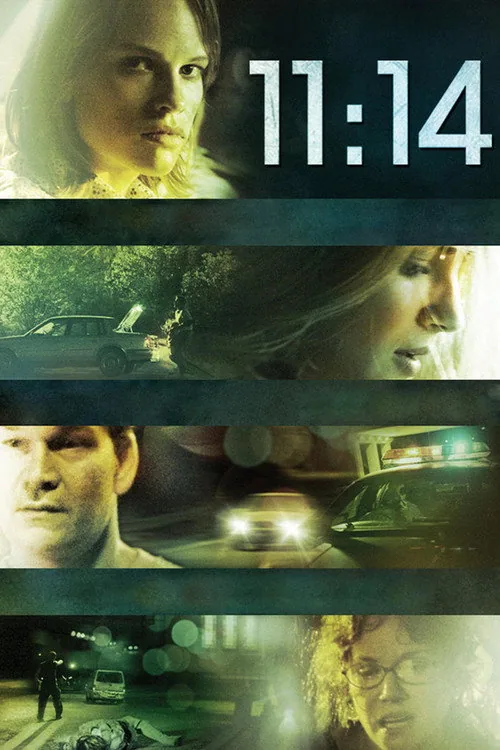
What changes Detroit: historical buildup, extended motel siege and aftermath and testimony. 11:14: mystery opening, short interlocking chapters and reveal-driven convergence.
At 11:14 p.m. in a small town, a car strikes a body and a sequence of seemingly unrelated events begins to unravel. The film rewinds through overlapping stories involving teenagers, a night-shift worker, a family, and a group of young criminals, with each section exposing what happened a few minutes earlier. As the accounts fold back toward the same pair of accidents, ordinary lies and impulsive choices explain how the night reached its grisly turning point.
Based on recorded story, mood and style. Your preferences can change the order.
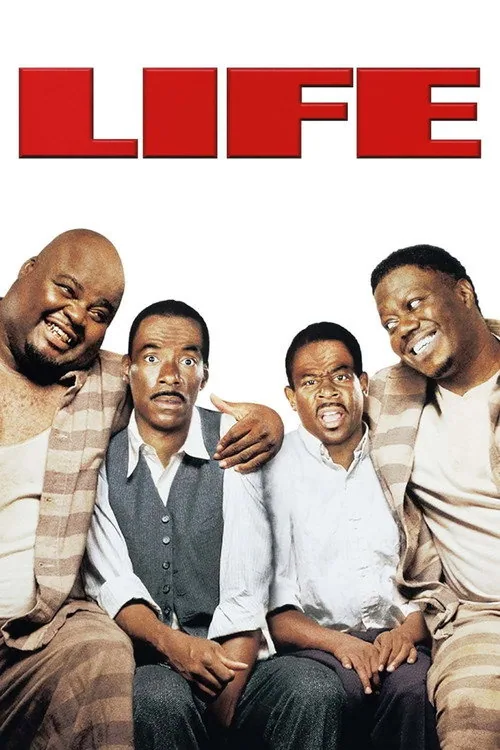
What changes Detroit: historical buildup, extended motel siege and aftermath and testimony. Life: episodic time jumps, comic prison routines and reflective framing story.
In 1930s New York, quick-talking small-time crook Ray Gibson and cautious bank clerk Claude Banks are framed for a murder they did not commit. Both men receive life sentences in a Mississippi prison camp, where they endure decades of hard labor and find humor, friendship, and a way to survive the injustice. The film is told through an elderly prisoner's memories and blends a buddy comedy with a long view of Black life under a racist criminal system.
Based on recorded story, mood and style. Your preferences can change the order.
Investigation
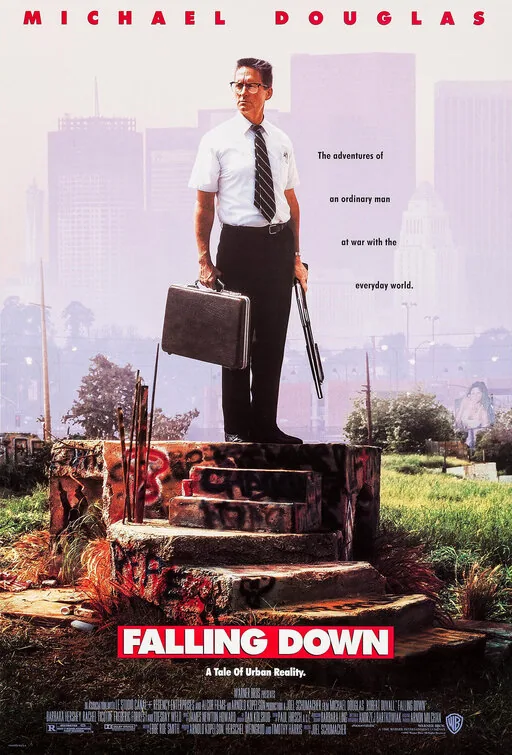
What changes Detroit: historical buildup, extended motel siege and aftermath and testimony. Falling Down: escalating.
A divorced, armed man abandons his car in Los Angeles traffic and walks toward the home from which he has been excluded. He narrates each encounter as proof that ordinary rules have become intolerable, but his demand for recognition repeatedly becomes intimidation and injury. A nearing-retirement detective follows the accumulating violence while trying to reach the family before the walker does. The film’s satire gives the grievance momentum, then exposes how a self-image of victimhood can conceal both racialized aggression and a direct threat to people who owe the protagonist no access.
Based on recorded story, mood and style. Your preferences can change the order.
Investigation
What changes Detroit: historical buildup, extended motel siege and aftermath and testimony. The Perfect Neighbor: earlier calls reveal a growing dispute, recorded encounters accumulate context and fatal incident and investigation force reassessment.
This documentary reconstructs disputes between neighbors in Ocala, Florida, that preceded the 2023 killing of Ajike Owens by Susan Lorincz. It uses body-camera footage from repeated sheriff's-office responses, 911 calls, and interviews to show how complaints escalated and how local authorities encountered the conflict. The film asks viewers to assess what the recorded interactions reveal about race, neighbor relations, and institutional response before the fatal shooting. Its evidence-led structure turns public records into a tense account of a preventable neighborhood tragedy.
Based on recorded story, mood and style. Your preferences can change the order.
Investigation
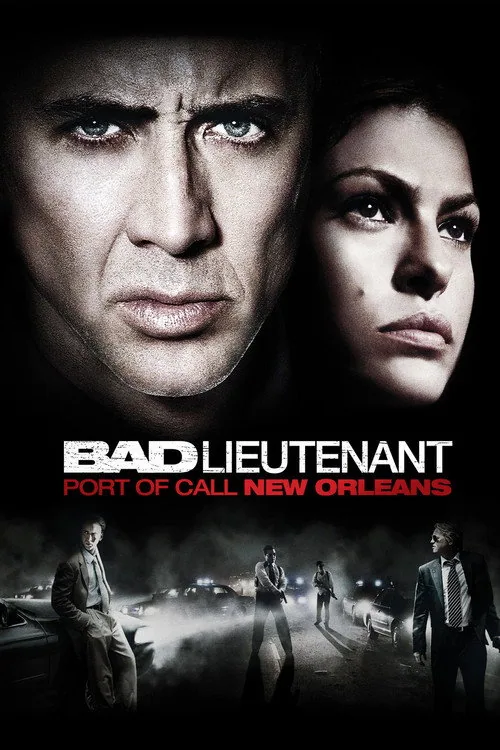
What changes Detroit: historical buildup, extended motel siege and aftermath and testimony. Bad Lieutenant: Port of Call New Orleans: episodic, unstable tonal shifts and crime-driven.
New Orleans police lieutenant Terence McDonagh receives a medal after rescuing a prisoner during Hurricane Katrina, but a back injury leads to dependence on painkillers and then wider substance abuse. Months later, he is assigned to investigate the murder of five Senegalese immigrants while juggling debts, compromised colleagues, and a volatile relationship. His authority allows him to bend rules and exploit people, yet the case forces choices about evidence and responsibility. Werner Herzog’s blackly comic crime drama follows an erratic officer whose judgment and moral limits keep shifting.
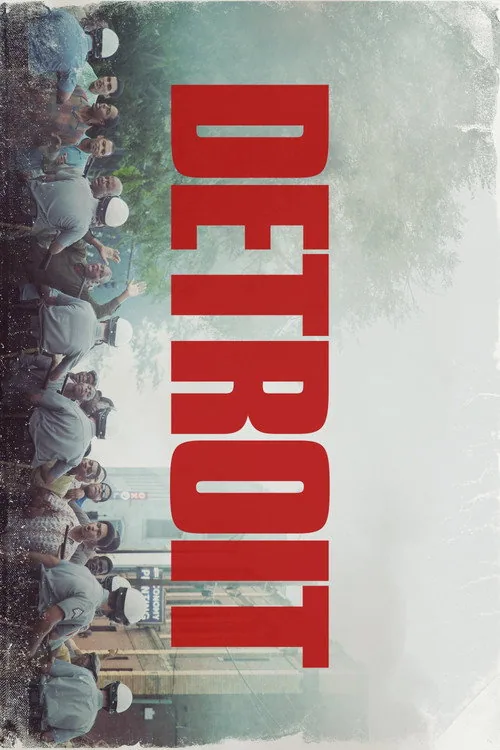
During the 1967 Detroit uprising, police raid an unlicensed club and the city descends into days of unrest. At the Algiers Motel, a report of a gunshot brings police officers who interrogate and terrorize Black teenagers and musicians gathered inside. The film follows the night through shifting perspectives, then traces the legal aftermath and the different paths of those who survived. Kathryn Bigelow's historical drama centers the violence of the motel incident within a wider climate of racial injustice and policing.
What drives the story
A false report of gunfire at the Algiers Motel draws police into a night of coercive interrogation and lethal violence.
The people at its centre
The civilians inside the motel have limited power as officers control the room, while survivors later face a justice system that questions them.
What it feels like
A harrowing historical drama uses a confined central sequence and later testimony to connect individual trauma to public events.
Worth knowing
It focuses on the Algiers Motel incident during the Detroit uprising, rather than attempting a full account of the entire riot.
racial injustice and policingstate violencememory and accountability
Mood
harrowing · tense · angry
Pacing
historical buildup · extended motel siege · aftermath and testimony
Visual style
handheld period realism · confined motel staging · newsreel-like city imagery
Storytelling
1967 uprising frames motel incident · police interrogate young Black civilians · trial aftermath exposes failures of justice