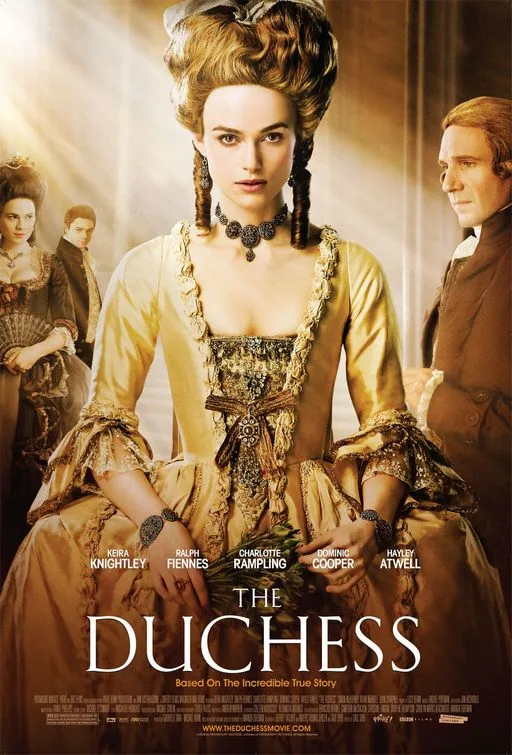
Public admiration does little to reduce Georgiana’s lack of power within her marriage and social world.
Why this matches +
These offer a related experience with a meaningful difference in story, tone, or presentation.
An adjacent discovery: a related idea with a different viewing experience.
Genres: Drama / Romance
Shared film traits
Based on recorded story, mood and style. Your preferences can change the order.
Memory and identity
What changes A woman in an aristocratic household must navigate public scrutiny, class expectations and constrained personal choices.
Georgiana Spencer enters an aristocratic marriage that gives her public influence but little control over her private life. Her husband’s affairs, political expectations and the rules of the English court constrain her choices, while her friendships offer both comfort and further complications. The period drama portrays fashion and public visibility alongside emotional isolation, focusing on the tension between a woman celebrated by society and the person denied room to shape her own future.
The film begins near its later turning points and revisits childhood through warm memory sequences. This structure makes Beth’s illness and Jo’s writing feel like forces shaping the sisters’ futures rather than a single chronological march.
Why this matches +
These offer a related experience with a meaningful difference in story, tone, or presentation.
An adjacent discovery: a related idea with a different viewing experience.
Genres: Drama / Romance
Shared film traits
Based on recorded story, mood and style. Your preferences can change the order.
Memory and identity
What changes A period family ensemble follows different generations and the choices that shape their relationships and future.
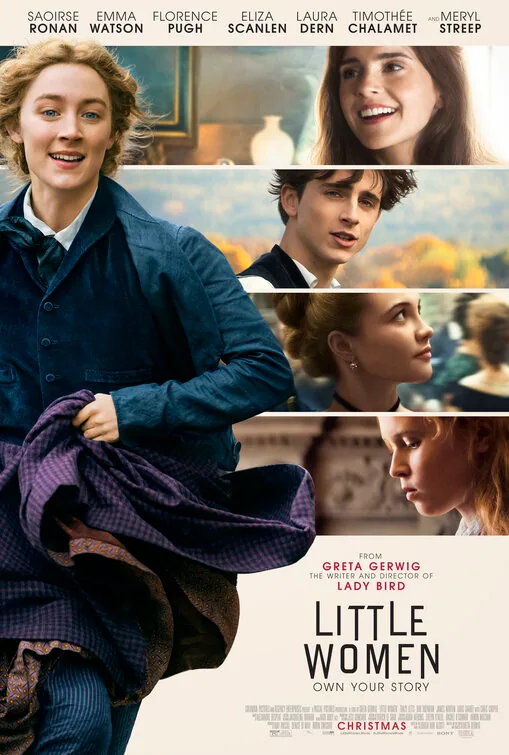
Greta Gerwig’s adaptation moves between the March sisters’ youthful household and their adult lives, using a non-linear structure to make memory, loss and ambition speak across time. Jo pursues writing and financial independence, Meg chooses a less publicly celebrated domestic life, Amy weighs artistic aspiration against material limits, and Beth’s illness shapes the family’s sense of what can be preserved. The publisher’s demand that Jo’s novel end in marriage creates a final ambiguity between character and author: the film gives her a romantic conclusion while also showing her negotiate ownership and payment for her book. This is neither a simple rejection of Alcott’s ending nor an unambiguous confirmation of romance. The two timelines let Jo’s authorship and lived future remain productively entangled.
Juliet follows a letter from an island book-club member and uncovers how its society began under occupation.
Why this matches +
These offer a related experience with a meaningful difference in story, tone, or presentation.
An adjacent discovery: a related idea with a different viewing experience.
Genres: Romance / Drama
Shared film traits
Based on recorded story, mood and style. Your preferences can change the order.
Memory and identity
What changes A historical ensemble explores community bonds and social expectations while people reconsider their lives after upheaval.
In postwar London, writer Juliet Ashton receives a letter from Dawsey Adams, a resident of Guernsey who belongs to an unusual book club formed during the German occupation. Curious about the islanders' experiences and the missing founder, Juliet travels to Guernsey to learn their story. Her reporting brings her into the lives of the society's members and complicates her existing engagement. The period romance combines literary community, wartime memory, and a search for personal belonging.
Interwoven affairs, career uncertainty and existential panic repeatedly rearrange a family's alliances between recurring holiday gatherings.
Why this matches +
These offer a related experience with a meaningful difference in story, tone, or presentation.
An adjacent discovery: a related idea with a different viewing experience.
Genres: Comedy / Drama
Shared film traits
Based on recorded story, mood and style. Your preferences can change the order.
What changes An ensemble of relatives confronts shifting loyalties, romantic complications and the passage of time through intimate family decisions.
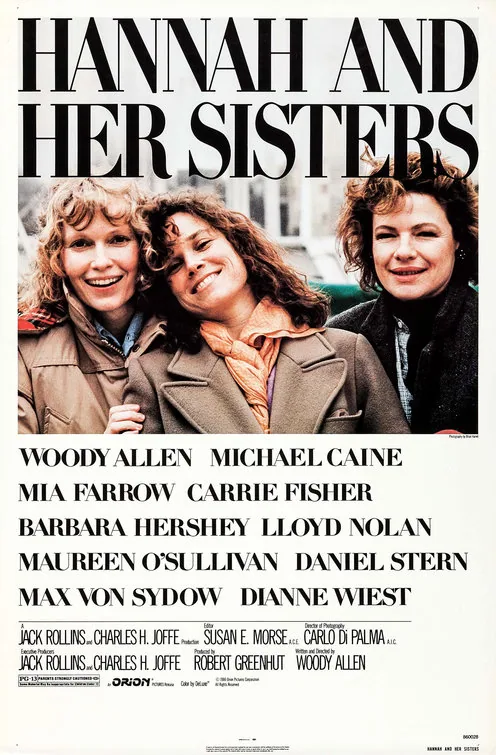
Family gatherings frame two years in which three sisters and their partners seek reassurance through work, affairs, borrowed money and explanations for mortality. The sister who appears most stable becomes the object around which other people's resentment and dependency circulate. Elsewhere, a former husband's health anxiety leads into a search for meaning that alternates panic with comic discovery. The ensemble comedy makes intimacy difficult to separate from self-justification, allowing genuine attachment to coexist with betrayals that the family never fully names.
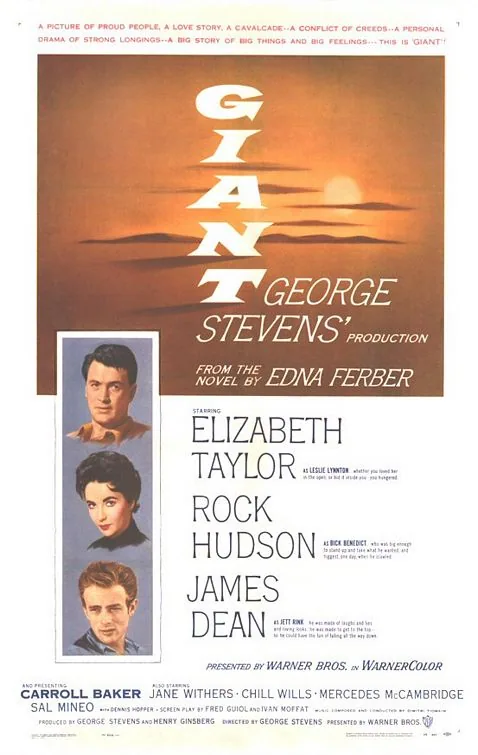
Oil wealth reshapes a ranch family’s power over generations, exposing tensions between inherited status, new money and the discrimination sustaining the regional order. Jett’s wealth changes the family hierarchy but does not by itself undo racial exclusion.
Why this matches +
These offer a related experience with a meaningful difference in story, tone, or presentation.
An adjacent discovery: a related idea with a different viewing experience.
Genres: Drama / Romance
Shared film traits
Based on recorded story, mood and style. Your preferences can change the order.
What changes A family saga follows changing social structures and inherited responsibilities across generations on a large estate.
A marriage between Texas rancher Bick Benedict and Maryland socialite Leslie connects family life to a ranch economy built on land, oil and racial hierarchy. Jett Rink’s discovery of oil changes the balance of wealth and authority, while later generations confront discrimination against Mexican Americans that the older ranch culture normalizes. The narrative’s long span gives social change a personal scale, but its central white family still controls much of the film’s viewpoint. The famous diner confrontation complicates Bick’s inheritance of power without making one late gesture resolve the structures the story has spent decades establishing.
As the Crawley family and their household approach another period of change, Lady Mary becomes the focus of a public scandal that threatens Downton’s place in society. The family must adapt while familiar servants and relations consider their own futures. The period drama closes the film series by returning to class, loyalty, and family continuity, letting small domestic decisions carry the weight of a larger goodbye.
What drives the story
Mary’s public difficulties force the family to reconsider what its name protects.
The people at its centre
The household’s long relationships give even minor departures emotional weight.
What it feels like
The finale treats continuity as adaptation rather than a return to an unchanged past.
Worth knowing
Its familiar setting rewards viewers who know the ensemble’s shared history.
FamilyClassTradition
Mood
Elegant · Bittersweet · Affectionate
Pacing
An ensemble farewell resolves personal and household storylines
Visual style
Period costumes · Country-house interiors · Measured compositions
Storytelling
Family restoration · Status deception · Memory and identity