Based on recorded story, mood and style. Your preferences can change the order.
Music and performance · Memory and identity
What changes Farewell My Concubine: decades of personal change and national history circle back to the performers’ signature opera. That Obscure Object of Desire: episodic, repetitive and unsettling.
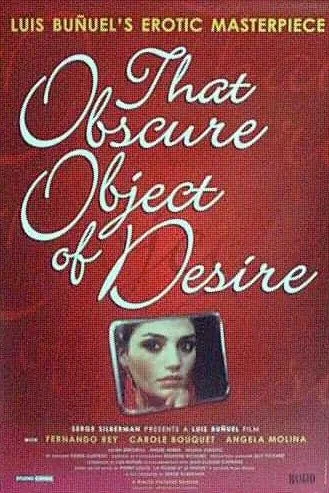
On a train from Seville to Paris, wealthy middle-aged Mathieu recounts his turbulent relationship with Conchita, a young dancer who repeatedly draws him close and then frustrates his desire for control. Two different actresses portray Conchita, sometimes within the same sequence, giving the romance a disorienting quality. Their encounters involve flirtation, money, jealousy, and reversals, while political bombings form an unsettling background to Mathieu's unreliable account.
Based on recorded story, mood and style. Your preferences can change the order.
Music and performance · Memory and identity
What changes Farewell My Concubine: decades of personal change and national history circle back to the performers’ signature opera. Nine: song-led and fragmented.
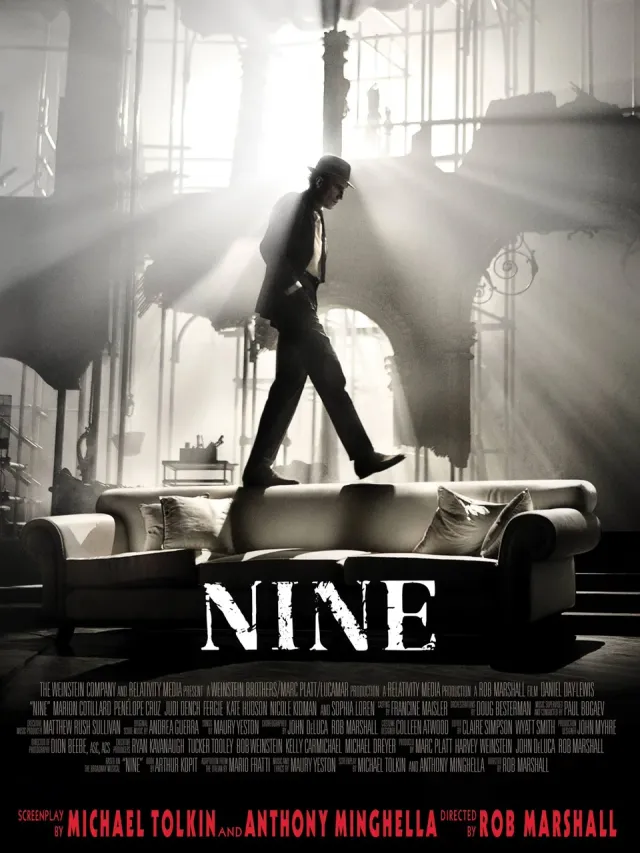
Film director Guido Contini tries to make a new movie while facing a creative crisis and reflecting on the women whose affection and expectations shape his life. Rehearsals, memories and fantasy sequences overlap as he struggles to turn experience into art. The musical adapts a stage tradition of inward performance, making artistic ambition and romantic confusion part of the same elaborately staged problem.
Based on recorded story, mood and style. Your preferences can change the order.
Memory and identity · Political resistance
What changes Farewell My Concubine: decades of personal change and national history circle back to the performers’ signature opera. Lust, Caution: slow-burn and intensifying.
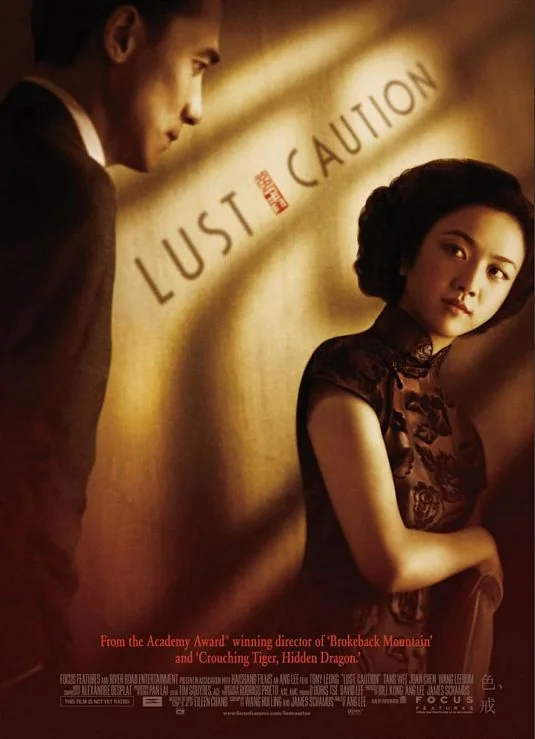
During wartime Shanghai, a young woman becomes involved in a resistance plan that requires her to approach a powerful official under an assumed identity. Their relationship grows into a dangerous entanglement that complicates the mission and her sense of agency. The period drama combines political espionage with intimate, adult material, examining how performance and desire can become tools of survival while leaving the participants vulnerable to betrayal.
Based on recorded story, mood and style. Your preferences can change the order.
Memory and identity · Romance and intimacy
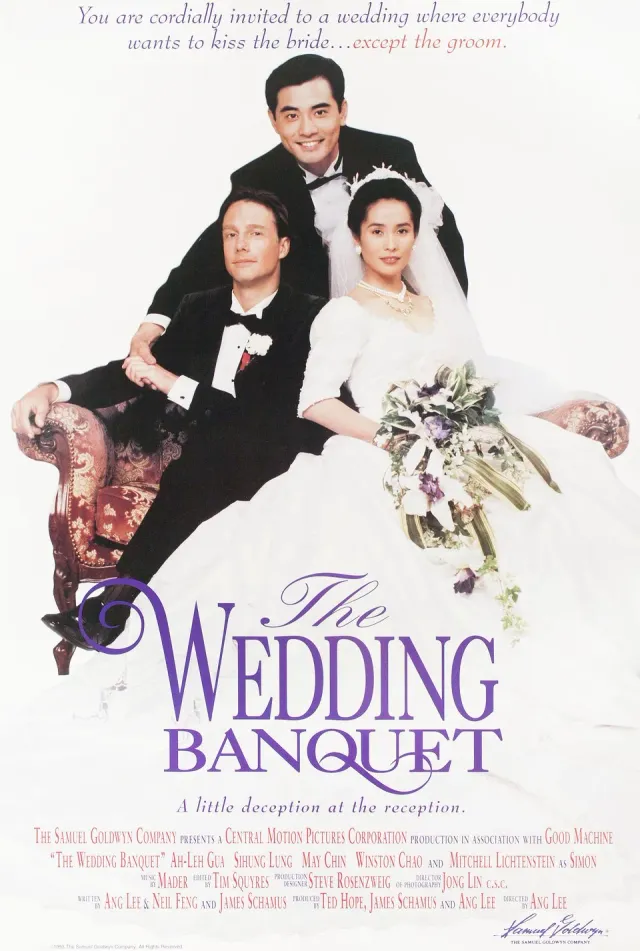
What changes Farewell My Concubine: decades of personal change and national history circle back to the performers’ signature opera. The Wedding Banquet: a private arrangement expands into a banquet and a series of comic attempts to keep different truths apart.
Wai-Tung Gao, a Taiwanese immigrant in New York, lives happily with his partner Simon but has not told his traditional parents that he is gay. His parents want him to marry and continue the family line, so he and Simon invent impossible requirements for a bride. When Wei-Wei, a penniless artist renting from Wai-Tung, agrees to a marriage of convenience, the plan seems manageable until his parents travel from Taiwan for a lavish banquet. The visit turns a private arrangement into a comic web of performance and concealment. As the parents’ expectations collide with Simon’s place in Wai-Tung’s life, the family must decide what honesty and care can look like.
Based on recorded story, mood and style. Your preferences can change the order.
Music and performance
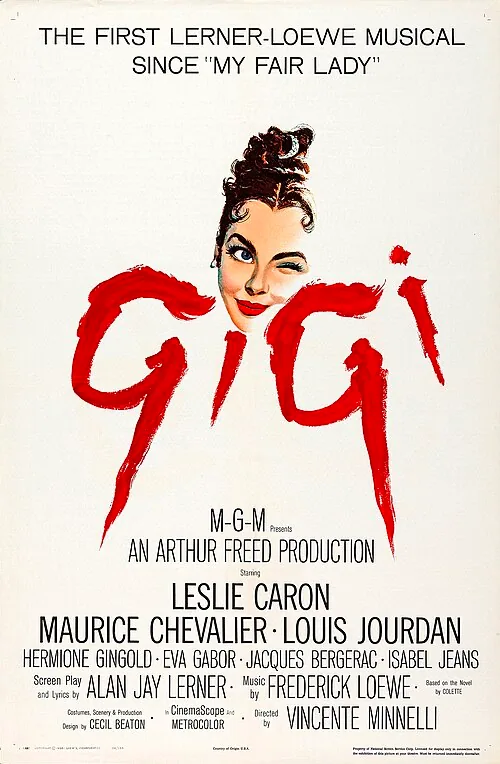
What changes Farewell My Concubine: decades of personal change and national history circle back to the performers’ signature opera. Gigi: measured and episodic.
Raised by female relatives to enter Parisian high society as a courtesan, young Gigi is expected to turn charm and training into financial security through an arrangement with the wealthy Gaston. The musical presents this education with wit and elegant color, yet the age difference and economic dependence complicate the romance its ending celebrates. Gigi’s final refusal of the role she has been prepared for changes the terms of the relationship, but does not make the constraints around her upbringing disappear. The film’s nostalgic musical framing is part of its pleasure and part of the question: whose choices does that style make look charming?
Both share themes of art and memory, plus a sweeping atmosphere.
Why this matches +
Genres: Drama / Music
Shared film traits
Based on recorded story, mood and style. Your preferences can change the order.
Memory and identity · Romance and intimacy
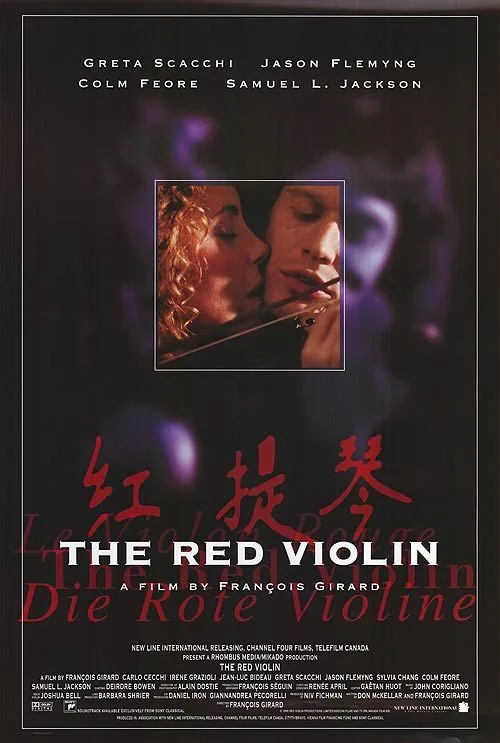
What changes Farewell My Concubine: decades of personal change and national history circle back to the performers’ signature opera. The Red Violin: linked historical episodes trace the instrument’s changing fortunes toward a modern auction where its provenance is revealed.
A violin made in seventeenth-century Cremona begins a journey across centuries and continents after its maker’s pregnant wife and unborn child die. Its red varnish and unusual sound follow it from an Austrian orphanage to later owners who attach their own hopes and losses to the instrument. A modern auction in Montreal brings its history into focus through accounts of musicians, collectors and guardians. The film follows the violin as a prized object whose changing owners give it new meanings without erasing the stories carried with it.
Both share themes of identity, plus a reflective atmosphere.
Why this matches +
Genres: Drama / Romance
Shared film traits
Based on recorded story, mood and style. Your preferences can change the order.
Memory and identity · Romance and intimacy
What changes Farewell My Concubine: decades of personal change and national history circle back to the performers’ signature opera. Certified Copy: measured, dialogue-driven and gradually shifting.
At a book event in Tuscany, writer James Miller meets a French antiques dealer who has brought her son and several copies of his book about authenticity in art. After a strained first exchange, they spend an afternoon driving, walking through town and debating originals, reproductions and intimate relationships. Their conversation gradually takes on the rhythms of a long-established couple, though the film leaves the status of their roles unsettled. The encounter tests whether an experience can gain meaning regardless of its origin.
Based on recorded story, mood and style. Your preferences can change the order.
Memory and identity · Political resistance
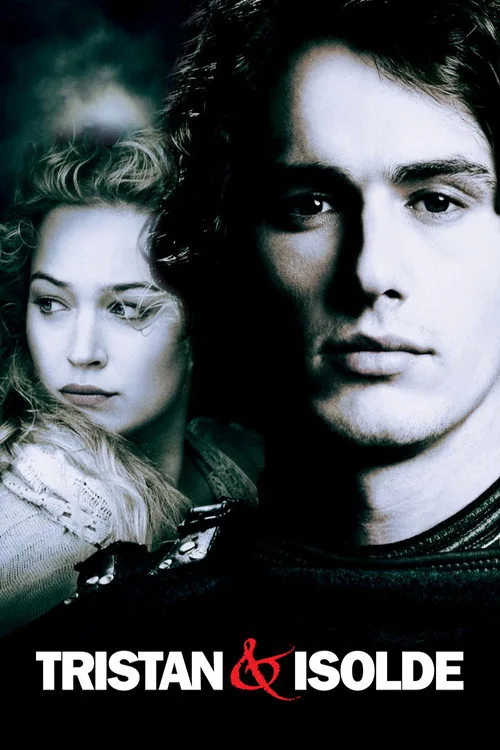
What changes Farewell My Concubine: decades of personal change and national history circle back to the performers’ signature opera. Tristan & Isolde: wartime origin, secret romance and tragic political conflict.
In a post-Roman Britain divided by rival kingdoms, warrior Tristan is raised by Lord Marke after his family is killed. During a mission in Ireland he meets Isolde, the daughter of the Irish king, and they fall in love without knowing each other's identities. Their relationship becomes politically dangerous when Isolde is promised to Marke in a marriage intended to unite Britain. The medieval romance adapts the Tristan legend through the conflict between private devotion and a fragile effort to end war between kingdoms.
Both share themes of love, plus a reflective atmosphere.
Why this matches +
Genres: Drama / Romance
Shared film traits
Based on recorded story, mood and style. Your preferences can change the order.
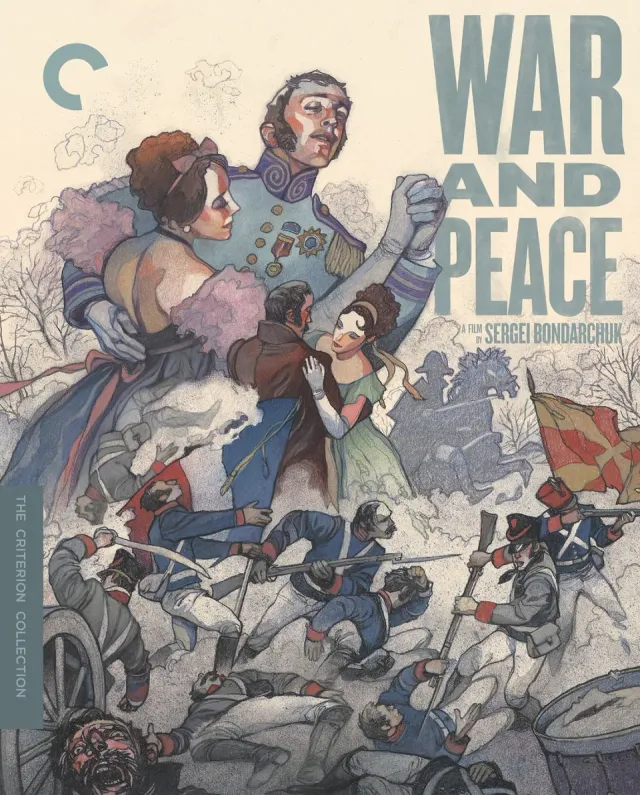
What changes Farewell My Concubine: decades of personal change and national history circle back to the performers’ signature opera. War and Peace: multi-part and long-form.
Across the Napoleonic era, Pierre Bezukhov, Prince Andrei Bolkonsky and Natasha Rostova search for purpose while Russia’s aristocratic society is repeatedly interrupted by war. Private life unfolds through balls, marriages, family conflict and shifting loyalties, but Napoleon’s invasion steadily alters what safety and honor mean. Bondarchuk’s adaptation follows several families across a long historical span, allowing characters who once imagined history from a distance to encounter its consequences directly. The film is often distributed in four parts and is unusually long, so its large battle scenes sit alongside intimate questions of love, ambition, grief and social expectation. It adapts Tolstoy’s novel rather than reducing it to a single hero’s campaign.
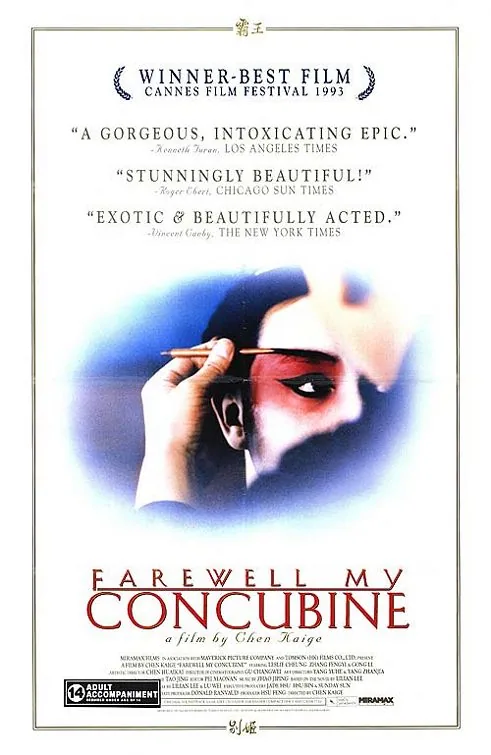
Beginning in 1920s Peking, the film follows Douzi and Shitou, two boys trained in a Peking opera troupe who grow into performers Cheng Dieyi and Duan Xiaolou. Dieyi specializes in the female role in Farewell My Concubine, while Xiaolou plays the king. Their artistic partnership and personal attachment are tested when Xiaolou marries Juxian and when political upheavals repeatedly reshape public life. Across decades of war, revolution and ideological campaigns, the performers return to the opera that made them famous. Their changing loyalties and memories show how private relationships and an art form are pressured by forces beyond the stage.
What drives the story
Dieyi’s devotion to the opera and Xiaolou collides with Xiaolou’s marriage and the changing demands of public life.
The people at its centre
Dieyi, Xiaolou and Juxian form a painful triangle whose choices are repeatedly reshaped by political pressure.
What it feels like
The drama moves between intimate performance and large historical events, letting costume, gesture and repetition carry emotional weight.
Worth knowing
Its core is a decades-long bond between opera partners measured against the upheavals of modern Chinese history.
artidentityloyalty
Mood
sweeping · tragic · operatic · reflective
Pacing
Decades of personal change and national history circle back to the performers’ signature opera
Visual style
Elaborate Peking opera costumes and stage images contrasted with changing streets · institutions and political eras
Storytelling
Two opera performers build a lifelong artistic bond; marriage and political revolutions strain it