Explore films connected to First Reformed through faith and spiritual crisis, environmental responsibility, grief and moral action. Choose the qualities you want to carry into your next watch.
What should feel similar?
Find your next favourite
9 films · Closest overall matches
Hide films you’ve seen or don’t want. Saved on this device.
No matches for this combination yet.
Try another option or reset your choices to see more films.
Based on recorded story, mood and style. Your preferences can change the order.
Political resistance
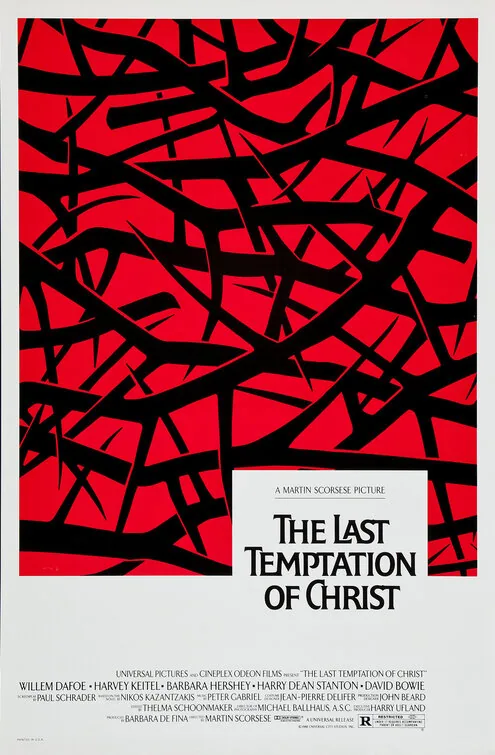
What changes First Reformed: patient and contemplative and gradual psychological escalation. The Last Temptation of Christ: ministry and temptation and crucifixion climax.
Jesus, a carpenter in Roman-ruled Judea, is pulled between ordinary human fear and a growing conviction that his life has a divine purpose. Judas first sees him as a collaborator with the occupiers, then becomes an uneasy ally as Jesus gathers followers and turns toward Jerusalem. The film follows the ministry through miracles, conflict with authorities and the decision that leads to crucifixion; there, an apparent rescue imagines the family life Jesus might have had before revealing the cost of that escape. Martin Scorsese’s adaptation of Nikos Kazantzakis’s novel is a fictional spiritual inquiry, not a literal retelling of the Gospels.
Based on recorded story, mood and style. Your preferences can change the order.
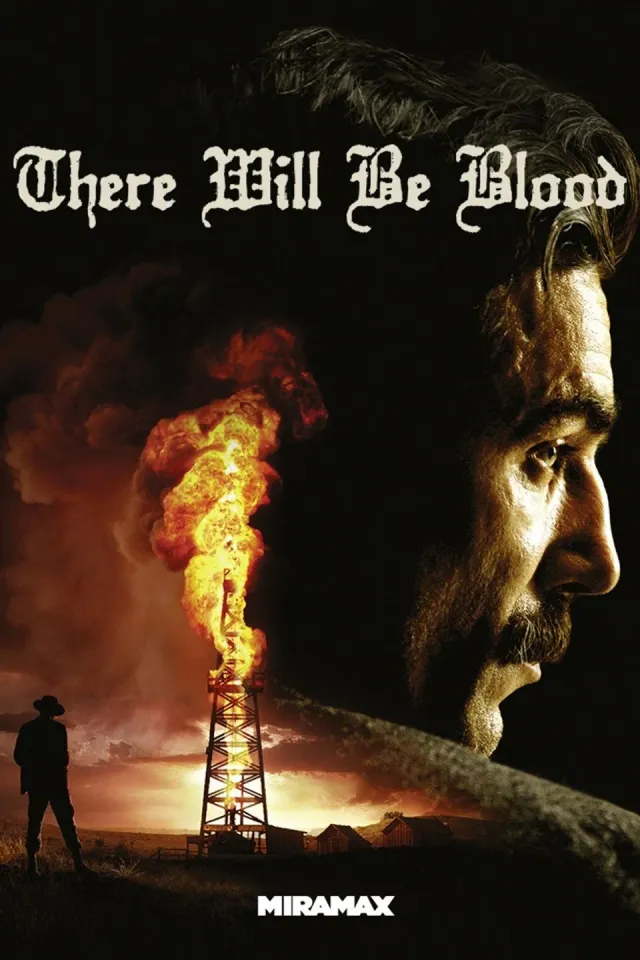
What changes First Reformed: patient and contemplative and gradual psychological escalation. There Will Be Blood: slow burn.
An independent prospector builds an oil business through dangerous labour and a public image of familial reliability. Acquiring drilling rights in a small community puts him into conflict with a young preacher who also recognises the value of controlling access and public belief. As wealth expands, distrust and contempt corrode the relationship used to humanise his enterprise, making commercial victory increasingly indistinguishable from emotional isolation.
Based on recorded story, mood and style. Your preferences can change the order.
What changes First Reformed: patient and contemplative and gradual psychological escalation. The Accountant: parallel investigations and action reveals.
Christian Wolff is an autistic forensic accountant who audits criminal organizations while concealing an illegal business of his own. When he investigates irregularities at a robotics company with analyst Dana Cummings, he finds that the missing money is connected to a series of killings. Treasury agent Marybeth Medina tries to identify the anonymous accountant, while hired attackers close in on Christian and Dana. The investigation uncovers how Christian's childhood training shaped his life and reveals that the people pursuing him may have a personal connection to his past. His professional precision cannot prevent a collision between family, violence and secrecy.
Based on recorded story, mood and style. Your preferences can change the order.
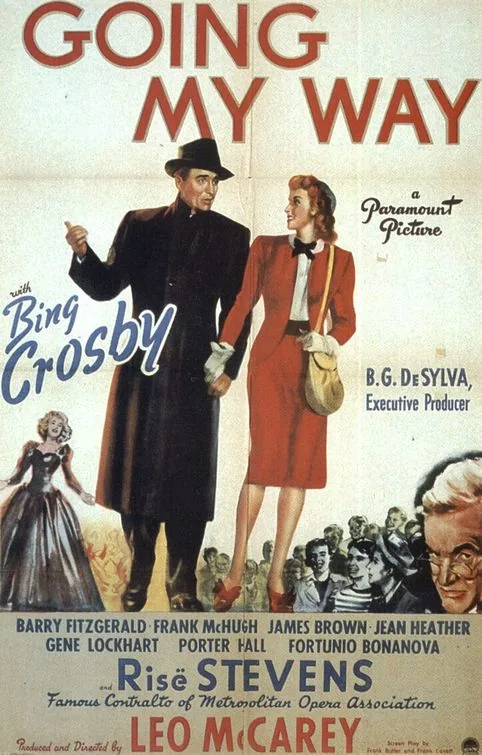
What changes First Reformed: patient and contemplative and gradual psychological escalation. Going My Way: episodic and measured.
A young priest arrives at an indebted New York parish with an informal style that unsettles its aging pastor. Rather than announce the authority he has been given, he works through neighborhood relationships, music and practical help, trying to preserve the older man's dignity while changing how the parish serves people. Everyday encounters gradually make institutional succession a question of care instead of victory. The episodic drama turns songs and modest acts of generosity into resources for sustaining a vulnerable community.
Based on recorded story, mood and style. Your preferences can change the order.
What changes First Reformed: patient and contemplative and gradual psychological escalation. Leave the World Behind: slow accumulation of disruptions.
A family’s rental-house holiday is unsettled when television and internet service fail, a tanker runs aground nearby, and the home’s owners arrive seeking shelter. As more signs suggest a coordinated crisis, the strangers must decide what to believe about one another without reliable news or communication. The psychological thriller keeps the source and scale of the emergency uncertain, using a domestic refuge to examine trust, fear, and social fracture.
Based on recorded story, mood and style. Your preferences can change the order.
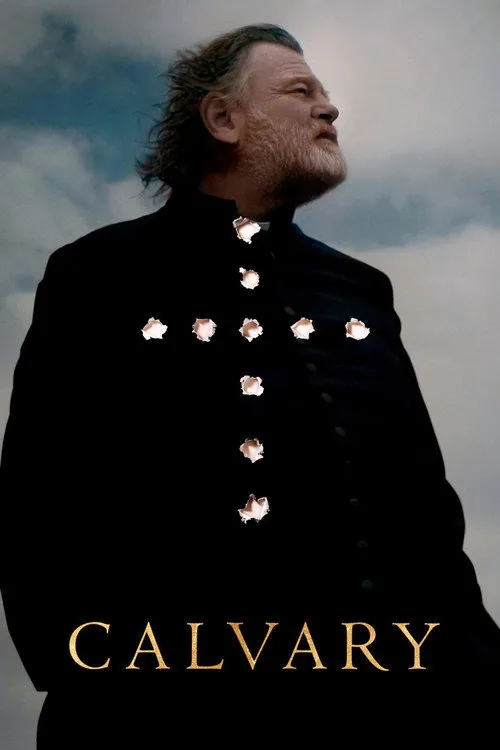
What changes First Reformed: patient and contemplative and gradual psychological escalation. Calvary: episodic visits and slow-burn threat.
Father James Lavelle, a good-hearted priest in a small rural Irish parish, is told during confession that a man will kill him in one week. Rather than retreat, James continues visiting parishioners whose lives are marked by bitterness, grief, and scandal, trying to offer help while learning who might carry out the threat. John Michael McDonagh’s dark comedy-drama examines faith and institutional damage through an unusually calm protagonist and a community that tests his patience, compassion, and willingness to remain present.
Based on recorded story, mood and style. Your preferences can change the order.
What changes First Reformed: patient and contemplative and gradual psychological escalation. Your Mother Your Mother Your Mother: urgent and episodic.
After his wife's death, a religiously devout hitman travels across Houston with his children while trying to keep them safe from the violent world he knows too well. The journey forces family care and criminal survival into the same space: his faith shapes how he understands his obligations, while his profession leaves danger close behind. The film's central tension lies in whether protection can be separated from the violence that has defined his adult life.
Based on recorded story, mood and style. Your preferences can change the order.
What changes First Reformed: patient and contemplative and gradual psychological escalation. Miracles from Heaven: measured crisis-to-recovery progression.
A mother searches for answers when her young daughter develops a serious illness, while medical uncertainty strains the family’s faith and daily life. After a frightening accident, the family interprets a remarkable recovery through a religious framework that brings comfort but also raises questions about belief and proof. The drama presents a true-story-inspired account centered on caregiving, hope and spiritual conviction.
Based on recorded story, mood and style. Your preferences can change the order.
What changes First Reformed: patient and contemplative and gradual psychological escalation. Good Boy: tommy's behavior leads to confinement, domestic routine becomes increasingly strange and struggle over autonomy intensifies.
Tommy is a reckless young man whose behavior draws him into an unsettling household led by a couple determined to reform him. Instead of sending him through ordinary discipline, they confine him and impose an extreme regimen meant to reshape his manners and choices. The household's polite surface gradually gives way to a more disturbing struggle over control, obedience, and the right to define another person's future. Jan Komasa's black comedy thriller uses a coercive family arrangement to explore punishment, youth, and the violence hidden inside attempts at correction.
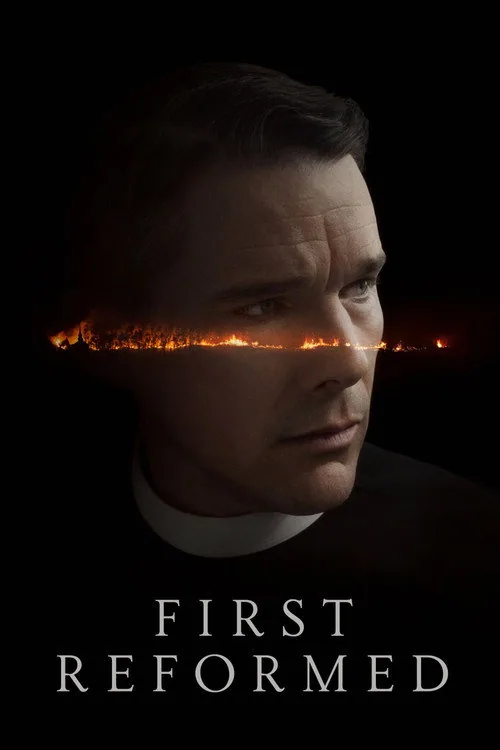
Reverend Ernst Toller is the pastor of a small historic church with few regular worshippers, living with grief and uncertainty about his faith. When a young environmental activist and his pregnant wife ask for counseling, Toller becomes involved in their fears about the future and the church’s relationship with a powerful corporate donor. Paul Schrader’s psychological drama follows Toller’s private writing, spiritual crisis, and growing sense of responsibility in a world he believes is in danger. Its restrained form turns pastoral routine into a tense study of conscience and despair.
What drives the story
Toller’s counsel to a troubled couple intersects with his doubts about the church’s role in environmental harm.
The people at its centre
The pastor’s connection to Mary and her husband is shaped by compassion, grief, and conflicting ideas about responsible action.
What it feels like
The film is quiet and austere, allowing spiritual reflection and mounting psychological tension to share the same frame.
Worth knowing
Its climate politics are explored through one pastor’s crisis, not as a conventional activist documentary or action thriller.
faith and spiritual crisisenvironmental responsibilitygrief and moral action
Mood
austere · meditative · unnerving
Pacing
patient and contemplative · gradual psychological escalation
Visual style
symmetrical compositions · sparse church interiors · muted color palette
Storytelling
pastor counsels an activist couple · church tied to corporate interests · private crisis becomes moral dilemma