Explore films connected to Foreign Correspondent through Truth, Journalism, Political manipulation. Choose the qualities you want to carry into your next watch.
What should feel similar?
Find your next favourite
9 films · Closest overall matches
Hide films you’ve seen or don’t want. Saved on this device.
No matches for this combination yet.
Try another option or reset your choices to see more films.
Both share themes of truth, plus an urgent atmosphere.
Why this matches +
Genres: Thriller / Action
Shared film traits
Based on recorded story, mood and style. Your preferences can change the order.
Espionage and covert operations
What changes Foreign Correspondent: brisk and escalating. Enemy of the State: fast.
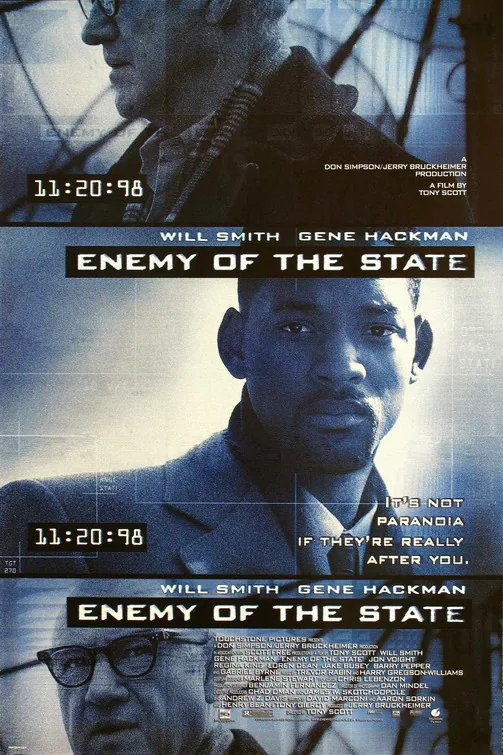
A lawyer unknowingly receives a recording of a political murder and becomes the target of officials determined to erase the evidence. Financial disruption, fabricated allegations and pervasive monitoring dismantle the ordinary routines through which he could defend himself. An experienced surveillance specialist offers help but also insists that surviving requires abandoning familiar forms of contact, making the restoration of a credible public identity depend on people who have learned not to appear in public at all.
Based on recorded story, mood and style. Your preferences can change the order.
Investigation
Expect urgent and suspenseful, with fast and escalating pacing.
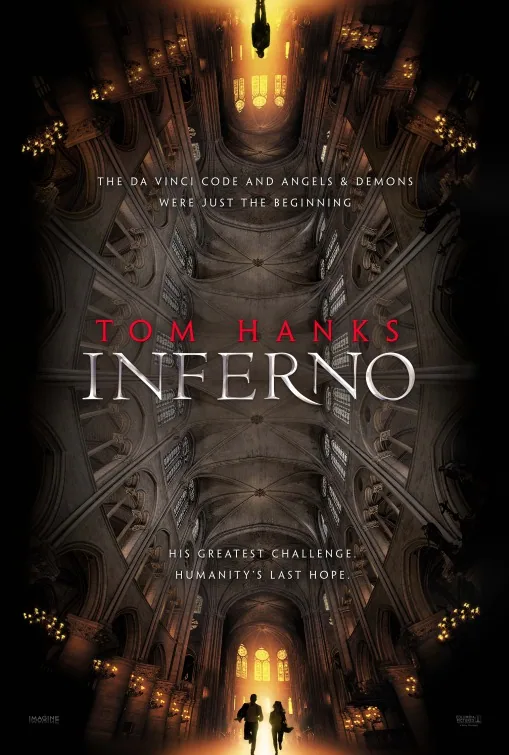
A scholar wakes in Florence without a reliable account of how he arrived or why someone is trying to kill him. Help from a doctor allows him to follow images and literary clues tied to a dead extremist's biological threat, but gaps in memory make apparent allies difficult to assess. The itinerary transforms cultural interpretation into a race to locate a release point. The thriller depends on recovering the circumstances that produced the chase while distinguishing the criminal's population argument from the harm he intends to inflict.
Based on recorded story, mood and style. Your preferences can change the order.
Investigation
What changes Foreign Correspondent: brisk and escalating. Absence of Malice: procedural and consequences accumulate.
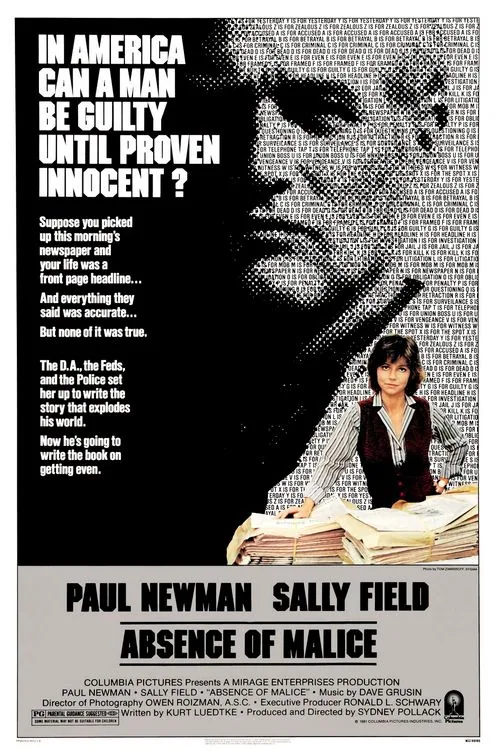
A prosecutor leaks information that makes liquor wholesaler Michael Gallagher look connected to a murder, and journalist Megan Carter publishes the allegation without knowing how it was planted. The false story damages Gallagher's relationships and exposes the conflict between investigative ambition and due process. As the people involved try to correct the record, the film examines how an official whisper can become public truth before anyone accepts responsibility.
Based on recorded story, mood and style. Your preferences can change the order.
Investigation
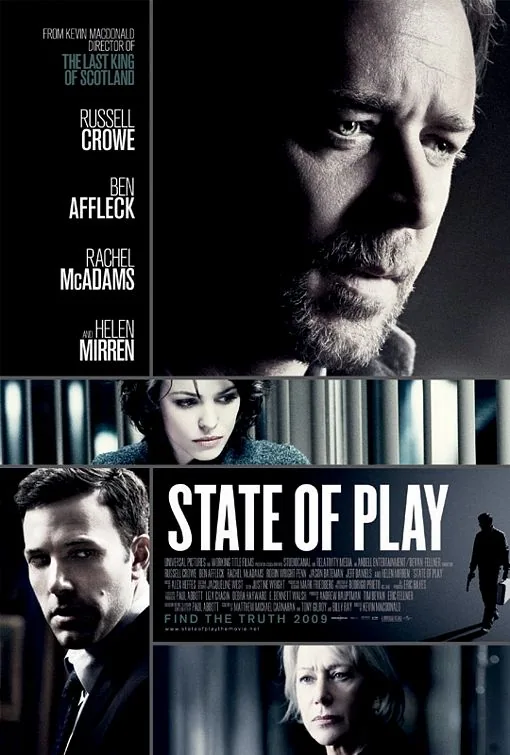
What changes Foreign Correspondent: brisk and escalating. State of Play: measured and investigation-led.
A veteran newspaper reporter investigates the death of a congressional aide and discovers connections to the congressman’s private life and a defense contractor. His work intersects with a political blogger and editor as sources offer conflicting accounts and pressure grows to publish quickly. The newsroom thriller examines evidence, friendship and the cost of public scrutiny, while treating reporting as a process that can expose power but also damage people close to the reporter.
Based on recorded story, mood and style. Your preferences can change the order.
Investigation · Espionage and covert operations
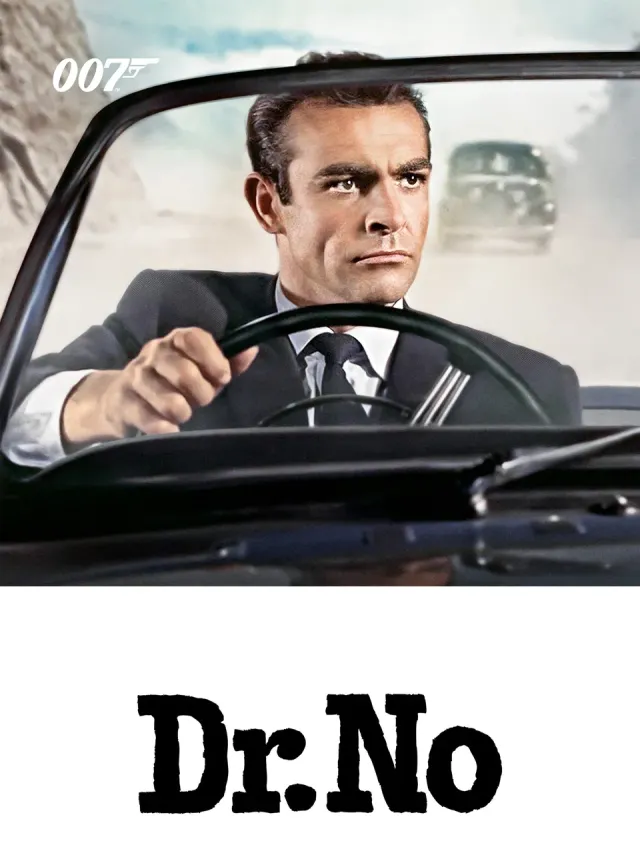
What changes Foreign Correspondent: brisk and escalating. Dr. No: steady.
An intelligence operative investigates the disappearance of a colleague in Jamaica and follows clues towards an isolated facility connected to interference with American rocket launches. Local assistance and attacks on the investigation reveal an opponent using commercial secrecy and technical resources to conceal a wider objective. Reaching the site requires dependence on companions whose exposure to danger exceeds the professional protections his role appears to promise.
Based on recorded story, mood and style. Your preferences can change the order.
Investigation · Espionage and covert operations
Expect suspenseful and adventurous, with brisk pacing.
A British agent searches for a military communications device lost at sea, while the daughter of murdered marine researchers pursues the people behind their deaths. Their paths converge among competing intermediaries whose wartime associations and business reputations provide incomplete guides to loyalty. Recovering a strategic object requires revising an apparently authoritative account, while her desire for revenge challenges the assumption that completing the official mission also settles the harm that began her search.
Based on recorded story, mood and style. Your preferences can change the order.
Investigation
What changes Foreign Correspondent: brisk and escalating. Z: rapid procedural build.
After a prominent Greek left-wing politician is attacked and dies following a public rally, a magistrate investigates the case despite pressure from officials who want it contained. Journalists and witnesses help expose the gap between the public account and the network of people who planned and concealed the violence. Costa-Gavras shapes the story as a political investigation, using an unnamed country and documentary-like urgency to connect individual testimony with institutional complicity. The title’s protest slogan becomes both a demand to remember the victim and a challenge to an attempted cover-up. Its reportorial momentum makes the investigation itself the chief source of suspense.
Based on recorded story, mood and style. Your preferences can change the order.
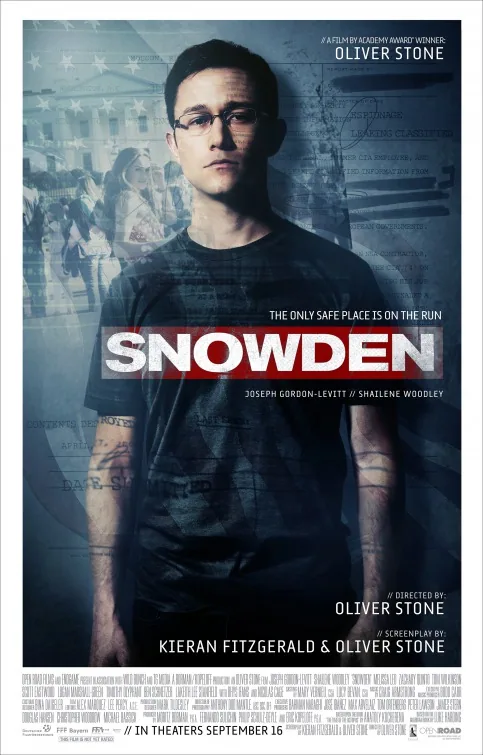
Expect urgent and political, with interwoven and escalating pacing.
Edward Snowden's work as a U.S. intelligence contractor exposes him to the scale of government surveillance and the secrecy surrounding it. He eventually shares classified materials with journalists, leaving his career and life in the United States behind as the disclosures become public. Oliver Stone's political thriller traces the personal and institutional pressures that lead to the leak, mixing biographical scenes with an argument about privacy, national security, and the public's right to know.
Based on recorded story, mood and style. Your preferences can change the order.
Espionage and covert operations
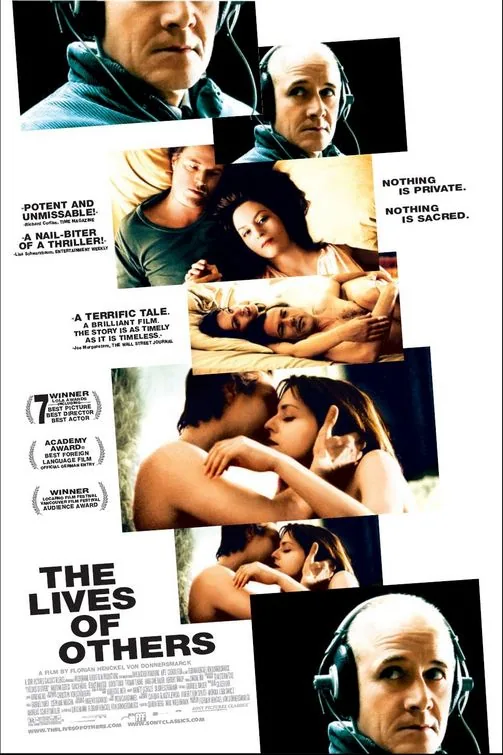
What changes Foreign Correspondent: brisk and escalating. The Lives of Others: slow burn.
An East German surveillance officer is assigned to monitor a celebrated playwright and his partner, ostensibly for national security. Listening to their private life reveals artistic friendships, fear and a senior official's exploitative motive behind the operation. The officer's identification with people he is meant to expose creates small opportunities to intervene, but every altered report risks his position within an institution that treats conscience as disloyalty.
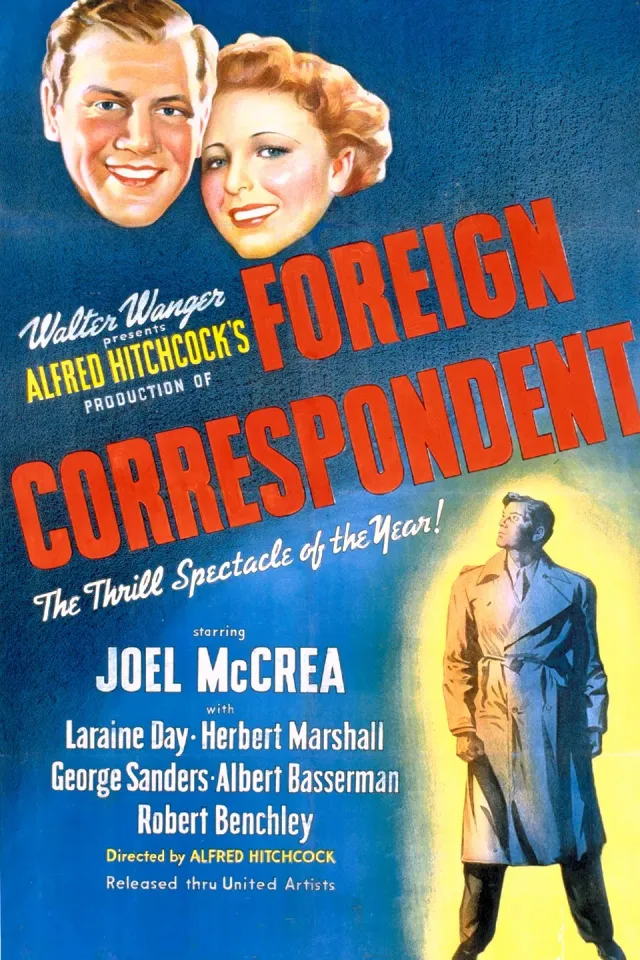
An American reporter arrives in Europe expecting a more vivid story than official diplomacy provides and witnesses an apparent assassination. Pursuing an inconsistency reveals a concealed intelligence operation behind respectable public appeals for peace, while attraction to a participant's daughter makes exposure emotionally costly. Reporting becomes an active struggle to preserve evidence and communicate it before the people defining the public situation can permanently replace what he saw with their own account.
What drives the story
A reporter's pursuit of an apparent public killing reveals impersonation and coercion, making the preservation of an inconvenient witness central to exposing a concealed political operation.
The people at its centre
Jones's direct curiosity meets Carol's loyalty to her father and a fellow reporter's more practiced skepticism, producing cooperation whose personal stakes differ sharply.
What it feels like
Physical clues, expressive suspense settings and brisk verbal exchanges turn international intrigue into an accessible reporting adventure with an increasingly urgent public address.
Worth knowing
Match on journalism discovering a threat beneath reassuring institutional appearances, while preserving its prewar dramatic perspective rather than treating the invented conspiracy as a complete historical explanation.