Both share home invasion, plus themes of spectatorship and violence.
Why this matches +
Genres: Crime / Drama
Shared film traits
Based on recorded story, mood and style. Your preferences can change the order.
Both directed by Michael Haneke.
Constructed reality
What changes Funny Games U.S.: a family’s attempt to survive is repeatedly undermined by captors who control the story’s rules.. Funny Games: two strangers hold a vacationing family hostage and force them to take part in sadistic games..
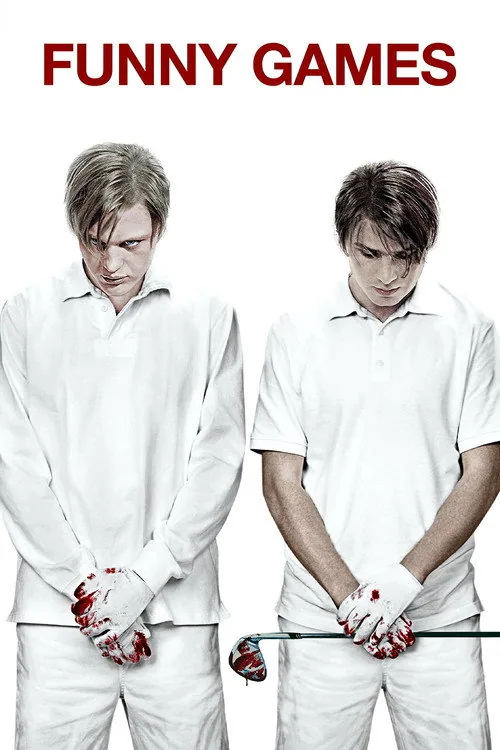
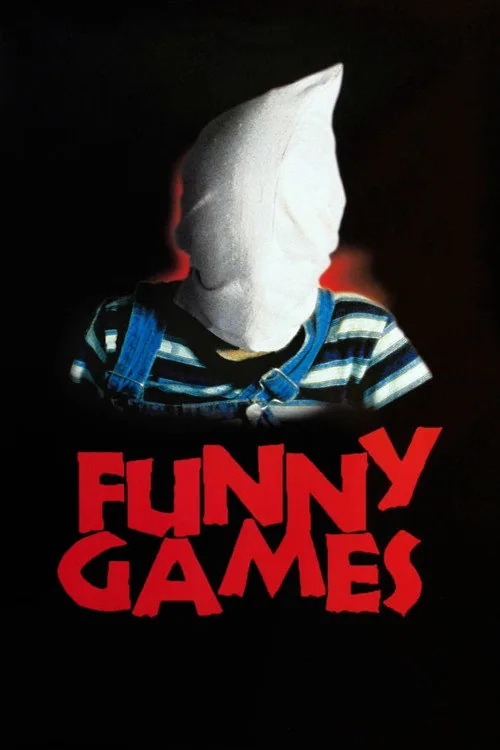
Georg and Anna Schober arrive with their son at their lakeside holiday home, where two polite young men ask to borrow eggs and gradually take control of the house. The intruders force the family into a series of cruel games and bets about how long they will survive. Michael Haneke’s Austrian thriller repeatedly breaks ordinary suspense conventions, including by making one attacker acknowledge the camera and the audience’s expectations. The film turns a home-invasion story into a confrontational study of spectatorship, violence, and the desire for a satisfying rescue.
Both share home invasion, plus themes of violence.
Why this matches +
Genres: Horror / Thriller
Shared film traits
Based on recorded story, mood and style. Your preferences can change the order.
What changes Funny Games U.S.: a family’s attempt to survive is repeatedly undermined by captors who control the story’s rules.. The Last House on the Left: escalating and survival-led.
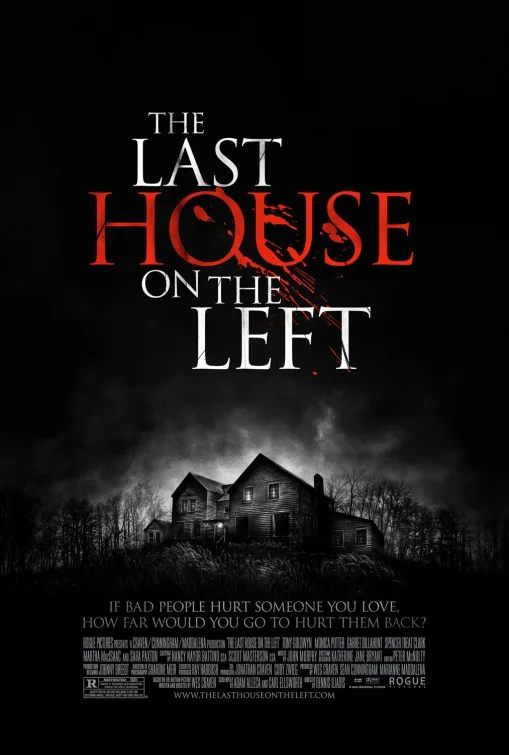
A family’s quiet retreat is shattered after their daughter and her friend encounter a group of violent criminals. The parents unknowingly provide shelter to the same people and gradually learn what has happened, turning their home into the setting for an attempt at revenge. The remake is a graphic thriller about the collapse of safety and the moral cost of retaliatory violence, using ordinary domestic spaces to intensify its disturbing material.
Both share themes of violence, plus a provocative atmosphere.
Why this matches +
Genres: Horror / Drama
Shared film traits
Based on recorded story, mood and style. Your preferences can change the order.
Constructed reality
What changes Funny Games U.S.: a family’s attempt to survive is repeatedly undermined by captors who control the story’s rules.. The House That Jack Built: jack’s account of his crimes becomes an argument with the figure guiding him toward judgment..
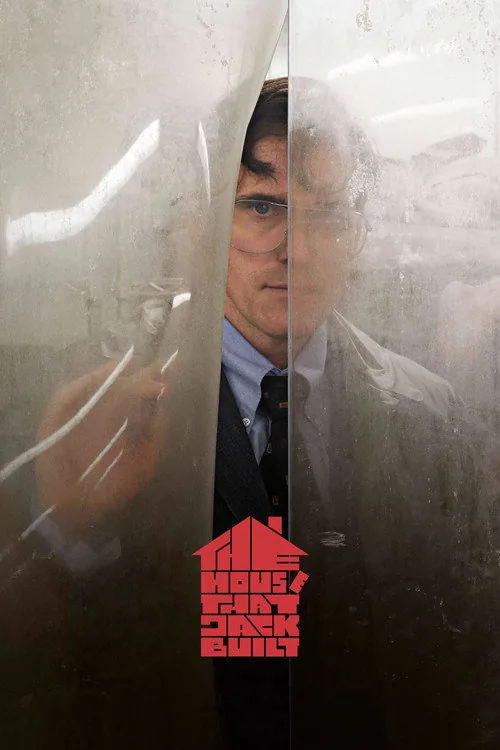
Serial killer Jack recounts a series of murders to a companion he calls Verge, presenting each killing as one of several formative “incidents.” His efforts to hide evidence become increasingly elaborate and sometimes grotesque, while he tries to build a house from the bodies he has collected. Lars von Trier’s psychological horror film shifts between crime episodes, art-history arguments, and a final journey through a vision of Hell. It is formally self-conscious and deliberately provocative, framing Jack’s explanations as unreliable and morally repellent rather than asking viewers to admire his crimes.
Based on recorded story, mood and style. Your preferences can change the order.
Constructed reality
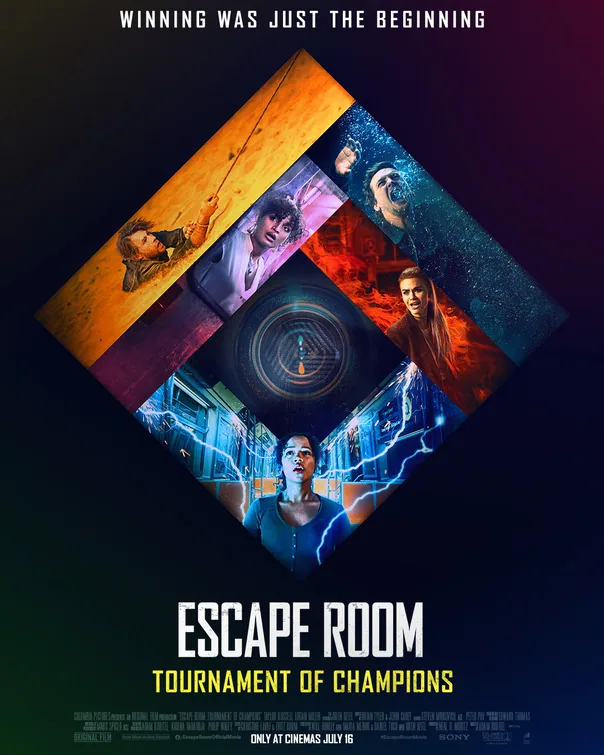
What changes Funny Games U.S.: a family’s attempt to survive is repeatedly undermined by captors who control the story’s rules.. Escape Room: Tournament of Champions: a series of constructed environments escalates the survival challenge.
Zoey and Ben try to expose the organization behind lethal escape rooms, but are drawn into another sequence of traps with other survivors. Each room turns familiar spaces into mechanical puzzles with limited time and shifting alliances. The sequel expands the premise into a tournament structure, using cooperation and distrust to drive a survival mystery about the people who design the games.
Both share home invasion, plus themes of violence.
Why this matches +
Genres: Horror / Thriller
Shared film traits
Based on recorded story, mood and style. Your preferences can change the order.
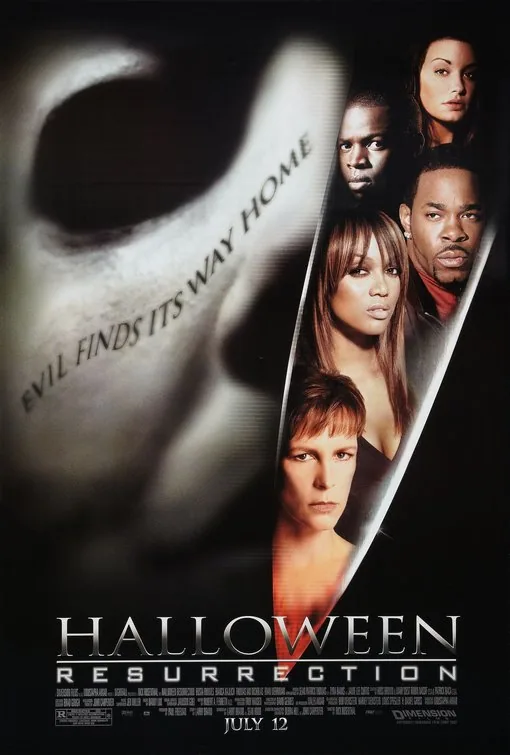
What changes Funny Games U.S.: a family’s attempt to survive is repeatedly undermined by captors who control the story’s rules.. Halloween: Resurrection: relentless and set-piece driven.
Young contestants enter the house associated with Michael Myers for a live internet horror program. When the killer returns, staged spectacle becomes a genuine fight to escape, and cameras offer no protection. This slasher sequel turns surveillance and entertainment into part of the threat, mixing franchise mythology with reality-show culture and a confined-house chase.
Based on recorded story, mood and style. Your preferences can change the order.
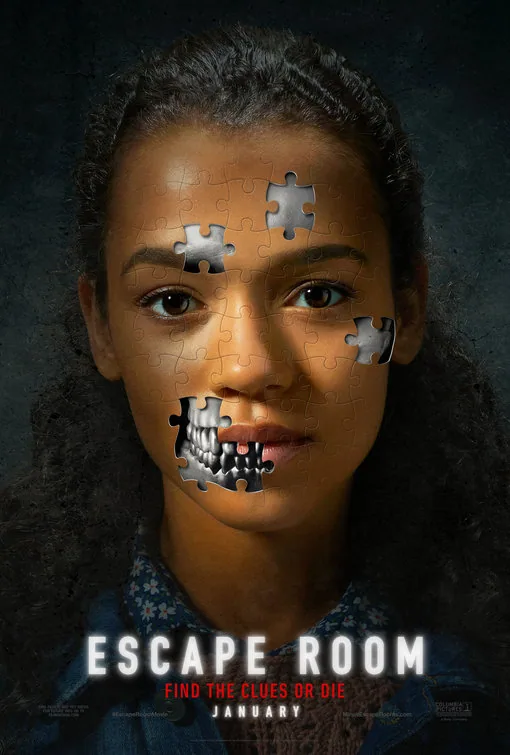
What changes Funny Games U.S.: a family’s attempt to survive is repeatedly undermined by captors who control the story’s rules.. Escape Room: room-to-room and escalating.
Six strangers accept invitations to test a new escape-room attraction, expecting a contest of puzzles and prizes. The rooms quickly reveal that mistakes can cause real injury, and each participant’s past connects to a larger selection process. As the group searches for rules and exits, the film blends puzzle logic with survival horror and asks whether cooperation can outlast competition.
Both share themes of control, plus a disturbing atmosphere.
Why this matches +
Genres: Horror / Thriller
Shared film traits
Based on recorded story, mood and style. Your preferences can change the order.
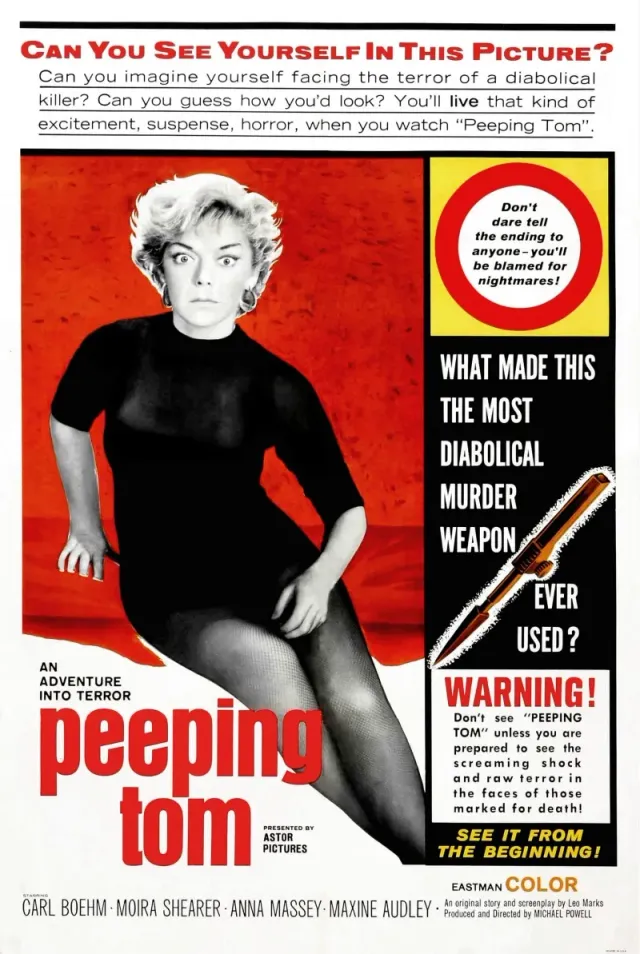
What changes Funny Games U.S.: a family’s attempt to survive is repeatedly undermined by captors who control the story’s rules.. Peeping Tom: measured and psychological tension.
Mark Lewis works in film production and photographs women, but he secretly uses a camera to record the terror of people he murders. His quiet relationship with Helen, a young woman living in his building, offers a glimpse of intimacy that conflicts with his compulsion. The film follows the danger created when image-making, childhood trauma and a desire for control become inseparable.
Shared characteristics
Mood: Disturbing
Theme: Control
Genre: Horror
Genre: Thriller
Genre: Drama
Poster: Film rights holders; original promotional poster documented by Wikipedia · Image source
Based on recorded story, mood and style. Your preferences can change the order.
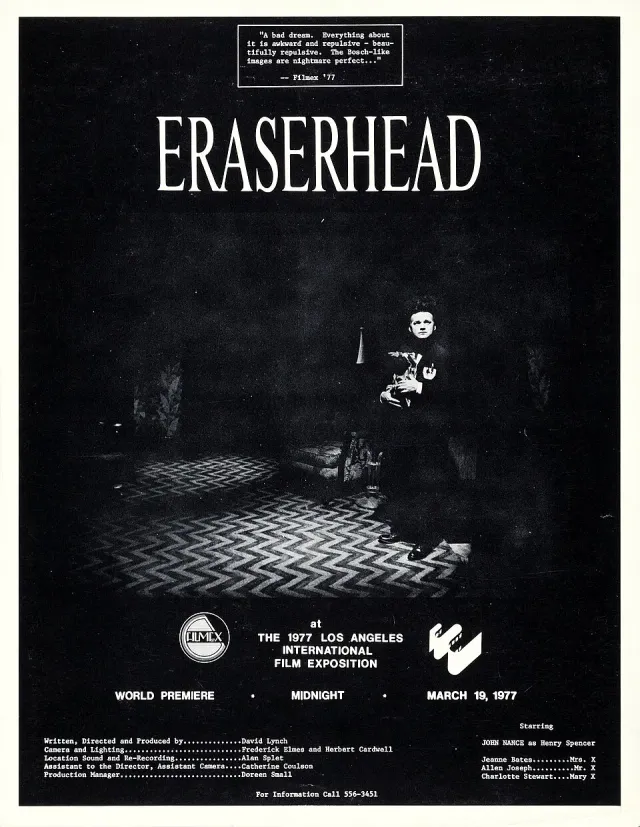
What changes Funny Games U.S.: a family’s attempt to survive is repeatedly undermined by captors who control the story’s rules.. Eraserhead: slow burn.
A young man's awkward encounter with his girlfriend's family leads to a household organized around an infant whose needs and bodily form he cannot comfortably understand. Sleeplessness, industrial surroundings and recurring visions make intimacy and reproduction feel inseparable from dread. Attempts to distinguish escape, desire and responsibility become less secure as the film changes the boundaries between perception and event, keeping the domestic situation distressingly immediate without supplying one stable explanatory key. The film makes domestic responsibility feel material and inescapable while refusing to stabilize the events as literal realism.
Based on recorded story, mood and style. Your preferences can change the order.
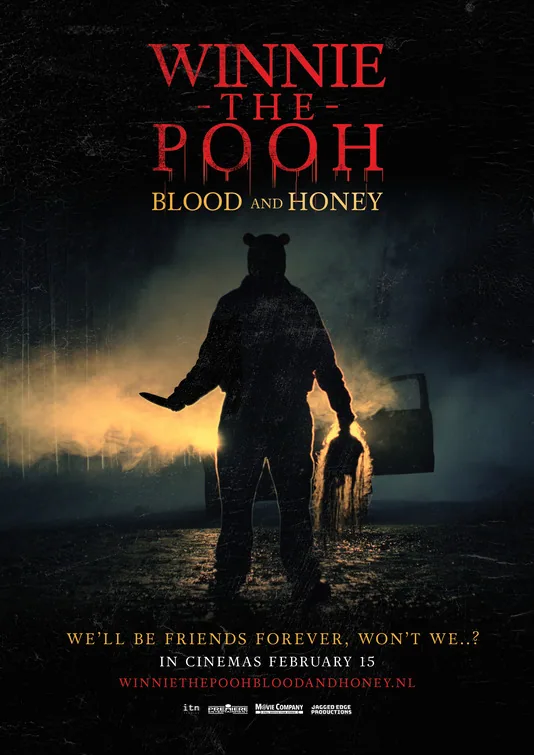
What changes Funny Games U.S.: a family’s attempt to survive is repeatedly undermined by captors who control the story’s rules.. Winnie-the-Pooh: Blood and Honey: slasher-driven and escalating.
After Christopher Robin leaves the Hundred Acre Wood, the abandoned creatures turn against the human world and become a threat to visitors. Years later, a group of young women staying in a remote cabin encounter the violence attached to Pooh and Piglet. Rhys Frake-Waterfield recasts a familiar children's property as a low-budget slasher, relying on horror conventions and deliberate contrast between childhood imagery and adult danger.
George and Ann Farber arrive with their son at a lake house, where two polite young men ask for small favors and then refuse to leave. The visitors injure George and force the family to participate in a sequence of cruel “games,” while the film repeatedly draws attention to the audience and its expectations of violence. Michael Haneke’s English-language remake closely reproduces his 1997 film and uses direct address and a startling rewind to frustrate conventional thriller rules. The violence is presented as an ethical challenge to spectatorship, not as triumphant action.
What drives the story
The Farbers are held hostage and subjected to the captors’ arbitrary games.
The people at its centre
Ann and George try to protect their son and resist the intruders, while Paul manipulates both them and the viewer’s expectations.
What it feels like
The film includes torture, murder, and severe violence against a child and family; it is intentionally distressing.
Worth knowing
Its form openly critiques the viewer’s desire for conventional revenge or rescue, rather than offering cathartic suspense.
SpectatorshipViolenceControl
Mood
Austere · Disturbing · Provocative
Pacing
A family’s attempt to survive is repeatedly undermined by captors who control the story’s rules.
Visual style
Long takes · Static framing · Direct-to-camera breaks
Storytelling
Home invasion · Audience address · Rule-breaking narrative