Explore films connected to Heavenly Creatures through adolescent intimacy, fantasy and reality, family conflict and autonomy. Choose the qualities you want to carry into your next watch.
What should feel similar?
Find your next favourite
9 films · Closest overall matches
Hide films you’ve seen or don’t want. Saved on this device.
No matches for this combination yet.
Try another option or reset your choices to see more films.
Based on recorded story, mood and style. Your preferences can change the order.
What changes Heavenly Creatures: gradual psychological escalation and intimate character focus. Echo Valley: quiet farm routine is interrupted, investigation reveals a dangerous secret and mother faces escalating moral choices.
Kate lives a secluded life caring for horses at her Pennsylvania farm while grieving a personal loss. Her troubled daughter Claire arrives unexpectedly, hysterical and covered in someone else's blood, and Kate's instinct to protect her quickly collides with the need to understand what happened. As a dangerous secret emerges, mother and daughter become caught in choices that test their trust and expose the limits of unconditional loyalty. The psychological thriller turns a quiet rural home into the center of a tense story about sacrifice, family, and how far a parent will go to save a child.
Based on recorded story, mood and style. Your preferences can change the order.
What changes Heavenly Creatures: gradual psychological escalation and intimate character focus. Finding Neverland: measured.
After a disappointing play, J. M. Barrie forms a friendship with Sylvia Llewelyn Davies and her sons, finding in shared imaginative games a way to engage with childhood and grief. The bond inspires Peter Pan but also exposes tensions with his wife and with the family’s different needs. As Sylvia’s illness narrows the future, a performance brought into the home becomes an act of accompaniment rather than simply a triumph for the playwright. The film compresses and sentimentalizes biographical material, so its emotional account of inspiration should not be mistaken for a complete record of the real family or Barrie’s obligations to them.
Based on recorded story, mood and style. Your preferences can change the order.
What changes Heavenly Creatures: gradual psychological escalation and intimate character focus. I Care a Lot: a legal scheme triggers a series of escalating retaliations.
Marla Grayson profits from court-appointed guardianships by placing older adults in care homes and selling their property, until a wealthy new ward named Jennifer Peterson proves connected to gangster Roman Lunyov. Marla and her partner Fran try to keep control of the scheme as Roman’s violent efforts to reach his mother collide with the legal system and Marla’s ambition. The black comedy sharpens into a crime thriller about predation, institutional complicity, and two sides refusing to yield.
Based on recorded story, mood and style. Your preferences can change the order.
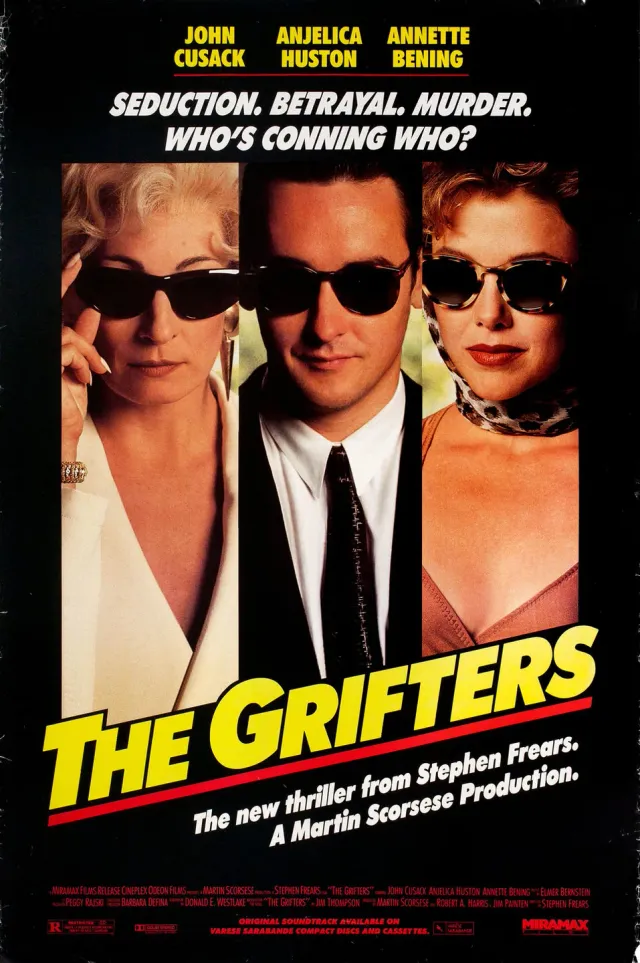
What changes Heavenly Creatures: gradual psychological escalation and intimate character focus. The Grifters: careful character setup tightens into a chain of betrayals and consequences.
Lilly Dillon is an experienced race-track con artist working for bookmaker Bobo Justus; a visit to her estranged son Roy reconnects her with the small-time hustler and his girlfriend Myra, who is also a grifter. Lilly urges Roy to abandon short cons after he is badly beaten, while Myra proposes that they join forces on a larger scheme. Their competing loyalties and suspicions draw all three into a dangerous contest over money, control and trust. The film follows a family whose members understand deception as a daily skill, and whose intimacy makes each new betrayal especially costly.
Based on recorded story, mood and style. Your preferences can change the order.
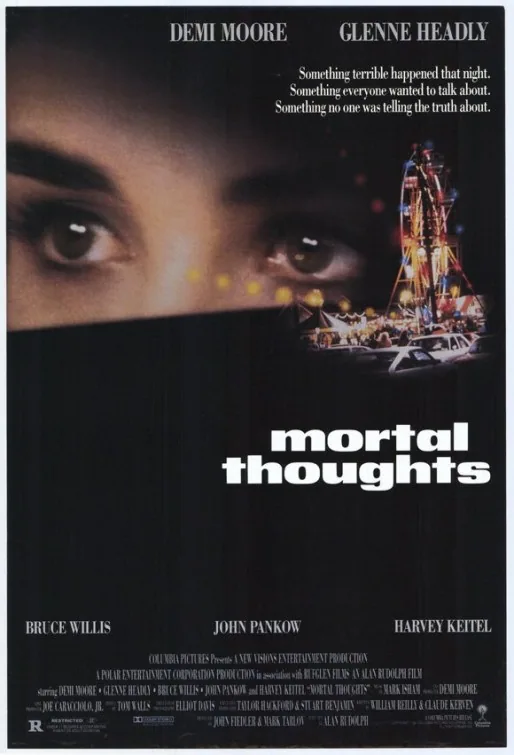
What changes Heavenly Creatures: gradual psychological escalation and intimate character focus. Mortal Thoughts: an investigation reconstructs a troubled relationship.
Two women who have been close friends become entangled in the murder investigation of the husband of one of them. Their accounts of the past and of the crime do not remain consistent, forcing investigators and the audience to question what each woman is protecting. Alan Rudolph's thriller uses shifting testimony and personal intimacy to unsettle the boundary between loyalty and complicity.
Based on recorded story, mood and style. Your preferences can change the order.
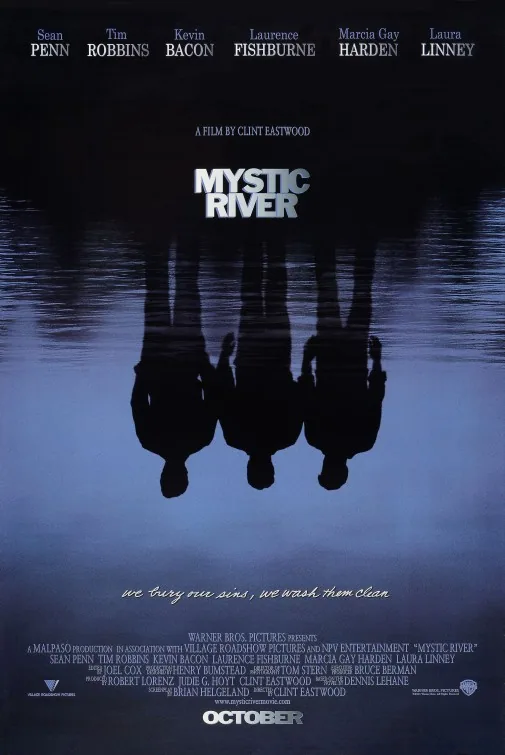
What changes Heavenly Creatures: gradual psychological escalation and intimate character focus. Mystic River: slow burn.
The murder of a young woman reconnects three Boston men whose childhood friendship was fractured by one boy's abduction and abuse. One is now the victim's father, another a police investigator, and the third returns home injured on the night she dies. Their different responses to grief and remembered vulnerability produce competing accounts of what happened, while neighbourhood loyalties turn suspicion into a force that can outrun evidence.
Based on recorded story, mood and style. Your preferences can change the order.
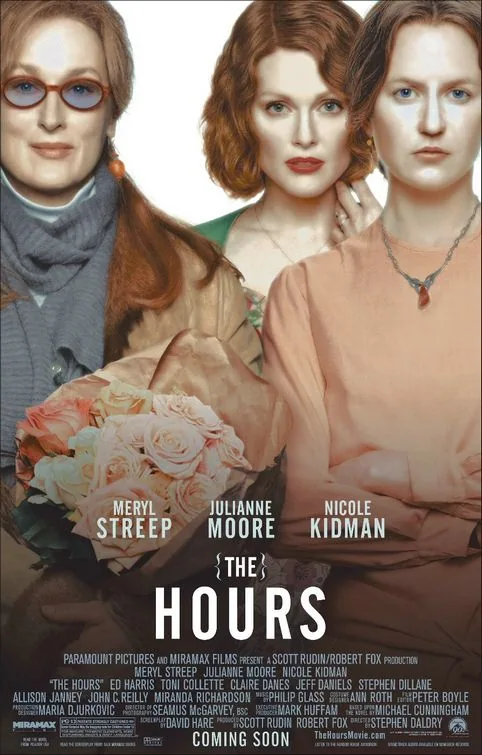
What changes Heavenly Creatures: gradual psychological escalation and intimate character focus. The Hours: interwoven timelines and emotional accumulation.
The film follows three women on separate days in different decades: Virginia Woolf in 1920s England, Laura Brown in 1950s Los Angeles and Clarissa Vaughan in contemporary New York. Virginia writes Mrs. Dalloway while struggling with illness and the restrictions of her life; Laura reads the novel as domestic dissatisfaction closes around her; Clarissa cares for Richard, a poet and former lover dying of AIDS. Editing and recurring gestures connect the women without making their experiences identical. The result is a literary drama about care, escape and the futures people imagine for themselves.
Based on recorded story, mood and style. Your preferences can change the order.
What changes Heavenly Creatures: gradual psychological escalation and intimate character focus. Sharper: chaptered, revelatory, precise and twist-driven.
In New York, a woman named Sandra enters the life of bookstore owner Tom, but their apparent romance becomes the opening move in a layered con. Benjamin Caron’s thriller shifts perspective between Tom, Sandy, wealthy heir Max, his mother Madeline and the people drawn into their schemes. Each new chapter changes how earlier events look, turning the city’s polished interiors and family money into a landscape of performance and deception.
Based on recorded story, mood and style. Your preferences can change the order.
What changes Heavenly Creatures: gradual psychological escalation and intimate character focus. Funny Games: two strangers hold a vacationing family hostage and force them to take part in sadistic games..
Georg and Anna Schober arrive with their son at their lakeside holiday home, where two polite young men ask to borrow eggs and gradually take control of the house. The intruders force the family into a series of cruel games and bets about how long they will survive. Michael Haneke’s Austrian thriller repeatedly breaks ordinary suspense conventions, including by making one attacker acknowledge the camera and the audience’s expectations. The film turns a home-invasion story into a confrontational study of spectatorship, violence, and the desire for a satisfying rescue.
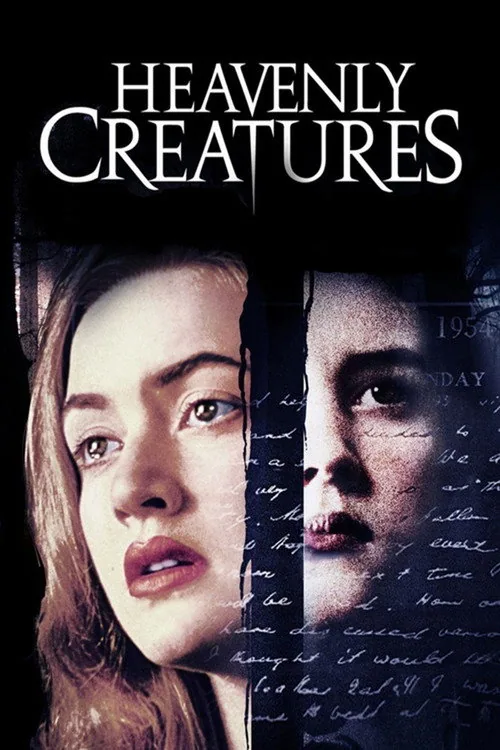
In 1950s Christchurch, teenagers Pauline Parker and Juliet Hulme form an intense friendship and build a shared fantasy world that gives them refuge from family expectations. As their bond deepens, their imagined life and private loyalties increasingly shape how they see the people around them. Peter Jackson’s psychological drama is based on the real case of two girls who murdered Pauline’s mother, but its focus remains on adolescent attachment, creativity, and the disturbing distance between fantasy and action. Kate Winslet and Melanie Lynskey made their film debuts in the lead roles.
What drives the story
The girls’ growing attachment and their imagined world deepen the conflict with family boundaries and ordinary life.
The people at its centre
Pauline and Juliet find acceptance in each other, but their different family circumstances and personalities shape the bond.
What it feels like
The film moves between exuberant imaginative sequences and an increasingly disturbing real-world outcome.
Worth knowing
Although based on a notorious crime, it emphasizes the girls’ subjective friendship rather than functioning as a procedural investigation.
adolescent intimacyfantasy and realityfamily conflict and autonomy
Mood
dreamlike · intense · foreboding
Pacing
gradual psychological escalation · intimate character focus
Visual style
lush fantasy sequences · 1950s domestic settings · contrasting realism and imagined landscapes
Storytelling
true-crime basis · friendship becomes consuming · imaginary world shapes the characters’ outlook