The veterans' homecoming is only the start: jobs, marriages and public attitudes force each man to renegotiate a civilian identity after the war.
Why this matches +
A veteran’s homecoming creates a sustained struggle to reconcile military experience with civilian relationships and identity.
Genres: Drama / War
Shared film traits
Based on recorded story, mood and style. Your preferences can change the order.
War and civilian life
What changes An ensemble of fictional veterans replaces a biographical actor’s return to Hollywood and one specific film role.
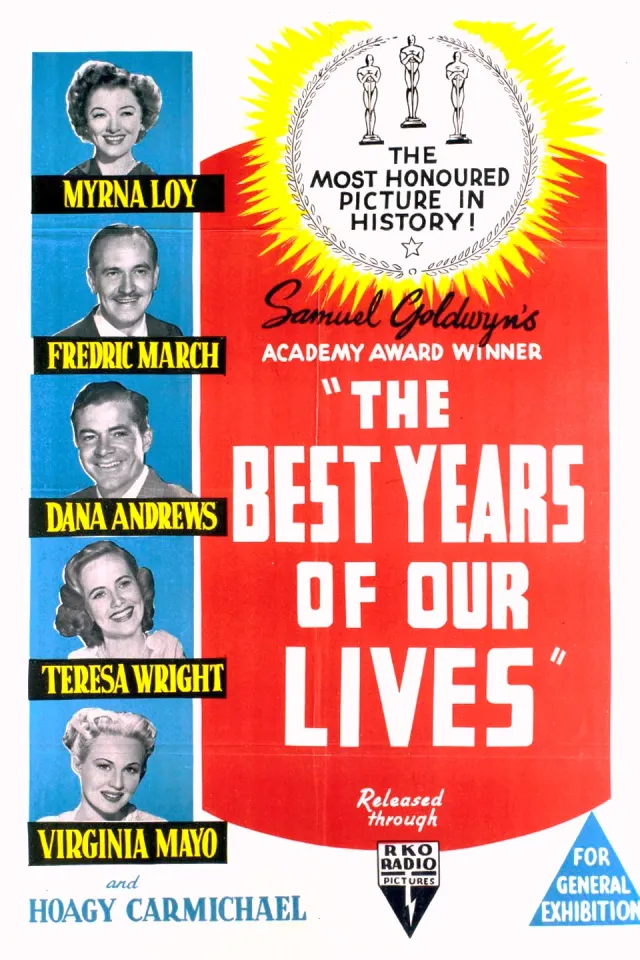
Three World War II veterans return to Boone City and try to resume lives that continued without them. Fred Derry struggles with work and a marriage that has changed; Al Stephenson returns to banking and family life while drinking too much; Homer Parrish, who lost both hands, worries that his loved ones see his disability before they see him. Their stories intersect through the Stephenson family and the women they love. The film follows rehabilitation, employment and intimacy as practical parts of returning home, ending with weddings but not pretending that adjustment has been simple.
A disabling combat injury exposes the gap between patriotic promises and veterans' material treatment, redirecting Ron's loyalty toward organized opposition and public testimony. The political turn grows from failed care and encounters with other veterans.
Why this matches +
A veteran’s homecoming creates a sustained struggle to reconcile military experience with civilian relationships and identity.
Genres: Drama / War
Shared film traits
Based on recorded story, mood and style. Your preferences can change the order.
War and civilian life
What changes Ron Kovic’s disability and political activism after Vietnam replace an actor’s return to creative work after World War II.
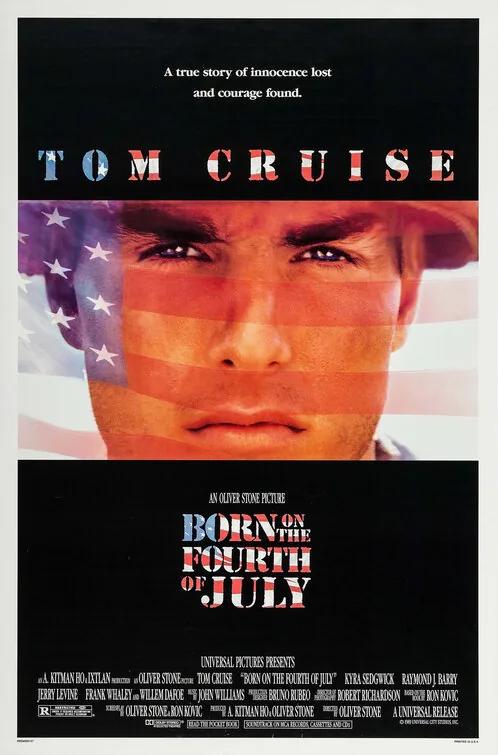
Raised on patriotic ritual, Ron Kovic volunteers for Vietnam believing service will make inherited ideals real. A catastrophic injury, inadequate care and a difficult return home unsettle that belief, while family expectations and encounters with other veterans turn private anger toward public speech. The film follows a changing political identity rather than a simple recovery arc: disability persists, and activism does not restore the life he imagined before enlistment. Kovic's story is personal and dramatized, not a universal account of veterans or the war.
A military wife volunteering at a veterans' hospital forms a bond that challenges her marriage and understanding of war.
Why this matches +
A veteran’s homecoming creates a sustained struggle to reconcile military experience with civilian relationships and identity.
Genres: Drama / Romance
Shared film traits
Based on recorded story, mood and style. Your preferences can change the order.
War and civilian life
What changes Vietnam, disability and a romantic triangle replace Stewart’s World War II service and acting career; sexual material is more explicit.
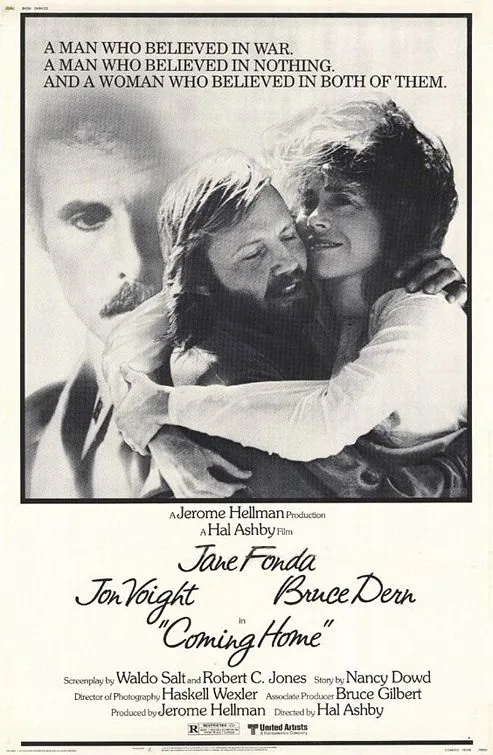
In 1968 California, Sally Hyde watches her Marine husband Bob leave for Vietnam and gradually finds a life of her own. While volunteering at a veterans' hospital, she meets Luke Martin, a former Marine whose war injuries have left him paralyzed and whose views differ sharply from Bob's. Sally and Luke grow close as she learns about wounded veterans and the war's lasting effects. When Bob returns, all three must confront changing loyalties, trauma, and the divide between military duty and private life.
The repeated changes in Louis’s circumstances create an endurance story rather than a single decisive victory.
Why this matches +
A real public figure’s service or creative career exposes the gap between celebrated achievement and private difficulty, without matching Stewart’s particular wartime return.
An adjacent discovery: a related idea with a different viewing experience.
Genres: Drama / War
Shared film traits
Based on recorded story, mood and style. Your preferences can change the order.
War and civilian life
What changes An athlete’s air war and prisoner-of-war ordeal dominate rather than an actor’s postwar recovery through filmmaking.
Louis Zamperini begins as a mischievous boy and becomes an Olympic runner before serving as a bombardier in the Second World War. After surviving the crash of his aircraft over the Pacific, he and two crewmen drift at sea and are eventually captured by Japanese forces. The film follows repeated tests of endurance, connecting athletic discipline with the struggle to preserve dignity during imprisonment and wartime abuse.
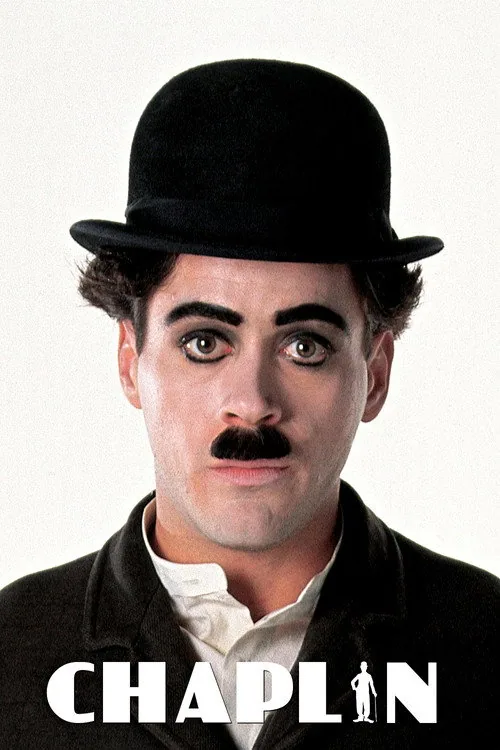
Chaplin's recollections trace how a childhood performer built an enduring comic character while navigating fame and public controversy.
Why this matches +
A real public figure’s service or creative career exposes the gap between celebrated achievement and private difficulty, without matching Stewart’s particular wartime return.
An adjacent discovery: a related idea with a different viewing experience.
Genres: Drama / Comedy
Shared film traits
Based on recorded story, mood and style. Your preferences can change the order.
Music and performance
What changes A much broader career-spanning life story replaces a focused transition from military service to a particular role.
An elderly Charlie Chaplin looks back on his life during a conversation in Switzerland, recalling a poor childhood in South London and his rise through the music halls to international fame. The film follows the creation of his silent-screen persona, his creative control, personal relationships, political scrutiny, and eventual exile from the United States. Richard Attenborough frames a broad biographical sweep around the tension between the vulnerable man and the comic figure audiences adored. Robert Downey Jr.'s performance anchors a story about art, fame, and the cost of being watched.
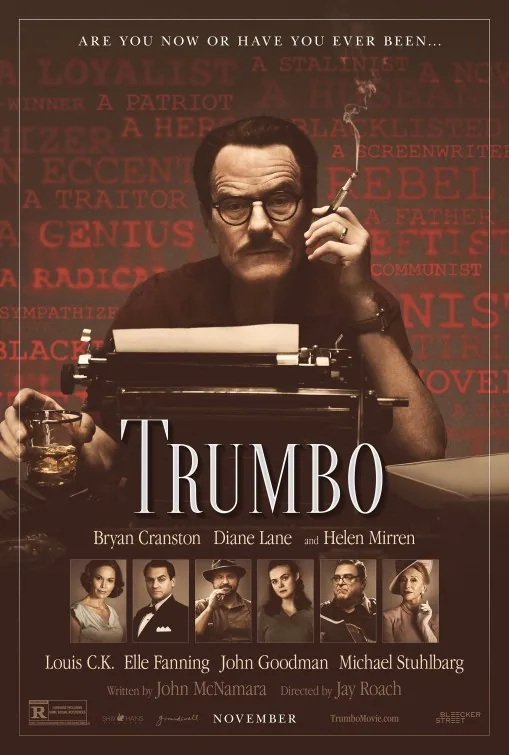
A blacklisted screenwriter keeps working under other names to support his family.
Why this matches +
A real public figure’s service or creative career exposes the gap between celebrated achievement and private difficulty, without matching Stewart’s particular wartime return.
An adjacent discovery: a related idea with a different viewing experience.
Genres: Drama / Biography
Shared film traits
Based on recorded story, mood and style. Your preferences can change the order.
What changes Blacklisting and political persecution replace combat service and the private aftermath of war.
Screenwriter Dalton Trumbo's career is interrupted when political suspicion puts him among Hollywood's blacklisted writers. He continues writing through pseudonyms while facing pressure from industry leaders, political figures and the strain his work places on family life. Jay Roach builds the biographical drama around authorship, public identity and professional survival, showing how a creative life continues when a person is denied credit for the work he produces.
Large creative and engineering ventures expose the tension between obsessive control, public performance and increasingly restrictive private rituals.
Why this matches +
A real public figure’s service or creative career exposes the gap between celebrated achievement and private difficulty, without matching Stewart’s particular wartime return.
An adjacent discovery: a related idea with a different viewing experience.
Genres: Drama / Thriller
Shared film traits
Based on recorded story, mood and style. Your preferences can change the order.
What changes Howard Hughes’s enterprises and compulsive illness replace an actor’s combat service and return to an established profession.
Howard Hughes uses inherited wealth to pursue filmmaking, aviation records and the expansion of an airline business, often treating practical limits as challenges to personal will. Public glamour and technological ambition coexist with growing compulsions that make ordinary contact and decision-making increasingly difficult. As competitors and political investigators threaten his position, the drive for total control becomes both a source of achievement and a danger to his ability to remain in the world.
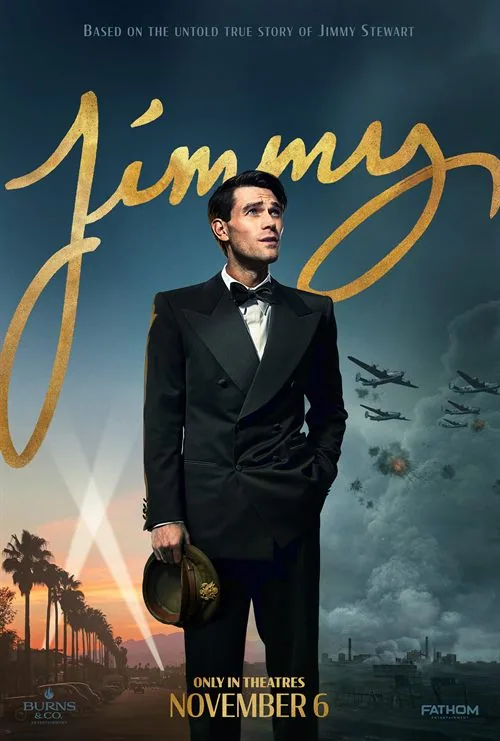
Jimmy Stewart’s life changes from Hollywood success to wartime service when the actor joins the Army Air Corps and flies combat missions over Europe. Returning home, he struggles to reconnect with the life and career he knew. This biographical drama follows that transition toward his work on It’s a Wonderful Life, linking public performance with the private aftermath of war.
What drives the story
An established actor becomes a combat pilot and then must find a way back into civilian creative life.
The people at its centre
Stewart’s public identity as a performer sits beside the private uncertainty he faces after wartime service.
What it feels like
The biographical premise connects Hollywood work with emotional recovery, rather than treating combat missions as its only attraction.
Worth knowing
This is a dramatization about Stewart, not a documentary or a remake of It’s a Wonderful Life.