Explore films connected to Kill the Messenger through journalism and accountability, institutional pressure, truth and credibility. Choose the qualities you want to carry into your next watch.
What should feel similar?
Find your next favourite
9 films · Closest overall matches
Hide films you’ve seen or don’t want. Saved on this device.
No matches for this combination yet.
Try another option or reset your choices to see more films.
Based on recorded story, mood and style. Your preferences can change the order.
Investigation · Political resistance
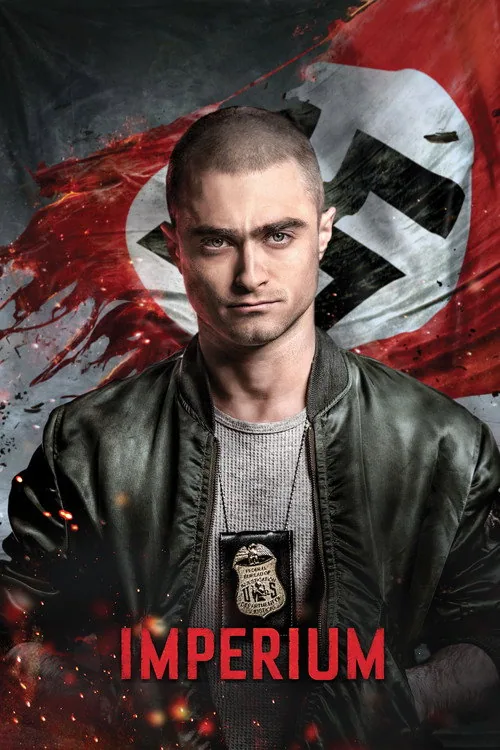
What changes Kill the Messenger: source brings webb evidence, reporting expands into a national story and institutional response threatens his reputation. Imperium: undercover entry, trust-building and uncertainty and terror plot intervention.
FBI agent Nate Foster is recruited to infiltrate white supremacist groups after radioactive material is stolen and investigators suspect a domestic terrorist plot. Undercover, he builds relationships with local organizers and a charismatic media figure while trying to learn which threats are real. His cover identity and the group's ideology begin to affect how safely he can move, and the FBI's assumptions do not always point toward the most dangerous suspect. The crime thriller examines the difficult labor of undercover investigation and how extremism recruits through ordinary social networks.
Based on recorded story, mood and style. Your preferences can change the order.
Investigation · Political resistance
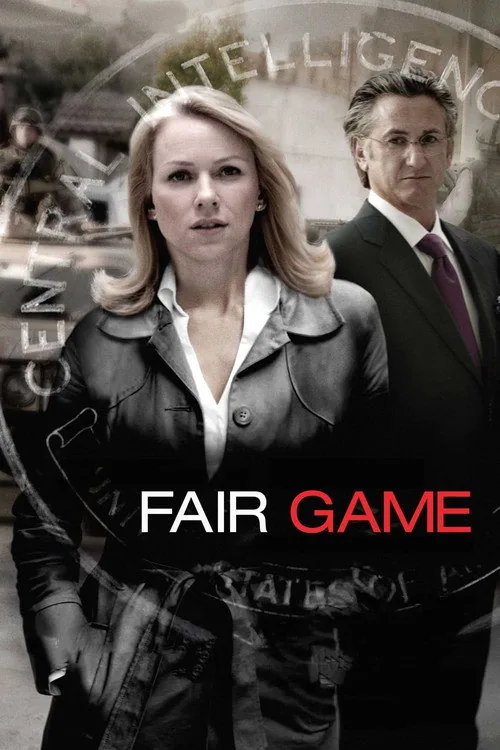
What changes Kill the Messenger: source brings webb evidence, reporting expands into a national story and institutional response threatens his reputation. Fair Game: covert work and diplomatic inquiry, public dispute escalates and personal and political fallout.
CIA officer Valerie Plame is sent to assess claims that Iraq sought uranium in Niger, while her diplomat husband Joseph Wilson finds the intelligence unconvincing. After the 2003 invasion, Wilson publicly challenges the administration's justification, and Plame's covert identity is exposed in the press. The couple's private life becomes a political target as Plame loses her work and Wilson's interviews fuel public attacks. The drama follows a marriage and a national controversy through the consequences of speaking against official claims.
Based on recorded story, mood and style. Your preferences can change the order.
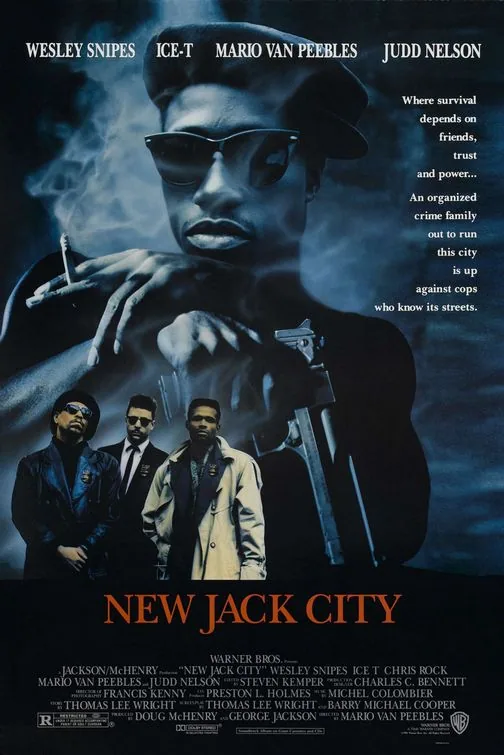
What changes Kill the Messenger: source brings webb evidence, reporting expands into a national story and institutional response threatens his reputation. New Jack City: escalating and crime-saga.
In 1980s New York, Nino Brown builds a lucrative crack-cocaine empire and takes over an apartment complex as the center of his operation. Undercover detective Scotty Appleton and his partner try to penetrate the organization, but the investigation is shaped by a neighborhood already carrying the costs of the drug trade. The film combines crime-rise spectacle with a police perspective on power, loyalty and community damage.
Based on recorded story, mood and style. Your preferences can change the order.
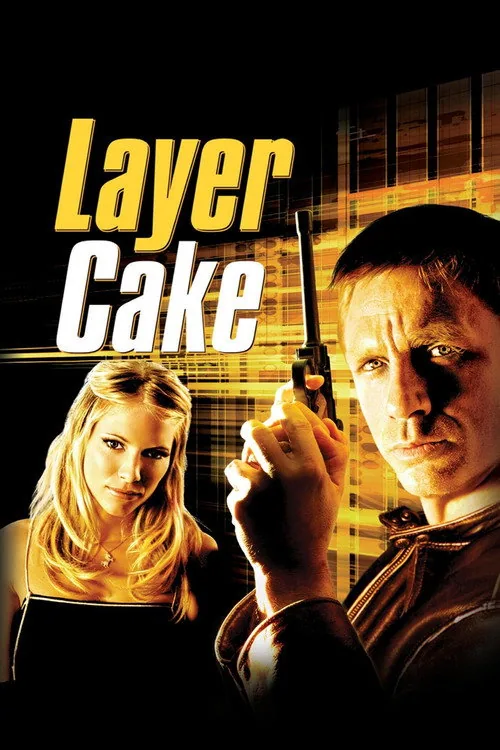
What changes Kill the Messenger: source brings webb evidence, reporting expands into a national story and institutional response threatens his reputation. Layer Cake: controlled setup into cascading complications.
An unnamed London cocaine distributor is preparing to leave the business when crime boss Jimmy Price gives him two difficult assignments. Finding a runaway associate’s daughter and handling a volatile drug deal expose the distributor to people whose interests he cannot reliably read. The British crime drama follows a professional who treats criminal work like a business, then shows how little control that tidy method can offer once the layers of obligation and deception begin to overlap.
Based on recorded story, mood and style. Your preferences can change the order.
Investigation
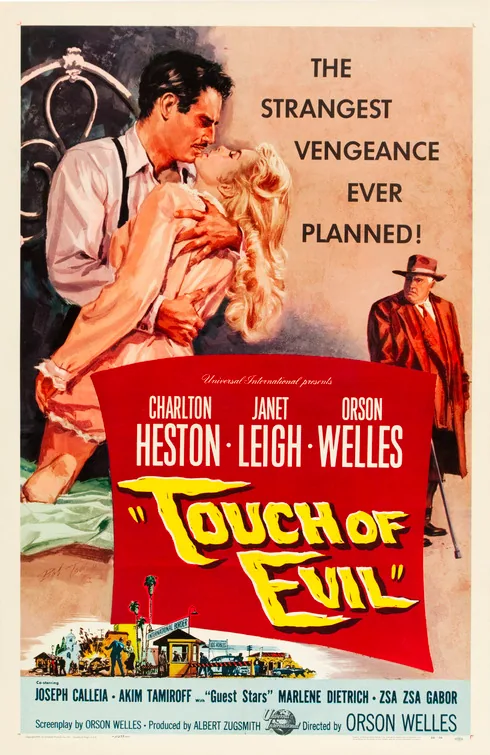
What changes Kill the Messenger: source brings webb evidence, reporting expands into a national story and institutional response threatens his reputation. Touch of Evil: investigative and escalating.
Mexican narcotics official Miguel “Mike” Vargas and his American wife Susan are honeymooning near the border when a car bomb leads to a murder investigation. Vargas becomes concerned that local police captain Hank Quinlan is manipulating evidence, especially after Susan is drawn into a separate coercive scheme. Quinlan’s reputation and alliances make it difficult to challenge him through ordinary channels, while his loyal partner Pete Menzies must decide what loyalty means when doubt grows. The investigation exposes a corrupt border authority whose power depends on controlling the story of who is guilty. Quinlan’s planted evidence reveals how institutional authority can manufacture its own proof, not merely win a single case.
Based on recorded story, mood and style. Your preferences can change the order.
Investigation · Political resistance
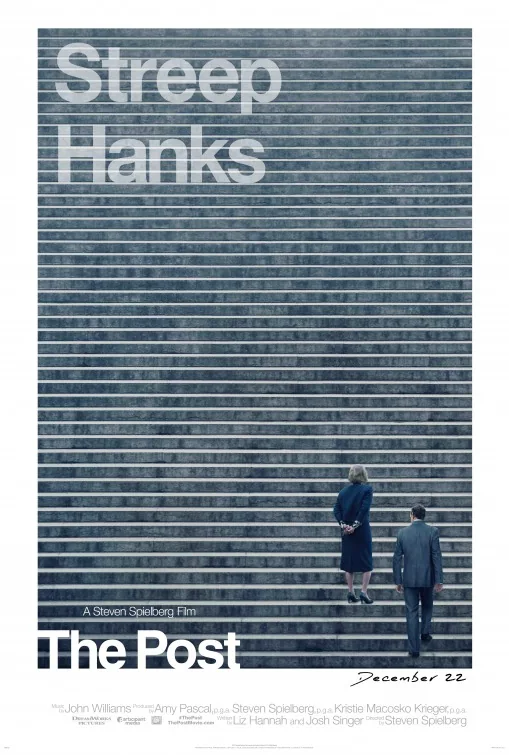
What changes Kill the Messenger: source brings webb evidence, reporting expands into a national story and institutional response threatens his reputation. The Post: deadline-driven and escalating.
In 1971, Washington Post publisher Katharine Graham weighs the future of the paper as it prepares for a public stock offering and faces pressure from the Nixon administration. After the New York Times is enjoined from publishing the Pentagon Papers, editor Ben Bradlee pushes the Post to obtain and print the documents. Graham must decide whether the paper's duty to readers outweighs legal risk, possible criminal charges and the financial exposure of a company about to go public. Reporters work to verify the leak while lawyers and board members argue over what can safely be published. The story follows a newsroom making an institutional choice under a deadline, with Graham's authority changing as she moves from social and business constraints toward editorial responsibility.
Based on recorded story, mood and style. Your preferences can change the order.
Investigation
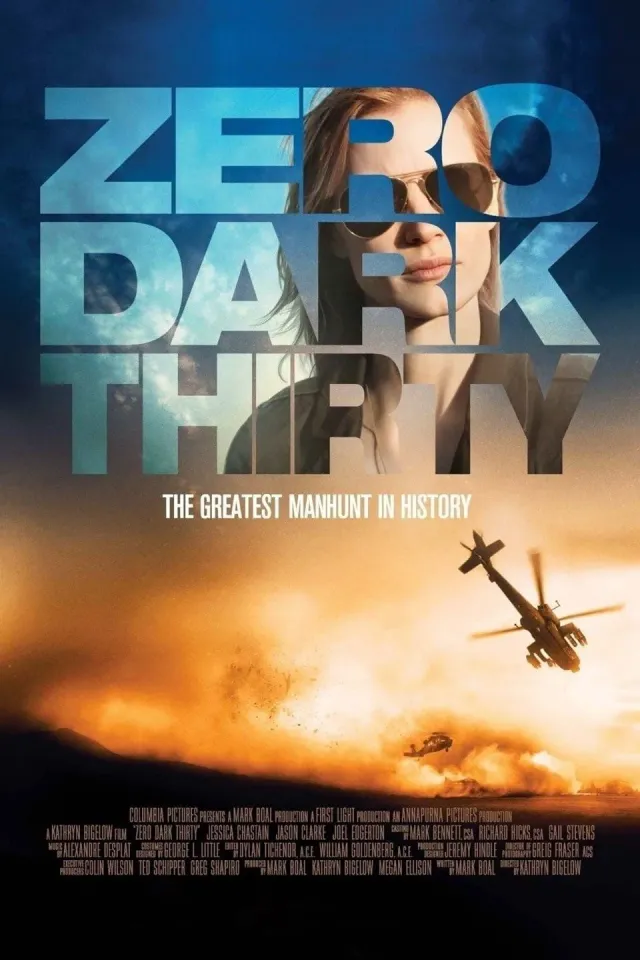
What changes Kill the Messenger: source brings webb evidence, reporting expands into a national story and institutional response threatens his reputation. Zero Dark Thirty: decade-spanning procedural.
Kathryn Bigelow’s drama follows Maya, a CIA analyst assigned to the search for Osama bin Laden after the September 11 attacks. Years of intelligence work, interrogations, failed leads and institutional disagreement gradually narrow the focus to a courier and a compound in Abbottabad. Maya’s certainty grows even when the evidence remains contested and senior officials hesitate to act. The film moves from a drawn-out investigation to the covert raid, presenting a dramatized account of real events whose treatment of torture and intelligence has been widely disputed. The narrative compresses an enormous intelligence apparatus into one determined analyst’s perspective.
Based on recorded story, mood and style. Your preferences can change the order.
Investigation · Political resistance
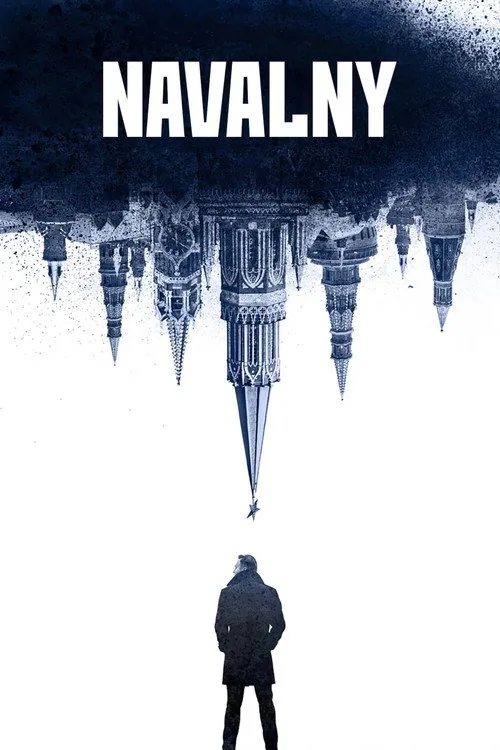
What changes Kill the Messenger: source brings webb evidence, reporting expands into a national story and institutional response threatens his reputation. Navalny: real-time investigative turns and escalating political tension.
Daniel Roher’s documentary follows Russian opposition politician Alexei Navalny after he survives a poisoning in 2020 and recovers in Germany. With his family and a team of investigative journalists, Navalny tries to identify those responsible and trace the operation through a mix of interviews, digital evidence, and direct contact with people connected to the case. The film unfolds as a political documentary thriller, combining an intimate portrait of its subject with the mechanics of an investigation and the risks of returning to public opposition.
Based on recorded story, mood and style. Your preferences can change the order.
Investigation · Political resistance
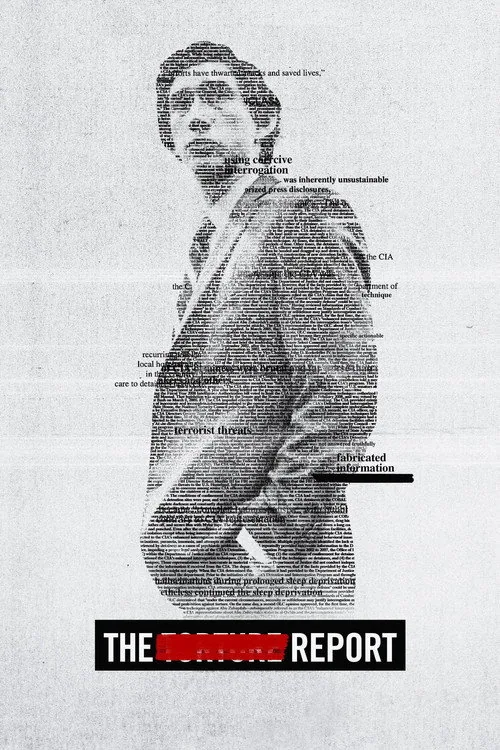
What changes Kill the Messenger: source brings webb evidence, reporting expands into a national story and institutional response threatens his reputation. The Report: document-driven procedure, gradual accumulation of evidence and political release climax.
In 2009, Senate staffer Daniel Jones is asked to review millions of pages of CIA records about the agency's post-9/11 interrogation program. Working with a small team, he documents how officials authorized and described the practices, while facing delays, political pressure, and resistance from the intelligence agency. Senator Dianne Feinstein backs the inquiry, but the report's publication becomes a struggle of its own. The political drama follows the patient work of assembling evidence and making an official record public.
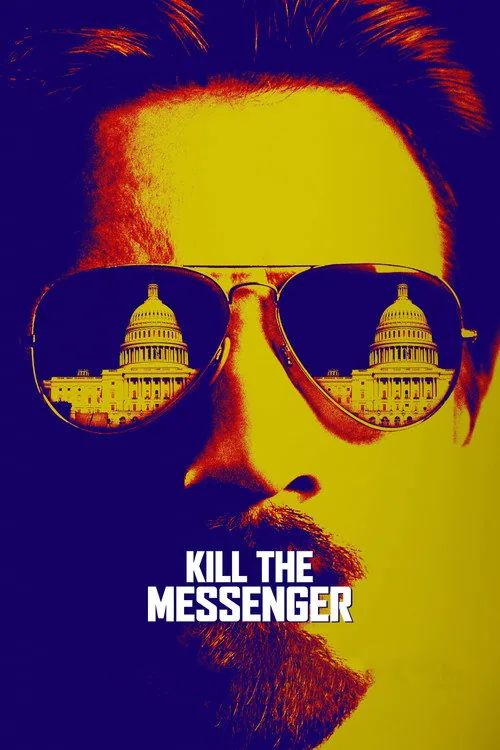
San Jose Mercury News reporter Gary Webb receives documents suggesting that Nicaraguan Contra networks were connected to cocaine sales in the United States. His reporting turns a local story into a national controversy, drawing attention from government officials, editors, and the communities affected by crack cocaine. As Webb tries to verify sources and publish the findings, attacks on his credibility and pressure from his own newsroom intensify. The film follows the personal toll of pursuing a story powerful institutions want contained.
What drives the story
Webb follows documents and sources linking cocaine trafficking to Contra networks, then faces resistance to the story's publication.
The people at its centre
Webb's confidence as an investigative reporter is tested by skeptical editors, political pressure, and the strain on his family.
What it feels like
A fact-based newsroom thriller emphasizes source verification, editorial decisions, and the erosion of a journalist's standing.
Worth knowing
Its stakes arise from reporting on government-linked allegations and media response, not from an undercover crime operation.
journalism and accountabilityinstitutional pressuretruth and credibility
Mood
tense · investigative · disillusioned
Pacing
source brings Webb evidence · reporting expands into a national story · institutional response threatens his reputation
Visual style
1990s newsroom and city locations · restrained investigative-thriller look · documents and interviews drive scenes
Storytelling
reporter investigates Contra-linked drug allegations · documents lead to a controversial series · professional backlash follows publication