2023 · Amit Sharma & Sujoy Ghosh & R. Balki & Konkona Sen Sharma
Runtime: 2h 12mMPA rating: Unknown
Explore films connected to Lust Stories 2 through desire and social convention, marriage and communication, privacy and observation. Choose the qualities you want to carry into your next watch.
What should feel similar?
Find your next favourite
9 films · Closest overall matches
Hide films you’ve seen or don’t want. Saved on this device.
No matches for this combination yet.
Try another option or reset your choices to see more films.
Based on recorded story, mood and style. Your preferences can change the order.
Memory and identity
What changes Lust Stories 2: self-contained short segments, comic and dramatic tonal shifts and thematic echoes across different couples. Certified Copy: measured, dialogue-driven and gradually shifting.
At a book event in Tuscany, writer James Miller meets a French antiques dealer who has brought her son and several copies of his book about authenticity in art. After a strained first exchange, they spend an afternoon driving, walking through town and debating originals, reproductions and intimate relationships. Their conversation gradually takes on the rhythms of a long-established couple, though the film leaves the status of their roles unsettled. The encounter tests whether an experience can gain meaning regardless of its origin.
Based on recorded story, mood and style. Your preferences can change the order.
Memory and identity
What changes Lust Stories 2: self-contained short segments, comic and dramatic tonal shifts and thematic echoes across different couples. The Family Stone: conversational and episodic.
A tightly knit family meets the reserved woman their eldest son plans to marry during a tense holiday visit. The arrival of her sister and the family’s bluntness expose differences that challenge everyone’s idea of acceptance. The dramedy treats family belonging as a messy negotiation shaped by affection, grief and mismatched expectations. A crowded home, overlapping dialogue and an ensemble cast create both comic discomfort and emotional warmth.
Based on recorded story, mood and style. Your preferences can change the order.
Memory and identity
What changes Lust Stories 2: self-contained short segments, comic and dramatic tonal shifts and thematic echoes across different couples. Far from Heaven: deliberate and emotional escalation.
In 1950s Connecticut, a suburban wife discovers that her polished marriage conceals a truth her community is unwilling to accept, while she forms a connection that crosses the era’s racial boundaries. Her husband and their children also face the consequences of a rigid social order. The film uses period melodrama and carefully controlled style to examine desire, respectability and the limits imposed on private life.
Based on recorded story, mood and style. Your preferences can change the order.
What changes Lust Stories 2: self-contained short segments, comic and dramatic tonal shifts and thematic echoes across different couples. The Notebook: measured.
An older man reads a story of a young couple whose summer attachment develops across a sharp difference in class and family expectation. Separation, war and other relationships make their eventual choices less straightforward than the intensity of the first encounter suggests. The framing situation gradually gives the remembered romance another emotional purpose, connecting the promise of enduring devotion with the vulnerability of memory and bodily aging.
Based on recorded story, mood and style. Your preferences can change the order.
Coming of age
What changes Lust Stories 2: self-contained short segments, comic and dramatic tonal shifts and thematic echoes across different couples. Tu Meri Main Tera Main Tera Tu Meri: holiday meeting sparks attraction, relationship develops across travel settings and family conflict tests commitment.
Ray and Rumi begin a romance during an international holiday, drawn together by attraction and a shared sense of possibility. Their relationship grows beyond a carefree vacation, but family expectations and competing ideas about commitment make a future together harder to arrange. The Hindi romantic comedy moves from contemporary travel romance toward an emotional family story, asking whether personal choice can coexist with tradition and responsibility. Its long, musical courtship centers on two young adults learning what love requires once the trip and its temporary freedom are over.
Based on recorded story, mood and style. Your preferences can change the order.
What changes Lust Stories 2: self-contained short segments, comic and dramatic tonal shifts and thematic echoes across different couples. Letters to Juliet: measured and episodic.
An aspiring writer on a neglected romantic holiday answers a decades-old plea for advice and unexpectedly brings its author back to Italy. Searching for the man the older woman once left turns an abstract regret into a sequence of uncertain encounters. The woman's grandson resents the renewed risk while growing closer to the younger stranger encouraging it. The romantic travel story lets one search expose another relationship's unmet expectations, making attention to someone else's past a way of reconsidering the future one has already accepted.
Based on recorded story, mood and style. Your preferences can change the order.
Memory and identity
What changes Lust Stories 2: self-contained short segments, comic and dramatic tonal shifts and thematic echoes across different couples. Diary of a Mad Black Woman: escalating and melodramatic.
A woman is forced out of her home after her husband ends their marriage, leaving her to rebuild with support from family and faith. The story follows her movement from shock and humiliation toward a more self-directed life, while the husband’s choices bring consequences of their own. It combines broad comic turns with melodrama, centering recovery and self-respect rather than treating reconciliation as the only possible ending.
Based on recorded story, mood and style. Your preferences can change the order.
Memory and identity · Coming of age
What changes Lust Stories 2: self-contained short segments, comic and dramatic tonal shifts and thematic echoes across different couples. Guess Who: escalating and dialogue-led.
A young man plans to meet the parents of his fiancée, but the family’s expectations and his own assumptions make their first encounter uncomfortable. The father’s efforts to test the relationship turn the visit into a series of comic confrontations, while the couple tries to maintain their own judgment amid family scrutiny. The remake uses mismatched expectations to examine trust, prejudice and the challenge of welcoming a partner into an established household.
Based on recorded story, mood and style. Your preferences can change the order.
Memory and identity
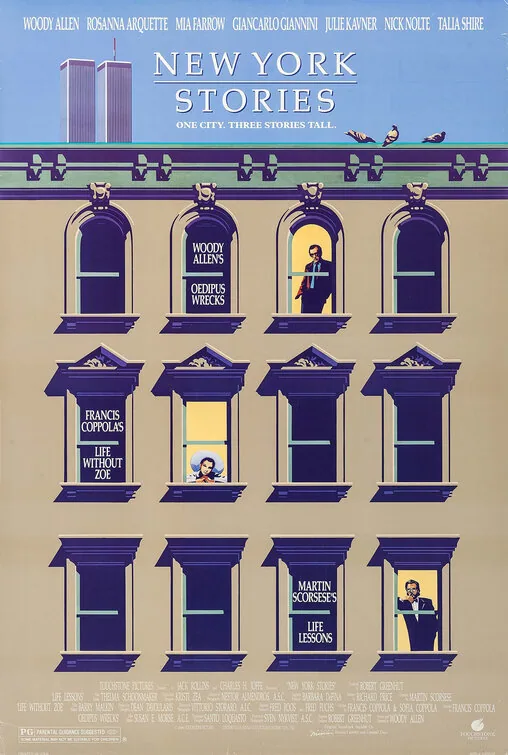
What changes Lust Stories 2: self-contained short segments, comic and dramatic tonal shifts and thematic echoes across different couples. New York Stories: three distinct short narratives place intimate conflicts in one city.
Three New York-set short films explore adults negotiating ambition, family and desire. In Life Lessons, a painter uses a turbulent relationship as fuel for his work; Life Without Zoë centers on a wealthy child navigating her parents' separation; and Oedipus Wrecks follows a man whose overbearing mother becomes the focus of an extraordinary public episode. The anthology varies in tone while remaining rooted in urban relationships.
Four directors tell separate Hindi-language stories about desire, marriage, and the expectations placed on women and couples. An older relative challenges an arranged match to confront sexual compatibility; a woman discovers an uneasy pleasure in watching her maid and husband; another story revisits desire between people who think they know one another; and a family's mourning is disrupted by an unexpected revelation. The anthology uses shifts in tone and setting to consider how private longing collides with social rules, family advice, and assumptions about respectable behavior.
What drives the story
Four unrelated episodes examine how people negotiate sexuality, desire, and intimacy within different relationships and family settings.
The people at its centre
Couples and relatives challenge assumptions about who should guide private choices, with generational advice and unequal power shaping each story.
What it feels like
The anthology shifts among comedy, sensuality, and drama, inviting comparison between its separate approaches to desire and social expectation.
Worth knowing
Each segment stands alone, linked by questions of intimacy and sexuality rather than a shared cast or continuous plot.
desire and social conventionmarriage and communicationprivacy and observation
Mood
playful · provocative · intimate
Pacing
self-contained short segments · comic and dramatic tonal shifts · thematic echoes across different couples
Visual style
varied director-specific visual approaches · contemporary Indian domestic interiors · intimate performance and conversation scenes
Storytelling
four independent stories explore sexual relationships · arranged match tested before marriage · voyeurism and grief unsettle domestic norms