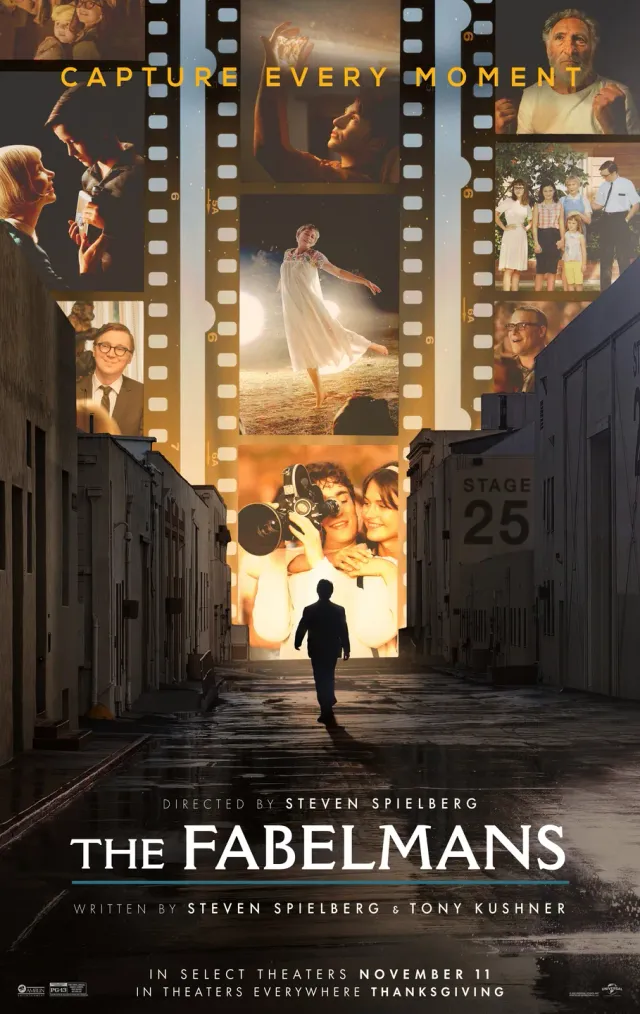
Sammy’s camera shifts from toy to instrument of understanding; filming lets him notice family tensions he is too young to interpret directly.
Why this matches +
These offer a related experience with a meaningful difference in story, tone, or presentation.
An adjacent discovery: a related idea with a different viewing experience.
Genres: Drama / Coming-of-age
Shared film traits
Based on recorded story, mood and style. Your preferences can change the order.
Music and performance
What changes The Fabelmans follows a child whose imagination and family changes shape his developing sense of home.
Young Sammy Fabelman becomes fascinated with filmmaking after seeing a train crash in a movie and recreates it with his toy set and camera. As his family moves from New Jersey to Arizona and later California, the hobby grows into a way to understand what he sees at home. Sammy’s mother Mitzi is an expressive pianist; his father Burt is a practical engineer, and the household’s closeness is strained by changes neither parent can easily explain to their children. Sammy discovers that his camera can preserve details adults would rather avoid, placing him in a painful position between them. The coming-of-age story follows how making films becomes both an artistic calling and a way to process family fracture.
The profile assignment becomes a frame for Lloyd’s own reluctance to discuss his family.
Why this matches +
These offer a related experience with a meaningful difference in story, tone, or presentation.
An adjacent discovery: a related idea with a different viewing experience.
Genres: Biography / Drama
Shared film traits
Based on recorded story, mood and style. Your preferences can change the order.
What changes A Beautiful Day in the Neighborhood centers the supportive influence of a gentle storyteller and performer.
Journalist Lloyd Vogel agrees to profile children’s television host Fred Rogers, expecting a straightforward assignment. Rogers’ attentive questions and patient presence unsettle Lloyd’s cynicism and draw him toward unresolved anger about his father. Inspired by a real friendship, the drama uses the interview process to examine emotional honesty, forgiveness and the difficulty of being present with another person.
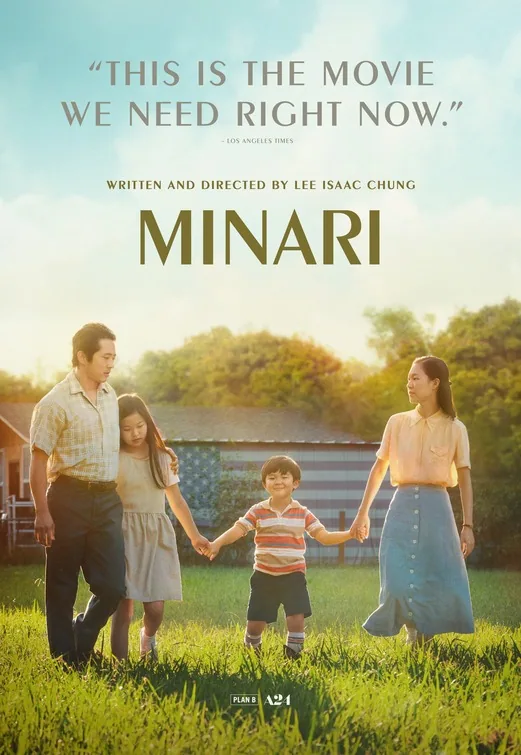
A risky farming venture turns competing ideas of security and success into daily disputes over money, care and where the family should live.
Why this matches +
These offer a related experience with a meaningful difference in story, tone, or presentation.
An adjacent discovery: a related idea with a different viewing experience.
Genres: Drama
Shared film traits
Based on recorded story, mood and style. Your preferences can change the order.
What changes Minari observes a child's experience of family change and an important bond with an older relative.
A Korean immigrant family moves to rural Arkansas, where the father hopes to build a farm supplying vegetables to other Korean households. His confidence in the land creates new strains for a marriage already stretched by insecure work, distance from familiar support and their son's health needs. The arrival of the children's grandmother offers another form of continuity, making the family's effort to put down roots both practical and deeply personal.
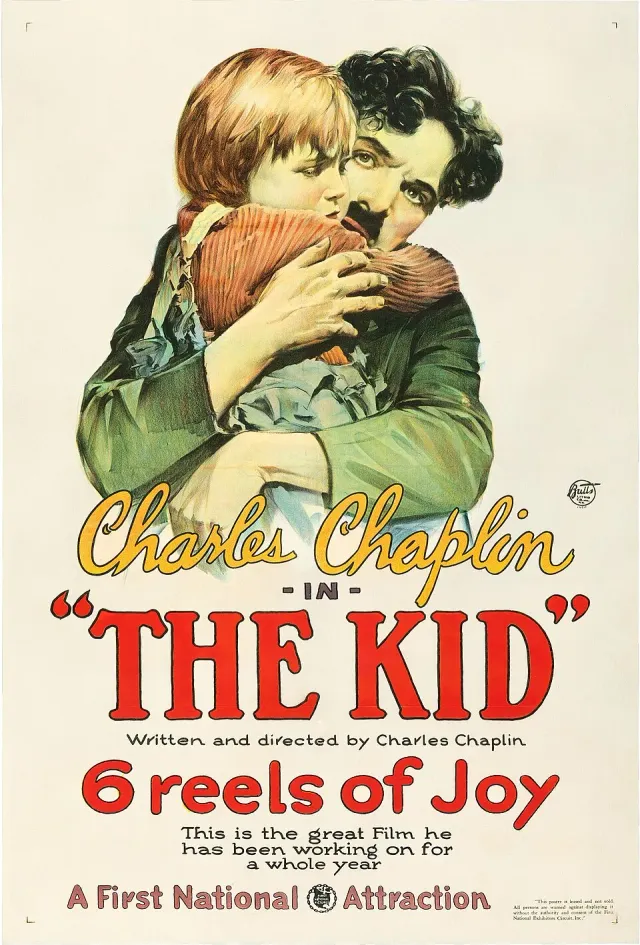
The Tramp’s improvised care becomes a family bond; the authorities’ attempt to place the boy elsewhere turns the comedy into a struggle to reunite them.
Why this matches +
These offer a related experience with a meaningful difference in story, tone, or presentation.
An adjacent discovery: a related idea with a different viewing experience.
Genres: Drama / Comedy
Shared film traits
Based on recorded story, mood and style. Your preferences can change the order.
What changes The Kid follows a vulnerable child forming a protective bond with an unconventional adult.
A young mother leaves her baby in a car with a plea that someone care for him, but thieves steal the vehicle and abandon the child in an alley. The Tramp finds the infant and, after failed attempts to pass him to strangers, decides to raise him. Five years later, the two survive through a small partnership: the boy breaks windows and the Tramp, now posing as a glazier, is paid to repair them. The child’s birth mother has since become successful and is unknowingly drawn back into his life. When officials take the boy from the Tramp, the film’s comic partnership becomes a separation story that tests the attachment both have built.
The search for a reincarnated teacher runs beside Siddhartha’s story, but the parallel strands have different status: one is a contemporary fictional investigation, the other a dramatized religious life.
Why this matches +
These offer a related experience with a meaningful difference in story, tone, or presentation.
An adjacent discovery: a related idea with a different viewing experience.
Genres: Drama
Shared film traits
Based on recorded story, mood and style. Your preferences can change the order.
Coming of age
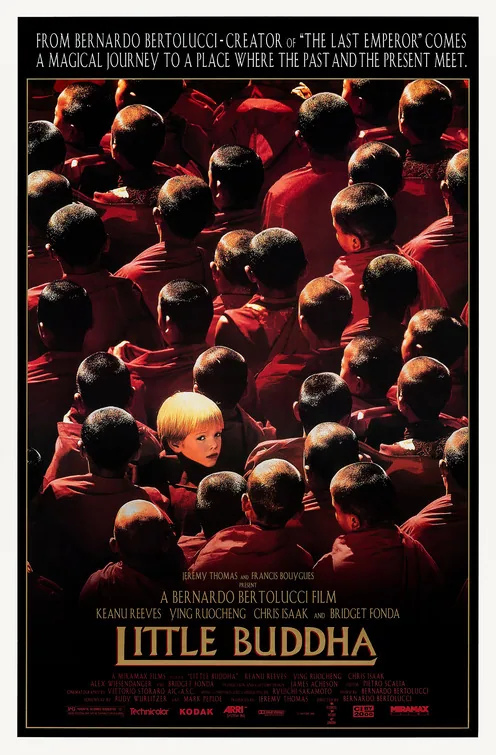
What changes Little Buddha combines a child's journey with stories that introduce another imaginative and spiritual world.
Tibetan Buddhist monks believe a Seattle boy may be the reincarnation of their teacher and visit his family to test that possibility. The film intercuts the modern search with a stylized account of Siddhartha Gautama’s life, turning the child’s ordinary world into a meeting point between faith, family anxiety and religious story. His parents respond differently as the monks explain their tradition, but the film does not establish the search as an objective test that proves rebirth to viewers. Bertolucci’s visual epic is an outsider-made representation of Tibetan Buddhism and combines a fictional family with a sacred narrative. It can invite curiosity about reincarnation while remaining distinct from the diverse practices and actual processes through which communities recognize tulkus.
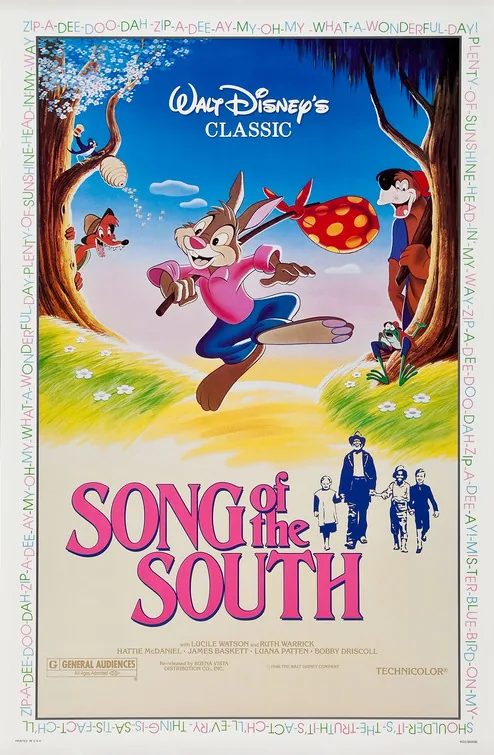
During Reconstruction-era Georgia, young Johnny is distressed when his father returns to Atlanta and his parents live apart. He meets Uncle Remus, whose stories about Br’er Rabbit offer an imaginative escape and shape the boy’s adventures with local children. Johnny’s wish to be close to his father drives him toward a dangerous attempt to follow him, while adults around him try to keep him safe. The live-action story is interwoven with animated folktale sequences. Its nostalgic plantation setting and treatment of Black characters require historical context alongside the film’s family narrative.
What drives the story
The film frames Uncle Remus’s folktales as comfort for Johnny, while its Reconstruction setting presents a deeply contested and idealized picture of plantation life.
The people at its centre
Johnny’s childhood distress over parental separation is the emotional through-line; Uncle Remus becomes a storyteller and caregiver rather than simply a source of comic songs.
What it feels like
Live-action scenes alternate with hand-drawn animation, making the folktales appear as imagined worlds within a historical setting.
Worth knowing
A hybrid family musical with a significant, contested racial history; its presentation of Black life and the postwar plantation myth needs careful context, so it is not an uncomplicated nostalgic family recommendation.