Explore films connected to Spinal Tap II: The End Continues through aging and legacy, friendship and ego, music as unfinished business. Choose the qualities you want to carry into your next watch.
What should feel similar?
Find your next favourite
9 films · Closest overall matches
Hide films you’ve seen or don’t want. Saved on this device.
No matches for this combination yet.
Try another option or reset your choices to see more films.
Based on recorded story, mood and style. Your preferences can change the order.
Music and performance
What changes Spinal Tap II: The End Continues: episodic, performance-led and comic detours. Nirvanna the Band the Show the Movie: improvised feel, escalating and comic set pieces.
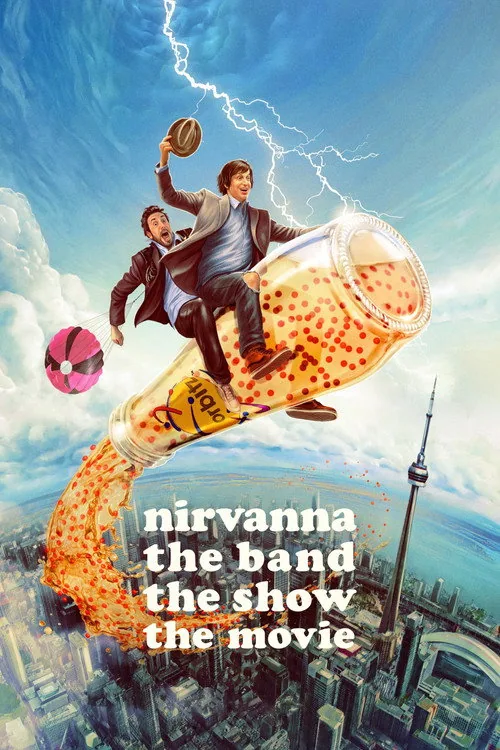
Toronto musicians Matt Johnson and Jay McCarrol have spent years failing to book a show for their band, Nirvanna. A new publicity stunt involving the CN Tower and a Blue Jays game sends their already improbable plans spiraling into a time-bending adventure. Playing heightened versions of themselves, the duo use pranks, staged interventions, and real city locations to blur documentary texture with absurd fiction. The feature extends their long-running comedy about friendship and stubborn creative ambition.
Based on recorded story, mood and style. Your preferences can change the order.
Music and performance
Expect loud and playful, with song driven and episodic pacing.
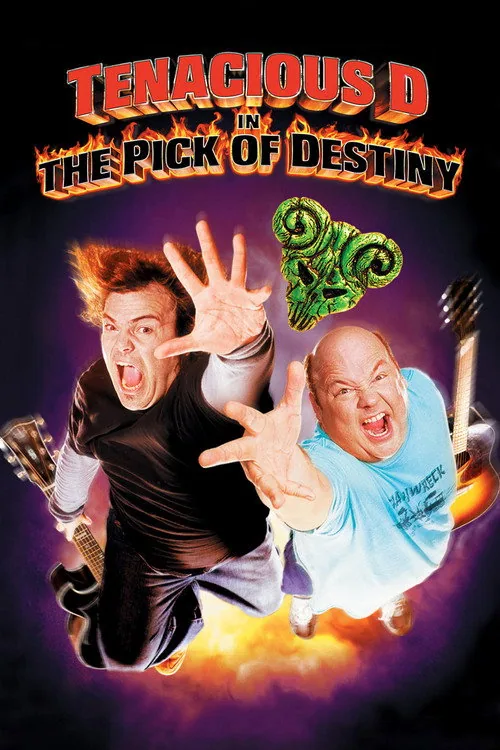
Aspiring rock musicians JB and KG form a band and set out to find the Pick of Destiny, a legendary guitar pick said to grant extraordinary musical power. Their search becomes a comic rock odyssey involving the history of the pick, musical challenges, and a confrontation with Satan himself. The fictionalized duo use songs, friendship, and grandiose performance to turn a small-time ambition into a deliberately ridiculous quest for rock credibility.
Based on recorded story, mood and style. Your preferences can change the order.
Expect quiet and wry, with unhurried and observational pacing.
Jim Jarmusch's triptych follows adult siblings in three separate family encounters: grown children visit a reclusive father in the United States, sisters reunite with their mother in Dublin, and twin siblings return to a Paris apartment after a family tragedy. The stories are connected by distance, habit, and what relatives leave unsaid rather than by a shared plot. Observational pauses and small gestures make ordinary gatherings the film's central dramatic events.
Based on recorded story, mood and style. Your preferences can change the order.
Music and performance
What changes Spinal Tap II: The End Continues: episodic, performance-led and comic detours. Hurry Up Tomorrow: fragmented, concert-driven and hallucinatory.
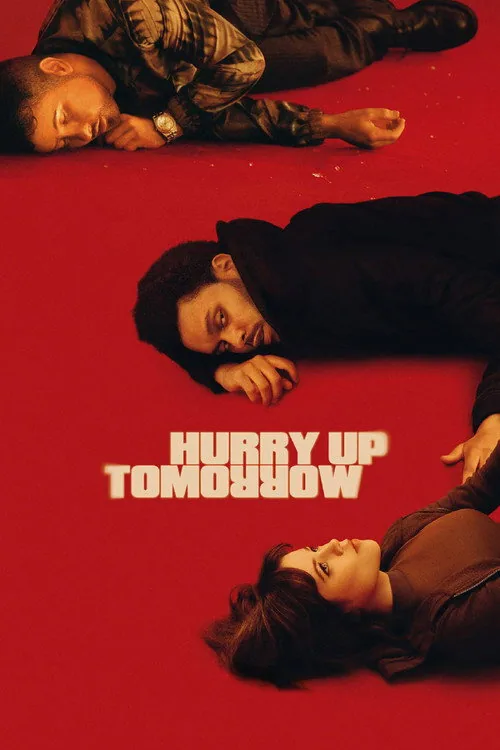
Music star Abel Tesfaye is struggling with depression and a damaged voice as he continues to perform, while a devoted fan named Anima travels toward his concert after a disturbing act at home. After the show collapses, Abel allows her backstage and spends the night with her, setting off a surreal encounter that blurs celebrity access, obsession, and his own unstable perceptions. The psychological drama turns the musician's public persona into a nightmarish inward journey about performance and selfhood.
Based on recorded story, mood and style. Your preferences can change the order.
Expect darkly comic and tender, with road-trip shaped and episodic pacing.
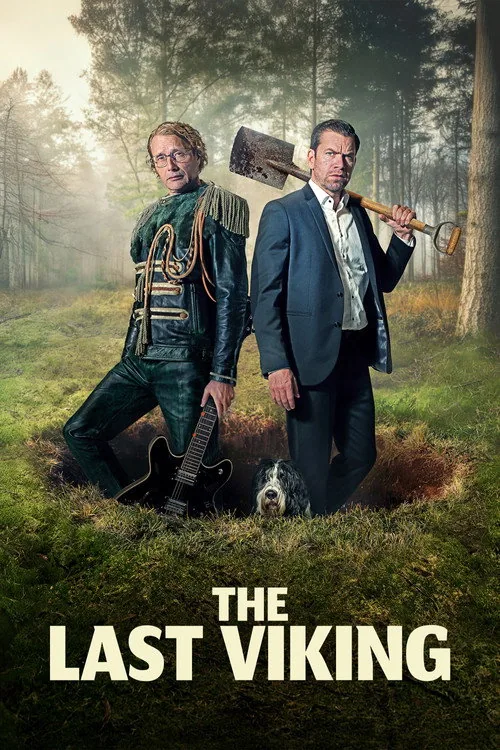
After fifteen years in prison, Anker returns to recover money from a robbery that his brother Manfred buried, only to find that Manfred has lost access to the memory of where it is. Manfred now lives inside an unstable identity shaped by his Beatles fixation, and the brothers’ search brings old wounds into collision with absurd reinvention. Anders Thomas Jensen’s dark comedy uses a criminal errand to explore trauma, family bonds, and the fragile stories people tell about themselves.
Based on recorded story, mood and style. Your preferences can change the order.
Music and performance
Expect buoyant and nostalgic, with episodic and music interludes pacing.
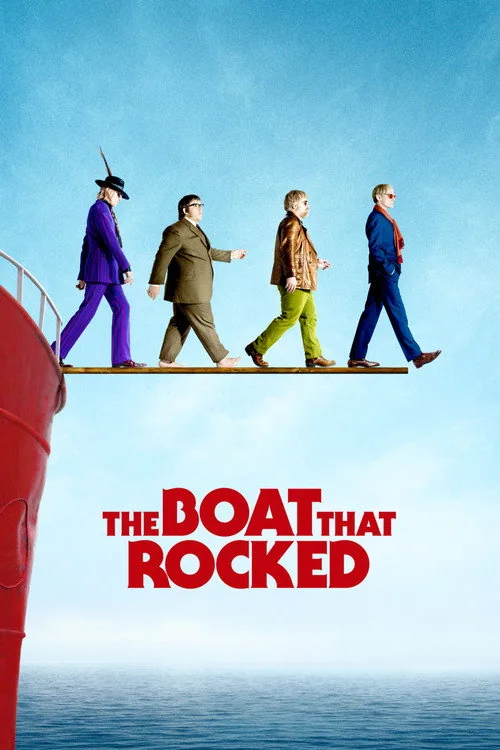
In 1966, a group of DJs broadcasts pop music from a ship anchored in the North Sea, reaching British listeners despite the government's restrictions on commercial radio. Young Carl is sent to live aboard the vessel, where the broadcasters' eccentric routines and rivalries become his education in independence and community. As officials prepare to shut the station down, the ship's crew and audience rally around a music culture that has found a home offshore.
Based on recorded story, mood and style. Your preferences can change the order.
What changes Spinal Tap II: The End Continues: episodic, performance-led and comic detours. Twinless: character-led, revealing and tonally shifting.
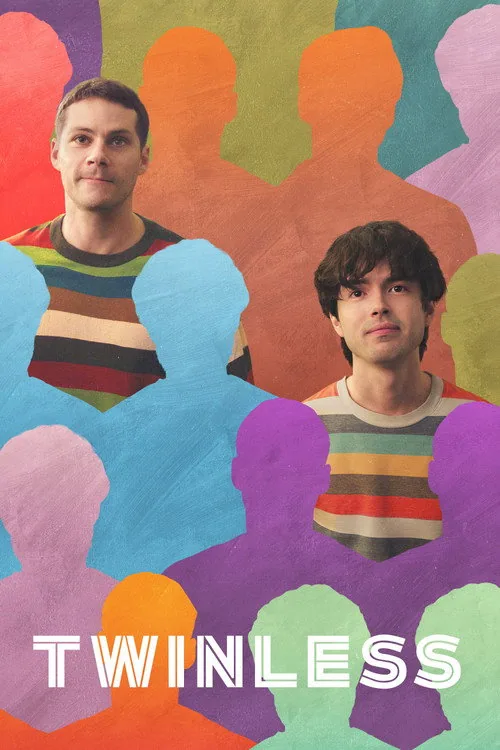
After losing his twin brother, Roman joins a support group for people grieving twins and meets Dennis, whose own loss has left him lonely and guarded. Their bond offers a route through grief, but secrets and conflicting motives complicate the connection. James Sweeney's dark comedy-drama follows two men trying to understand one another while using humor, discomfort, and shifts in perspective to examine how bereavement can reshape identity and the stories people present to others.
Based on recorded story, mood and style. Your preferences can change the order.
What changes Spinal Tap II: The End Continues: episodic, performance-led and comic detours. Sarvam Maya: comic setup, mystery-driven and gentle escalation.
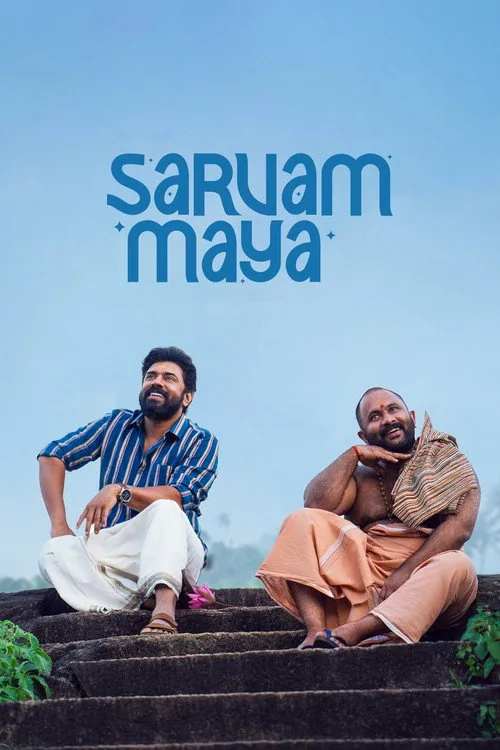
Prabhendu is an aspiring guitarist from a traditional priestly family who has rejected religion and ritual. When a failed visa application and financial pressure send him back to Palakkad, he reluctantly assists his priest cousin, only to encounter a supernatural case that challenges his atheism. Sarvam Maya mixes a ghost story with family comedy and music, setting inherited religious practice against a young man's skepticism and the strange possibility that some experiences resist easy explanation.
Based on recorded story, mood and style. Your preferences can change the order.
Music and performance
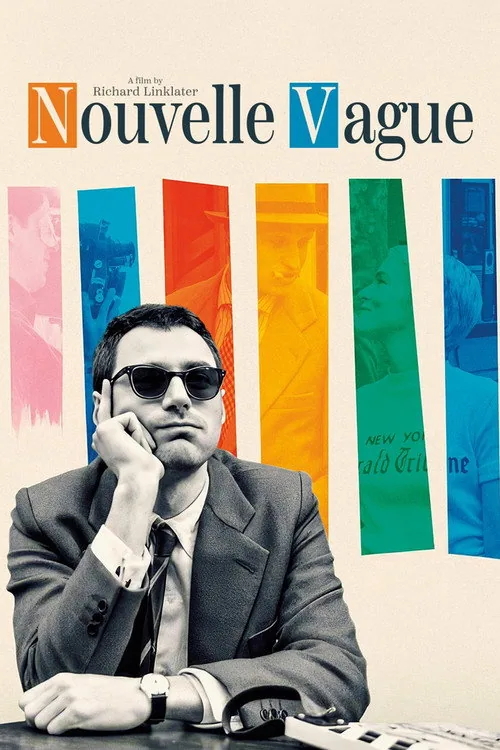
What changes Spinal Tap II: The End Continues is tagged wry and nostalgic; Nouvelle Vague is tagged playful and energetic.
In 1959 Paris, young film critic Jean-Luc Godard decides to become a director after watching colleagues François Truffaut and Claude Chabrol bring new work to the screen. He begins making Breathless with a cast and crew working through improvisation, limited resources, and an unconventional approach to filmmaking. Richard Linklater's black-and-white comedy-drama revisits a landmark creative moment as a lively portrait of artists inventing both a movie and a movement while learning by doing.
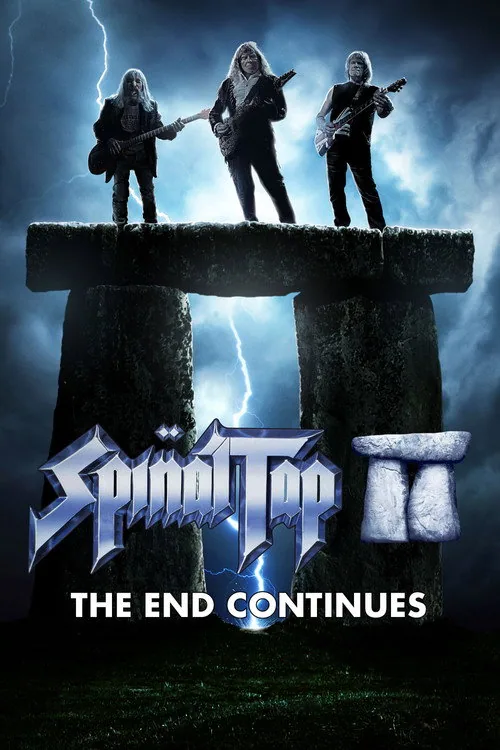
Four decades after the original documentary, filmmaker Marty DiBergi returns to the legendary rock band Spinal Tap as its surviving members prepare for a reunion and final concert. A contract inherited by the former manager's daughter gives the aging musicians a reason to play together again, though their lives have drifted in very different directions. Marty tracks them down and tries to document the comeback, bringing back the band's mockumentary mix of rock history, ego, and comic incompetence.
What drives the story
A contract for one more concert brings an aging band and its documentary filmmaker back together.
The people at its centre
The musicians' old egos and divergent lives make the reunion as much a negotiation as a performance.
What it feels like
The film revisits mockumentary absurdity through backstage scenes, reunion logistics, and rock-star self-importance.
Worth knowing
Its comedy depends on the fictional band's history and documentary framing, not a straight concert film.
aging and legacyfriendship and egomusic as unfinished business
Mood
wry · nostalgic · absurd
Pacing
episodic · performance-led · comic detours
Visual style
rock documentary conventions · rehearsal and backstage spaces · concert spectacle
Storytelling
fictional band reunion · mockumentary frame · final concert