Both centre on concealed violence and family obligation.
Why this matches +
Genres: Crime / Drama
Shared film traits
Based on recorded story, mood and style. Your preferences can change the order.
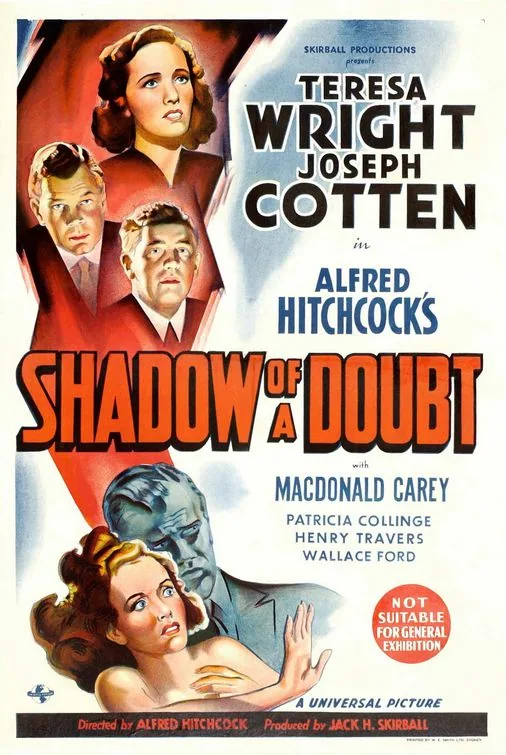
What changes Stoker: slow-burn suspense and sudden violence. Shadow of a Doubt: measured, building and double perspective.
Teenager Charlie Newton is excited when her charming uncle, also named Charlie, arrives in Santa Rosa to visit the family. His lavish gifts and easy manner initially seem to rescue her from small-town boredom, but an engraved ring and two suspicious visitors lead her to suspect that he may be the “Merry Widow” murderer. Her growing knowledge puts her between protecting her family’s image and stopping a man she once admired. The town continues to praise Uncle Charlie after his death, leaving his niece with a truth she chooses not to make public.
Based on recorded story, mood and style. Your preferences can change the order.
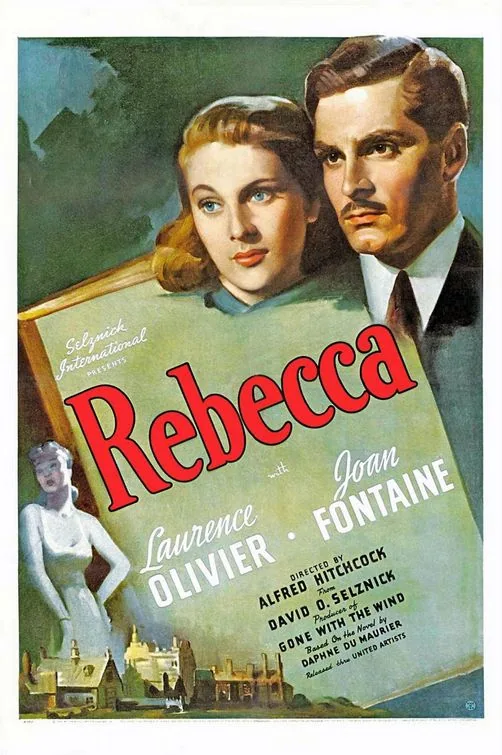
What changes Stoker: slow-burn suspense and sudden violence. Rebecca: slow burn.
A shy young companion marries a wealthy widower and moves into his imposing country house, where reminders of his first wife dominate daily life. The housekeeper's hostility and the new bride's insecurity make an absent woman seem more powerful than anyone living there. As concealed facts about the earlier marriage emerge, romantic reassurance becomes entangled with class authority, jealousy and the moral cost of protecting a household's secrets.
Based on recorded story, mood and style. Your preferences can change the order.
What changes Stoker: slow-burn suspense and sudden violence. Stay: disorienting, recursive and slow-building.
Psychiatrist Sam Foster takes on Henry Letham, a college student who warns that he will die by suicide at midnight on his twenty-first birthday. As Sam investigates Henry’s past and tries to keep him safe, familiar people and places behave in impossible, repeated ways. Sam’s fiancée Lila understands the seriousness of Henry’s crisis, while Sam becomes increasingly uncertain about what he sees. Marc Forster’s thriller builds a puzzle from unstable perception, grief, and the effort to reach someone in danger.
Both centre on concealed violence and compulsive control.
Why this matches +
Genres: Thriller / Drama
Shared film traits
Based on recorded story, mood and style. Your preferences can change the order.
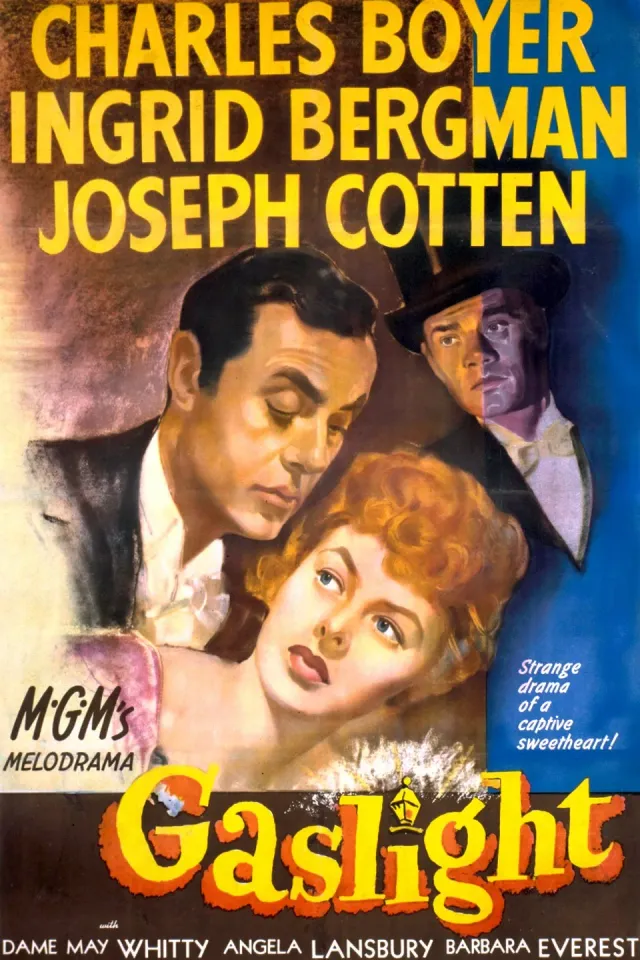
What changes Stoker: slow-burn suspense and sudden violence. Gaslight: slow burn and escalating.
A woman returns to the London house where her aunt was murdered, believing marriage will make the troubled inheritance livable again. Her husband's repeated corrections, staged losses and restrictions gradually make her doubt her own memory. Small disturbances in the house offer evidence that her perceptions may be sound, but isolation makes verification difficult. A separate inquiry into the old crime creates the possibility of corroboration, turning domestic authority itself into the central source of danger.
Based on recorded story, mood and style. Your preferences can change the order.
Coming of age
What changes Stoker: slow-burn suspense and sudden violence. Pather Panchali: measured.
A boy grows up in a poor rural Bengali household with an older sister whose curiosity guides his encounters with the wider world. Their mother's daily effort to keep the family together contrasts with their father's hopes for work and advancement. Small discoveries, family tensions and material insecurity unfold through changing seasons, allowing wonder and loss to emerge from the same ordinary surroundings.
Based on recorded story, mood and style. Your preferences can change the order.
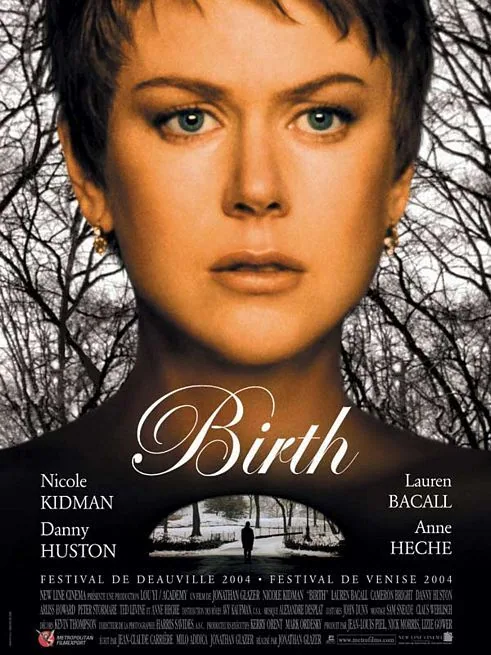
What changes Stoker: slow-burn suspense and sudden violence. Birth: the child’s claims draw the family into a debate about reincarnation and grief and anna’s future with joseph.
Ten years after her husband Sean dies, Anna lives in New York and is preparing to marry Joseph. At a family gathering, a boy who has taken Sean’s name appears and claims to be her reincarnated husband. Anna is unsettled by his knowledge of private details, while Joseph and Sean’s family look for explanations and question what the child’s presence means. As the boy’s claim changes the adults’ relationships, Anna must distinguish grief and longing from the life she is building in the present.
Based on recorded story, mood and style. Your preferences can change the order.
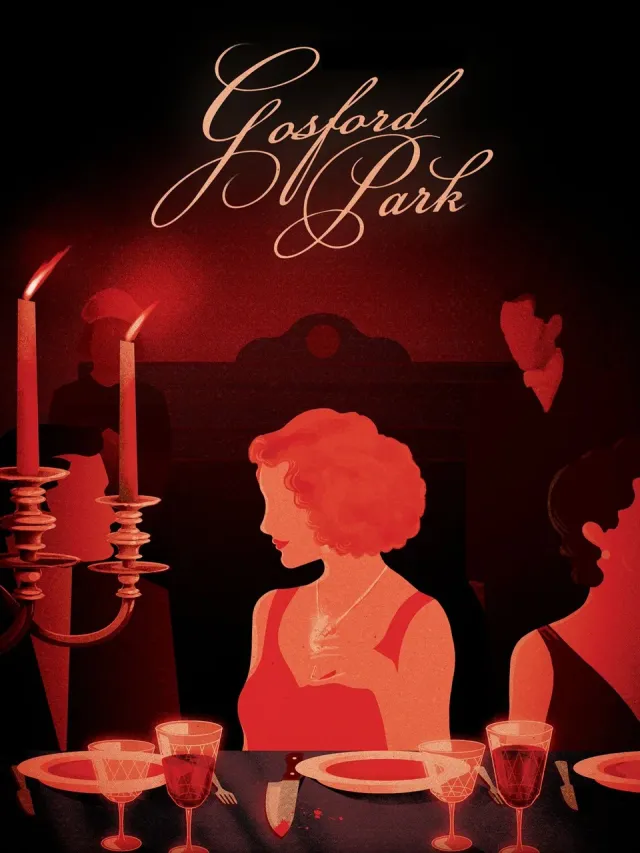
What changes Stoker: slow-burn suspense and sudden violence. Gosford Park: measured and episodic.
Guests and servants gather at an English country estate where a shooting weekend concentrates private debts, dependencies and resentments. A murder appears to offer a conventional mystery, but the people maintaining the household often understand more than the authorities who arrive to solve it. Movement between social levels reveals how service depends on anticipating needs while suppressing one's own history. The ensemble drama makes the explanation of a death part of a wider account of exploitation, with emotional recognition emerging outside the official investigation.
Both share themes of adolescence, plus an unsettling atmosphere.
Why this matches +
Genres: Drama / Mystery
Shared film traits
Based on recorded story, mood and style. Your preferences can change the order.
Coming of age
What changes Stoker: slow-burn suspense and sudden violence. Picnic at Hanging Rock: slow, atmosphere-led and episodic.
At an Australian girls' boarding school in 1900, a Valentine's Day picnic at Hanging Rock ends with several students and a teacher missing. Their disappearance fractures the school's carefully ordered routines and draws in classmates, staff and local residents. As searches and rumors grow, the surviving students struggle with grief and uncertainty, while the landscape offers no clear explanation. The film lets absence reshape the whole community.
Based on recorded story, mood and style. Your preferences can change the order.
Coming of age
What changes Stoker: slow-burn suspense and sudden violence. The Blue Lagoon: episodic coming-of-age and nature-driven passage of time.
After a shipwreck, young cousins Richard and Emmeline are stranded on a South Pacific island with the galley cook Paddy, who keeps them safe and teaches them what he knows. After his death, the children grow up without other adults or reliable knowledge about life beyond the island. Their changing feelings for each other, their discoveries about sexuality and their disagreements about whether to stay or seek rescue become part of a survival romance shaped by isolation. The film’s lush photography makes the island feel idyllic, but that romantic surface also frames adolescent development and a cousin relationship in ways that merit care. It is a stylized adaptation of a novel, not a realistic account of how children mature or learn about consent.
After her father dies in a car crash, eighteen-year-old India Stoker lives with her unsettled mother Evelyn. At the funeral, her previously unknown uncle Charlie arrives and says he will stay with them. India distrusts his charm, especially as people who challenge his story begin disappearing, while Evelyn grows closer to him. A visit from India's great-aunt deepens the family's unease, and India starts to recognize a disturbing affinity between herself and the uncle she barely knows. The isolated family home becomes a setting for a slow, dangerous coming-of-age.
What drives the story
Charlie's unexplained arrival gives India a mystery to test, but each new answer also draws her toward the violence she is trying to understand.
The people at its centre
India's sensory alertness and guarded independence contrast with Evelyn's loneliness, while Charlie manipulates the gap between mother and daughter.
What it feels like
Measured framing, quiet rooms and stylized bursts of violence build a gothic thriller whose tension often comes from observation rather than pursuit.
Worth knowing
A fit for atmospheric psychological thrillers and dark coming-of-age stories; its violence is stylized and its family bonds are deliberately unsettling.