Both share themes of grief and perception, plus an unsettling atmosphere.
Why this matches +
Genres: Thriller / Mystery
Shared film traits
Based on recorded story, mood and style. Your preferences can change the order.
Memory and identity
Expect ominous and unsettling, with slow-building and suspense-led pacing.
A journalist grieving his wife’s death travels to a West Virginia town after discovering an unexplained connection to a series of strange reports. Residents describe visions and warnings, but their accounts resist ordinary verification. The investigation becomes a study of how people search for meaning when personal loss and public danger overlap, keeping supernatural explanations unresolved rather than turning every image into a clue with a simple answer.
Based on recorded story, mood and style. Your preferences can change the order.
Memory and identity
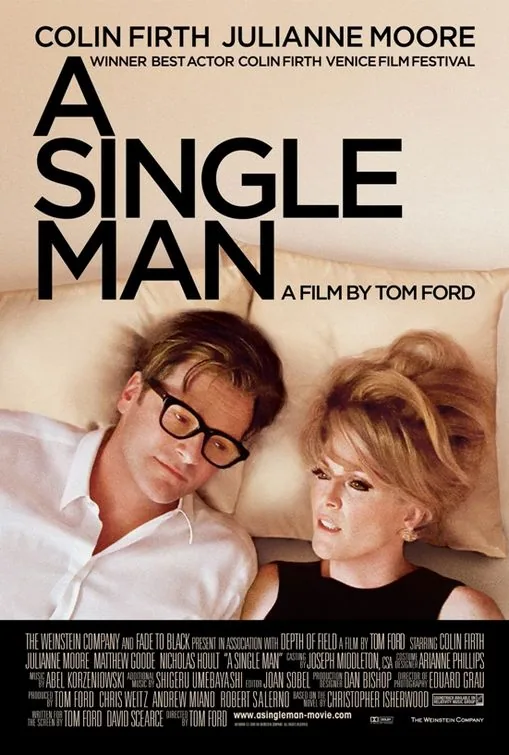
What changes Stay: disorienting, recursive and slow-building. A Single Man: measured and interior.
In 1960s Los Angeles, a British professor is grieving the sudden death of his partner and tries to move through one day while deciding whether he can continue living alone. Encounters with a friend, a student and strangers alter the emotional texture of that day without undoing his loss. The film turns clothing, color and routine into close expressions of grief, loneliness and the fragile possibility of renewed attention.
Based on recorded story, mood and style. Your preferences can change the order.
What changes Stay: disorienting, recursive and slow-building. Under the Silver Lake: episodic investigation, dreamlike detours and open-ended mystery progression.
Sam, an aimless Los Angeles resident, becomes fascinated by his neighbor Sarah shortly before she disappears from her apartment without explanation. He follows symbols and rumors across the city, convinced they connect to a hidden system behind celebrity culture, music, and local power. Each clue opens another layer of possible meaning while making Sam's own reliability less certain. David Robert Mitchell's neo-noir mystery turns urban wandering into a surreal search for patterns, mixing conspiracy, dark comedy, and pop-cultural puzzles without promising that every mystery has a stable solution.
Both share themes of grief, plus a melancholy atmosphere.
Why this matches +
Genres: Comedy / Drama
Shared film traits
Based on recorded story, mood and style. Your preferences can change the order.
Memory and identity
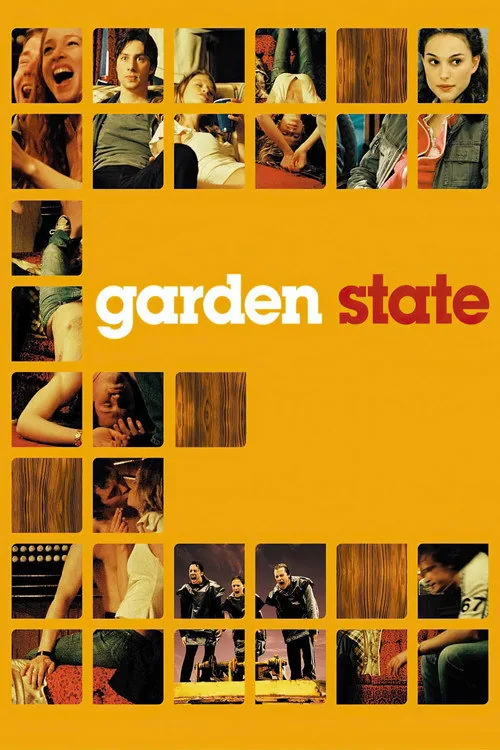
What changes Stay: disorienting, recursive and slow-building. Garden State: loose episodic drift toward personal choice.
Actor Andrew Largeman returns from Los Angeles to New Jersey after his mother’s death and finds that home has preserved friendships and family tensions he had left behind. A doctor’s appointment brings him into contact with Sam, whose impulsive honesty contrasts with his detached habits. Reconnecting with old friends and confronting his psychiatrist father forces Andrew to consider how grief, medication, and long-standing emotional distance have shaped his adult life.
Based on recorded story, mood and style. Your preferences can change the order.
What changes Stay: disorienting, recursive and slow-building. 88 Minutes: deadline-driven and quickening.
A Seattle forensic psychiatrist receives a threat that he will die in eighty-eight minutes, and evidence begins to connect the countdown to an earlier murder case. He moves through a circle of students and colleagues whose motives are difficult to read. The thriller uses the deadline to accelerate suspicion while making the protagonist’s professional confidence part of the mystery: his past judgments may have put the wrong person in danger.
Based on recorded story, mood and style. Your preferences can change the order.
Memory and identity
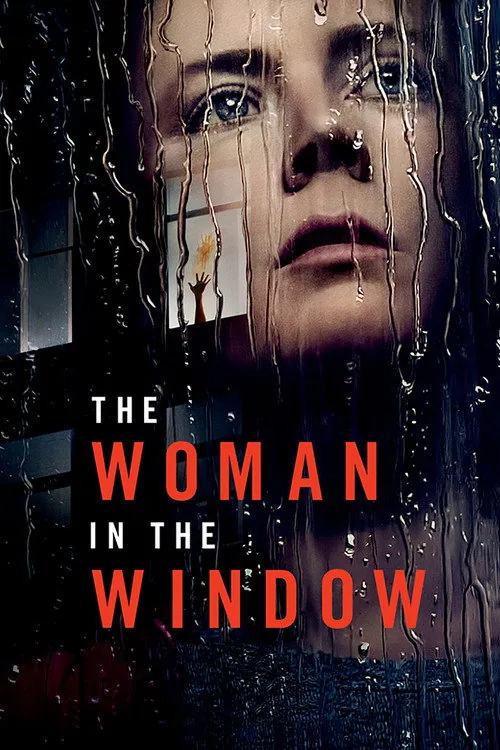
What changes Stay is tagged dreamlike and unsettling; The Woman in the Window is tagged claustrophobic and paranoid.
Child psychologist Anna Fox lives alone in a Manhattan brownstone and watches her neighbors while agoraphobia keeps her indoors. After befriending members of the Russell family, she believes she witnesses a murder across the street, but police and neighbors challenge her account. Medication, alcohol, grief, and isolation make it difficult to distinguish observation from hallucination as Anna investigates. Joe Wright’s adaptation of A. J. Finn’s novel uses the confined home and unreliable perspective to shape a psychological mystery about trauma and trust.
Based on recorded story, mood and style. Your preferences can change the order.
Memory and identity
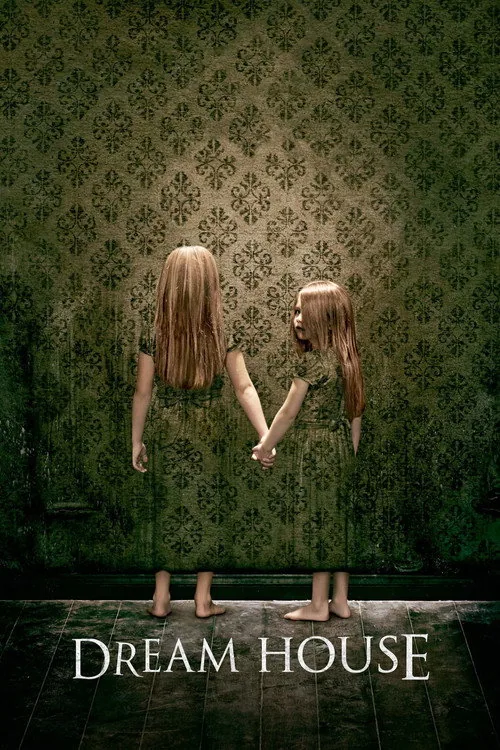
What changes Stay: disorienting, recursive and slow-building. Dream House: gradual unease and reframes information over time.
Publisher Will Atenton leaves his New York job and moves his wife and two daughters to a quiet Connecticut home, hoping to give them a calmer life. He learns that the previous residents were killed there and begins investigating the history as unsettling events disrupt the family’s sense of safety. Jim Sheridan’s psychological thriller places domestic comfort beside suspicion, using a father’s search for answers and the apparent boundaries between memory and present danger to shape its tension. The story is best approached without advance knowledge of its turns.
Based on recorded story, mood and style. Your preferences can change the order.
What changes Stay: disorienting, recursive and slow-building. Anatomy of a Fall: measured.
When writer Samuel is found dead outside the family's remote Alpine home, the police question whether he fell, died by suicide or was killed, and his wife Sandra becomes the main suspect. Their son Daniel, who is visually impaired, is drawn into a trial that turns private conversations, recorded arguments and the couple's uneven marriage into public evidence. Translation and interpretation complicate what witnesses can claim to know. The film lets the courtroom organize competing stories without making one account settle the death, so its suspense comes from judgment under uncertainty as much as from the mystery.
Based on recorded story, mood and style. Your preferences can change the order.
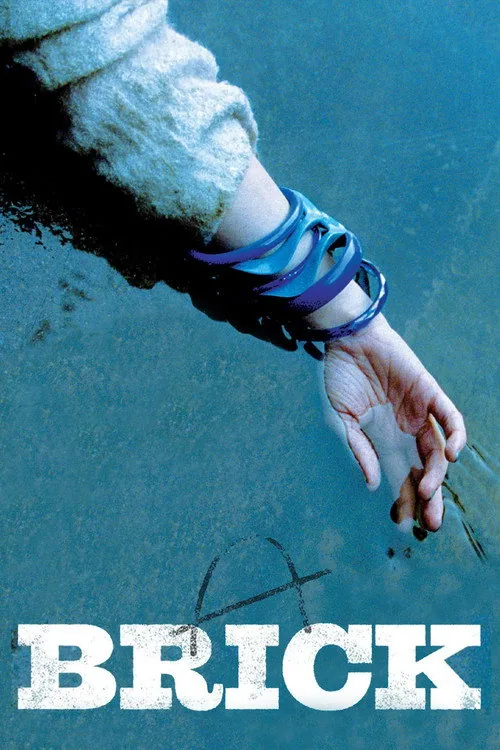
What changes Stay: disorienting, recursive and slow-building. Brick: a cryptic message sends brendan through a student underworld governed by adult crime conventions..
High-school student Brendan Frye receives a desperate call from his former girlfriend Emily, who soon turns up dead. He investigates on his own, following clues through the school’s social circles and a local drug network whose members treat teenage relationships and territory like a hard-boiled crime world. Rian Johnson’s neo-noir uses clipped dialogue and a private-eye structure in a contemporary California setting, keeping Brendan at the center as he tries to learn who arranged Emily’s death and why she reached out to him.
Psychiatrist Sam Foster takes on Henry Letham, a college student who warns that he will die by suicide at midnight on his twenty-first birthday. As Sam investigates Henry’s past and tries to keep him safe, familiar people and places behave in impossible, repeated ways. Sam’s fiancée Lila understands the seriousness of Henry’s crisis, while Sam becomes increasingly uncertain about what he sees. Marc Forster’s thriller builds a puzzle from unstable perception, grief, and the effort to reach someone in danger.
What drives the story
A psychiatrist follows a suicidal patient through a world where details repeat and reality shifts. Sam tries to understand Henry and prevent the promised death.
The people at its centre
Sam’s concern for Henry intersects with Lila’s own history of suicidal crisis, adding urgency to their personal and professional care.
What it feels like
Centers on suicidal ideation and an attempted suicide; includes death and psychological distress.
Worth knowing
Its late recontextualization makes perception and grief central; plot details are deliberately unstable.