Explore films connected to Stonehearst Asylum through authority and treatment, sanity and social power, compassion and confinement. Choose the qualities you want to carry into your next watch.
What should feel similar?
Find your next favourite
9 films · Closest overall matches
Hide films you’ve seen or don’t want. Saved on this device.
No matches for this combination yet.
Try another option or reset your choices to see more films.
Based on recorded story, mood and style. Your preferences can change the order.
Investigation
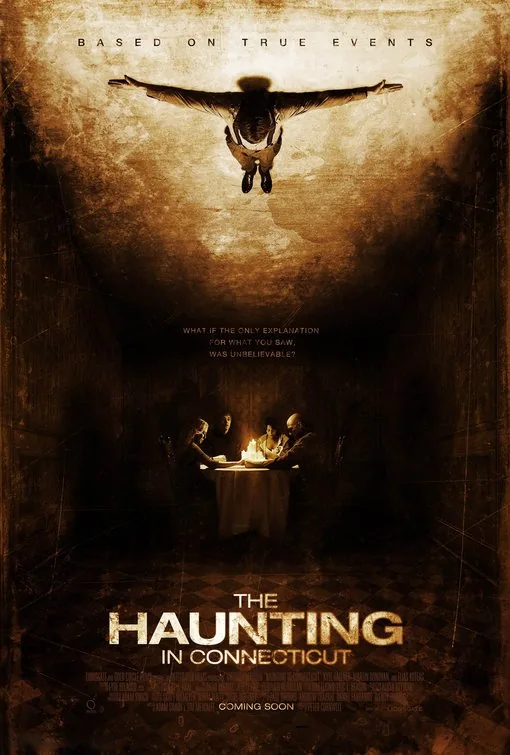
What changes Stonehearst Asylum: period mystery progression, gradual revelation and gothic suspense. The Haunting in Connecticut: escalating and supernatural suspense.
A family moves into a house near a hospital so their ill son can receive treatment, but strange events gradually suggest the building has a disturbing history. As the parents try to protect their children and understand the haunting, the boy’s illness and the family’s fear become part of the emotional pressure. The supernatural horror combines domestic vulnerability with a mystery about the home’s former use and the danger tied to its past.
Based on recorded story, mood and style. Your preferences can change the order.
What changes Stonehearst Asylum: period mystery progression, gradual revelation and gothic suspense. The Cursed: slow-building, ominous, violent bursts and interwoven timelines.
In late nineteenth-century rural France, landowner Seamus Laurent orders a violent attack on a Romani community, setting off a curse that reaches into his family and the surrounding village. Decades later, a surgeon returning from the First World War encounters evidence of a supernatural threat tied to those events. The film combines gothic period drama, folklore and werewolf horror, connecting a community’s violence against outsiders to the fear that follows.
Based on recorded story, mood and style. Your preferences can change the order.
Investigation
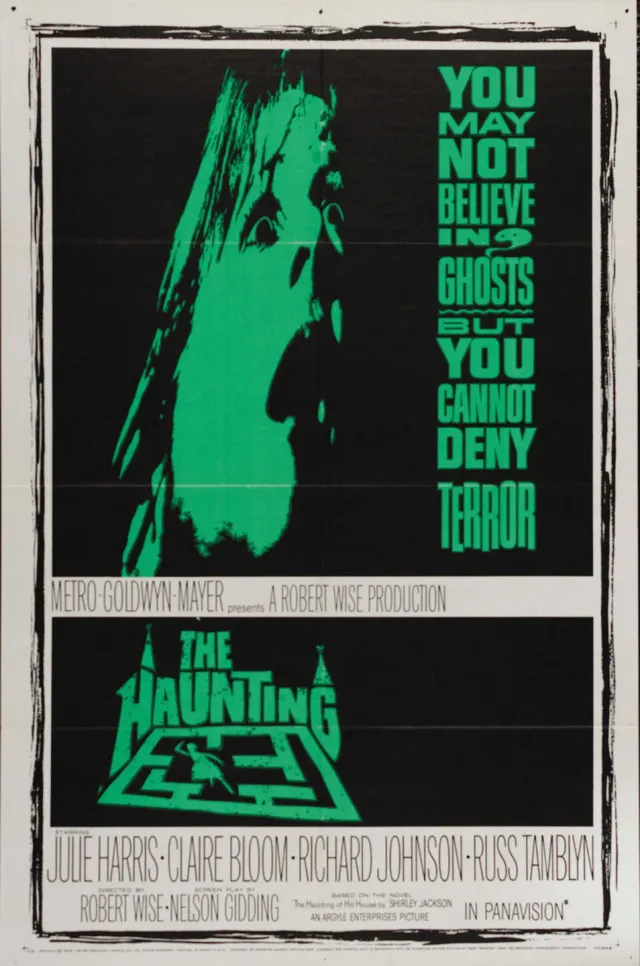
What changes Stonehearst Asylum: period mystery progression, gradual revelation and gothic suspense. The Haunting: slow burn and building tension.
Paranormal researcher Dr. Markway invites a small group to stay at Hill House, a mansion with a disturbing history. Among his guests are Eleanor, a lonely woman eager to escape an oppressive home life, and the perceptive Theo. Strange sounds and tensions within the group make the house’s effects increasingly difficult to separate from Eleanor’s vulnerable state of mind.
Shared characteristics
Genre: Horror
Poster: Film rights holders; original promotional poster documented by Wikipedia · Image source
Based on recorded story, mood and style. Your preferences can change the order.
Investigation
What changes Stonehearst Asylum: period mystery progression, gradual revelation and gothic suspense. The Woman in Black: slow-burn and escalating dread.
Widowed solicitor Arthur Kipps is sent from London to a remote village to settle the papers of a recently deceased woman. The locals refuse to help him and react with alarm when he visits the isolated Eel Marsh House, where he begins seeing a woman dressed in black. Strange sounds and glimpses in the house connect to the village’s repeated deaths of children, while Arthur’s thoughts remain fixed on his young son at home. His investigation of the estate’s records uncovers a bereavement the village has tried to suppress, and the ghost’s grievance turns the assignment into a crisis of fear and responsibility. Arthur’s effort to understand the house’s history also raises the danger to his son, who remains in London.
Based on recorded story, mood and style. Your preferences can change the order.
Investigation
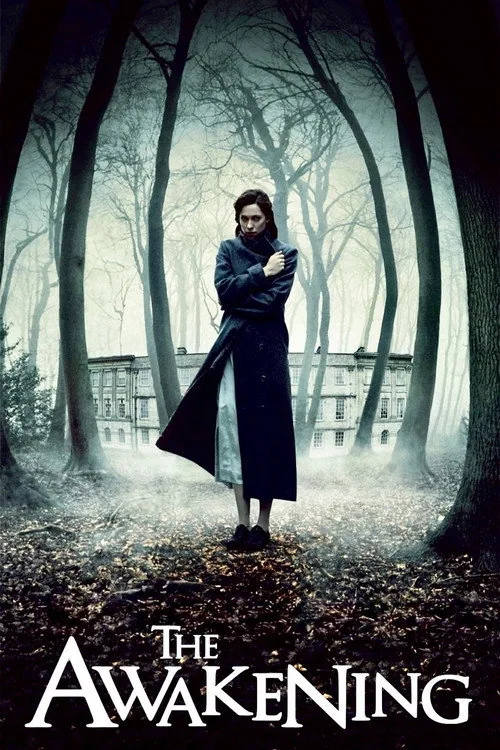
What changes Stonehearst Asylum: period mystery progression, gradual revelation and gothic suspense. The Awakening: investigation-led, gradual supernatural escalation and contained period mystery.
In post-First World War England, skeptical writer Florence Cathcart investigates reports of a ghost at a rural boarding school for boys. A teacher asks her to examine an alleged haunting after a student’s death, and Florence uses observation and practical tests to challenge the stories. Strange events at the school complicate her confidence as memories of the war and personal grief surface. Nick Murphy’s period ghost drama combines a contained mystery with the question of whether every haunting can be explained.
Based on recorded story, mood and style. Your preferences can change the order.
Investigation
What changes Stonehearst Asylum: period mystery progression, gradual revelation and gothic suspense. Tenebrae: clue-driven, deliberate camera movement, escalating reversals and sudden violent interruptions.
American horror novelist Peter Neal arrives in Rome to promote his latest book, Tenebrae, and soon receives a message from someone claiming that his fiction has inspired a killing spree. Police captain Germani, an admirer of Neal’s work, asks him to assist as murders unsettle the people around the writer. The investigation draws in Neal’s assistant Anne, agent Bullmer, television interviewer Cristiano Berti and Neal’s former fiancée Jane. Suspects and evidence keep shifting as the crimes appear to borrow details from the novel. The film turns its clue trail into a study of authorship, obsession and how easily a confident explanation can become another form of deception.
Based on recorded story, mood and style. Your preferences can change the order.
Investigation
What changes Stonehearst Asylum: period mystery progression, gradual revelation and gothic suspense. The Crazies: steady escalation into pursuit.
After strange behavior spreads through Ogden Marsh, Sheriff David Dutton and his deputy uncover a connection between the town’s violence and a contaminated water supply. David tries to protect his doctor wife Judy as residents lose trust in authorities and in one another. The horror remake turns a community’s ordinary routines into a survival problem, using quarantine and flight to explore how fear dismantles social bonds.
Based on recorded story, mood and style. Your preferences can change the order.
Investigation
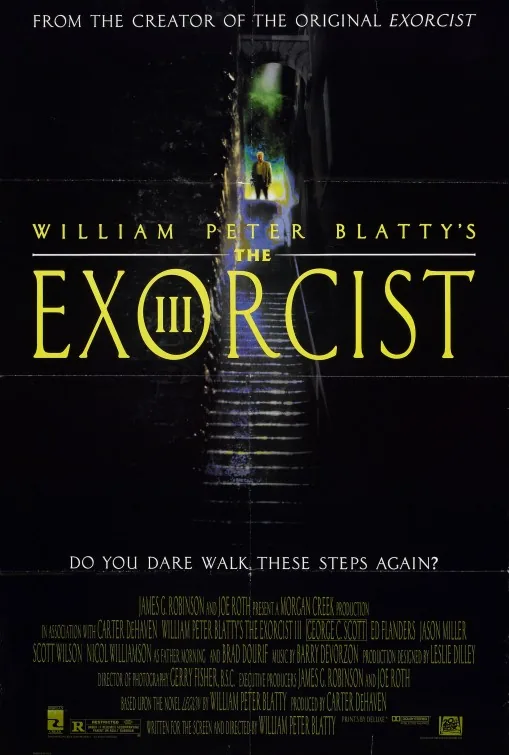
What changes Stonehearst Asylum: period mystery progression, gradual revelation and gothic suspense. The Exorcist III: slow-burn and dialogue-led.
Detective William Kinderman investigates a series of murders that resemble crimes committed by a dead serial killer. His case leads to a psychiatric ward patient whose identity and connection to the past challenge rational explanation. The horror film gives the investigation room to develop through conversations, clues and quiet dread, treating faith and grief as part of the mystery rather than only spectacle.
Based on recorded story, mood and style. Your preferences can change the order.
Investigation
What changes Stonehearst Asylum: period mystery progression, gradual revelation and gothic suspense. The Canal: slow-burn, gradually disorienting and revelation-driven.
Film archivist David lives with his wife Alice and their young son in a house that carries a violent history. While reviewing old footage, David finds evidence that a murder occurred there decades earlier and begins to suspect that the past is affecting his present. After Alice disappears, he struggles to separate investigation, grief and supernatural signs as his family life unravels. The Canal uses archival images and the house’s canal-side setting to make the past feel close and unstable.
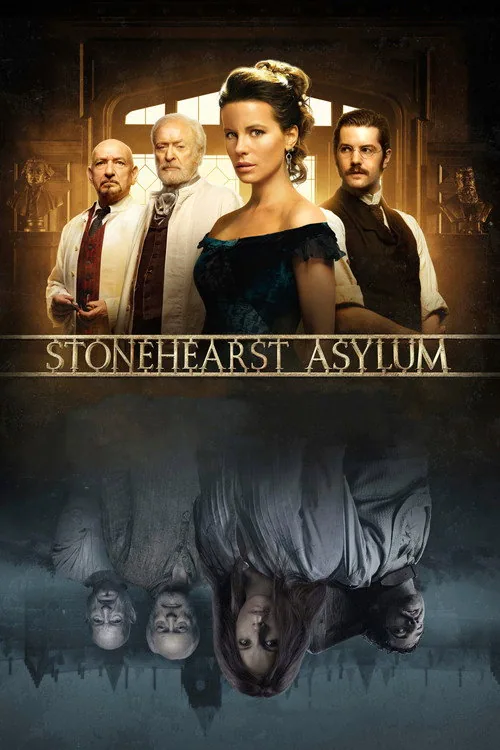
Young doctor Edward Newgate arrives at Stonehearst Asylum in 1899 hoping to learn from its superintendent, Dr. Lamb. The institution's unconventional methods and a patient named Eliza Graves draw him into a mystery about who holds authority inside the walls. As he becomes attached to Eliza and observes the asylum's uneasy order, his assumptions about doctors, patients, and treatment begin to shift. Inspired by Edgar Allan Poe's story, the period thriller uses Gothic interiors and reversals of power to create a tale about institutional control and the instability of sanity.
What drives the story
Newgate's residency becomes an inquiry into the asylum's real order as he tries to understand Lamb and protect Eliza.
The people at its centre
The doctor, superintendent, and patient each challenge the labels assigned to them, shifting who seems credible and in control.
What it feels like
Period atmosphere and Gothic reversals turn a closed institution into a contained mystery with romantic tension.
Worth knowing
Its asylum is a stylized Gothic setting for a twist-driven story, not a clinical account of psychiatric care.
authority and treatmentsanity and social powercompassion and confinement
Mood
gothic · mysterious · uneasy
Pacing
period mystery progression · gradual revelation · gothic suspense
Visual style
gothic asylum interiors · candlelit period detail · dark romantic compositions
Storytelling
young doctor enters remote asylum · patient and superintendent complicate power roles · romance grows within institutional mystery