Four independent plots move toward crises at different speeds; the modern family’s threatened execution becomes the suspenseful anchor, while Babylon’s fall and the religious persecutions widen the historical scale without merging their causes.
Why this matches +
These offer a related experience with a meaningful difference in story, tone, or presentation.
An adjacent discovery: a related idea with a different viewing experience.
Genres: Drama / History
Shared film traits
Based on recorded story, mood and style. Your preferences can change the order.
Both directed by D. W. Griffith.
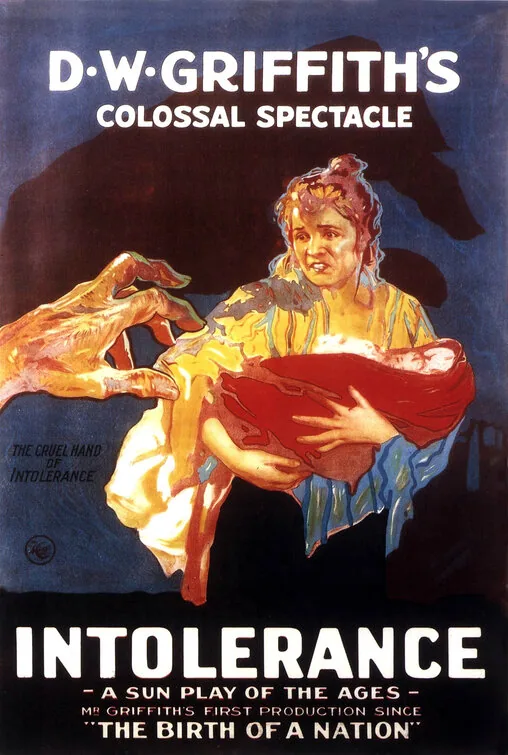
What changes Another Griffith epic connects intimate stories to large historical conflicts, using ambitious crosscutting to make a political argument.
D. W. Griffith intercuts four stories of threatened love and political power: a modern American family endangered by moral reform, Babylon under siege, the persecution of Jesus and the massacre of French Protestants. The strands do not share characters or a single chain of cause and effect; parallel editing makes them into a historical argument about recurring intolerance. The modern rescue plot and the ancient spectacles reach different kinds of closure, so the montage’s emotional unity should not be mistaken for identical outcomes. Its technical ambition is inseparable from the 1915 controversy around Griffith’s racist The Birth of a Nation: the later film’s universal language neither names all of that earlier harm nor amounts to a retraction.
A changing social order exposes a protagonist's capacity for survival while intensifying her habit of treating intimacy and security as resources to be secured.
Why this matches +
These offer a related experience with a meaningful difference in story, tone, or presentation.
An adjacent discovery: a related idea with a different viewing experience.
Genres: Drama / Romance
Shared film traits
Based on recorded story, mood and style. Your preferences can change the order.
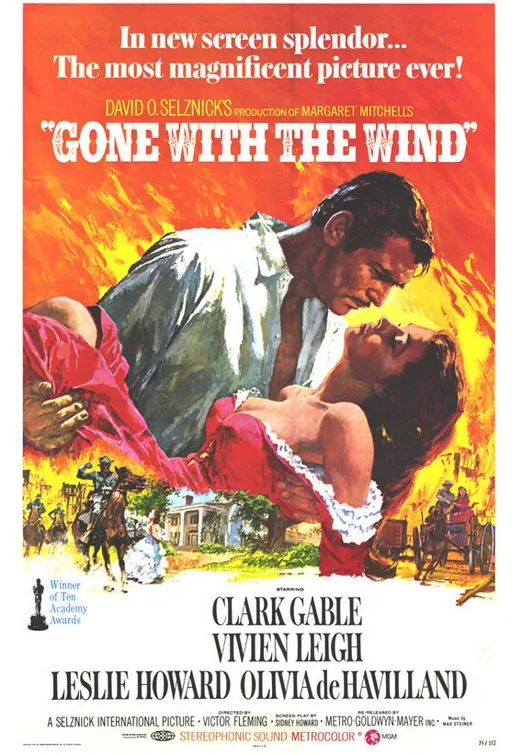
What changes A Civil War-era romantic epic centers white Southern families and presents a nostalgic perspective that requires scrutiny.
A privileged young woman on a Georgia plantation pursues an attachment to a man whose commitments lie elsewhere as the American Civil War destroys the material security of her household. Surviving loss makes property and economic control increasingly urgent, while a second man's attraction offers possibilities she struggles to value beyond immediate need. Her effort to recover a familiar world is presented through a romanticised white Southern viewpoint that leaves the people sustaining that world without equal narrative authority.
Knight’s effort to resist Confederate authority expands into a struggle over community, slavery, and the postwar meaning of freedom.
Why this matches +
These offer a related experience with a meaningful difference in story, tone, or presentation.
An adjacent discovery: a related idea with a different viewing experience.
Genres: Drama / War
Shared film traits
Based on recorded story, mood and style. Your preferences can change the order.
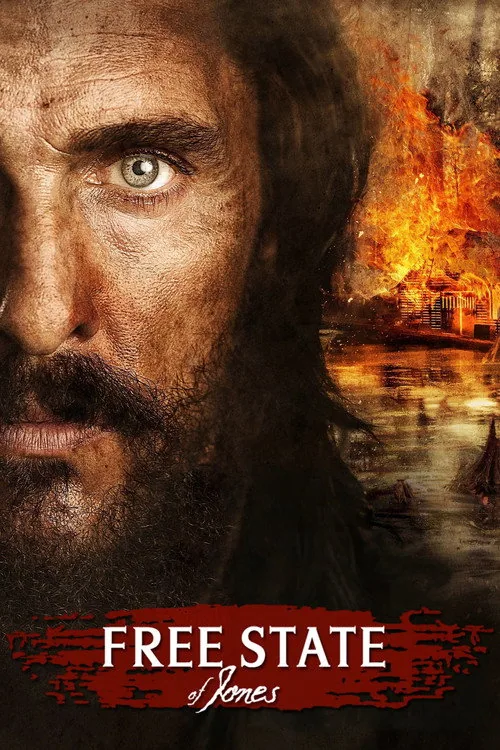
What changes A Civil War and Reconstruction story examines racial hierarchy and resistance from a very different political perspective.
During the American Civil War, Mississippi farmer Newt Knight deserts the Confederate Army and organizes other deserters and local enslaved people into an armed resistance in Jones County. Their uprising challenges Confederate authority and the social order that surrounds them, while the film also follows the struggle over civil rights and political memory after the war. Gary Ross’s historical drama blends a wartime rebellion with a later legal story, presenting a dramatized portrait of a little-known Southern Unionist movement.
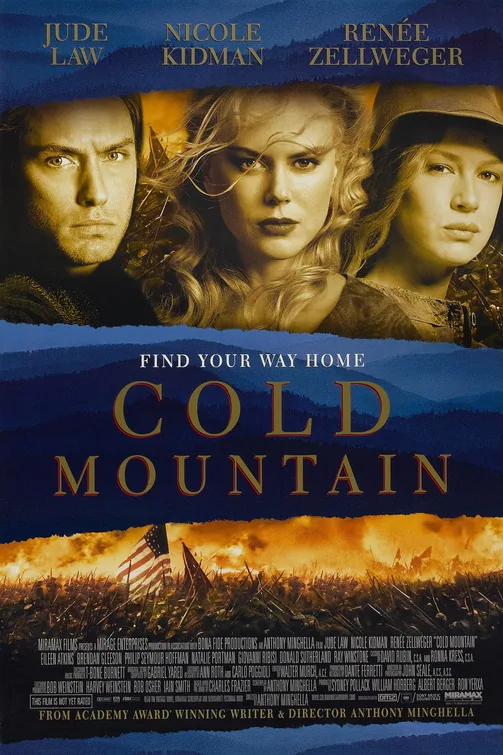
Two separated people struggle toward survival and possible reunion, one through a dangerous homeward journey and the other through practical work on a failing farm.
Why this matches +
These offer a related experience with a meaningful difference in story, tone, or presentation.
An adjacent discovery: a related idea with a different viewing experience.
Genres: War / Drama
Shared film traits
Based on recorded story, mood and style. Your preferences can change the order.
What changes A Civil War drama follows family separation and romance as military conflict transforms life in the South.
As the American Civil War nears its end, wounded Confederate soldier Inman deserts and tries to walk home to Ada, who has learned to keep her farm alive with Ruby's help. Their parallel journeys bring survival, care and violence into focus, but the film's intimate antiwar romance does not supply an even-handed account of the conflict or fully reckon with slavery's political foundation. Ada's labor is as important to the story as Inman's return. Historical context should remain visible beneath the promise of reunion.
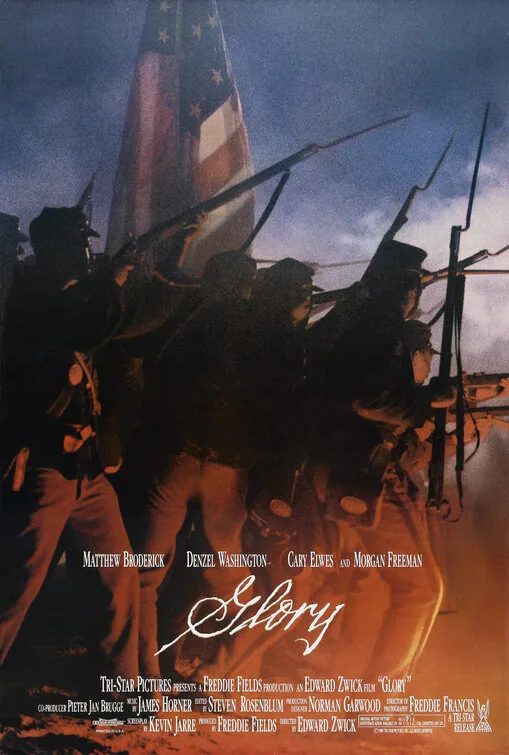
A regiment fights for the right to serve and be recognized as soldiers while the Union military withholds equal authority and resources. The regiment’s right to fight and its access to equal treatment are separate struggles.
Why this matches +
These offer a related experience with a meaningful difference in story, tone, or presentation.
An adjacent discovery: a related idea with a different viewing experience.
Genres: War / Drama
Shared film traits
Based on recorded story, mood and style. Your preferences can change the order.
What changes A Civil War epic follows a military unit while confronting slavery and racial inequality, offering a contrasting historical perspective.
Robert Gould Shaw accepts command of the 54th Massachusetts, a Black regiment formed during the Civil War, and confronts unequal supplies, prejudice and the limits imposed on its soldiers. The men’s varied reasons for enlisting and their efforts to establish the regiment’s standing become central to the story, not merely preparation for the final assault. The film’s emotional viewpoint still rests heavily with a white officer, and several Black characters are fictional composites. The National Park Service’s account of the 54th helps distinguish the regiment’s history from the drama’s choices, especially when remembering courage without letting recognition eclipse institutional racism.
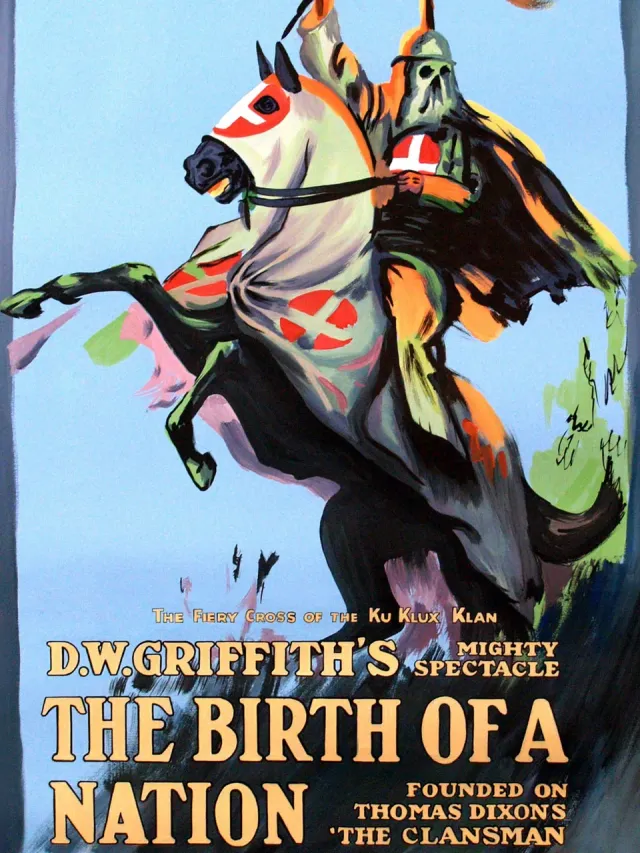
The film follows the Stonemans of the North and the Camerons of the South, whose relationships are disrupted when the Civil War sends their young men into opposing armies. Battle, imprisonment, Lincoln's assassination and Reconstruction turn family romance into a partisan national melodrama. In its second half, the film portrays the Ku Klux Klan as a heroic force restoring order, while Black characters are reduced to racist caricatures. Its account of Reconstruction is a white-supremacist fiction, not a reliable history of the period.
What drives the story
The parallel family story converts Civil War and Reconstruction into a single melodramatic conflict; the Klan's rise is presented as the resolution the film wants audiences to welcome.
The people at its centre
Ben Cameron's romance with Elsie Stoneman and Phil Stoneman's bond with Margaret bridge the sectional divide, but Black characters are denied comparable interiority and are cast through racist stereotypes.
What it feels like
Rapid crosscutting, large battle scenes and intimate close-ups create an epic scale for a long silent feature, while its racial ideology remains disturbing and central to the experience.
Worth knowing
Consider it as a technically influential silent epic whose narrative endorses white supremacy; do not use its stylized Reconstruction plot as a substitute for historical accounts or Black-centered cinema.
Racialized mythFamily conflictPolitical power
Mood
Monumental · Melodramatic · Inflammatory
Pacing
Interwoven family histories · Escalating historical melodrama