Based on recorded story, mood and style. Your preferences can change the order.
What changes The Choral is tagged stirring and bittersweet; Sing Sing is tagged empathetic and grounded.
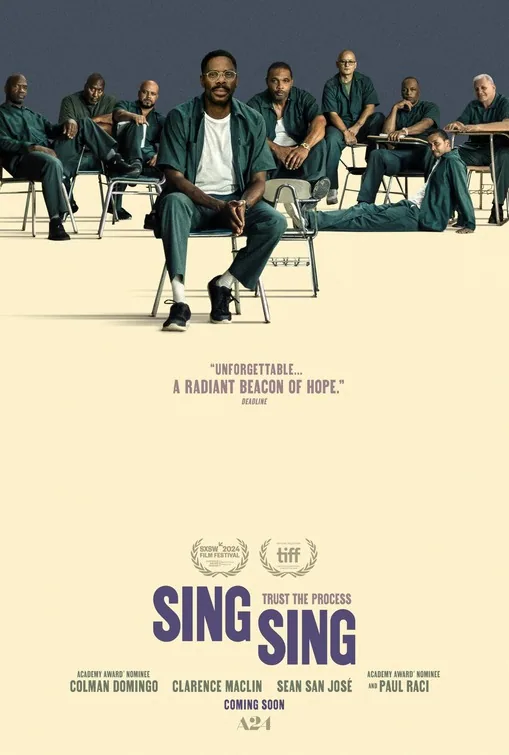
At Sing Sing Correctional Facility, Divine G finds purpose in a theater program where incarcerated men rehearse and perform plays. When a guarded newcomer joins, the ensemble considers its next production while negotiating trust, conflict and prison life. Rehearsal gives the men space to imagine beyond their circumstances, but does not erase those circumstances; their work connects artistic expression with friendship, rehabilitation and the difficult prospect of life after release.
Based on recorded story, mood and style. Your preferences can change the order.
War and civilian life
What changes The Choral: patient, rehearsal-driven and emotionally building. Joyeux Noël: measured.
Soldiers facing one another across a First World War front hear Christmas music cross the space their orders define as a killing ground. A temporary ceasefire allows meetings, burial and recognition of lives that patriotic rhetoric has made abstract. Keeping the encounter possible soon conflicts with the authorities' need to restore disciplined hostility. The multilingual ensemble drama makes fellowship a brief act of disobedience rather than proof that the war has ended, preserving the costs of discovering a common humanity that the institution cannot readily accommodate.
Based on recorded story, mood and style. Your preferences can change the order.
What changes The Choral: patient, rehearsal-driven and emotionally building. August Rush: building and musical.
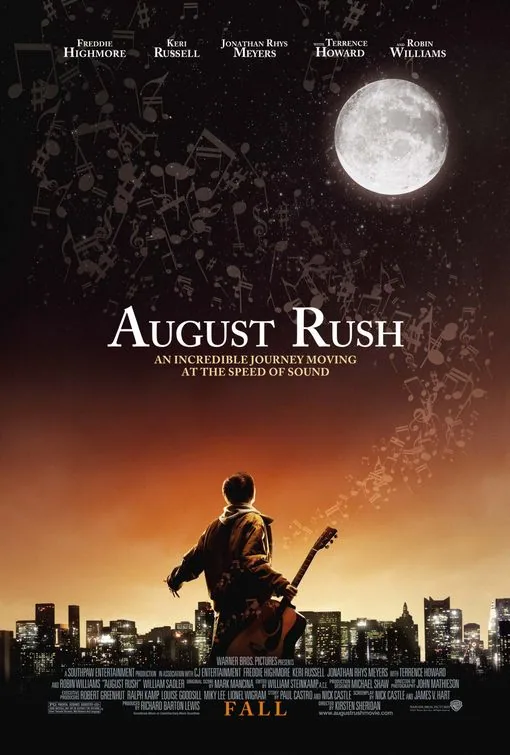
A gifted young musician grows up in an institution and believes that music may help him find the parents he has never known. His path brings him to New York, where a street performer and a music teacher shape his development. The family drama links several musical lives through performance, coincidence and the hope that a shared language can overcome separation.
Both share themes of war, plus a reflective atmosphere.
Why this matches +
Genres: Drama / History
Shared film traits
Based on recorded story, mood and style. Your preferences can change the order.
War and civilian life · Escape and pursuit
What changes The Choral: patient, rehearsal-driven and emotionally building. One Life: interwoven timelines, steadily building and reflective.
In 1938, London stockbroker Nicholas Winton visits Prague and encounters refugee families facing the threat of Nazi persecution. He helps organize a rescue effort to bring children to safety in Britain, while the film also follows Winton decades later as he reflects on those he could not save. The dual-time structure connects a practical act of coordination with the burden of memory, asking how one person understands responsibility after history has moved on.
Both share themes of war, plus a bittersweet atmosphere.
Why this matches +
Genres: Drama / Historical drama
Shared film traits
Based on recorded story, mood and style. Your preferences can change the order.
War and civilian life
Expect quiet and austere, with patient and seasonal pacing.
In the final winter of the Second World War, a Sicilian soldier arrives in the alpine village of Vermiglio and is taken in by a local family. His presence changes the lives of the household's daughters, especially Lucia, and draws private desires into the rhythms of village life. Maura Delpero observes the family across seasons as war, religion, work and social expectations shape what each generation can say aloud and what futures remain possible.
Based on recorded story, mood and style. Your preferences can change the order.
What changes The Choral: patient, rehearsal-driven and emotionally building. Sound of Metal: measured.
A metal drummer touring with his partner rapidly loses his hearing and is persuaded to join a residential Deaf community. The interruption threatens a life structured around music, intimacy and the discipline of recovery from addiction. While learning new ways to communicate, he remains preoccupied with restoring his former hearing and relationship, creating a conflict between participating in the life available to him and pursuing an expensive return to the one he remembers.
Based on recorded story, mood and style. Your preferences can change the order.
What changes The Choral: patient, rehearsal-driven and emotionally building. The History of Sound: measured, episodic and reflective.
In the early twentieth century, music students Lionel and David travel through rural New England to record folk songs before the people who perform them disappear. Their work brings them into close contact with communities and with each other, beginning a relationship shaped by music, distance and historical change. Oliver Hermanus adapts Ben Shattuck's story as a romance about what can be preserved through sound and what remains private.
Based on recorded story, mood and style. Your preferences can change the order.
What changes The Choral: patient, rehearsal-driven and emotionally building. Ghostlight: measured, rehearsal-based and emotionally cumulative.
Dan, a construction worker coping with personal strain, unexpectedly joins a community theater production of Romeo and Juliet. The amateur cast and rehearsals draw him into a world of performance that gradually intersects with his family's unresolved grief. As the play's language gives shape to feelings that are difficult to discuss directly, the drama moves between ordinary working life, domestic tension and the fragile community built around a production.
Based on recorded story, mood and style. Your preferences can change the order.
What changes The Choral: patient, rehearsal-driven and emotionally building. Drumline: training-to-performance.
A gifted drummer arrives at an Atlanta university and joins its celebrated marching band, where raw talent does not immediately translate into belonging. Rivalries, strict rehearsal and the demands of ensemble performance force him to reconsider what leadership means. The film places individual virtuosity inside a collective tradition, using musical competition to tell a coming-of-age story about discipline, respect and learning to play for more than oneself.
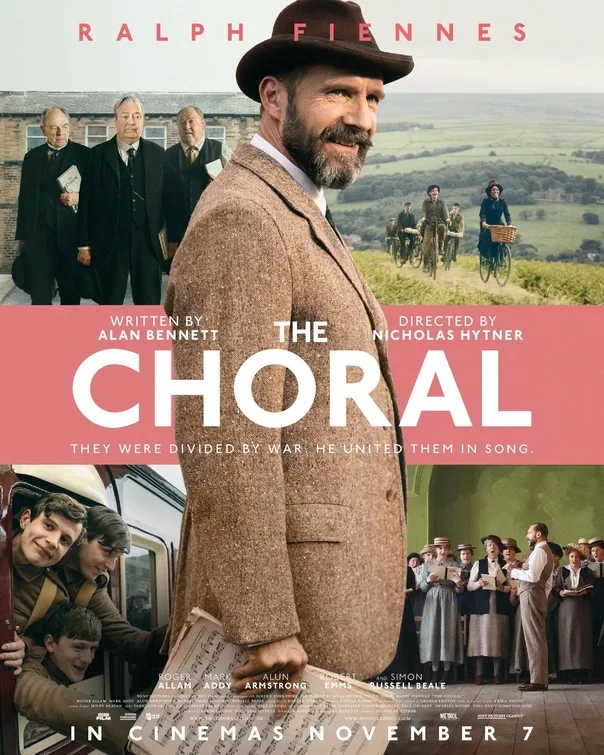
In a northern English town during the First World War, a choral society tries to continue rehearsing as many of its men leave for military service. Its committee appoints a new choirmaster, whose methods challenge old habits and bring new voices into the group. Alan Bennett's drama links music-making with community resilience, showing how shared work can carry both grief and hope during a period of social change.
What drives the story
A small-town choir continues its work as war reshapes its membership and community.
The people at its centre
The new choirmaster challenges convention while singers bring private hopes and losses to rehearsal.
What it feels like
Music gives the ensemble a shared task amid upheaval and absence.
Worth knowing
The drama treats performance as collective life rather than a competition or star-making story.
musiccommunitywar
Mood
stirring · bittersweet · humane · reflective
Pacing
patient · rehearsal-driven · emotionally building
Visual style
period townscapes · choir performance · restrained historical detail