Explore films connected to The First Great Train Robbery through Ingenuity, Class and access, Trust. Choose the qualities you want to carry into your next watch.
What should feel similar?
Find your next favourite
9 films · Closest overall matches
Hide films you’ve seen or don’t want. Saved on this device.
No matches for this combination yet.
Try another option or reset your choices to see more films.
Based on recorded story, mood and style. Your preferences can change the order.
Criminal underworld
What changes The First Great Train Robbery: methodical setup, clockwork escalation, set-piece driven and cleverly paced. The Asphalt Jungle: plan-and-execution structure and consequence-driven.
Recently released mastermind Doc Riedenschneider assembles a crew to rob a jewelry store: a safecracker, driver and Dix Handley, a man hoping to reclaim his family's Kentucky farm. Lawyer Alonzo Emmerich agrees to finance the plan but secretly intends to double-cross the thieves. The robbery initially succeeds, then a wound, alarms and police pursuit fracture the escape. Each participant faces the consequences of relying on a criminal who sees people as tools. Dix's dream of home persists even as the heist's failures carry the crew away from it.
Based on recorded story, mood and style. Your preferences can change the order.
Criminal underworld
What changes The First Great Train Robbery: methodical setup, clockwork escalation, set-piece driven and cleverly paced. Shoeshine: gradual, cumulative and bleak.
In postwar Rome, friends Giuseppe and Pasquale shine shoes and save for a horse. An older brother draws them into a small theft, then a fake-police scam leaves the boys holding money while the adults escape with a much larger haul. The real police arrest them and send them to juvenile detention, where separation, pressure from their captors and conflicting loyalties erode their friendship. Their wish for a horse gives the story a small, tangible hope that is crushed by the institutions and adult schemes surrounding them.
Based on recorded story, mood and style. Your preferences can change the order.
Criminal underworld
What changes The First Great Train Robbery: methodical setup, clockwork escalation, set-piece driven and cleverly paced. Reservoir Dogs: intense.
After a jewellery robbery collapses into gunfire, surviving criminals regroup at a warehouse using colour-coded aliases rather than real names. With one man badly wounded and others missing, professional discipline gives way to suspicion that an undercover officer betrayed them. Flashbacks reveal fragments of recruitment and preparation, while the confined aftermath turns an unseen heist into a contest over loyalty, authority and competing stories.
Based on recorded story, mood and style. Your preferences can change the order.
What changes The First Great Train Robbery: methodical setup, clockwork escalation, set-piece driven and cleverly paced. Extremely Loud and Incredibly Close: measured.
After his father dies in the September 11 attacks, a boy discovers a key among his belongings and interprets it as the beginning of another shared puzzle. Searching New York for the person whose name appears on its envelope gives grief a practical itinerary and introduces strangers whose losses exceed his initial question. The search also keeps him apart from his mother, making the possibility of an answer compete with recognizing care that does not arrive in his father's familiar form. Oskar’s search gives grief a task, but neither the key nor its answer can restore his father.
Based on recorded story, mood and style. Your preferences can change the order.
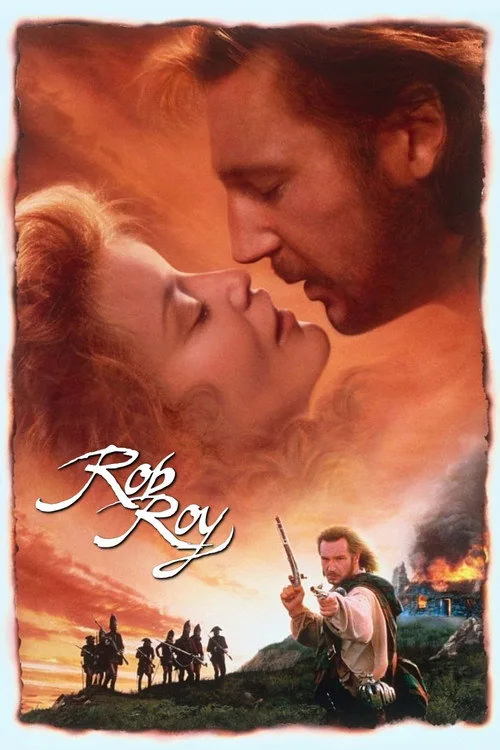
What changes The First Great Train Robbery: methodical setup, clockwork escalation, set-piece driven and cleverly paced. Rob Roy: cattle-trading plan creates a debt, theft and framing force resistance and personal duels and testimony resolve the conflict.
In early eighteenth-century Scotland, clan leader Rob Roy MacGregor borrows money from the Marquess of Montrose to establish a cattle trade that might support his people. Montrose's agent Cunningham steals the funds and frames Rob, forcing him into hiding and turning his economic plan into a struggle for honor. Rob refuses to wage open war against the nobleman, while his wife Mary and clan members face the consequences of Cunningham's violence. The historical adventure joins Highland resistance with a personal contest of integrity.
Based on recorded story, mood and style. Your preferences can change the order.
Criminal underworld
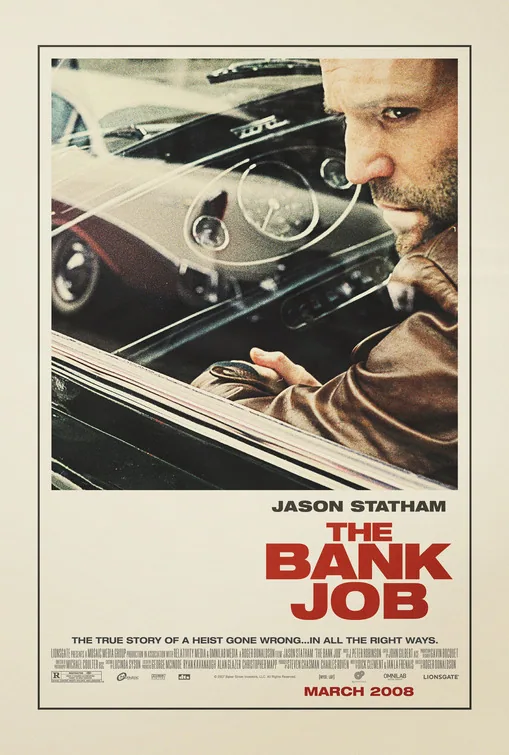
What changes The First Great Train Robbery: methodical setup, clockwork escalation, set-piece driven and cleverly paced. The Bank Job: escalating and suspense-led.
A small group of thieves rob a London bank vault and discover that its contents expose powerful people to blackmail. The operation grows dangerous as police, politicians and criminals try to control what the stolen records reveal. The heist thriller ties personal greed to public secrecy, making information as consequential as the money. Period detail, measured planning and overlapping interests keep the plot grounded in a political crime atmosphere.
Based on recorded story, mood and style. Your preferences can change the order.
What changes The First Great Train Robbery: methodical setup, clockwork escalation, set-piece driven and cleverly paced. Emma: interwoven courtship episodes expose emma’s assumptions.
Emma Woodhouse believes she is skilled at arranging other people’s romantic lives, particularly the fortunes of her new friend Harriet Smith. Her confident matchmaking repeatedly misreads class, attraction and intention, while her own feelings become clearer only through mistakes. Autumn de Wilde’s adaptation of Jane Austen’s novel uses a bright, formal visual style to examine social position, self-knowledge and the limits of benevolent meddling.
Based on recorded story, mood and style. Your preferences can change the order.
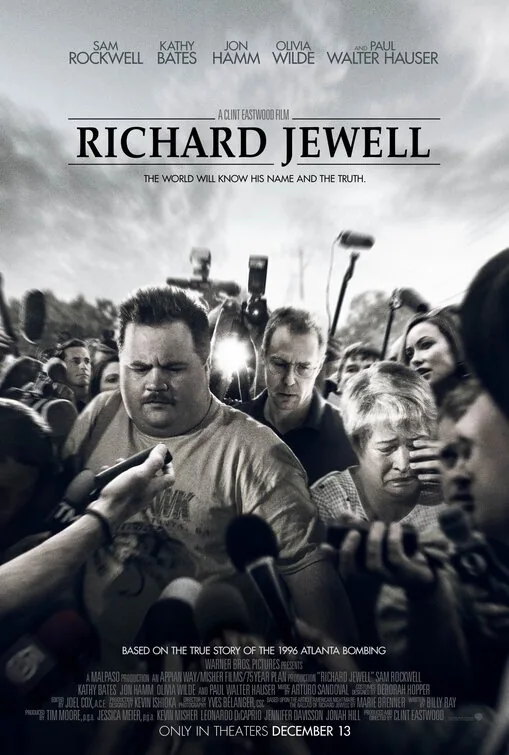
What changes The First Great Train Robbery: methodical setup, clockwork escalation, set-piece driven and cleverly paced. Richard Jewell: a public emergency gives way to a prolonged reputational investigation.
Security guard Richard Jewell discovers a bomb in Atlanta’s Centennial Olympic Park and helps evacuate people before it explodes. First celebrated as a hero, he soon becomes a focus of federal suspicion and press scrutiny, while lawyer Watson Bryant tries to protect him. The biographical drama follows the shift from public praise to accusation and examines how official investigation and sensational reporting can damage an ordinary person.
Based on recorded story, mood and style. Your preferences can change the order.
Escape and pursuit
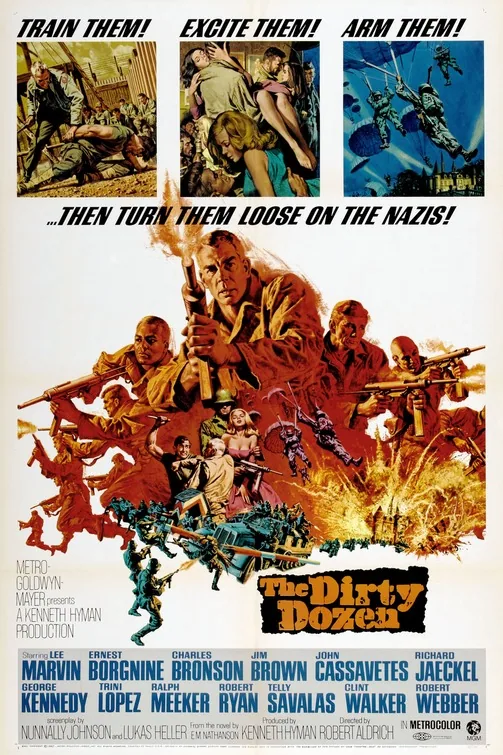
What changes The First Great Train Robbery: methodical setup, clockwork escalation, set-piece driven and cleverly paced. The Dirty Dozen: training ensemble and mission escalation.
Army major John Reisman is ordered to train twelve military prisoners for a dangerous mission behind German lines before D-Day. The men have been convicted of serious crimes, and the deal is that survivors may receive amnesty. Reisman first has to make a hostile group follow orders, then prepare them to attack a château where German officers are gathered. Their training exposes rivalries and the limits of discipline; during the operation, a change in the target’s circumstances makes the plan more morally fraught than its briefing suggested. The mission depends on teamwork among men who distrust one another, while Reisman weighs the strategic objective against the cost of treating them as expendable weapons.
In Victorian London, Edward Pierce plans to steal a shipment of gold being transported by train to pay British forces in the Crimean War. The bullion is secured inside safes that require several keys, so Pierce recruits locksmith and pickpocket Robert Agar, his accomplices Miriam and Barlow, and a bribable railway guard. He works through elite drawing rooms, a bank, and a high-class brothel to copy keys and arrange access without exposing the scheme. Once the train is moving, the crew must put a carefully rehearsed plan into motion while the railway’s routines and security create new obstacles.
What drives the story
Pierce turns social access and meticulous preparation into tools for a robbery that depends on copied keys and carefully timed cooperation.
The people at its centre
Agar’s practical skill and Miriam’s performance complement Pierce’s confidence, while every recruit introduces a separate risk of exposure.
What it feels like
The film builds anticipation by showing the scheme’s components, then shifts its attention to the physical challenge of executing them on the train.
Worth knowing
This is a playful period caper centered on process, deception, and stunts, rather than a grim crime drama about the consequences of theft.