Based on recorded story, mood and style. Your preferences can change the order.
Family and care · Memory and identity
What changes The First Slam Dunk: game-time urgency, flashback-driven, escalating and kinetic. Evangelion: 3.0+1.0 Thrice Upon a Time: a wille operation restores a city, the pilots reach a community outside tokyo-3 and and a renewed confrontation with nerv brings the series’ unresolved conflicts forward..
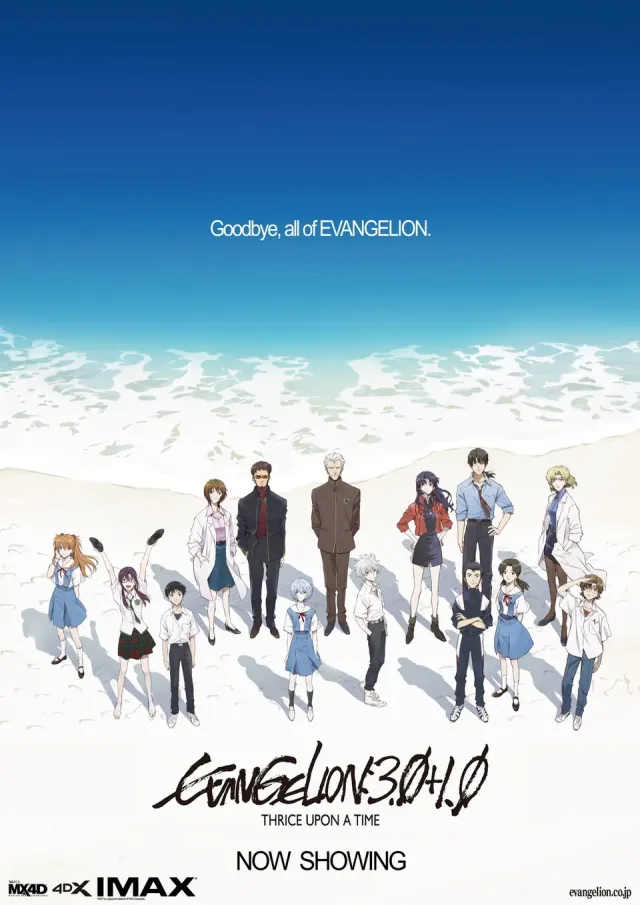
Following the catastrophes of the earlier films, Shinji Ikari is emotionally withdrawn while the remaining pilots and WILLE continue their struggle against NERV. A mission in Paris opens the film before Shinji, Asuka and Rei reach a community of survivors outside Tokyo-3. The story moves between that quiet recovery and a final conflict that tests how the characters understand their past and future.
Based on recorded story, mood and style. Your preferences can change the order.
Memory and identity
What changes The First Slam Dunk: game-time urgency, flashback-driven, escalating and kinetic. The End of Evangelion: military action opening, abrupt shifts into abstraction and surreal culmination.
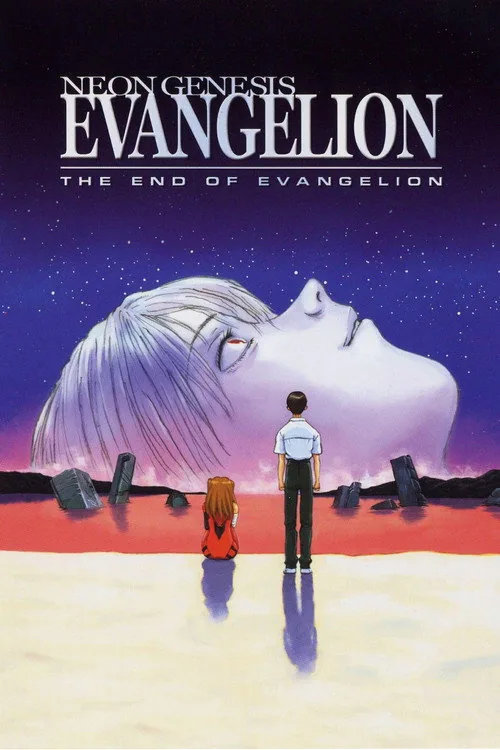
As the secret organization SEELE launches an assault on NERV, operations director Misato searches for Shinji Ikari while the teenage pilots confront the collapse of their world. SEELE intends to trigger Human Instrumentality, a process that would merge human consciousness, while Shinji’s emotional crisis shapes what happens next. Hideaki Anno’s animated film provides a feature-length ending to the television series, expanding its final events into apocalyptic action and intensely subjective imagery. It assumes familiarity with the series and contains disturbing violence and psychological distress.
Based on recorded story, mood and style. Your preferences can change the order.
What changes The First Slam Dunk: game-time urgency, flashback-driven, escalating and kinetic. Demon Slayer: Kimetsu no Yaiba the Movie: Mugen Train: mission-driven and escalating.
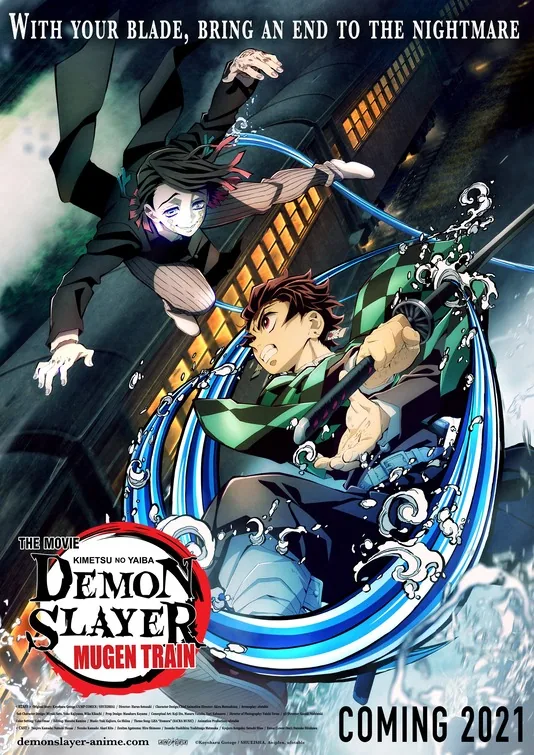
Tanjiro, Nezuko and their companions board the Mugen Train to help the Flame Hashira investigate a string of disappearances. Their task turns into a fight against a demon able to manipulate dreams, forcing each character to confront a wished-for version of life. Haruo Sotozaki carries the anime series into a feature-length battle, combining supernatural action with grief, family memory and a clear test of courage.
Based on recorded story, mood and style. Your preferences can change the order.
Memory and identity · Coming of age
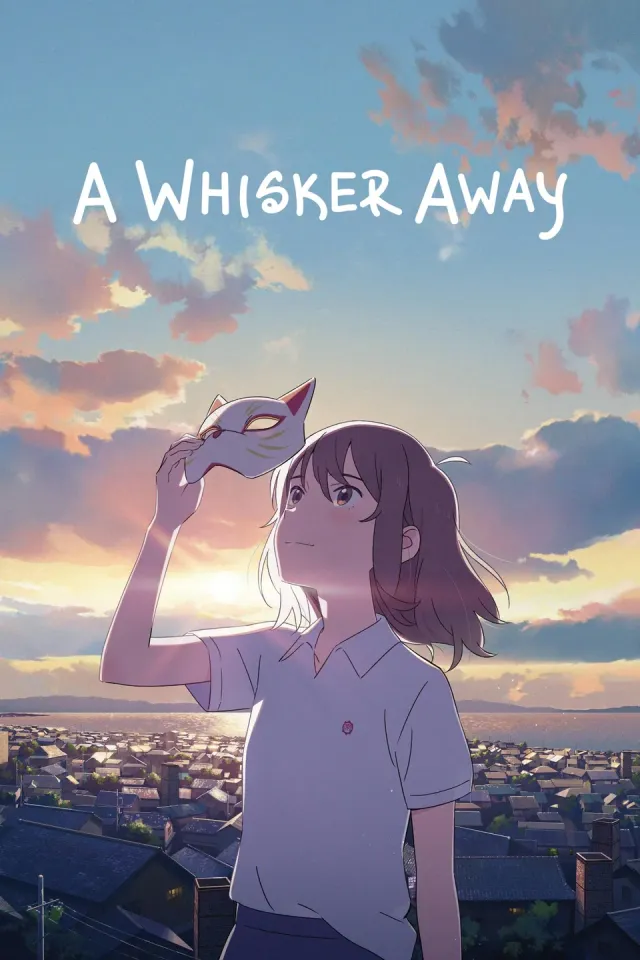
What changes The First Slam Dunk: game-time urgency, flashback-driven, escalating and kinetic. A Whisker Away: school-life setup, fantasy escalation and identity choice.
Miyo Sasaki feels out of place in Tokoname, struggling with distance from her stepmother and an unreturned crush on classmate Kento Hinode. A mysterious mask seller gives her the ability to transform into a cat, and as Tarō she can spend time near Kento without confronting her feelings directly. The magical escape becomes harder to control, forcing Miyo to decide how much of herself she is willing to trade for closeness.
Based on recorded story, mood and style. Your preferences can change the order.
Coming of age
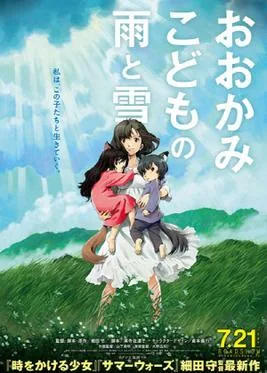
What changes The First Slam Dunk: game-time urgency, flashback-driven, escalating and kinetic. Wolf Children Ame and Yuki: thirteen-year span and seasonal.
College student Hana falls in love with a man who can transform into a wolf, and they have two children, Yuki and Ame, who inherit that ability. After their father dies, Hana raises them alone and moves to the countryside so they can grow without exposing their secret. As they mature, the siblings respond differently to their human and wolf natures, and Hana must support choices she cannot make for them. Mamoru Hosoda’s film spans thirteen years, using fantasy as a frame for the ordinary uncertainty of parenting. The children grow up in the countryside, where schooling and self-discovery force Hana to adapt her protection. Their diverging temperaments cannot both be settled by one household rule.
Based on recorded story, mood and style. Your preferences can change the order.
Memory and identity · Coming of age
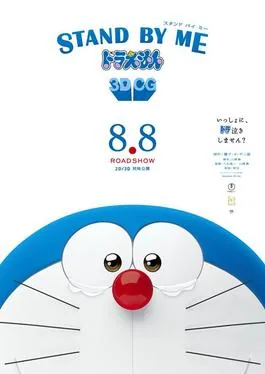
What changes The First Slam Dunk: game-time urgency, flashback-driven, escalating and kinetic. Stand by Me Doraemon: episodic and emotionally cumulative.
Doraemon arrives from the future to help fifth-grader Nobita avoid a bleak adulthood predicted by his descendant Sewashi. The robotic cat’s gadgets make daily problems easier, but Nobita’s choices about school, friendship and his feelings for Shizuka remain his own. As the future begins to change, the film follows the pair through childhood milestones and the possibility of Doraemon leaving once his task is complete. It adapts familiar episodes into one continuous emotional arc about growing up and saying goodbye.
Based on recorded story, mood and style. Your preferences can change the order.
Family and care · Memory and identity
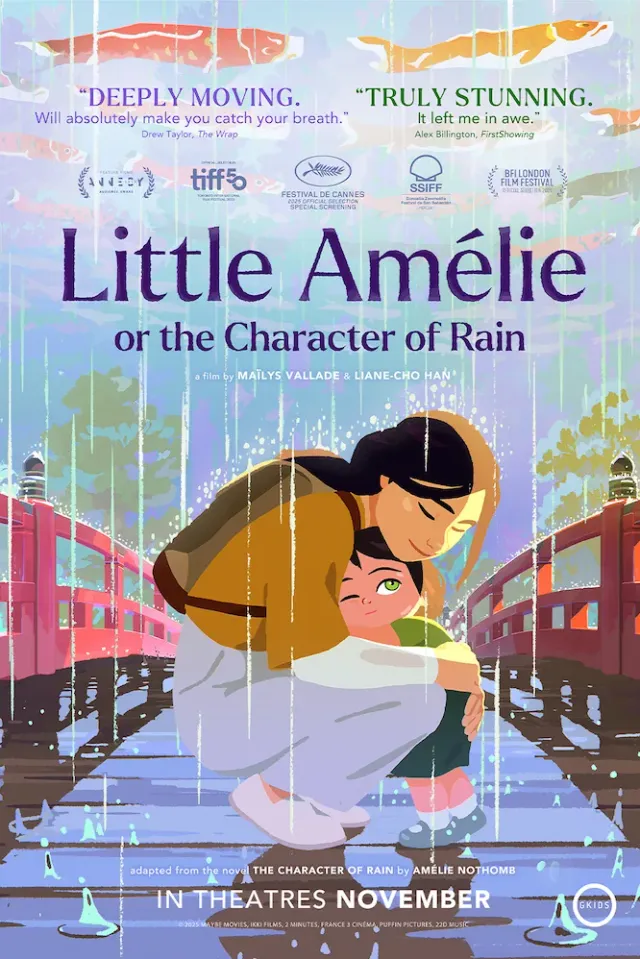
What changes The First Slam Dunk: game-time urgency, flashback-driven, escalating and kinetic. Little Amélie or the Character of Rain: episodic, observational and gently unfolding.
Based on Amélie Nothomb's autobiographical writing, the animated film follows a Belgian child living in Japan during her earliest years. At first she experiences the world through intense sensations and limited language, then gradually notices family relationships, customs and the meaning of being part of a household. The story turns early childhood into a vivid process of discovery, using a young child's point of view to connect personal memory with place.
Based on recorded story, mood and style. Your preferences can change the order.
Memory and identity · Coming of age
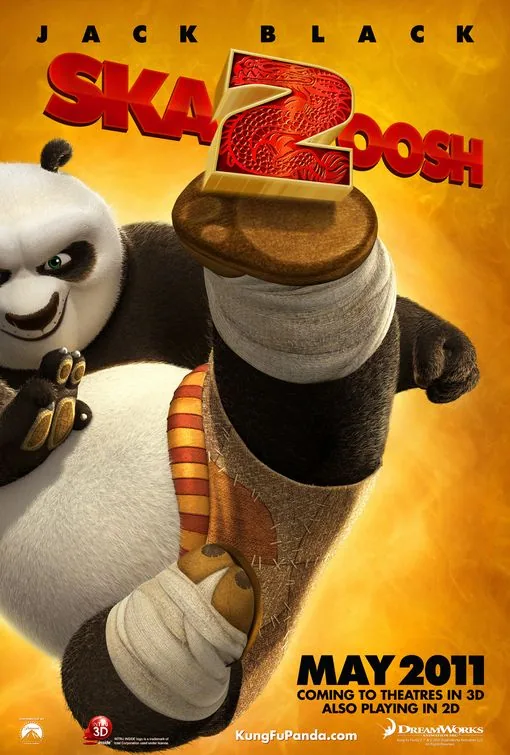
What changes The First Slam Dunk: game-time urgency, flashback-driven, escalating and kinetic. Kung Fu Panda 2: brisk and nonlinear.
An established martial-arts hero struggles to achieve inner calm when a conqueror's emblem reawakens memories of separation from his first family. The enemy's weapons threaten both the city and the tradition through which the hero has found belonging. Learning how his past connects to the campaign makes defending others inseparable from deciding how much that injury will define him. The animated sequel places adoption and traumatic loss alongside action, making peace a capacity to acknowledge history without handing an adversary permanent control over identity.
Based on recorded story, mood and style. Your preferences can change the order.
Coming of age
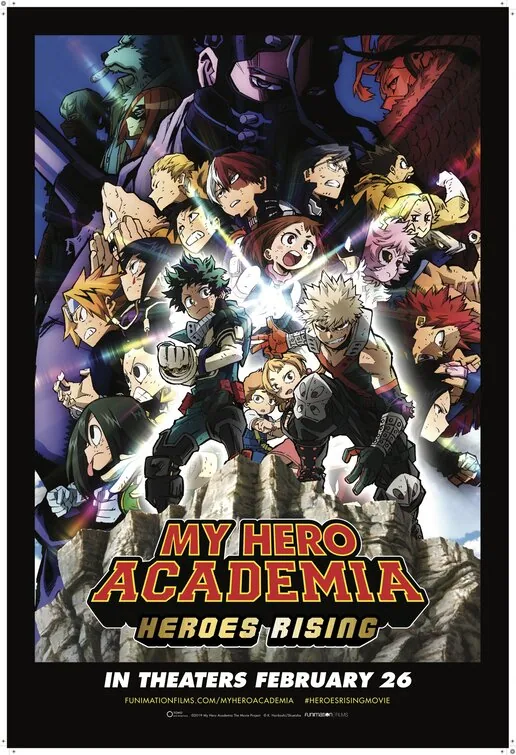
What changes The First Slam Dunk: game-time urgency, flashback-driven, escalating and kinetic. My Hero Academia: Heroes Rising: fast and action-led.
Students of Class 1-A are sent to a remote island to provide hero services to its residents, only to face a coordinated attack by a powerful group of villains. Midoriya and Bakugo must protect the community while confronting a threat that pushes their abilities and their teamwork. The animated feature combines a self-contained island crisis with the series’ themes of mentorship, inherited responsibility and young heroes learning when to rely on one another.
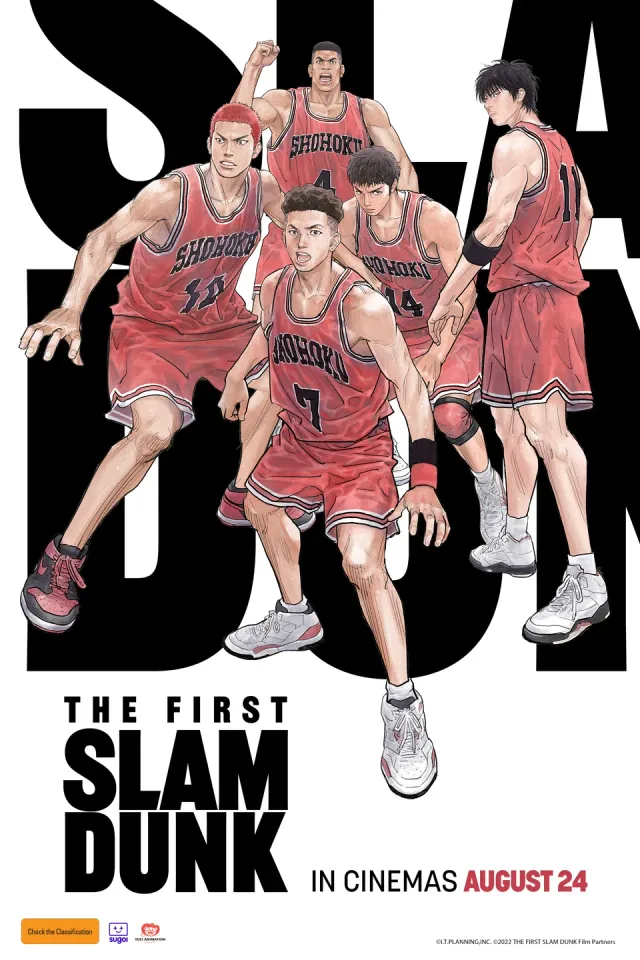
Ryota Miyagi’s work as point guard for Shohoku High is shaped by the example of his older brother Sota and the family history he carries from Okinawa. As the team faces defending champions Sannoh in the national tournament, the film concentrates on one extended basketball game while moving through Ryota’s memories. Takehiko Inoue adapts the manga’s climactic match into a sports drama about grief, teamwork and playing under pressure.
What drives the story
Shohoku’s match against Sannoh unfolds alongside Ryota’s memories of his brother and the personal history behind his play.
The people at its centre
Ryota integrates grief with his identity as a player, relying on teammates rather than treating basketball as a solitary pursuit.
What it feels like
The film gives a full team match cinematic scale while grounding the action in a specific player’s emotional history.
Worth knowing
An animated sports drama for viewers who enjoy basketball tactics, personal flashbacks and manga-based team stories.