Based on recorded story, mood and style. Your preferences can change the order.
Investigation · War and civilian life
What changes The Hindenburg: building, escalating and suspenseful. The Debt: dual-timeline suspense, espionage operation and moral reckoning.
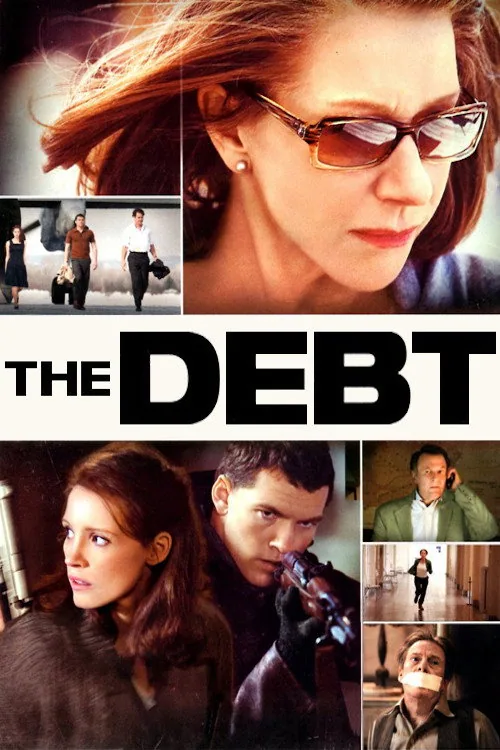
In 1960s East Berlin, young Mossad agents Rachel, Stefan, and David undertake a dangerous mission to capture Nazi war criminal Dieter Vogel and bring him to justice. Decades later, their celebrated account of the operation is unsettled by new information, forcing the aging agents to confront what happened and the story they told. John Madden’s thriller moves between two periods of espionage and memory, examining the moral weight of the Holocaust, a mission’s legacy, and the cost of preserving a national hero narrative.
Both share themes of duty and survival, plus a tense atmosphere.
Why this matches +
Genres: Action / War
Shared film traits
Based on recorded story, mood and style. Your preferences can change the order.
War and civilian life · Survival
Expect tense and urgent, with propulsive and suspenseful pacing.
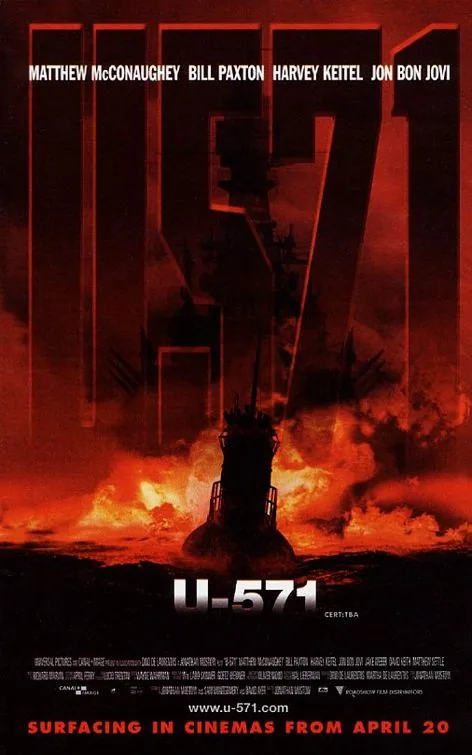
During the Battle of the Atlantic, an American submarine crew undertakes a dangerous mission to seize a German Enigma machine from a disabled U-boat. The operation forces the crew into close quarters, with command, survival and deception all under pressure. The film shapes its wartime story as a confined action thriller built around a high-risk maritime objective.
Both share an investigation, plus a tense atmosphere.
Why this matches +
Genres: Mystery / Thriller
Shared film traits
Based on recorded story, mood and style. Your preferences can change the order.
Investigation
What changes The Hindenburg: building, escalating and suspenseful. Shutter Island: slow burn.
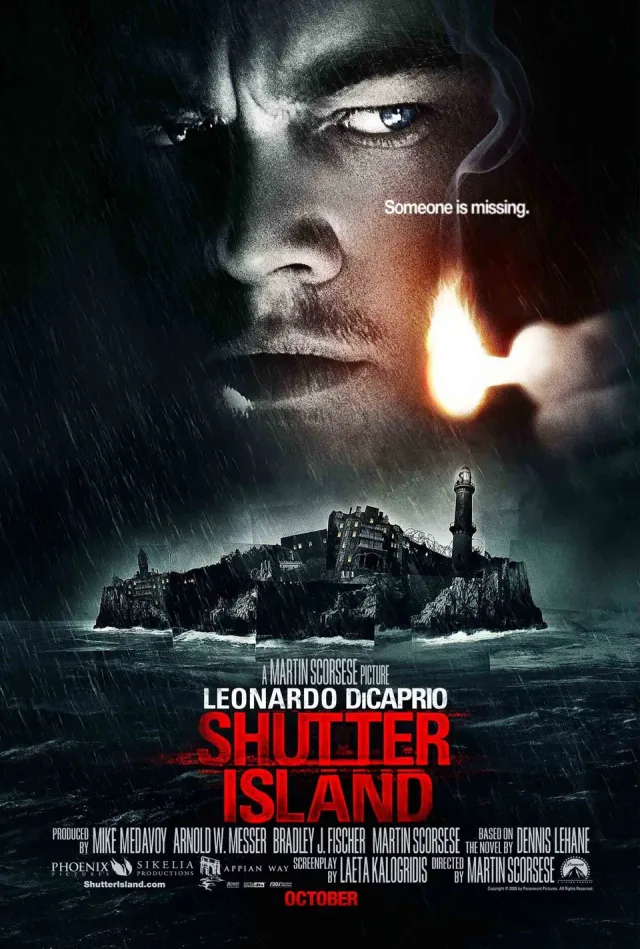
Two federal marshals arrive at an isolated psychiatric institution to investigate the disappearance of a patient from a locked ward. A storm cuts off ordinary routes of departure as evasive staff and disturbing experiences intensify the lead investigator's suspicion. Memories of wartime atrocity and family loss enter his account of the case, making the effort to expose institutional deception increasingly inseparable from the reliability of his own perception.
Both share an investigation, plus themes of suspicion.
Why this matches +
Genres: Action / Thriller
Shared film traits
Based on recorded story, mood and style. Your preferences can change the order.
Investigation · Survival
Expect tense and claustrophobic, with countdown-driven and escalating pacing.
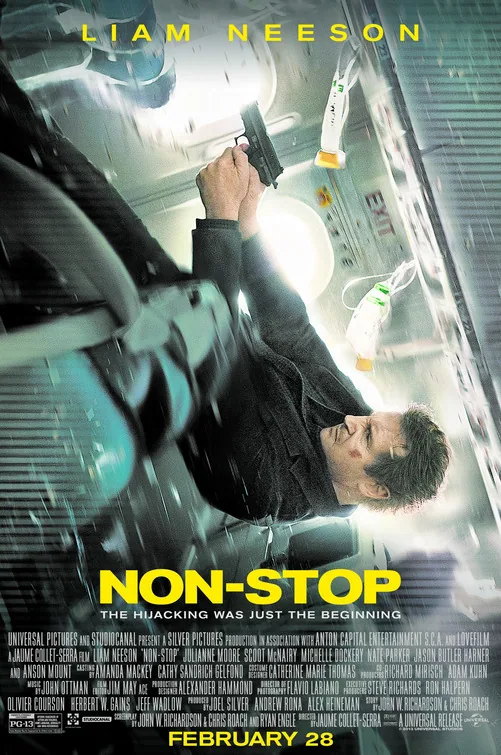
An air marshal on a transatlantic flight receives anonymous messages predicting a passenger will die every twenty minutes unless money is transferred. Each attempt to investigate makes him look more suspicious to the people around him, while the limited cabin becomes both crime scene and public pressure chamber. The puzzle depends on who can be trusted when evidence keeps changing hands.
Both share themes of survival, plus a somber and tense atmosphere.
Why this matches +
Genres: Crime / Drama
Shared film traits
Based on recorded story, mood and style. Your preferences can change the order.
War and civilian life · Survival
What changes The Hindenburg: building, escalating and suspenseful. The Counterfeiters: steadily tightening.
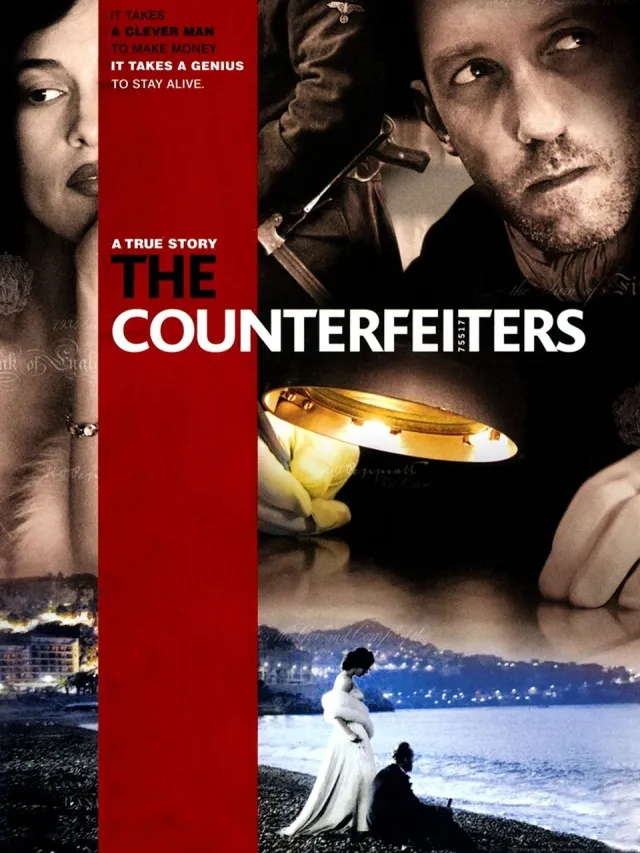
In a Nazi concentration camp, a Jewish counterfeiter is compelled to help produce forged currency for a German operation, gaining temporary survival at the cost of moral compromise. He and the other prisoners face choices shaped by coercion, scarcity and the risks of resistance. Based on wartime events, the drama focuses on constrained decisions under atrocity and on the uneasy line between collaboration forced by violence and active allegiance.
Both share themes of duty, plus a somber and tense atmosphere.
Why this matches +
Genres: War / Action
Shared film traits
Based on recorded story, mood and style. Your preferences can change the order.
Survival
What changes The Hindenburg: building, escalating and suspenseful. Greyhound: continuous and procedural.
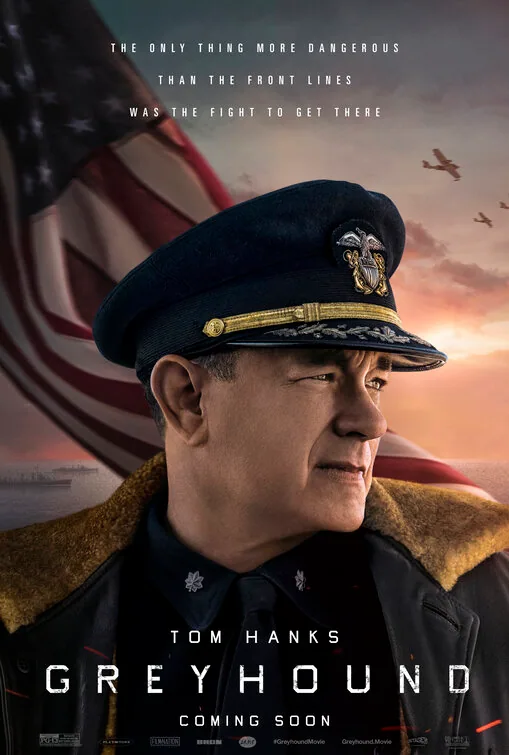
In 1942, commander Ernest Krause leads an Allied convoy through a stretch of the Atlantic beyond reliable air cover. German submarines threaten the ships, and the destroyer captain must make decisions with limited information while managing an exhausted crew. Aaron Schneider keeps the war story tightly focused on the bridge and radio, creating suspense from navigation, timing and the burden of command rather than a broad battlefield view.
Based on recorded story, mood and style. Your preferences can change the order.
Investigation · Survival
Expect tense and somber, with measured and escalating pacing.
A son's attempt to understand the disaster that killed his mother leads into a concealed history of giant organisms and unsuccessful attempts to control them. As two emerging creatures converge, military plans risk feeding the threat they intend to stop. His effort to return to his own family runs alongside scientists' argument that another creature may restore a balance people cannot impose directly. The film builds catastrophe through partial human viewpoints and delayed revelation, making scale and limited knowledge central to its suspense.
Both share themes of duty and survival, plus a tense atmosphere.
Why this matches +
Genres: War / Drama
Shared film traits
Based on recorded story, mood and style. Your preferences can change the order.
War and civilian life · Survival
What changes The Hindenburg: building, escalating and suspenseful. Das Boot: variable.
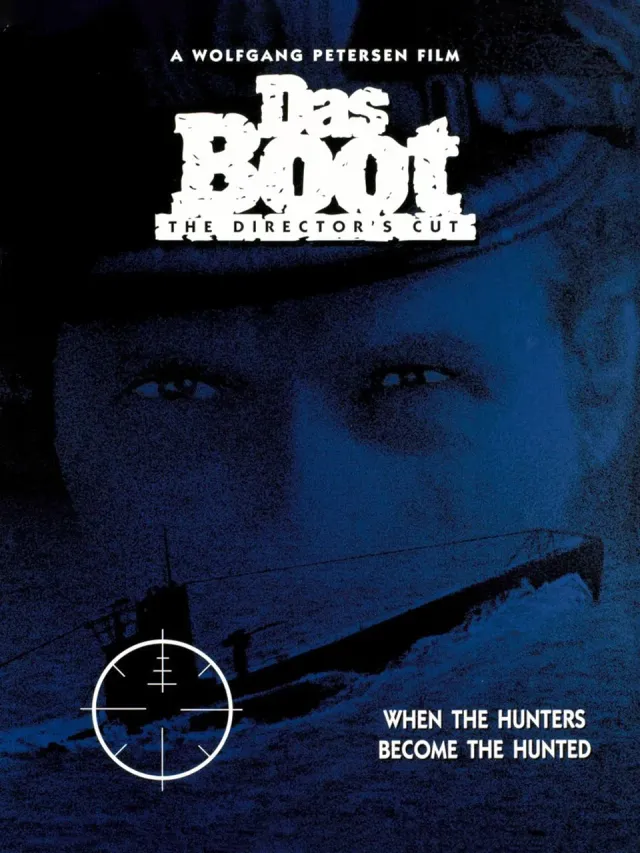
A young correspondent joins a German submarine crew whose long periods of boredom give way to pursuit, mechanical failure and pressure at depths the vessel may not withstand. Experienced sailors' practical cynicism contrasts with more committed ideological certainty, but shared confinement does not remove the war's human consequences outside the hull. Surviving one ordeal only produces another order, making technical solidarity an unreliable promise that anyone controls the voyage's larger purpose. The crew’s shared competence is repeatedly tested by orders issued for a war whose purpose they do not control.
Both share themes of duty, plus a tense atmosphere.
Why this matches +
Genres: Drama / Historical
Shared film traits
Based on recorded story, mood and style. Your preferences can change the order.
War and civilian life
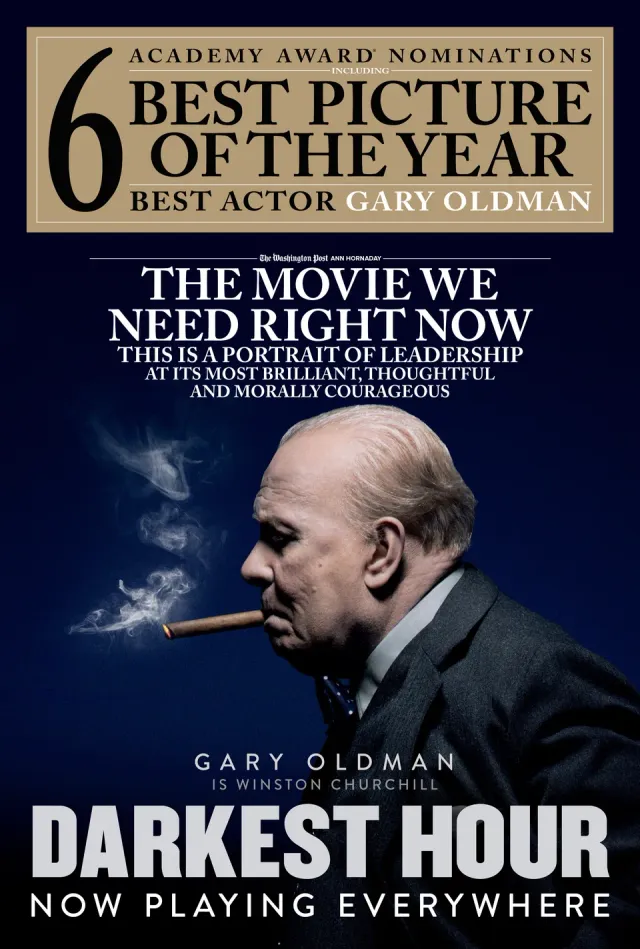
What changes The Hindenburg: building, escalating and suspenseful. Darkest Hour: measured.
Newly appointed British prime minister as German forces advance in 1940, Winston Churchill must persuade colleagues who distrust his judgment to support continued resistance. Reports from France and the peril of trapped troops make each public statement a gamble over more than morale. The film concentrates political history into pressured conversations, private doubts and acts of persuasion, portraying leadership as an effort to secure room for a decision whose consequences others will bear.
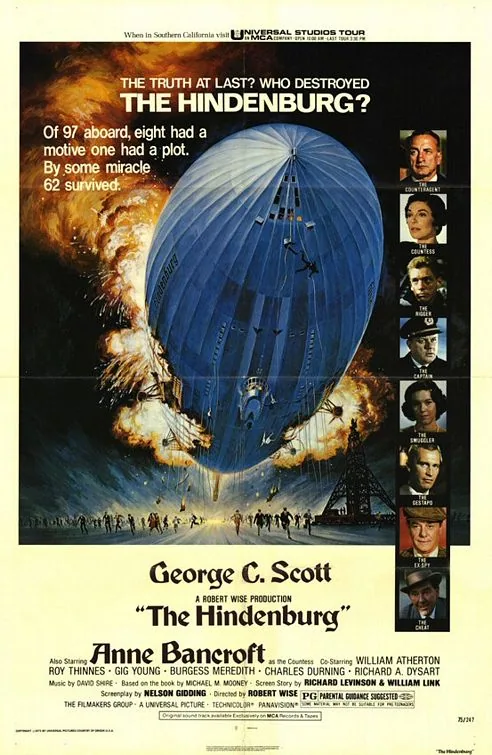
In 1937, a threat against the German airship Hindenburg prompts Colonel Franz Ritter to investigate passengers and crew before its voyage to the United States. A fellow security officer and the ship’s passengers provide competing clues, while political symbols and private motives complicate the search. The film combines a fictional sabotage mystery with the real disaster that gives the journey its looming historical stakes.
What drives the story
A warning of sabotage turns the Hindenburg’s voyage into a closed-circle investigation, with security officer Franz Ritter trying to sort credible threats from misleading clues.
The people at its centre
Ritter’s professional caution is tested by passengers with concealed histories, while Vogel’s parallel inquiry makes the ship’s chain of authority uncertain.
What it feels like
The suspense builds through passenger portraits and procedural suspicion before the airship’s scale and fate dominate the viewing experience.
Worth knowing
It mixes historical disaster spectacle with an invented conspiracy plot; the investigative framework should not be mistaken for a factual account of the catastrophe’s cause.
SuspicionDutyPolitical complicity
Mood
Tense · Somber · Suspenseful
Pacing
Building · Escalating · Suspenseful
Visual style
Period detail · Expansive · Disaster effects
Storytelling
Investigation · Ensemble · Disaster countdown · Moral compromise